
Views: 222 Author: Sara Publish Time: 2026-01-21 Origin: Site


Content Menu
● Why polydextrose is important in Norway
● Overview of polydextrose manufacturers and suppliers serving Norway
● STA‑LITE polydextrose and distribution in Norway
● European distributors supplying polydextrose to Norway
● Norway's plant‑based and fiber ingredient ecosystem
● Main applications of polydextrose in Norway
>> Beverages
>> Confectionery and nutraceuticals
● Benefits for Norwegian brands working with polydextrose
● Cooperation with Chinese OEM/ODM factories
● How to select polydextrose manufacturers and suppliers for the Norwegian market
● Collaboration between Norwegian and global suppliers
● Best practices for working with polydextrose
● Example value chain for a Norwegian polydextrose product
● FAQ
>> 1. What is polydextrose and how does it differ from sugar?
>> 2. Why do Norwegian brands work with polydextrose manufacturers and suppliers?
>> 3. In which products is polydextrose most commonly used in Norway?
>> 4. How can Chinese OEM/ODM factories support Norwegian polydextrose projects?
>> 5. What should buyers check before choosing a polydextrose supplier?
Polydextrose is becoming an essential ingredient in Norway's food, beverage, and healthcare industries as brands seek to cut sugar, enrich fiber, and support digestive wellness. Top polydextrose manufacturers and suppliers help Norwegian companies reformulate products while keeping great taste, texture, and clean labels. This article explores how polydextrose works, the role of polydextrose manufacturers and suppliers serving Norway, and how international buyers can cooperate with global and Chinese OEM/ODM partners for efficient, high‑quality solutions.
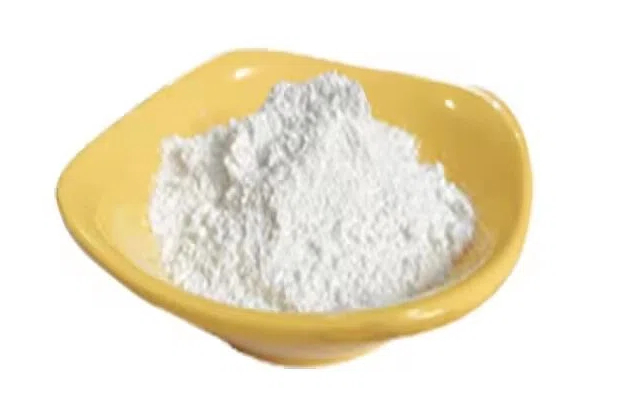
Polydextrose is a randomly bonded polymer of glucose with small amounts of sorbitol and citric acid. It is classified as a low‑calorie soluble dietary fiber that functions mainly as a bulking agent and sugar replacer in many applications. Because polydextrose has little sweetness and provides only about one kilocalorie per gram, it allows formulators to reduce sugar and calories without sacrificing mouthfeel.
Polydextrose manufacturers and suppliers value this ingredient because it:
- Provides bulk and body in foods and drinks where sucrose or other sugars are reduced.
- Has a neutral taste and light color, so it can be used at relatively high levels.
- Has a low glycemic impact and supports "reduced sugar" or "light" claims.
- Contributes dietary fiber, helping products reach "source of fiber" or "high fiber" label positions in many markets.
Norwegian consumers are increasingly focused on healthy lifestyles, weight management, and blood sugar control. As a result, demand is rising for reduced‑sugar, low‑calorie, and fiber‑enriched products. Polydextrose manufacturers and suppliers play a central role in this shift by offering ingredients that help brands improve nutritional profiles without compromising enjoyment.
Several factors encourage Norwegian producers to use polydextrose:
- High awareness of obesity, diabetes, and metabolic health.
- Strong interest in functional foods that support gut health and satiety.
- Regulatory and public health pressure to reduce added sugar in everyday products.
- Growing categories such as better‑for‑you snacks, protein bars, and functional beverages.
Norway does not have a large domestic industrial production of polydextrose. Instead, the market is supplied by an ecosystem of global manufacturers, European distributors, and local ingredient specialists. Together, these polydextrose manufacturers and suppliers provide high‑quality products, application support, and efficient logistics into the Norwegian market.
Key elements of this ecosystem include:
- Global producers of branded polydextrose ingredients.
- European distributors that warehouse and sell polydextrose across the continent, including to Norway.
- Norwegian companies specializing in plant‑based proteins and fibers that combine their products with polydextrose in advanced formulations.
- Chinese OEM/ODM factories that provide customized polydextrose blends and finished goods for export.
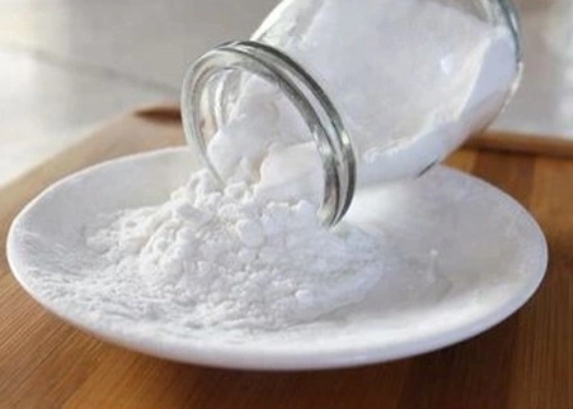
One of the best‑known polydextrose brands in Europe is the STA‑LITE family from Tate & Lyle. This range includes several powder grades designed to be easy to use in beverages, dairy, desserts, bakery, and confectionery. The products are characterized by neutral taste, very low color, and good solubility, which are important for sensitive applications.
In Norway, STA‑LITE polydextrose is available through distributors such as IMCD Norway. IMCD lists STA‑LITE ELITE R as a versatile polydextrose powder for food and nutrition, backed by technical documentation and support. By partnering with such distributors, Norwegian brands gain access to global polydextrose manufacturers and suppliers while dealing with a local commercial and technical team.
Alongside IMCD, several European ingredient traders and distributors provide polydextrose to the Nordic region. Companies like Van Wankum Ingredients supply polydextrose as a low‑calorie, prebiotic dietary fiber to food, beverage, and nutrition manufacturers across Europe. These distributors often offer flexible order quantities, local warehousing, and multi‑ingredient portfolios.
For polydextrose manufacturers and suppliers, working with strong European distributors ensures that Norwegian customers receive:
- Shorter lead times and more reliable delivery.
- Local language support and understanding of regional regulations.
- Access to polydextrose alongside complementary sweeteners, fibers, and stabilizers.
Norway is also home to companies that specialize in plant‑based proteins and fibers derived from peas and other legumes. While these companies may not produce polydextrose themselves, they are important partners for polydextrose manufacturers and suppliers because their ingredients are often combined in finished products.
For example, Norwegian and European producers of pea protein and pea fiber supply ingredients for:
- High‑protein, high‑fiber snack bars and granola.
- Plant‑based meat alternatives.
- Dairy alternatives such as plant‑based yogurts and drinks.
When food developers combine these plant‑based ingredients with polydextrose, they can create sophisticated multi‑fiber systems that support gut health, satiety, and texture in a wide range of applications.
Polydextrose manufacturers and suppliers serving the Norwegian market focus on a number of applications where this ingredient offers clear benefits. Some of the most important are:
In beverages, polydextrose functions as a soluble fiber and bodying agent. It is used in:
- Fiber‑enriched juices and nectars.
- Functional waters and flavored waters with low sugar.
- Energy and sports drinks that need body without extra calories.
Polydextrose improves mouthfeel and helps mimic the viscosity of sugar without significantly changing taste, allowing beverage formulators to achieve a more satisfying drink even at lower sugar levels.
Yogurts, drinking yogurts, dairy desserts, and ice creams in Norway often use polydextrose as part of sugar‑reduction strategies. When sucrose is reduced, polydextrose helps:
- Maintain creaminess and smooth texture.
- Improve freeze–thaw stability in frozen products.
- Increase dietary fiber content to support digestive wellness claims.
Polydextrose manufacturers and suppliers frequently provide application recipes and pilot‑plant data to help dairy producers find the best dosage and process conditions.
Bakery products and snacks are another strong area for polydextrose usage. It can be incorporated into:
- Cookies, biscuits, and wafers.
- Breakfast cereals and granola clusters.
- Soft cakes and cereal bars.
In these applications, polydextrose supports structure and texture when sugar is reduced. It helps maintain volume and crispness in biscuits while enhancing fiber content. Many polydextrose manufacturers and suppliers offer tailored guidance for replacing part of the sugar or fat with polydextrose in baking formulas.
Sugar‑free or reduced‑sugar confectionery often relies on polyols and intense sweeteners. In these cases, polydextrose acts as a bulking agent and fiber source. It can be used in:
- Sugar‑reduced candies and toffees.
- Chocolate and compound coatings.
- Chewable vitamin tablets and nutraceutical lozenges.
By cooperating with polydextrose manufacturers and suppliers who understand both confectionery processing and nutritional regulations, Norwegian brands can develop innovative products that balance indulgence and health.
Polydextrose offers a number of strategic benefits that explain why so many Norwegian companies increasingly rely on polydextrose manufacturers and suppliers. Key advantages include:
- Nutritional improvement: Polydextrose adds fiber while enabling sugar and calorie reduction, making it easier to meet internal nutrition targets and external health guidelines.
- Labeling flexibility: In many markets, polydextrose can contribute to “source of fiber” or “high fiber” claims at relatively moderate inclusion levels.
- Sensory quality: It helps maintain body, creaminess, and mouthfeel in reduced‑sugar products, which is essential for consumer acceptance.
- Versatility: It can be used in beverages, dairy, snacks, bakery, confectionery, and nutraceuticals, simplifying ingredient procurement.
- Compatibility: Polydextrose works well with high‑intensity sweeteners, sugar alcohols, and other dietary fibers, giving formulators room to design customized solutions.
Many European and Norwegian brands cooperate with Chinese factories that specialize in natural sweeteners, functional polyols, and dietary fibers. These partners act as polydextrose manufacturers and suppliers as well as OEM/ODM service providers. With their flexible production capacity and cost‑effective operations, Chinese factories can support both ingredient supply and finished product manufacturing.
Typical cooperation models include:
- Custom blended sweeteners: Polydextrose is combined with sweeteners such as stevia, sucralose, monk fruit, or erythritol to achieve target sweetness curves and caloric profiles. These blends can be tailored for specific applications like tabletop sweeteners, instant drinks, or bakery mixes.
- Tablet and sachet production: Chinese factories with tableting and packing lines can produce polydextrose‑based tablets, chewable supplements, or stick sachets under private label. This is attractive for Norwegian companies in nutraceutical and weight‑management categories.
- OEM/ODM finished products: Beyond ingredients, some partners provide full formula development, pilot batches, packaging design, stability studies, and export documentation. Norwegian buyers can then bring to market ready‑to‑sell polydextrose‑enriched products with relatively low upfront investment.
By choosing experienced Chinese partners with strong quality systems and international certifications, Norwegian and European polydextrose manufacturers and suppliers can expand their portfolios quickly and competitively.
Selecting the right partner is crucial for success. Buyers should evaluate potential polydextrose manufacturers and suppliers using a structured checklist:
1. Product range
- Availability of multiple polydextrose grades (for example, different solubility, particle size, or functionality).
- Access to related fibers and sweeteners to build complete formulation systems.
2. Quality and certifications
- Compliance with relevant food safety standards such as HACCP, ISO, or FSSC.
- Documentation for allergen status, GMO status, residual solvents, and contaminant control.
3. Technical support
- Ability to provide formulation advice, lab trials, and prototype recipes.
- Experience in key Norwegian application areas such as dairy, bakery, and beverages.
4. Regulatory knowledge
- Understanding of EU and Norwegian rules governing fiber definitions, labeling, and maximum use levels.
- Support with documentation for product registration or novel claim submissions if needed.
5. Logistics and service
- Warehouse locations and lead times into Norway.
- Minimum order quantities, packaging formats, and flexibility in order planning.
6. Partnership mindset
- Willingness to develop new grades or blends in cooperation with the customer.
- Transparency about raw material sourcing, sustainability, and traceability.
By carefully comparing polydextrose manufacturers and suppliers against these criteria, Norwegian brands can secure long‑term partnerships that support both innovation and supply security.
The polydextrose value chain in Norway is highly collaborative. Local ingredient specialists frequently cooperate with global polydextrose manufacturers and suppliers to build integrated solutions. For example:
- A plant‑based protein company supplies pea protein and pea fiber, while an international producer provides polydextrose. The two work together to create a high‑protein, high‑fiber bar concept for the Nordic market.
- A Norwegian beverage brand partners with a European distributor that sources polydextrose from a global manufacturer and intense sweeteners from a Chinese OEM factory, bringing everything together in a single ready‑to‑use syrup.
- A nutraceutical company designs a chewable tablet that combines vitamins, minerals, and polydextrose for digestive support, produced on a contract basis in Asia and distributed by a Norwegian importer.
These examples show how polydextrose manufacturers and suppliers interact across borders to deliver tailored solutions for Norway's demanding consumers.
To maximize success when using polydextrose, Norwegian developers and their partners should follow several best practices:
- Start from nutritional targets: Define desired sugar reduction, fiber content, calorie level, and claims before choosing a polydextrose grade or dosage.
- Optimize dosage and balance: Combine polydextrose with other fibers and sweeteners, and test several versions to find the best trade‑off between nutrition and sensory quality.
- Consider digestive tolerance: Although polydextrose is generally well tolerated, very high total fiber intakes can cause discomfort for some consumers, especially when combined with certain polyols.
- Validate processing conditions: Check how polydextrose behaves under different temperatures, shear, and pH during production. Adjust process parameters if necessary to avoid issues such as crystallization or phase separation.
- Conduct local sensory tests: Because taste preferences vary by market, carry out consumer testing in Norway to fine‑tune sweetness, mouthfeel, and aftertaste.
To illustrate how polydextrose manufacturers and suppliers cooperate, consider a hypothetical fiber‑enriched yogurt drink for the Norwegian market:
1. A global manufacturer supplies food‑grade polydextrose to a European distributor.
2. The distributor warehouses the ingredient and handles sales and technical support for Norwegian dairy producers.
3. A plant‑based ingredient specialist provides complementary fibers and proteins to improve texture and nutrition.
4. A Chinese OEM partner develops and supplies a custom sweetener blend containing polydextrose, high‑intensity sweetener, and flavor enhancers.
5. The Norwegian dairy company integrates all ingredients into the final recipe, conducts pilot trials, and scales up production.
6. The finished fiber‑enriched yogurt drink is sold domestically and possibly exported to neighboring Nordic countries.
This example demonstrates how polydextrose manufacturers and suppliers at each stage create value and share expertise to deliver a successful product.
Norway's strong focus on health, nutrition, and high‑quality food creates a favorable environment for polydextrose manufacturers and suppliers. Polydextrose provides an effective way to reduce sugar and calories while increasing fiber and maintaining desirable texture in beverages, dairy, bakery, snacks, confectionery, and nutraceuticals. Global manufacturers, European distributors, Norwegian plant‑based ingredient specialists, and Chinese OEM/ODM factories together form an integrated supply network that serves the Norwegian market.
By choosing experienced polydextrose manufacturers and suppliers, setting clear nutritional and sensory goals, and leveraging cross‑border cooperation, Norwegian brands can develop next‑generation products that support digestive health, weight management, and consumer satisfaction. Polydextrose will continue to be a key tool for innovation as demand for better‑for‑you foods and beverages grows across Norway and the wider Nordic region.
Polydextrose is a synthetic soluble fiber made mainly from glucose, with minor amounts of sorbitol and citric acid. Unlike sugar, it has very low sweetness and provides roughly a quarter of the calories per gram. Its primary role is to give bulk and texture while contributing fiber, rather than to deliver sweetness.
Norwegian brands collaborate with polydextrose manufacturers and suppliers because they need reliable ingredients that support sugar reduction and fiber enrichment. These partners provide consistent quality, technical guidance, regulatory support, and flexible logistics, helping producers bring healthier products to market faster.
Polydextrose is widely used in fiber‑enriched beverages, yogurts, dairy desserts, breakfast cereals, bakery items like biscuits and bars, snacks, reduced‑sugar confectionery, and nutraceutical powders or tablets. Its versatility makes it a favorite tool for developers across many segments.
Chinese OEM/ODM factories with expertise in natural sweeteners, polyols, and dietary fibers can formulate custom polydextrose blends, produce tablets and sachets, and even manufacture finished products under private label. This cooperation allows Norwegian companies to access advanced technologies and competitive pricing without investing heavily in their own production facilities.
Buyers should review the supplier's product range, certifications, quality systems, and regulatory knowledge. They should also evaluate the level of technical support, local warehousing options, lead times, and willingness to collaborate on new formulations. Selecting polydextrose manufacturers and suppliers that understand Norwegian market needs can significantly reduce project risk and speed up commercialization.
1. https://www.tateandlyle.com/ingredient/sta-lite-polydextrose
2. https://www.imcd.no/product/stalite-elite-r/01tJy00000C5z2LIAR?business-group=food-nutrition
3. https://vw-ingredients.com/products/polydextrose
4. https://foodcom.pl/en/term-e/e1200/
5. https://www.am-nutrition.no/about-us/
6. https://vestkorn.com
7. https://novasolingredients.com/supplier-of-polydextrose/


