
Views: 222 Author: Sara Publish Time: 2025-12-30 Origin: Site


Content Menu
● Herbstreith & Fox: The Pectin Specialists
● Cargill Malchin: Green Innovation in Pectin Production
● Tate & Lyle Großenbrode: 75 Years of Excellence
● Other Notable Manufacturers and Distributors
● Pectin Production: From Fruit Waste to Functional Ingredient
● Applications in Food and Beverage
● Pharmaceutical, Nutraceutical, and Cosmetic Uses
● Sustainability Practices and Environmental Commitment
● Market Trends and Industry Innovation
● Global Reach of German Pectin Suppliers
● The Future of Pectin Production
● FAQ
>> 1. Who are the leading pectin manufacturers and suppliers in Germany?
>> 2. What types of pectin do these companies produce?
>> 3. How do these manufacturers contribute to sustainability?
>> 4. What industries rely on pectin from German suppliers?
>> 5. How can international buyers collaborate with German pectin producers?
Germany has long been recognized as a global hub of innovation and quality in the food, beverage, and pharmaceutical industries. Among its most remarkable achievements is its world-class leadership in pectin production. The country is home to several top pectin manufacturers and suppliers that produce high-quality apple and citrus pectin for a wide array of applications—from food thickeners and gelling agents to pharmaceutical stabilizers and dietary supplements. This article explores Germany's top pectin companies, their specialties, production processes, and contributions to sustainability and global trade.

One of the cornerstone pectin manufacturers and suppliers in Germany is Herbstreith & Fox GmbH & Co. KG, commonly known as H&F. Established in 1934 and headquartered in Neuenbürg, this family-owned company specializes in harvesting pectin from apples and citrus peels. Over the decades, Herbstreith & Fox has become a global reference point for superior-quality pectin used in foods, beverages, pharmaceuticals, and cosmetics.
Their extensive product range covers classic pectin for high-sugar jams, amidated pectin for dairy products, combi pectin for low-sugar formulations, and instant pectin for clean-label applications. H&F's products are known for their consistency, natural composition, and high performance across various food processing conditions. The company also provides customized solutions for manufacturers seeking tailored functionality, making it a preferred partner in the global pectin market.
A unique strength of Herbstreith & Fox lies in its sustainability model. By utilizing apple pomace—a by-product of juice production—the company transforms agricultural waste into high-value ingredients. This closed-loop approach exemplifies how leading pectin manufacturers and suppliers are aligning innovation with environmental responsibility. Every step of their production focuses on eco-friendly resource use, waste minimization, and product traceability.
Another major player among Germany's top pectin manufacturers and suppliers is Cargill Deutschland GmbH. Their pectin plant in Malchin, located in the Mecklenburg Lake District, represents one of the most advanced pectin facilities in Europe. Established in 2002 and acquired by Cargill in 2005, this site has become a pivotal part of Cargill's global network serving the food and nutrition industries.
The Malchin facility specializes in citrus-based low-methoxyl pectin (LMC), widely used in yogurt, jams, and plant-based applications. The plant operates with an impressive 70% share of renewable energy, underscoring Cargill's commitment to climate-conscious production. Key innovations include minimal-waste processing techniques, where by-products like citrus pulp and lemon seeds are converted into biogas or ingredients for the cosmetics industry.
Cargill's pectin expertise highlights how modern pectin manufacturers and suppliers are evolving toward sustainable, high-efficiency operations. The company's Malchin facility also focuses on scalability and quality assurance for global exports, offering consistent supply and advanced technical support for food manufacturers worldwide.
One cannot discuss pectin manufacturers and suppliers in Germany without mentioning Tate & Lyle's production site in Großenbrode. Located on the Baltic coast, this facility celebrates over 75 years of pectin manufacturing excellence. Tate & Lyle's pectins are prized for their clean-label properties and precise functionality in modern food systems.
The Großenbrode plant primarily produces citrus pectin used in dairy, confectionery, beverage, and personal care applications. The company is known for pioneering work in gelling optimization, stabilizing protein-based drinks, and enhancing nutritional product textures. Their emphasis on R&D and sustainability enables them to push the boundaries of natural ingredient innovation.
Tate & Lyle's acquisition of CP Kelco's pectin division further strengthened its position among global pectin manufacturers and suppliers, expanding its product range and geographical reach. In addition to production innovation, the Großenbrode site emphasizes environmental stewardship—reducing water usage, reusing process water, and implementing local community engagement and training initiatives.
While Herbstreith & Fox, Cargill, and Tate & Lyle dominate the German market, several other pectin manufacturers and suppliers play crucial roles in distribution, formulation, and innovation. TER Chemicals Distribution Group, based in Hamburg, supplies functional ingredients, including pectin, to various sectors. Its wide distribution network ensures seamless integration between producers and global buyers.
C.E. Roeper GmbH and K.-W. Pfannenschmidt GmbH serve as key suppliers and traders specializing in natural ingredients and gelling agents. They cater to companies requiring smaller batches, customized blends, or specialized pectin formulations. Meanwhile, Condio GmbH, located in Werder, manufactures high-performance stabilizers, including pectin, tailored to the dairy and beverage sectors. Collectively, these companies form a robust pectin ecosystem that supports domestic and international food industries.
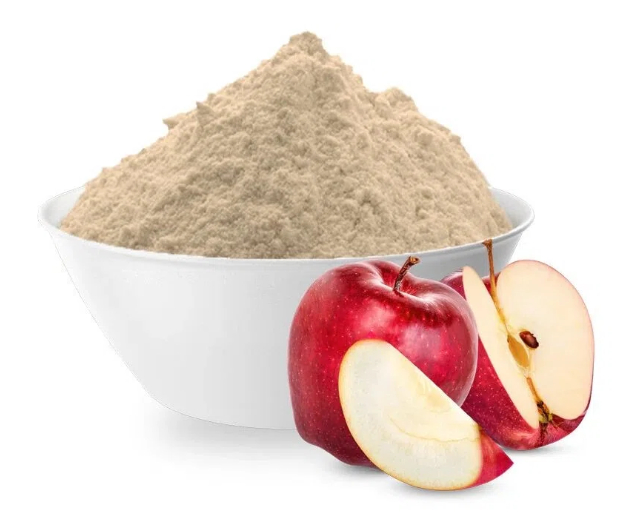
The production process utilized by leading pectin manufacturers and suppliers in Germany blends advanced technology with traditional craftsmanship. Pectin is primarily derived from apple pomace or citrus peels through acid extraction followed by purification and drying. The type of pectin—high-methoxyl or low-methoxyl—depends on the esterification level, which influences its gelling properties and applications.
At Herbstreith & Fox, for example, customized extraction methods allow the creation of pectin with specific functionalities suitable for low-sugar fruit spreads or dairy stabilizers. Cargill's technologies emphasize gentle extraction to retain natural integrity, optimizing the product for label-friendly food formulations. Meanwhile, Tate & Lyle integrates energy-efficient processing systems, ensuring consistent gel strength and stability under various conditions.
The result is a portfolio of natural, biodegradable ingredients that meet the evolving needs of modern food producers seeking texture enhancement and plant-based alternatives to synthetic thickeners.
Pectin's versatility explains its growing demand among pectin manufacturers and suppliers and their partners. One of its most traditional uses is in jams and jellies, where high-methoxyl pectin reacts with sugar and acid to form a gel. Low-methoxyl pectin, on the other hand, sets in the presence of calcium ions—ideal for low-sugar preparations that meet modern health expectations.
In dairy applications, pectin stabilizes yogurt drinks, prevents whey separation, and improves mouthfeel. Beverage formulations rely on pectin to maintain particle suspension and create cloud stability in juices. Confectionery companies use pectin for soft candies and gummies due to its elastic texture and heat resistance. Because all these uses align with clean-label and plant-based trends, German pectin specialists maintain an edge in both innovation and quality.
Beyond food, pectin manufacturers and suppliers in Germany have developed pharmaceutical-grade pectin used in controlled drug release systems, wound care, and dietary supplements. In pharmaceuticals, pectin's gelling properties help form protective coatings that regulate the release of active ingredients.
In nutraceuticals, pectin serves as a soluble dietary fiber that supports digestive health and cholesterol management. It's increasingly used in gut-health formulations and prebiotic products. Cosmetic manufacturers also incorporate pectin as a natural emulsifier in creams and lotions, leveraging its biocompatibility and sustainable origin.
Germany's leading pectin manufacturers and suppliers set industry benchmarks for sustainability. Herbstreith & Fox promotes a closed-loop system by sourcing raw materials from fruit residue, limiting landfill impact. Cargill's Malchin plant not only runs on green electricity but also reuses production residues in local biogas facilities, fostering circular economy principles.
Tate & Lyle's initiatives include community engagement, educational programs, and a corporate roadmap to achieve carbon neutrality across its operations by 2030. Across the sector, pectin companies prioritize transparent supply chains, reduced water consumption, and minimal energy inputs—all integral to maintaining their reputation as responsible ingredient producers.
The global pectin market is expanding rapidly, driven by consumer preference for natural, plant-based, and allergen-free ingredients. Demand for pectin has surged in bakery fillings, low-sugar jams, and vegan confectionery. German pectin manufacturers and suppliers are responding with innovations in reduced-sugar formulations, instant pectin for cold applications, and multifunctional blends combining pectin with dietary fibers or polyols.
Advancements in enzyme-assisted extraction and microencapsulation are opening new horizons for pectin's use in pharmaceuticals and functional foods. With robust R&D investments and partnerships with universities, Germany continues to lead the way in pectin technology, ensuring its manufacturers stay competitive in the global marketplace.
Quality assurance remains a hallmark of top pectin manufacturers and suppliers in Germany. Most production facilities operate under ISO, HACCP, Halal, and Kosher standards, ensuring traceability, purity, and regulatory compliance. Herbstreith & Fox maintains stringent testing across every batch, while Cargill and Tate & Lyle align with European Food Safety Authority (EFSA) and U.S. FDA guidelines, reinforcing their global credibility.
German pectin manufacturers and suppliers export globally, with strong distribution across Europe, North America, and Asia. Their products are integral to multinational brands producing jams, dairy beverages, confectioneries, and nutrition supplements. Companies such as Herbstreith & Fox maintain subsidiaries and distribution centers worldwide, ensuring consistent customer support and product availability.
Cargill's global logistics capability allows it to supply bulk quantities efficiently, while Tate & Lyle's expanded pectin division now covers over 100 countries. This extensive reach, combined with technical consultation and application expertise, continues to strengthen Germany's position as the world's leading pectin production base.
As the food and health sectors continue to evolve, the future for pectin manufacturers and suppliers in Germany looks promising. The growing market for natural stabilizers and fiber-rich formulations guarantees long-term demand. Digitalization and biotechnological advancements will further enhance production efficiency, traceability, and customization.
Collaborations between pectin producers, universities, and technology centers will likely drive breakthroughs in pectin functionality, sustainability, and health-oriented applications. With continued focus on innovation and environmental care, German pectin producers are set to maintain their global leadership well into the future.
Germany's thriving network of pectin manufacturers and suppliers, including pioneering companies like Herbstreith & Fox, Cargill, and Tate & Lyle, demonstrates the nation's unique blend of tradition, technology, and eco-consciousness. From food gelling to pharmaceutical innovation, these companies continue to redefine the standards of quality and sustainability in pectin production. Their advanced processes, rigorous quality assurance, and responsible sourcing ensure that customers worldwide benefit from safe, natural, and high-performance pectin. For any business seeking reliable, innovative, and sustainable pectin solutions, Germany remains the destination of choice.
The leading pectin manufacturers and suppliers in Germany include Herbstreith & Fox, Cargill Deutschland, and Tate & Lyle Großenbrode. These companies specialize in producing apple and citrus pectin for the food, beverage, and pharmaceutical industries.
German pectin manufacturers and suppliers produce a wide range of pectin types, including high-methoxyl, low-methoxyl, amidated, and instant pectin variants. Each type offers unique gelling and stabilizing properties suited to different applications.
They employ practices such as using renewable energy, valorizing fruit waste, recycling process water, and reducing carbon emissions. For example, Cargill's Malchin facility and Herbstreith & Fox both utilize biogas systems and sustainable raw materials.
German pectin manufacturers and suppliers serve the food, beverage, pharmaceutical, and cosmetics industries. Applications range from jams, jellies, and dairy products to health supplements and personal care formulations.
International buyers can contact major producers directly or work through distributors like TER Chemicals or C.E. Roeper. These companies offer OEM/ODM services, technical assistance, and logistics support tailored to global market needs.


