
Views: 222 Author: Sara Publish Time: 2025-12-16 Origin: Site


Content Menu
● Introduction to Pea Protein in Australia
● Why Work with Australian Pea Protein Manufacturers and Suppliers
● Market Overview: Pea Protein in Australia
● Product Types from Pea Protein Manufacturers and Suppliers
● Leading Pea Protein Manufacturers and Suppliers in Australia
>> Australian Plant Proteins (APP)
>> Biodome Functional Foods / The Protein Factory
>> Global Multinationals Serving the Australian Market
● How Overseas Brands Collaborate with Australian Pea Protein Manufacturers and Suppliers
● Application Opportunities Across Industries
● Functional Benefits of Pea Protein
● Sustainability and Traceability Advantages
● Quality, Compliance and Certification
● How Functional Ingredient Partners Complement Pea Protein Manufacturers and Suppliers
● Practical Tips for Working with Pea Protein Manufacturers and Suppliers
● FAQ
>> 1. What factors matter most when selecting pea protein manufacturers and suppliers in Australia?
>> 2. Can Australian pea protein manufacturers and suppliers support turnkey OEM/ODM projects?
>> 3. Are Australian pea protein ingredients suitable for sugar‑reduced or sugar‑free formulations?
>> 4. How do Australian pea protein manufacturers and suppliers address sustainability requirements?
Australia has become one of the most dynamic regions in the world for plant‑based nutrition, and pea protein manufacturers and suppliers are at the center of this growth. Pea protein manufacturers and suppliers in Australia serve sports nutrition brands, plant‑based meat innovators, beverage companies, and health‑focused food producers looking for sustainable, allergen‑friendly protein sources.[2]

The Australian pea protein market sits within a broader shift toward plant‑based and flexitarian diets, driven by consumer interest in health, sustainability and animal‑welfare concerns. Pea protein manufacturers and suppliers in Australia operate in a tightly regulated food environment, which helps ensure consistent quality, traceability and safety for both domestic and export markets.[4][1]
For international buyers, Australia offers not only raw pea protein ingredients but also a mature ecosystem of blenders, contract manufacturers and formulation experts. Pea protein manufacturers and suppliers can support brand owners with tailored solutions for taste, texture, nutrition and labeling claims.
Australia's pea protein manufacturers and suppliers benefit from access to high‑quality pulses, reliable infrastructure and advanced processing technologies. The combination of agricultural strength and technical expertise makes the country attractive for brands that need both stable supply and innovative product development support.[5][2]
In practice, working with pea protein manufacturers and suppliers in Australia can deliver several advantages:
- Reliable sourcing from a country known for strict food safety and export standards.[5]
- Clean‑label, often non‑GMO and allergen‑friendly ingredients that respond to global consumer trends.[3]
- Access to formulation and OEM/ODM services that reduce development time and technical risk for overseas brands.[4]
The Australian pea protein segment is expanding at a strong pace as plant‑based products become mainstream in retail and foodservice channels. Market reports highlight robust growth for pea protein in sports nutrition, ready‑to‑drink beverages, plant‑based meat, bakery, snacks and dairy alternatives, reflecting its versatility and favorable nutritional profile.[3]
Pea protein manufacturers and suppliers in Australia respond to this demand with a range of ingredient types, including isolates, concentrates and textured formats. Many also develop customized blends that combine pea protein with other plant proteins, fibers or starches to improve functionality in specific applications.[2]
Pea protein manufacturers and suppliers in Australia typically offer several core product types, each suited to different end uses. Understanding these categories helps buyers select the right ingredient for their projects.
- Pea Protein Isolate: High‑purity powders with elevated protein content, used in shakes, RTD drinks, high‑protein snacks and clinical nutrition where formulation space is limited.
- Pea Protein Concentrate: Slightly lower protein levels but often better cost in use, suitable for bakery, snacks and some meat analogue applications.
- Textured Pea Protein: Granules, chunks or mince‑like pieces that hydrate and mimic the bite of meat, commonly used in burgers, sausages and plant‑based mince.
- Pea Protein Blends: Systems where pea protein is combined with other plant proteins (such as faba bean or rice) or with fibers and gums to optimize texture, solubility and sensory experience.
Pea protein manufacturers and suppliers may also offer different particle sizes, instantized grades and flavor‑optimized versions designed for demanding applications such as flavored RTD beverages.
This section highlights several key players that are active in the plant protein space in Australia and are relevant for buyers seeking pea protein manufacturers and suppliers or related plant‑based ingredient partners.
Australian Plant Proteins (APP) operates a dedicated plant‑based protein processing facility in Horsham, Victoria, focused on high‑quality plant protein powders for food, beverage and nutrition markets. The company is recognized as part of Australia's push to capture more value from locally grown pulses by transforming them into advanced protein ingredients.[8]
APP's capabilities highlight what buyers can expect from sophisticated pea protein manufacturers and suppliers in Australia: modern extraction technologies, quality management systems and scalable production suitable for both domestic brands and export customers. For companies seeking to build blended plant protein systems or to source from an Australian hub, this type of partner is particularly important.
Integrity Food Co is a contract manufacturer and innovation partner that works across dairy and plant‑based proteins. The company supports retail brands and private label customers with formulation, blending and manufacturing services, and positions itself as a high‑standard protein manufacturer in Australia.
Although not limited to pea protein alone, Integrity Food Co can cooperate closely with pea protein manufacturers and suppliers to transform raw protein ingredients into finished products such as powders, blends and nutraceutical items. For overseas brands, this makes it possible to handle both ingredient sourcing and product manufacturing within the Australian ecosystem.
The Protein Factory, supplied and manufactured by Biodome Functional Foods in Victoria, focuses on locally made vegan pea protein isolate products. These products combine pea protein with other components like gums, flavours and sweeteners to deliver good mixability and taste in finished consumer powders.
This illustrates the expertise of Australian pea protein manufacturers and suppliers in areas such as flavor masking, sweetness systems and texture optimization. For some brand owners, cooperation with such partners can extend to white‑label or co‑branded products, leveraging existing formulas and production lines to reach market quickly.
Integra Foods supplies plant‑based protein and flour ingredients with a strong focus on Australian‑grown faba bean proteins and flours. While it is not exclusively a pea protein producer, its business model and capabilities mirror those of many pea protein manufacturers and suppliers: bulk ingredient supply, technical support and collaboration with innovative food manufacturers.
Because faba bean protein is often combined with pea protein in multi‑protein systems, Integra Foods provides a good example of how Australian ingredient suppliers help brands design complementary protein profiles and improved textures. Such combinations can enhance amino acid balance and broaden application options.
Large international ingredient companies such as ADM, Cargill, Ingredion and Kerry Group have strong positions in the plant protein sector and serve the Australian market with a variety of protein solutions, including pea protein. These global pea protein manufacturers and suppliers offer large‑scale capacity, technical teams and cross‑regional supply chains that appeal to multinational brands.[2]
In many cases, brands will source pea protein from these global players while partnering with Australian blenders or contract manufacturers for region‑specific product formats and local market adaptation. This combination enables consistent specifications across countries together with localized flavor and regulatory alignment.
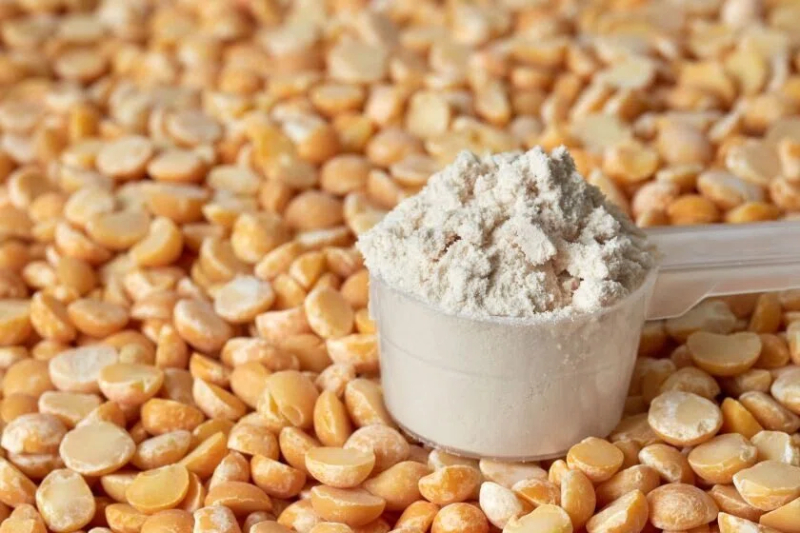
For international food, beverage and healthcare manufacturers, Australia can play multiple roles in the pea protein value chain. Pea protein manufacturers and suppliers in Australia can act as ingredient providers, co‑developers or full‑service OEM/ODM partners depending on the project.
Typical collaboration models include:
1. Bulk Ingredient Purchases
Overseas manufacturers can directly procure pea protein isolates, concentrates or textured ingredients from Australian pea protein manufacturers and suppliers and then conduct blending and processing in their own facilities. This model suits companies with existing production capacity that want to diversify their protein sourcing base.[3]
2. Joint Formulation Projects
Brands that require support with taste, solubility, stability or nutrition claims can work closely with Australian partners that specialize in protein formulation, beverage systems and powdered nutrition products. In such projects, pea protein manufacturers and suppliers collaborate with flavor houses and functional ingredient experts to co‑create market‑ready recipes.
3. OEM/ODM and Private Label Solutions
Some Australian manufacturers offer end‑to‑end services including ingredient sourcing, formulation, production and packaging for both small and large brands. Pea protein manufacturers and suppliers within this network can provide turnkey solutions for sports nutrition powders, functional drinks, protein‑rich snacks and even specialized medical nutrition formats.
Pea protein manufacturers and suppliers in Australia serve a broad range of sectors, and each industry places slightly different demands on functionality, taste and regulatory support. Understanding these differences helps brands structure their briefs and technical requirements.[2]
Key sectors include:
- Sports and Active Nutrition: High‑protein shakes, RTD beverages, recovery drinks, protein bars and functional snacks focused on performance and muscle support.
- Plant‑Based Meat and Seafood Analogues: Burgers, sausages, nuggets, mince and hybrid products using textured pea protein alone or in combination with other plant proteins.
- Bakery and Snacks: High‑protein breads, cookies, crackers and extruded products that use pea protein concentrates or isolates to enhance protein content without compromising texture.
- Dairy Alternatives: Plant‑based milks, yogurts, cheeses and ice creams where pea protein contributes body, creaminess and nutritional density.
- Medical and Specialized Nutrition: Products designed for specific dietary needs (such as dairy‑free, gluten‑free or low‑allergen formulas) that require carefully selected pea protein ingredients with reliable digestibility and documented quality.
Pea protein manufacturers and suppliers often offer application support for these sectors, including prototype development, pilot trials and guidance on processing conditions like hydration, shear and heat treatment.
From a formulation perspective, pea protein offers multiple functional advantages that explain why pea protein manufacturers and suppliers in Australia highlight it so strongly. It is valued for its relatively neutral flavor profile, good emulsification properties and ability to contribute to structure in products like burgers and baked goods.[3]
Additionally, pea protein is naturally free from common allergens like dairy, soy and gluten, making it attractive for "free‑from" formulations and for consumers with specific intolerances. Its amino acid profile, while often complemented with other plant proteins for optimal balance, supports a range of nutrition claims. This combination of functionality and nutrition allows pea protein manufacturers and suppliers to serve both mainstream and specialized product categories.
Sustainability is a core driver of demand for plant‑based protein, and Australian pea protein manufacturers and suppliers benefit from the country's strong agricultural base and focus on environmental stewardship. Legumes such as peas and related pulses fix nitrogen in the soil, supporting soil health and reducing the need for synthetic fertilizers.[1]
Many producers emphasize:
- Use of locally grown pulses and, in some cases, regenerative or conservation‑focused farming practices.[9]
- Transparent documentation and traceability from farm to finished ingredients, which is increasingly required by retail and foodservice customers.[9]
- Reduced greenhouse‑gas emissions compared with animal‑derived proteins, helping brand owners communicate credible sustainability stories to consumers.[3]
These strengths make Australian pea protein manufacturers and suppliers attractive partners for companies with ambitious ESG targets and sustainability reporting requirements.
Food safety and regulatory compliance are critical considerations when selecting pea protein manufacturers and suppliers in any region, and Australia's regulatory framework is recognized as rigorous. Producers typically operate under systems that may include HACCP‑based food safety programs and adherence to relevant local and export regulations.[4]
For overseas buyers, it is important to confirm:
- The manufacturer's certifications and audit history relevant to the intended markets.
- Allergen control procedures, cross‑contamination management and labeling practices.
- Availability of documentation such as specifications, certificates of analysis and technical data sheets for each pea protein ingredient.
Pea protein manufacturers and suppliers that can demonstrate strong quality management and regulatory understanding are better placed to support long‑term partnerships and new product launches.
Beyond the protein itself, modern product concepts often require integrated systems of sweeteners, polyols, fibers, flavors and stabilizers. In these cases, collaboration between pea protein manufacturers and suppliers in Australia and specialized functional ingredient factories can add significant value.
Such functional ingredient partners can:
- Design natural sweetening systems that pair effectively with pea protein to deliver pleasant taste profiles in low‑sugar or sugar‑free products.
- Provide functional polyols and dietary fibers that enhance mouthfeel, manage water activity and support claims like "high fiber" or "supports digestive health".
- Offer tableting and advanced dosage‑form technologies that allow pea protein to be used in chewable tablets, effervescent formats or other convenient delivery systems.
When combined with the capabilities of Australian pea protein manufacturers and suppliers, this creates a comprehensive platform for brands seeking innovative, health‑oriented formulations for global markets.
To maximize success when collaborating with pea protein manufacturers and suppliers in Australia, brands can follow several practical steps:
- Prepare clear application briefs that specify target markets, regulatory constraints, desired claims and sensory expectations.
- Request small‑scale samples and pilot‑scale support to test pea protein performance in real manufacturing conditions.
- Discuss possible synergies between pea protein and other ingredients such as fibers, sweeteners and emulsifiers early in the project.
- Consider long‑term supply agreements when planning large launches to secure capacity with preferred pea protein manufacturers and suppliers.
These steps help align expectations and streamline the journey from concept to commercialization.
Australia has emerged as a strategic hub for pea protein manufacturers and suppliers thanks to strong agriculture, advanced processing facilities, and a rapidly growing plant‑based consumer base. For international brands in food, beverage and healthcare, partnering with Australian pea protein manufacturers and suppliers – and integrating their ingredients with specialized sweetener, polyol and fiber systems – enables differentiated, sustainable and market‑ready products that meet modern consumer expectations. As global demand for clean, allergen‑friendly and environmentally responsible protein solutions accelerates, Australia's role in the pea protein value chain is likely to expand further, offering new opportunities for long‑term collaboration and innovation.[1][3]

Key factors include raw material origin, protein content, functionality, certifications, food safety systems and experience with export markets. Buyers should also consider technical support capabilities, responsiveness, and the ability of pea protein manufacturers and suppliers to tailor ingredients or blends to specific application needs.
Yes, several Australian companies provide integrated services from ingredient sourcing and formulation to blending, filling and packaging under OEM and ODM models. This allows overseas brands to develop private‑label or custom products that leverage local expertise while minimizing in‑house manufacturing investment.
Australian pea protein ingredients generally have a neutral or mild flavor and can be paired effectively with natural sweeteners and polyols to build low‑sugar or sugar‑free products. By collaborating with functional ingredient specialists as well as pea protein manufacturers and suppliers, brands can create products that deliver both strong nutrition and a pleasant taste profile.[2]
Many producers use locally grown pulses and promote sustainable or regenerative farming practices, which support soil health and reduce the environmental footprint of protein production. In addition, Australian pea protein manufacturers and suppliers often provide traceability, documentation and data that help brand owners substantiate sustainability and ESG claims.[5]
Key industries include sports and active nutrition, functional beverages, plant‑based meat, high‑protein bakery and medical or specialized nutrition. In each segment, pea protein manufacturers and suppliers in Australia can offer tailored ingredient solutions, application support and, in many cases, OEM or private‑label options to accelerate product launches.[3]


