
Views: 222 Author: Sara Publish Time: 2025-11-14 Origin: Site


Content Menu
● Understanding monk fruit extract
● Core capabilities of top players
● Evaluation criteria for selecting partners
● Applications across industries
● Formulation and product development considerations
● Practical considerations for OEM/ODM collaborations
● Case for Malaysia-based monk fruit suppliers
● FAQ
>> 1. What is monk fruit extract, and how is it used in Malaysia-based manufacturing?
>> 2. Are monk fruit extracts in Malaysia suitable for international export and private labeling?
>> 3. What mogroside purity levels are commonly offered by Malaysian suppliers?
>> 4. What regulatory considerations apply to monk fruit extracts in major markets?
>> 5. How can I determine the right monk fruit blend for my product category?
Monk fruit extract has become one of the most sought-after natural sweeteners in global markets, especially for foods, beverages, and health-focused products. This article provides a comprehensive overview of monk fruit extract manufacturers and suppliers in Malaysia, focusing on how these partners support foreign brands, OEMs, and contract manufacturers with blended sweeteners, tablet production, and OEM/ODM services. The discussion emphasizes product quality, regulatory readiness, scalable manufacturing, and collaborative development to meet clean-label trends.

Monk fruit extract is derived from Luo Han Guo fruit and delivers intense sweetness with very low or zero calories. The active sweet compounds, mogrosides, provide a sugar-like taste profile with fewer calories, making it attractive for low-sugar formulations. In Malaysia, multiple manufacturers emphasize standardized mogroside content, batch-to-batch consistency, and flexibility to create private-label and customized blends for different product formats. This alignment with international quality expectations is crucial for exporters and contract manufacturers serving overseas markets.
Malaysian suppliers play a vital role in the regional supply chain for natural sweeteners. The country's agro-based resources, combined with modern extraction and purification capabilities, enable reliable sourcing of monk fruit ingredients and related turnkey solutions. For foreign manufacturers seeking to outsource formulation work, Malaysia offers proximity to Southeast Asian logistics networks, favorable lead times, and clear QA documentation to support export requirements. The market also benefits from a growing ecosystem of GMP-compliant facilities, HACCP-driven processes, and strong emphasis on traceability and safety documentation to meet diverse regulatory standards.
- Custom blending and private-label options: Leading Monarch Fruit Extract Manufacturers And Suppliers in Malaysia provide a spectrum of product forms, from pure mogroside-rich powders to ready-to-use blends with other natural sweeteners or functional ingredients. This supports OEM/ODM programs that require label-friendly formulations and tailored sweetness profiles.
- Regulatory compliance and documentation: Reputable partners typically offer Certificates of Analysis (COAs), third-party testing results, and documentation that aids market-entry strategies in North America, Europe, and Asia. This reduces regulatory friction for international clients seeking to private-label or co-develop products.
- Form factors for diverse applications: Suppliers specifically cater to powders, liquids, syrups, and tablet-ready formats, enabling manufacturers to integrate monk fruit sweeteners into beverages, foods, and nutraceuticals with ease.
- Technical support and sensory optimization: Technical teams assist with sweetness equivalence, flavor masking, and stability studies across various matrices, ensuring products retain quality during storage and distribution.
- Product range and customization potential: A strong partner offers a range of mogroside content levels and compatibility with private-label programs, as well as ready-to-use blends designed for beverages, foods, and supplements.
- Regulatory readiness and documentation: Prioritize suppliers who can provide robust regulatory support materials, including country-specific labeling guidance and compliance attestations.
- Supply chain reliability and scale-up capability: Assess lead times, minimum order quantities, production capacity, and contingency plans to handle demand fluctuations.
- Technical collaboration and pilot support: Favor partners who can run pilot batches, assist with formulation development, and support scale-up from lab to full production.
- Quality assurance framework: Look for ISO/GMP certifications, HACCP plans, and traceability systems that ensure consistent product quality and safety across all batches.

- Beverages: Monk fruit extract is well-suited for ready-to-drink teas, flavored water, and functional drinks where clean-label sweetness is prioritized.
- Confectionery and baked goods: It enables sugar reduction in candies, chocolates, cookies, and bakery items while maintaining mouthfeel and palatability.
- Dairy alternatives and snacks: Suitable for plant-based milks, yogurts, and snack bars seeking reduced sugar without sacrificing taste.
- Health and nutraceuticals: In tablet or capsule formulations, monk fruit extract can contribute sweetness without adding bulk, facilitating consumer-friendly dosage forms.
- Sweetness equivalence and taste profile: Conduct sensory benchmarking to match consumer expectations for sweetness intensity and onset, balancing the perceived sweetness with flavor teams' goals.
- Stability and shelf-life: Evaluate how mogroside-rich extracts behave under varying temperatures, humidity, and storage conditions to ensure consistent taste over time.
- Labeling and health claims: Align product formulations with clean-label branding while ensuring accurate ingredient declarations and compliant health claims in target markets.
- Allergen and cross-contamination controls: Maintain strict facility separation where needed and verify supplier QA measures to protect sensitive consumer groups.
- Define the target markets and regulatory pathways early in the engagement to tailor documentation and labeling strategies.
- Establish a clear product specification sheet (PDS) that covers mogroside content, impurities, moisture, microbial limits, and packaging requirements.
- Set practical timelines for development cycles, from formulation trials through pilot runs to full-scale production, with agreed milestones and success criteria.
- Ensure robust IP protection and confidentiality agreements to safeguard proprietary blends and processes.
- Plan for ongoing QA and post-launch support, including stability monitoring and customer feedback loops.
- Proximity benefits: Regional suppliers reduce logistics complexity for international clients and can facilitate faster response times for sample requests and pilot runs.
- Collaborative capacity: Malaysian partners often blend global best practices with local expertise, enabling efficient customization for varied flavors, textures, and usage contexts.
- Cost considerations: Competitive pricing, combined with scalable production, helps international brands manage cost structures while maintaining product quality and regulatory compliance.
Malaysia-based Monk Fruit Extract Manufacturers And Suppliers offer a compelling combination of technical capability, regulatory readiness, and flexible collaboration models that suit foreign brands, OEMs, and contract manufacturers. By selecting partners with a strong emphasis on quality, traceability, and customized formulation support, international buyers can achieve scalable, compliant, and market-ready monk fruit solutions that align with clean-label trends and consumer expectations.
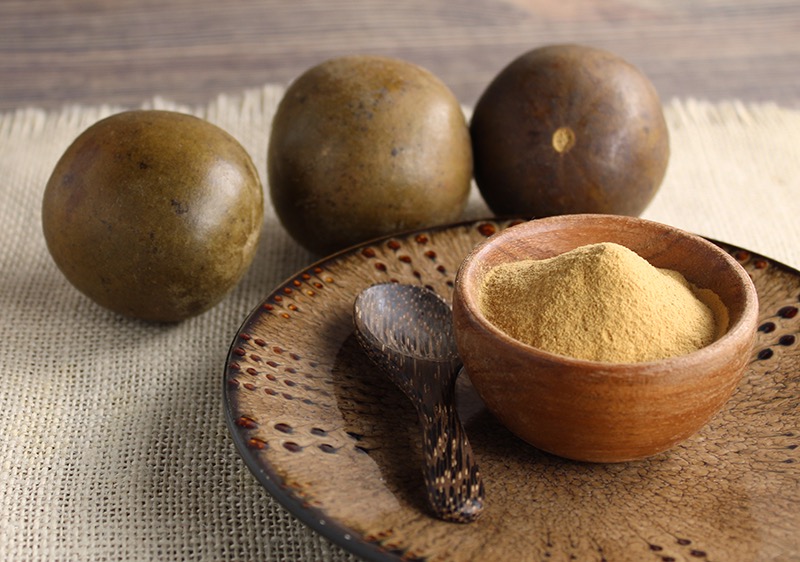
Monk fruit extract is a natural high-intensity sweetener derived from Luo Han Guo, used in powders, liquids, and formulations to replace sugar with fewer calories while maintaining taste. Manufacturers in Malaysia offer multiple purity grades and customized blends for beverages, foods, and supplements.
Yes. Reputable Malaysian suppliers provide GMP-compliant production, COAs, and private-label capabilities to support international brands and contract manufacturers.
Common options include varying mogroside contents (I–III portions) with purity levels adjusted for specific applications, from standard grades to higher-purity extracts for sensitive formulations.
Regulatory requirements differ by market; buyers should verify GRAS status, EFSA approvals where applicable, and ensure labeling compliance for the target country.
Start with target sweetness level, flavor impact, and calorie targets; conduct sweetness equivalence testing, stability studies, and sensory panels to select the optimal blend with the supplier's technical support.
[1](https://www.linkedin.com/pulse/in-depth-analysis-monk-fruit-extract-industry-chain-nutramax--igghc)
[2](https://saraya.world/news/consumer-news/visiting-lakanto-s-monk-fruit-farms)
[3](https://kgfoodco.com/blogs/news/monk-fruit)
[4](https://monkfruitcorp.com/all-natural-process/)
[5](https://monkvee.com/blogs/monkvee-news/the-ultimate-guide-to-monk-fruit-processing)
[6](https://monkfruit.org/all-natural-process/)
[7](https://www.apfoodonline.com/industry/monk-fruit-a-new-natural-sweetener/)
[8](https://onlinelibrary.wiley.com/doi/full/10.1002/er.5007)
[9](https://greenhouseflavour.com/monk-fruit-natural-sweetener-for-healthy-bake/)
[10](https://www.imarcgroup.com/monk-fruit-extract-manufacturing-plant-project-report)


