
Views: 222 Author: Sara Publish Time: 2025-11-14 Origin: Site


Content Menu
● Manufacturer Profiles and Capabilities
>> Large-scale extraction and customization
>> Private-label and contract manufacturing
>> Certification-focused producers
● Quality, Certifications, and Compliance
● Formulations and Applications for Overseas Manufacturers
● Formulation Development and Collaboration Opportunities
● Case Study Scenarios (Hypothetical, for illustration)
● Operational Considerations for OEM/ODM Partnerships
● FAQ
>> 1. What is Monk Fruit Extract, and why is it used as a sweetener in Japan?
>> 3. What certifications should overseas buyers look for when sourcing Monk Fruit Extract from Japan?
>> 5. How can a supplier assist with OEM/ODM for blended-sweetener development and tablet production?
This article surveys leading Monk Fruit Extract manufacturers and suppliers with a focus on Japan, detailing market dynamics, product forms, quality assurances, and collaboration models for overseas manufacturers. It also highlights how our Chinese health-solution factory—specializing in natural sweeteners, functional polyols, and dietary fibers—can partner in blended-sweetener development, tablet manufacturing, and OEM/ODM services to international clients seeking reliable Monk Fruit-based solutions.

Monk Fruit Extract, derived from Siraitia grosvenorii, is renowned for intense sweetness with near-zero calories. The extract contains mogrosides, which provide a clean sweetness profile with minimal aftertaste when properly processed. Applications span beverages, baked goods, dairy products, nutritional supplements, and health-oriented foods. For manufacturers, monk fruit offers stable sweetness, compatibility with other sweeteners, and a compelling clean-label narrative that resonates with health-conscious consumers.
Japan presents a mature yet evolving landscape for natural sweeteners. Growing demand for clean-label, low- or zero-calorie options intersects with regulatory expectations and consumer trends toward wellness. Japanese manufacturers often emphasize high-quality standards, traceability, and certifications, making partnerships with reliable Monk Fruit Extract suppliers in Japan attractive for international contract manufacturers and private-label ventures.
The following profiles summarize the types of capabilities you may encounter among leading Monk Fruit Extract manufacturers and suppliers connected to Japan. Each entry highlights core strengths relevant to overseas partners, including product forms, customization options, and collaboration models. Note: the list prioritizes profiles with export activity and domestic supply familiarity; exact company names and current certifications should be verified in real-time for procurement.
Core capabilities: End-to-end extraction of mogrosides, purification, and formulation into powder and liquid forms; capability to produce standardized glycoside content (e.g., mogroside V) for consistent sweetness.
Benefits for partners: Stable supply, scalable manufacturing, and options for private-label blends or OEM/ODM projects.
Collaboration focus: Joint development of blended-sweetener systems tailored to target markets, including tablet-ready formats.
Core capabilities: Private-label partnerships, private-formulation development, and contract manufacturing of powder blends and liquid concentrates suitable for beverages and foods.
Benefits for partners: Fast-track entry into markets via established packaging and labeling frameworks.
Collaboration focus: Co-development of sugar-replacement solutions with labeling compliant to overseas markets; formulation optimization for taste and mouthfeel.
Core capabilities: Research and development for taste masking and mouthfeel optimization when combined with other natural sweeteners such as erythritol or stevia glycosides.
Benefits for partners: Enhanced consumer acceptance through balanced sweetness and reduced aftertaste.
Collaboration focus: OEM/ODM for blended-sweetener platforms, including powder blends and tablet-ready products.
Core capabilities: End-to-end supply chain management, rapid sampling programs, and flexible lead times for small to large orders.
Benefits for partners: Reduced risk in demand planning and improved responsiveness to market fluctuations.
Collaboration focus: Long-term supply contracts, MOQ considerations, and collaborative forecasting.
Core capabilities: Emphasis on certifications and dietary-compliance (e.g., halal, kosher, allergen controls) and robust documentation for export.
Benefits for partners: Simplified regulatory clearance and smoother market entry.
Collaboration focus: Documentation packages, regulatory support, and precise labeling guidance.
- Certifications to prioritize: GMP, HACCP, ISO 9001, ISO 22000, and any jurisdiction-specific approvals for food safety and dietary use.
- Testing and purity: Verification of mogroside content (notably mogroside V), heavy metals screening, pesticide residues, microbial limits, and allergen controls.
- Regulatory labeling: Accurate ingredient naming and allergen declarations aligned with target market regulations; documentation such as COAs and GMP attestations should accompany shipments.
- Sustainability considerations: Transparent sourcing practices and evidence of responsible cultivation can be advantageous in private-label partnerships and ESG-focused buyers.
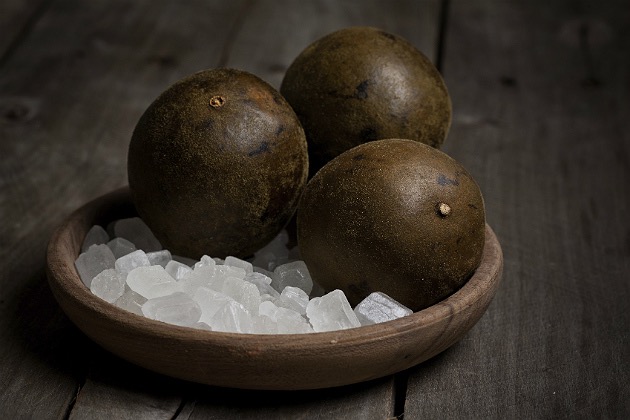
- Blended-sweetener strategies: Monk Fruit Extract is frequently combined with erythritol, xylitol, or steviol glycosides to balance sweetness intensity, reduce aftertaste, and tailor mouthfeel for different product categories.
- Product forms: Powder blends, agglomerated or instant blends, and liquid concentrates suitable for food, beverage, and pharmaceutical tablet applications.
- Tablet-ready formats: For OEM/ODM partners, monk fruit-based blends can be formulated into tablets or sachets, with attention to stability, disintegration, and nutritional labeling requirements.
Applications across categories:
- Beverages: ready-to-m drink formulations, flavors, and sugar-reduction programs.
- Baked goods: sugar reduction while maintaining texture and browning profiles.
- Dairy and frozen desserts: improved solubility and mouthfeel without added sugars.
- Nutrition and supplements: convenient formats for on-the-go consumption.
- Co-development pathways: Work with Japanese suppliers to design blended-sweetener systems tailored to local taste preferences and regulatory guidelines, then scale through your OEM/ODM capabilities.
- Pilot testing: Conduct small-batch evaluations to optimize sweetness equivalence, aftertaste, and mouthfeel before mass production.
- Customization options: Request purity grades, particle size customization for powders, and liquid concentrate concentrations that align with tablet or sachet production.
- Documentation support: Leverage supplier documentation (COAs, MSDS, regulatory dossiers) to streamline regulatory submissions in overseas markets.
- Due diligence steps: Verify supplier certifications, conduct site visits or audits, request reference customers, and review COAs and third-party lab results.
- Risk management: Analyze supply stability, pricing, and lead times; establish contingency plans for raw material fluctuations.
- Intellectual property considerations: Ensure clarity on formulation rights, confidential development agreements, and non-disclosure commitments when collaborating on OEM/ODM projects.
- Scenario A: An overseas beverage manufacturer partners with a Japanese Monk Fruit Extract supplier to develop a low-sugar juice using a dual-sweetener system, achieving a 30–40% sugar reduction while preserving mouthfeel.
- Scenario B: A private-label snack producer engages in a blended-sweetener program to replace added sugars with monk fruit-based powders, achieving clean-label status and compliant labeling for multiple markets.
- Scenario C: A pharmaceutical tablet OEM collaborates on a monk fruit-based tablet formulation with stability testing and regulatory documentation tailored to international markets.
- Lead times and minimum order quantities: Align expectations early to avoid production bottlenecks; negotiate flexible MOQs for pilot programs.
- Packaging and labeling: Ensure packaging formats and labeling comply with destination market regulations, including ingredient statements and nutritional disclosures.
- Technical support: Secure access to technical service teams for formulation optimization, stability data, and sensory evaluation guidance.
Monk Fruit Extract manufacturers and suppliers in Japan offer a diverse set of capabilities, from raw material sourcing and high-purity mogroside concentrates to private-label formulations and OEM/ODM collaboration for blended-sweetener systems. For overseas manufacturers seeking reliable supply, robust certifications, and R&D partnership, selecting partners with clear documentation, scalable processes, and a track record of customer collaboration can accelerate market entry and product development. Combining these strengths with a Chinese health-solution partner that specializes in natural sweeteners, functional polyols, and dietary fibers creates a powerful alliance for blended-sweetener development, tablet production, and comprehensive OEM/ODM services.
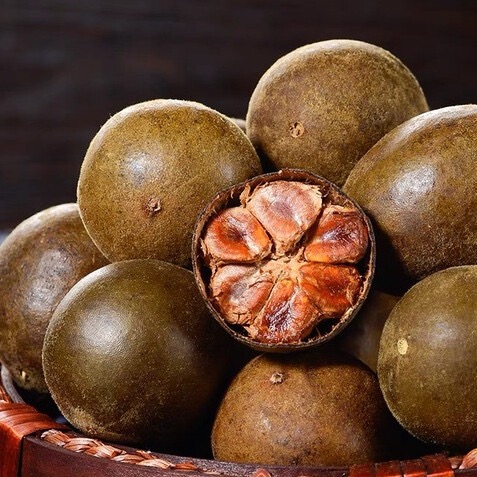
Monk Fruit Extract is a natural zero-calorie sweetener used in Japan for its intense sweetness and alignment with consumer demand for clean-label, healthy alternatives to sugar.
Monk Fruit Extract is significantly sweeter than most natural sweeteners like stevia, with a cleaner taste profile and minimal bitter aftertaste.
Overseas buyers should prioritize JAS (Japanese Agricultural Standard), ISO 22000, and relevant export certifications like USP or FDA compliance when sourcing Monk Fruit Extract from Japan.
Monk Fruit Extract is commonly available to manufacturers in powdered form (often blended with carriers like erythritol), liquid concentrates, and customized blends.
A supplier can assist with OEM/ODM by providing custom blended-sweetener formulation, technical support for tablet production, and scalable manufacturing to meet specific product requirements.
[1](https://monkvee.com/blogs/monkvee-news/the-ultimate-guide-to-monk-fruit-processing)
[2](https://www.lakanto.com/pages/monk-fruit-new)
[3](https://www.foodstandards.gov.au/sites/default/files/food-standards-code/applications/Documents/A1129%20SD1%20at%20approval.pdf)
[4](https://patents.google.com/patent/US20240285709A1/ja)
[5](https://www.instructables.com/Monk-Fruit-Extraction/)
[6](https://ific.org/insights/everything-you-need-to-know-about-monk-fruit-sweeteners/)
[7](https://pmc.ncbi.nlm.nih.gov/articles/PMC7008860/)
[8](https://www.thepharmajournal.com/archives/2023/vol12issue6/PartAI/12-6-289-851.pdf)
[9](https://www.linkedin.com/pulse/in-depth-analysis-monk-fruit-extract-industry-chain-nutramax--igghc)
[10](https://www.maxapress.com/data/article/fmr/preview/pdf/fmr-0024-0019.pdf)


