
Views: 222 Author: Sara Publish Time: 2025-11-10 Origin: Site


Content Menu
● Market landscape in Argentina
● Leading manufacturers and suppliers in Argentina
● Product attributes to consider
● Applications and formulation guidance
● OEM/ODM and collaboration advantages
● FAQ
>> 1. What is Monk Fruit Extract and why is it popular in Argentina?
>> 2. How to evaluate Monk Fruit Extract suppliers in Argentina?
>> 3. Can Monk Fruit Extract be used in OEM/ODM projects?
>> 4. What regulatory considerations apply to Monk Fruit Extract in Argentina?
>> 5. What are practical tips for formulating with Monk Fruit Extract in blends?
Monk Fruit Extract, also known as Luo Han Guo extract, has emerged as a leading natural sweetener in health-focused food and beverage applications. For foreign manufacturers sourcing Monk Fruit Extract, Argentina represents a dynamic market with growing demand, local processing capabilities, and a favorable regulatory environment for natural sweeteners. This article surveys the top Monk Fruit Extract manufacturers and suppliers in Argentina, highlights key product attributes, and provides practical guidance for OEM/ODM collaborations and blended sweetener development. Throughout, the term Monk Fruit Extract is emphasized to reflect its rising prominence in clean-label formulations, as well as its role in supporting dietary fiber, polyol blends, and other health-oriented ingredient solutions.

Argentina hosts a mix of multinational and domestic players engaged in Luo Han Guo and Monk Fruit-derived products, driven by demand from beverages, bakery, dairy, and health-food segments. The market emphasizes high-purity Monk Fruit Extract and reliable supply chains to meet large-volume production needs. Regulatory standards favor natural sweeteners with clear labeling and traceable sourcing. This section lays the groundwork for understanding who the leading suppliers are and how they position themselves in Argentina and beyond. Monk Fruit Extract plays a central role in satisfying consumer preferences for low- or no-sugar formulations, while enabling cleaner ingredient decks for international customers. The region's expanding interest in clean-label products reinforces the strategic value of Monk Fruit Extract within blended sweetener systems. Buyers increasingly seek partners who can provide technical support for formulation, regulatory clarity, and scalable supply. In addition, the growth of dairy, beverage, and snack applications in Latin America reinforces demand signals for Monk Fruit Extract as a premium natural sweetener that can replace or complement sugar in a wide range of products. The Argentina market is also influenced by regional supply networks, with local distributors complementing imported raw materials to create responsive cross-border supply chains. Partnerships with Argentine suppliers can shorten lead times and facilitate just-in-time production for foreign manufacturers, especially in pilot-scale testing and early market launches. By aligning with Argentine Monk Fruit Extract suppliers who offer robust QA/QC programs and transparent sourcing, foreign brands can achieve consistent product performance across batches. This interconnected landscape supports the broader trend toward natural, low-calorie sweeteners across Latin America, with Argentina acting as a pivotal hub for regional distribution and technical collaboration.
In Argentina, several players are recognized for Monk Fruit Extract production, importation, or distribution. Key factors for choosing suppliers include product potency (mogroside content), impurity profile, processing technology (extract vs concentrate), organic certification availability, and robust documentation for supply chain transparency. Companies that combine local processing with international sourcing often offer shorter lead times and more flexible MOQs for foreign manufacturers. For global buyers, partnerships with Argentine distributors who can provide technical support, formulation guidance, and regulatory clarification can streamline market entry and product development. Validating supplier certifications, quality control protocols, and batch traceability is essential to ensure consistent Monk Fruit Extract quality across campaigns. Suppliers frequently highlight the ability to deliver both conventional and organic Monk Fruit Extract, with various moisture contents and particle sizes to suit different end-use processes. A strong regional logistics framework, including cold-chain considerations for liquid concentrates and secure packaging for powders, further enhances the appeal of Argentine sources for multinational brands seeking reliable regional hubs. Domestic players may leverage proximity to South American markets to reduce lead times for testing and initial production runs, while international traders can capitalize on established import channels to service markets beyond Argentina's borders.
- Purity and potency: High-purity Monk Fruit Extract typically delivers intense sweetness with clean flavor profiles suitable for beverages and confectionery. Buyers should evaluate mogroside content, moisture, and absence of off-notes during formulation. In practice, mogroside V is a common potency marker, with higher percentages correlating to stronger sweetness.
- Form and convenience: Extract powder, liquid concentrate, and semi-finished blends are common. For cross-border OEM/ODM projects, powders with low clumping tendencies and good solubility are preferred for ease of mixing with other sweeteners or dietary fibers. Consistency in particle size distribution and flowability matters for tablet formulation and spray-drying processes.
- Regulatory readiness: Ensure certificates of analysis, non-GMO status (where relevant), food-grade packaging, and compliance with both Argentine regulations and international import rules. Organic-certified monk fruit products can command premium positioning where organic supply chains exist. Documentation should cover import tolerances, labeling requirements, and allergen declarations where applicable.
- Sensory profile and aftertaste: While Monk Fruit Extract is highly sweet, some batches may exhibit aftertaste or fruity notes depending on mogroside composition and processing. Blending strategies with polyols and fibers can mitigate any residual aftertaste and improve mouthfeel.
- Supply stability and traceability: Buyers should seek suppliers with clearly defined harvest, processing, and bottling traceability, plus consistent QA/QC procedures and lot-level documentation for batch-to-batch reliability.
- Beverages: Monk Fruit Extract is ideal for zero-sugar or reduced-sugar drinks, providing sweetness without significant calories or glycemic impact when used in appropriate blends. It pairs well with natural flavors and complementary sweeteners to achieve a satisfying sweet sensation without bitterness.
- Bakery and confectionery: The extract supports clean-label sweetness in cookies, bars, and gummies, particularly when combined with Blended Sweeteners or Polyol-based systems to manage aftertaste and texture. In baked goods, formulators can adjust water activity and crumb structure by pairing Monk Fruit Extract with dietary fibers and bulking agents.
- Dairy and Health foods: Low- or no-sugar yogurts, desserts, and fortified snacks can benefit from Monk Fruit Extract's sweetness while supporting targeted nutrition claims. Texture modifiers and emulsifiers may be used in tandem to maintain creaminess and mouthfeel.
- Blended sweeteners: For overseas manufacturers, a typical approach is to pair Monk Fruit Extract with sugar alcohols (polyols) and dietary fibers to achieve sugar reduction targets while maintaining mouthfeel and bulk. This aligns with core capabilities in blended sweetener development and tablet production. The choice of polyols (e.g., xylitol, erythritol) should consider digestion tolerance and labeling implications in target markets.
- Process considerations: In tablet production, moisture control, flow properties, and compactibility influence tablet hardness and dissolution. Selecting Monk Fruit Extract forms with stable particle traits and integrating with binder systems enables reliable production at scale. In beverage or bakery applications, solubility, clarity, and flavor stability over shelf-life are critical.

- Your factory specializes in blended-sweetener development and tablet production, making Argentina-based Monk Fruit Extract suppliers attractive partners for co-development projects, packaging customization, and regional distribution. Co-developing tailored blends that meet specific regulatory and taste targets can help foreign manufacturers achieve faster market entry. The combination of local ingredient sourcing with your OEM/ODM capabilities offers a compelling value proposition: faster prototyping, scalable manufacturing, and tighter quality control.
- Emphasize supply-chain transparency, traceability, and ethical sourcing in marketing materials to appeal to global customers who value provenance and sustainability in Monk Fruit Extract supply. Detailed supplier audits, third-party certifications, and clear environmental stewardship narratives strengthen trust and long-term partnerships.
Argentina hosts a growing ecosystem of Monk Fruit Extract manufacturers and suppliers, offering high-purity products, flexible OEM/ODM capabilities, and robust support for blended sweetener development. For foreign manufacturers, partnering with Argentine suppliers can shorten lead times, improve supply chain resilience, and enable rapid market entry in beverages, bakery, and health-food categories. The Monk Fruit Extract market in Argentina continues to expand, driven by demand for clean-label sweetness and sustainable sourcing. By selecting a partner with strong QA, transparent sourcing, and responsive technical support, overseas manufacturers can realize efficient product development cycles and scalable production outcomes. Monk Fruit Extract remains a cornerstone ingredient for innovative health-focused formulations in Argentina and across Latin America.
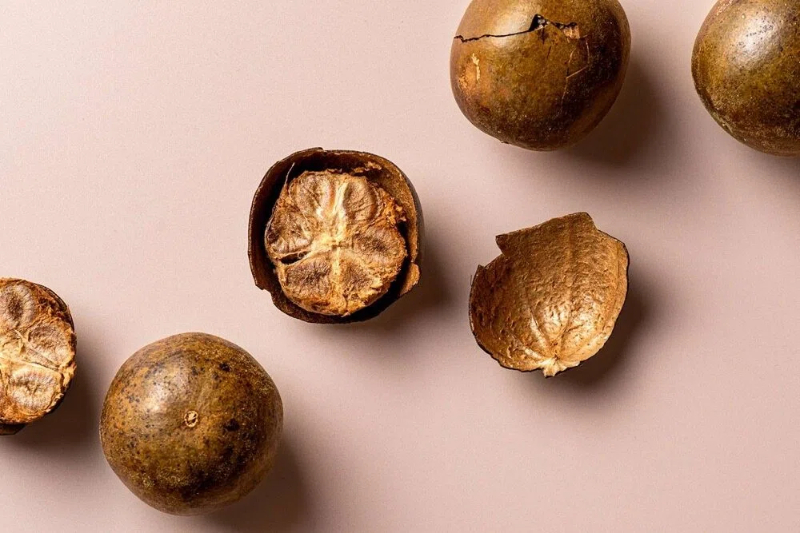
Monk Fruit Extract is a natural sweetener derived from Luo Han Guo fruit, delivering high-intensity sweetness with minimal calories and no significant impact on blood sugar. Its clean-label appeal and compatibility with blended sweeteners make it popular in beverages, bakery, and health foods in Argentina.
Key factors include potency and purity (mogroside content), impurity profiles, available certifications (organic, non-GMO), form factor (powder or liquid), supply reliability, lead times, and QA/QC documentation.
Yes. Its high sweetness intensity makes it suitable for blending with polyols and dietary fibers, enabling reduced-sugar formulations in tablets, beverages, and snacks, with customization options for packaging and labeling.
Ensure compliance with local food safety regulations, proper labeling, and product certifications. Organic-certified monk fruit products may require adherence to organic standards and documentation for export.
Blend Monk Fruit Extract with polyols (e.g., sugar alcohols) and dietary fibers to balance sweetness, mouthfeel, and texture. Conduct pilot-scale trials to optimize taste, aftertaste, and stability across product matrices.
[1](https://www.linkedin.com/pulse/latin-america-monk-fruit-extract-powder-market-z5ptc)
[2](https://www.mordorintelligence.com/industry-reports/argentina-food-sweetener-market-industry)
[3](https://www.wiseguyreports.com/reports/monk-fruit-extract-market)
[4](https://www.maximizemarketresearch.com/market-report/monk-fruit-sweetener-market/262033/)
[5](https://www.futuremarketinsights.com/reports/monk-fruit-ingredient-market)
[6](https://www.transparencymarketresearch.com/monk-fruit-sugar-market.html)
[7](https://www.marketsizeandtrends.com/report/monk-fruit-extract-professional-market/)
[8](https://www.emergenresearch.com/industry-report/monk-fruit-sweetener-market)
[9](https://finance.yahoo.com/news/monk-fruit-sweeteners-market-reach-154500307.html)
[10](https://www.cognitivemarketresearch.com/monk-fruit-extract-market-report)


