


Content Menu
● Digestive Tolerance and Population Variability
● Clinical and cardiovascular considerations
● Applications in Food, Beverages, and Health Products
● Regulatory and Labeling Considerations
● Packaging, Storage, and Safety in Household Environments
● Manufacturing Considerations for OEM/ODM
● Safety in Special Populations
● Consumer Education and Engagement
● FAQ
>> 1. What is Xylitol and how does it work as a sweetener?
>> 2. Are there health benefits associated with Xylitol consumption?
>> 3. What are common side effects or digestive issues from Xylitol?
>> 4. Is Xylitol safe for children and pets?
>> 5. How should Xylitol be labeled and what regulatory considerations apply to exports?
Xylitol is widely used as a sugar substitute in foods, beverages, dental care products, and nutraceuticals. For a China-based manufacturer serving overseas clients, understanding Xylitol's safety profile is essential to design compliant blends, optimize process stability in tablet production, and communicate accurate usage guidance in OEM/ODM projects. This article synthesizes current evidence on safety, tolerability, regulatory considerations, and practical formulation strategies for Xylitol, with emphasis on how Xylitol fits into blended-sweetener systems and dietary-fiber integrations developed by health-solution manufacturers.

Xylitol is a sugar alcohol (polyol) that delivers sweetness similar to sucrose but with different metabolic and caloric characteristics. It is incompletely absorbed in the small intestine, which contributes to lower net calories and a slower glycemic response. In product development, Xylitol offers compatibility with other polyols and natural sweeteners, enabling blended-sweetener systems that balance taste, texture, and caloric content. Xylitol's humectant properties can influence moisture retention in dental formulations and baked goods, affecting mouthfeel and shelf life. This versatility makes Xylitol a central component in many health-oriented formulations designed for overseas markets.
Xylitol is generally recognized as safe for adults when consumed within typical usage patterns. However, digestive tolerance varies, and excessive intake can cause gas, bloating, and diarrhea, particularly for individuals new to polyols or when rapid introduction occurs. For manufacturers, it is critical to design products with conservative Xylitol levels, provide serving-size guidance, and implement clear labeling to manage consumer expectations and tolerability. In non-edible contexts like dental care, Xylitol demonstrates dental-health benefits when used according to directions, but the safety discourse shifts when Xylitol is consumed in large quantities or in populations with predisposed health conditions. This differentiation matters for product developers, regulatory teams, and education-focused marketing materials. Overall, the safety profile supports cautious, well-documented usage in blended-sweetener systems meant for international distribution. The literature emphasizes moderation and context rather than blanket assurances, especially when Xylitol is part of multi-ingredient formulations.
Digestive responses to Xylitol vary widely. Many adults tolerate moderate daily intakes, while others experience gastrointestinal symptoms at lower doses or with rapid introduction. Gradual ramp-up in consumption and controlled serving sizes help mitigate adverse effects, particularly in blended-sweetener products that mix Xylitol with other polyols. Children and sensitive individuals may require even more conservative dosing guidance. For product developers, pilot studies and consumer tastings across demographic segments help establish acceptable daily intake ranges and inform label language that communicates potential digestive responses. These considerations are essential when formulating products that will be distributed in multiple regulatory environments, including export markets with diverse dietary norms and tolerance thresholds.
Emerging studies have explored potential associations between certain sugar alcohols and cardiovascular risk endpoints. Notably, recent observational data have linked higher circulating levels of some sugar alcohols with alterations in platelet function and thrombotic potential, though causality remains to be established and findings require replication in diverse populations. For Xylitol specifically, contemporary reports highlight the need for cautious interpretation: observational associations do not prove that Xylitol causes cardiovascular events, and individual risk profiles strongly influence outcomes. Regulatory bodies typically advocate moderation, context-specific assessment, and avoidance of extrapolating findings beyond studied populations. For manufacturers exporting Xylitol-containing products, it remains prudent to monitor ongoing research, refrain from over-claiming cardiovascular benefits, and provide balanced consumer education about potential risks and safe usage patterns.
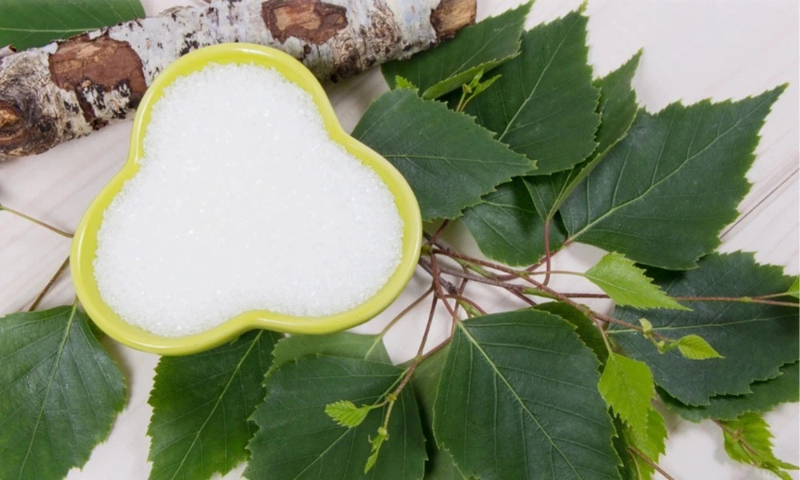
- Blended-sweetener Formulations: Xylitol's sweetness profile and compatibility with other polyols enable tailored sweetness curves, enabling reduced-sugar products without compromising mouthfeel. For overseas clients, this is particularly valuable in gels, candies, beverages, and nutrition bars where texture and aftertaste matter. Careful balancing with erythritol, sorbitol, or other polyols can optimize caloric content, glycemic response, and processing performance in tablets and sachets.
- Dental Health and Oral Care: In oral-care products, Xylitol contributes to dental health benefits when used in appropriate concentrations. For consumer-facing products, ensure that claims align with regulatory guidance and that packaging communicates proper usage to avoid digestive discomfort from excessive intake in conjunction with dietary sources.
- Beverages and Bakery: Xylitol can replace a portion of sugar in beverages and baked goods, contributing to reduced calories and improved mouthfeel. Temperature stability and browning reactions should be validated in product pilots, as polyol interactions can influence color development and texture during processing.
- Healthcare and Nutraceuticals: Xylitol's role in sugar-reduced formulations extends to dietary supplements and oral-health nutraceuticals, where it can complement other functional ingredients. In OEM/ODM projects, Xylitol blends should be tested for compatibility with active pharmaceutical ingredients (APIs) and nutraceutical actives, ensuring product stability and regulatory compliance across markets.
Regulatory frameworks for Xylitol vary by country but commonly require disclosure of polyol content, serving sizes, and potential digestive effects. For exporters, robust documentation and multilingual labeling support are essential. Transparent labeling helps consumers manage intake and tolerability, particularly when products feature multiple polyols or when Xylitol is marketed to children. In some jurisdictions, explicit labeling of sugar alcohol content is recommended or required to guide consumer decisions. Cross-check health claims with jurisdiction-specific regulations to prevent misinterpretation and ensure regulatory compliance.
Proper packaging and storage of Xylitol-containing products are important to prevent accidental ingestion by children and pets. Xylitol is particularly hazardous to dogs, capable of triggering severe hypoglycemia and liver toxicity after ingestion. This risk underlines the importance of child-resistant packaging where appropriate and explicit pet-safety warnings on labels and packaging. For human consumers, storing Xylitol-containing products in a cool, dry place helps preserve sweetness and prevent moisture-driven clumping, which can impact dosing accuracy in tablet formation and blended-sweetener products.
- Process Compatibility: Xylitol's processing characteristics, including solubility, hygroscopicity, and thermal stability, influence tablet compression, encapsulation, and blend uniformity. Process development should include pilot runs to optimize flow properties, compression behavior, and content uniformity in your tablet formulations.
- Quality and Purity: Maintaining high purity for Xylitol minimizes impurities that could affect taste or functional performance in blends. In GMP environments, establish robust supplier qualification and incoming-material testing to ensure batch-to-batch consistency.
- Labeling and Documentation: Prepare comprehensive technical dossiers (spec sheets, purity data, usage limits, and allergen/intolerance information in target languages) to support regulatory submissions and customer audits in overseas markets.
- Consumer Education: Provide clear usage guidelines, serving-size information, and potential digestive responses on packaging and online materials. This helps manage expectations and reduces the risk of adverse experiences.
- Children: Use conservative serving sizes and provide explicit guidance on daily limits to minimize digestive upset. Consider product designs that maintain palatability while restricting overconsumption by younger users.
- Pets: Pet safety warnings are essential. Ensure packaging and distribution channels minimize pet exposure risks in households with dogs and other animals.
- Pregnant and lactating individuals: While Xylitol is generally considered safe, advise consultation with healthcare professionals for individuals with specific medical conditions or who are taking medications that may interact with sugar substitutes.
Xylitol is a widely used sugar substitute that offers lower caloric content and potential dental-health benefits when used appropriately. Nonetheless, safety considerations are nuanced and highly dose-dependent. For manufacturers and exporters, a prudent approach combines conservative formulations, transparent labeling, proactive consumer education, and alignment with regional regulatory requirements. The evolving cardiovascular and digestive-tolerance literature warrants ongoing monitoring and thoughtful product stewardship in blended-sweetener systems and dietary-fiber integrations. In practice, safe use of Xylitol in international markets involves designing products with modest Xylitol levels, clear serving guidance, and robust label information to support both consumer safety and regulatory compliance.
Educating consumers about Xylitol content, serving sizes, and potential digestive responses strengthens trust and reduces the likelihood of adverse experiences. Digital assets—product pages, QR codes linking to detailed taste-test notes, and downloadable guidelines—can support overseas manufacturers and distributors in communicating safe usage to end customers. For a China-based exporter, educational resources about Xylitol blends, processing considerations, and regulatory expectations are a differentiator in global markets.
Xylitol remains a versatile tool for health-focused formulations, offering sweetness with lower calories and dental-health advantages when used responsibly. Its safety hinges on careful formulation, accurate labeling, and compliance with regulatory standards in each export market. By integrating Xylitol into blended-sweetener systems and dietary-fiber blends with disciplined process control, manufacturers can meet diverse customer needs while maintaining product safety and quality. Ongoing engagement with the latest research on cardiovascular safety and digestive tolerance will inform responsible use and sustained product performance across markets.

Xylitol is a sugar alcohol that provides sweetness with lower net calories and a milder impact on blood glucose than sugar. It is partially absorbed in the small intestine and often used in blended-sweetener systems to achieve target sweetness while reducing caloric load.
Xylitol is associated with dental-health advantages when used appropriately, and it can contribute to lower glycemic impact in certain formulations. It is not a universal health miracle and should be integrated with balanced claims supported by regulatory guidance.
Digestive discomfort including gas, bloating, and diarrhea can occur at higher doses or with rapid introduction, particularly in sensitive individuals. Gradual introduction and controlled serving sizes help mitigate these effects.
For humans, use conservative serving sizes for children. For pets, especially dogs, Xylitol can trigger severe hypoglycemia and liver toxicity; packaging and labeling should minimize pet exposure risk.
Labeling should disclose polyol content, serving sizes, and potential digestive effects. Regulatory requirements vary by country; ensure multilingual labeling, verify health-claims allowances, and align with export-market rules.
[1](https://newsroom.clevelandclinic.org/2024/06/06/cleveland-clinic-led-study-links-sugar-substitute-to-increased-risk-of-heart-attack-and-stroke)
[2](https://dzhk.de/en/newsroom/news/latest-news/article/new-study-the-sweetener-xylitol-is-associated-with-an-increased-risk-of-heart-problems)
[3](https://www.medstarhealth.org/blog/xylitol-heart-health)
[4](https://academic.oup.com/eurheartj/article-abstract/46/27/2705/8069562)
[5](https://pubmed.ncbi.nlm.nih.gov/40444390/)
[6](https://www.health.harvard.edu/nutrition/xylitol-what-to-know-about-this-popular-sugar-substitute)
[7](https://www.uclahealth.org/news/article/how-safe-are-sugar-alcohols)
[8](https://www.neurology.org/doi/10.1212/WNL.0000000000214023)
[9](https://www.cnn.com/2025/09/03/health/artificial-sweetener-cognition-wellness)
[10](https://www.science.org/content/blog-post/and-now-xylitol)


