


Content Menu
● Potential Risks and Considerations
● Practical Guidance for Industry
● FAQs
>> 1. Is Xylitol safe for people with diabetes?
>> 2. How much Xylitol is considered a safe daily amount?
>> 3. Can Xylitol be used in cooking and baking?
>> 4. Are there any safety warnings for pets?
>> 5. Does Xylitol have cardiovascular implications?
Xylitol is a sugar alcohol used widely as a sugar substitute in foods, beverages, dental products, and dietary supplements. For manufacturers serving food, beverage, and healthcare sectors, understanding the benefits and risks of Xylitol helps craft healthier blends and clearer claims. This article explores what Xylitol is, how it affects health, potential risks, and practical considerations for consumers and industry alike. It also highlights where Xylitol fits within a broader portfolio of natural sweeteners, functional polyols, and dietary fibers that your factory can offer to overseas manufacturers. Throughout, Xylitol remains a central keyword to illuminate its role in modern nutrition and product development.
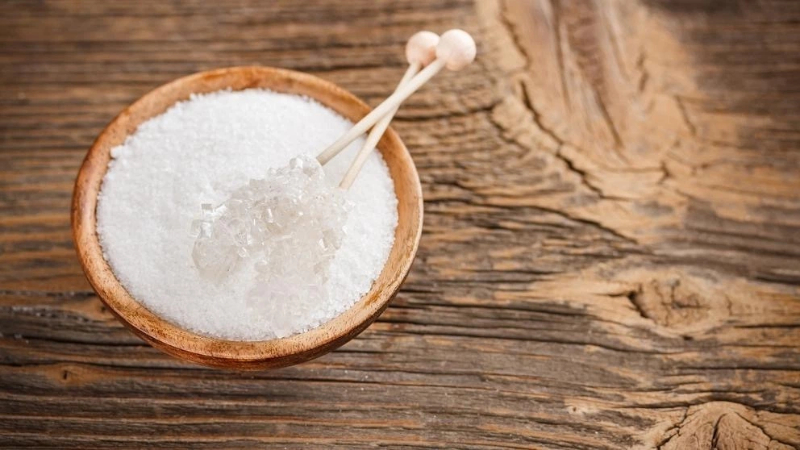
- What it is: Xylitol is a sugar alcohol (polyol) derived from plants, often produced from xylose found in birch wood or corncobs, and widely used as a low-calorie sweetener. It provides about 2.4 calories per gram, roughly 40% fewer than sucrose, and has a low glycemic index compared to regular sugar. Xylitol's sweetness closely matches that of table sugar, making it a popular replacement in chewing gums, candies, toothpaste, and baked goods.[1]
- Functional role in products: Because Xylitol offers sweetness with fewer calories and a gentler impact on blood sugar, it is often paired with other natural sweeteners or dietary fibers to create balanced profiles for health-focused foods and beverages. This is particularly relevant for overseas manufacturers seeking sugar-reduced formulations or tooth-friendly claims.[1]
- Dental health: Xylitol has been associated with reduced dental caries by inhibiting decay-causing bacteria and reducing plaque formation when used regularly in sugar-free products. Daily amounts in the range of several grams have been linked to measurable dental benefits in some reviews and trials. This makes Xylitol a frequent choice for gums, mints, toothpaste, and mouth rinses used in healthcare-oriented formulations.[1]
- Metabolic effects: With a low glycemic index, Xylitol tends not to cause rapid blood sugar spikes, which is advantageous for people managing weight, diabetes risk, or metabolic syndrome. It contributes fewer digestible carbohydrates per serving, aiding controlled energy intake in product design for health-focused foods.[1]
- Caloric reduction and energy stability: Compared with sucrose, Xylitol provides fewer calories per gram, helping with energy management goals in consumer-friendly products. This aligns with a broader portfolio strategy of natural sweeteners and functional polyols that your factory can offer.[1]
- Other potential benefits: Some studies suggest that Xylitol may influence ear and throat infections, gut microbiota, and systemic health in ways that warrant further research. However, evidence is mixed and context-specific, so claims should be carefully evaluated and aligned with quality data.[3]
- Digestive tolerance: A well-known consideration is gastrointestinal tolerance. Consuming large amounts of Xylitol can cause gas, bloating, and diarrhea, especially in individuals who are not accustomed to sugar alcohols. Gradual introduction in products or clear usage guidelines can mitigate discomfort.[1]
- Laxative effects and sensitivity: In sensitive populations, even moderate intake may lead to osmotic effects in the gut. For product developers, this underscores the importance of labeling, serving-size guidance, and consumer education.[1]
- Cardiovascular context: Emerging research explores potential cardiovascular effects of various sugar alcohols, including Xylitol, with some studies suggesting associations with altered blood clotting in specific contexts. These findings are preliminary and require careful interpretation and ongoing research before broad health claims.[5]
- Pediatric and animal considerations: While Xylitol is often used safely in humans, it can be dangerous to dogs and other pets. For corporate communications and labeling, ensure consumer guidance clearly differentiates human use from pet safety information.[7]
- Product formulation: When formulating with Xylitol, consider sweetness equivalence to sugar, moisture interactions, and possible combination with dietary fibers or other polyols to optimize texture and mouthfeel in products intended for overseas markets. Align claims with supporting data on dental health and metabolic effects.[1]
- Labeling and regulatory considerations: Clearly communicate that Xylitol is a sugar substitute with potential digestive effects and, in some contexts, dental health benefits. Ensure compliance with local and international labeling standards, including warning statements where appropriate for pet exposure.[6]
- Consumer education: Provide practical guidance on serving sizes, potential digestive tolerance, and the rationale for using Xylitol in specific product categories such as chewing gums, toothpaste, and sugar-free confections. This builds trust and supports brand positioning in health-focused markets.[3]
- Portfolio integration: Position Xylitol alongside your core offerings—natural sweeteners, functional polyols, and dietary fibers—to provide blended-sweetener solutions, tablet formulations, and OEM/ODM services for overseas manufacturers. This supports a comprehensive health-ingredient strategy.
Xylitol is a versatile sugar substitute with meaningful benefits in dental health, metabolic stability, and caloric reduction, making it a valuable component in health-focused product formulations. However, potential digestive intolerance and pet safety concerns warrant careful usage guidelines, consumer education, and precise labeling. For a factory serving food, beverage, and healthcare sectors, Xylitol sits well within a broader portfolio that includes natural sweeteners, functional polyols, and dietary fibers, enabling blended-sweetener development, tablet manufacturing, and robust OEM/ODM services for overseas manufacturers.
Generally yes, because Xylitol has a low glycemic index and does not cause rapid blood glucose spikes. However, individual responses vary, and total carbohydrate intake should be considered within a complete meal plan.[1]
Tolerability varies; start with small amounts and monitor digestive response. Typical daily exposure in dental-use products tends to be modest, but excessive intake can lead to GI symptoms. Consult product-specific guidelines and regulatory requirements.[1]
Yes, Xylitol can substitute for sugar in many recipes, but it behaves differently in some applications (e.g., browning, texture). It may also interact with moisture and other ingredients, so some recipe adjustments are recommended.[1]
Xylitol is highly toxic to dogs and some other animals; keep products out of reach and include clear pet safety guidance in consumer education materials.[7]
Some studies have explored associations with blood-clotting tendencies in sugar alcohols, but evidence remains mixed and context-dependent. Do not imply universal cardiovascular benefits or risks without robust, specific data.[5]
[1](https://www.health.harvard.edu/nutrition/xylitol-what-to-know-about-this-popular-sugar-substitute)
[2](https://pdf.dfcfw.com/pdf/H3_AP202412131641289648_1.pdf)
[3](https://www.healthline.com/nutrition/xylitol-101)
[4](http://www.hkexnews.hk/listedco/listconews/sehk/2025/0530/2025053000074_c.pdf)
[5](https://www.nih.gov/news-events/nih-research-matters/xylitol-may-affect-cardiovascular-health)
[6](https://money.finance.sina.com.cn/corp/view/vCB_AllBulletinDetail.php?stockid=002286&id=10970144)
[7](https://www.webmd.com/vitamins/ai/ingredientmono-996/xylitol)
[8](http://notice.10jqka.com.cn/api/pdf/408e26a9944c1be6.pdf)
[9](https://health.clevelandclinic.org/dangers-of-xylitol)
[10](https://www.caldic.com/zh-hans-cn/markets/food-beverage/beverage/)


