
Views: 222 Author: Sara Publish Time: 2026-01-14 Origin: Site


Content Menu
● Natural vs. Artificial Sweeteners
● Health Impacts of Sweeteners
● Types of Artificial Sweeteners
● Natural Sweetener Alternatives
● Blended Sweeteners Innovation
● Regulatory Views on Sweeteners
● Consumer Trends Toward Sweeteners
● FAQ
>> 2. Is Sugar a Natural Sweetener?
>> 3. Why Use Artificial Sweeteners?
>> 4. What Are Natural Sweetener Examples?
>> 5. How Do Factories Develop Sweeteners?
No, sugar is not an artificial sweetener. Derived naturally from sugarcane or beets, sugar provides calories and energy, unlike synthetic artificial sweeteners designed for zero-calorie taste. This distinction shapes how sweeteners function in food, beverages, and healthcare products.
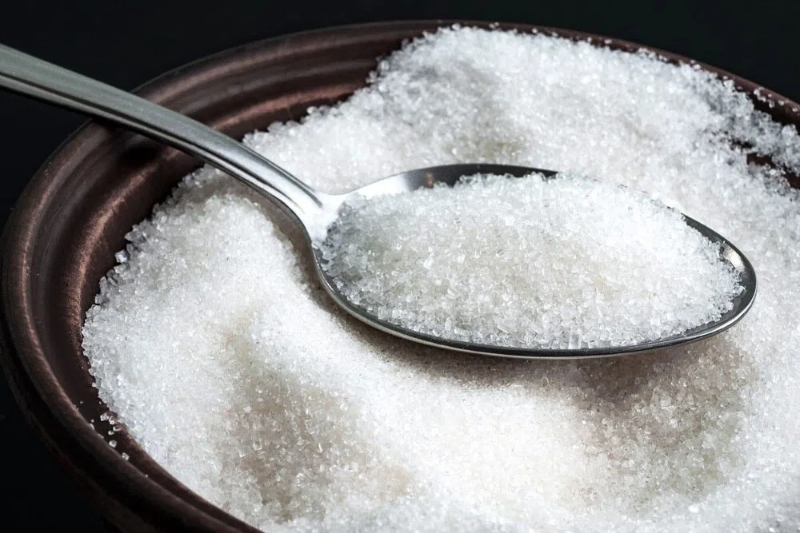
Sweeteners represent a diverse group of substances that deliver sweetness to enhance flavors in everyday products. Natural sweeteners like sugar, honey, and agave originate from plants or bees with minimal processing, offering both taste and caloric value. Artificial sweeteners, by contrast, emerge from chemical laboratories, engineered for intense sweetness without the energy content of sugar. Sweeteners classification hinges on origin, processing, and metabolic impact—sugar breaks down into glucose and fructose for quick energy, while many artificial sweeteners pass through the body unmetabolized.
The sweeteners industry thrives on innovation, particularly from factories specializing in natural sweeteners, functional polyols, and dietary fibers. These experts craft blended sweeteners tailored for food, beverage, and medical applications, providing OEM/ODM services that meet stringent global standards. Sweeteners like stevia extracts and erythritol blends allow manufacturers to create sugar-reduced products that maintain appealing textures and flavors. Understanding sweeteners empowers consumers and producers to select options aligning with health goals, balancing indulgence with wellness.
Natural sweeteners encompass sugar, maple syrup, coconut sugar, and fruit juices, all retaining some nutritional profile from their sources. Artificial sweeteners such as aspartame, sucralose, saccharin, acesulfame potassium, and neotame deliver 200 to 20,000 times the sweetness of sugar per gram, enabling tiny amounts to suffice. Sweeteners like sugar contribute bulk, moisture, and browning in baking, properties artificial versions often struggle to replicate fully. Polyols, or sugar alcohols like xylitol and maltitol, occupy a middle ground—derived naturally but processed for lower calories and dental health benefits.
In practice, beverages frequently swap sugar for blended sweeteners combining artificial and natural types to mask off-tastes and achieve sugar-like profiles. Food scientists in specialized factories develop these hybrid sweeteners, optimizing for solubility, stability under heat, and shelf life. Sweeteners evolution reflects consumer demands for reduced sugar intake amid rising obesity concerns, positioning natural sweeteners as premium choices. Artificial sweeteners shine in diet sodas and sugar-free gums, where calorie control reigns supreme, but natural sweeteners appeal for their clean-label status.
Sugar, primarily sucrose (C12H22O11), forms via photosynthesis in sugarcane stalks and sugar beet roots, concentrating as plants grow. Harvesting involves crushing plants to extract juice, purifying it through clarification and crystallization, yielding the familiar white granules without synthetic intervention. Sweeteners like brown sugar retain molasses for richer flavor, underscoring sugar's versatility as a natural base. High-fructose corn syrup, derived from corn starch enzymatic breakdown, extends sugar's family but remains a processed natural sweetener, not artificial.
Global production exceeds 180 million tons annually, with Brazil and India leading, while China excels in advanced sweeteners processing. Factories transform raw sugar into specialized sweeteners, blending with fibers for low-glycemic options in healthcare nutrition. Sweeteners sourced naturally support energy needs, fueling brain function and physical activity, unlike zero-calorie artificial counterparts. This natural lineage firmly places sugar outside artificial sweeteners territory, rooted in botanical processes honed over millennia.
Sugar as a sweetener delivers 4 calories per gram, promoting rapid blood sugar spikes that, in excess, contribute to insulin resistance, type 2 diabetes, and metabolic syndrome. Artificial sweeteners, non-nutritive by design, assist in weight management by curbing overall calorie intake without flavor sacrifice. Sweeteners research reveals nuances: sugar fosters satiety through digestion, while artificial options may disrupt hunger signals or gut bacteria, prompting ongoing studies. Natural sweeteners like monk fruit offer antioxidants, adding health perks beyond mere sweetness.
Beverage sectors leverage sweeteners to slash sugar content by 50-100%, aligning with WHO guidelines limiting added sugars to 10% of daily energy. Functional sweeteners incorporating dietary fibers enhance digestion and glycemic control, ideal for diabetic formulas. Chinese factories pioneer these sweeteners solutions, supplying OEM partners with clinically tested blends that prioritize safety and efficacy. Moderation remains key—sweeteners enhance life but demand mindful integration into balanced diets.
Artificial sweeteners underwent rigorous testing before approval, with saccharin discovered in 1879 as coal tar derivative, surviving early bladder cancer scares in rats but deemed safe for humans. Aspartame, composed of aspartic acid and phenylalanine, breaks down in heat, suiting cold drinks but not baking. Sucralose, chlorinated sucrose, withstands cooking, appearing in Splenda and baked goods. Sweeteners like acesulfame-K (Ace-K) blend seamlessly with others to round out flavors.
Neotame, 7,000-13,000 times sweeter than sugar, requires minuscule doses, minimizing any aftertaste issues. Cyclamate, banned in the US but used elsewhere, offers cost-effectiveness. These artificial sweeteners enable "no sugar added" claims, transforming confectionery and pharmaceuticals. Factories refine production techniques, ensuring purity levels exceed 99% for global markets.
Stevia rebaudioside A, extracted from South American leaves, provides 200-400 times sugar's sweetness with zero calories and blood sugar neutrality. Monk fruit (luo han guo), rich in mogrosides, delivers antioxidant-laden sweetness 250 times stronger than sugar. Allulose, a rare sugar from figs and raisins, metabolizes minimally, mimicking sugar's caramelization. Sweeteners like yacon syrup offer fructooligosaccharides for gut health.
Sugar alcohols such as erythritol (60-70% as sweet as sugar, 0.2 calories per gram) and xylitol prevent cavities by starving oral bacteria. Factories scale these natural sweeteners through biotechnology, yielding high-purity extracts for beverages and tablets. Inulin and chicory root fibers double as sweeteners and prebiotics, fostering beneficial microbes.
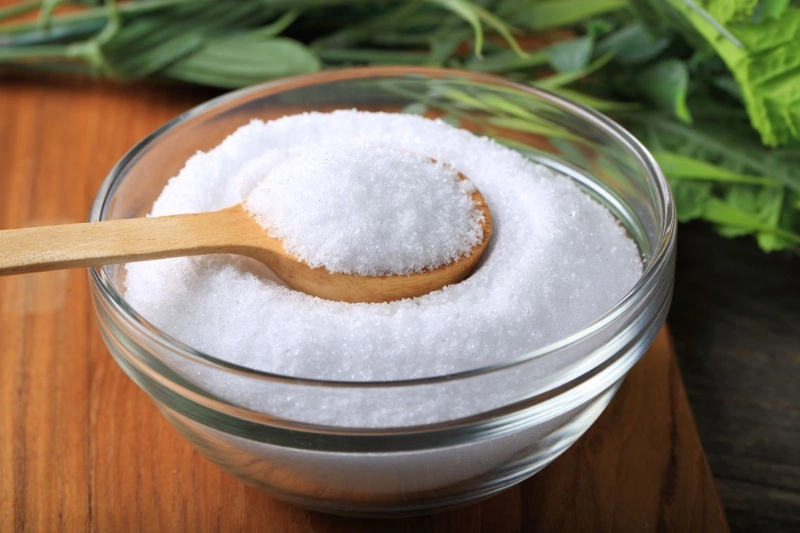
Blended sweeteners marry strengths: stevia with erythritol conceals bitterness, while sucralose and Ace-K ensure heat stability. Developers employ sensory panels to fine-tune ratios, replicating sugar's mouthfeel in low-calorie ice creams and yogurts. Sweeteners blends cut costs, as potent artificial types stretch natural volumes. OEM factories customize these for specific viscosities, ideal for syrups or chewables.
Sustainability drives innovation, with fermentation producing allulose at scale. Sweeteners research explores peptide-based options for ultra-clean taste. These advancements position blended sweeteners as future staples in sugar reduction strategies.
Food applications dominate sweeteners usage, from cereals sweetened with maltitol to chocolates using polydextrose for bulk. Beverages consume the lion's share, with energy drinks blending caffeine and artificial sweeteners for zero-calorie kicks. Baked goods benefit from polyols' humectancy, preventing staleness. Sweeteners enable diverse textures—powders for dry mixes, liquids for infusions.
Confectionery innovators craft hard candies with isomalt, resisting stickiness. Dairy products like flavored milks use agave for natural appeal. Chinese factories supply these sweeteners globally, supporting OEM lines for consistent quality.
Regulatory bodies like FDA, EFSA, and JECFA establish ADIs (acceptable daily intakes) for artificial sweeteners—aspartame at 50 mg/kg body weight, sucralose at 5 mg/kg. Sugar faces no ADI as a natural food, but intake caps apply via nutrition labels. Natural sweeteners like stevia gained GRAS status post-2008 petitions. International harmonization ensures sweeteners safety across borders.
Factories adhere to HACCP, ISO 22000, and Halal/Kosher certifications, facilitating export of blended sweeteners.
Clean-label demands propel natural sweeteners growth, projected at 7% CAGR through 2030. Sugar taxes in 50+ countries accelerate low-sugar formulations. Keto and low-carb diets favor erythritol and monk fruit blends. Sweeteners marketing emphasizes "plant-based" and "non-GMO," resonating with millennials.
Healthcare trends integrate sweeteners into functional foods for blood sugar management.
Beverages exemplify sweeteners versatility—cola giants use aspartame-ace-K blends for diet variants, while sports drinks add dextrose for rapid absorption. Functional waters incorporate stevia and electrolytes. Alcoholic mixers employ polyols to avoid fermentation issues. Sweeteners enable sparkling innovations without calories.
Pharmaceuticals rely on sweeteners for compliance—children's syrups use sucralose, tablets employ mannitol for chewability. Nutritional supplements blend fibers and sweeteners for palatability in protein shakes. Diabetic products prioritize low-glycemic sweeteners like tagatose.
Biotech ferments novel sweeteners like brazzein from yeast, promising heat-stable naturals. AI optimizes blends for personalized taste. Sustainable sourcing and upcycling side streams will redefine sweeteners production.
Sugar unequivocally stands as a natural sweetener, worlds apart from artificial lab creations focused on calorie displacement. Sweeteners landscape evolves toward natural, functional blends from specialized factories, revolutionizing food, beverage, and healthcare with innovative OEM/ODM solutions. Informed choices among sweeteners promote healthier indulgence.
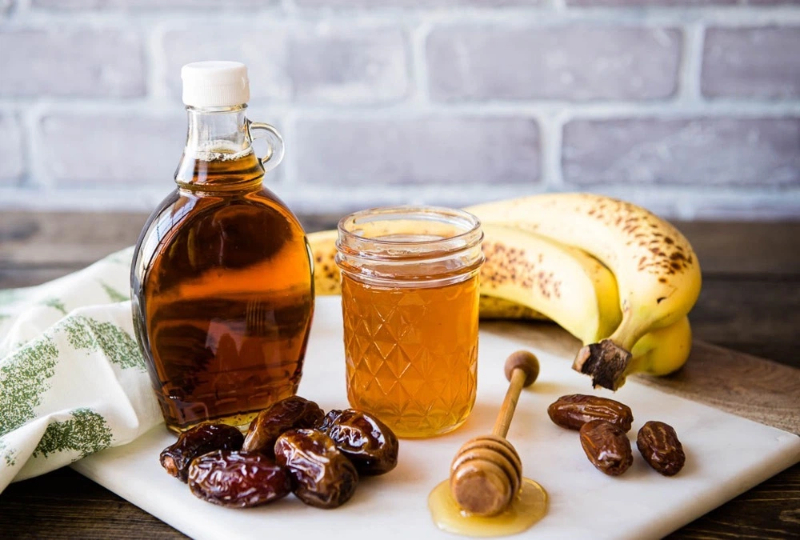
Sweeteners add sweetness to products, spanning natural types like sugar and artificial ones like sucralose. Natural sweeteners offer calories; artificial provide intense taste without energy. Blends optimize performance across applications.
Yes, sugar derives from plants via natural processes, delivering digestible energy unlike synthetic artificial sweeteners. It excels in cooking but warrants moderation for health.
Artificial sweeteners slash calories, supporting weight loss and diabetes control in beverages and snacks. They enable sugar-free living without taste compromise.
Stevia, monk fruit, erythritol, and allulose exemplify natural sweeteners with low or zero calories. Factories extract and blend them for clean-label foods.
Factories specialize in natural sweeteners, polyols, and fibers, offering custom blends, tablet production, and OEM/ODM for global manufacturers.


