


Content Menu
● How Sucralose Works in the Body
● Regulatory Approval of Sucralose
● Sucralose and Weight Management
● Sucralose's Impact on Gut Health
● Does Sucralose Cause Cancer?
● Sucralose and Blood Sugar Control
● Neurological and Immune Effects of Sucralose
● Sucralose in Pregnancy and Children
● Comparing Sucralose to Natural Sweeteners
● Baking and Cooking with Sucralose
● Environmental Concerns with Sucralose
● FAQ
>> 1. Is sucralose safe for daily consumption?
>> 2. Does sucralose affect gut bacteria?
>> 3. Can sucralose cause weight gain?
>> 4. Is sucralose carcinogenic?
>> 5. What are better alternatives to sucralose?
Sucralose, widely known as Splenda, stands as one of the most popular artificial sweeteners in the market today. This zero-calorie substitute for sugar, which is about 600 times sweeter than sucrose, finds its way into countless diet sodas, yogurts, candies, and even pharmaceuticals. While sucralose promises sweetness without the calories, a growing body of research questions whether sucralose is truly safe for long-term consumption, prompting many to ask: Is sucralose bad for you? Regulatory approvals from bodies like the FDA and EFSA affirm sucralose's safety at acceptable daily intake levels, yet emerging studies on sucrolose's metabolic, gut, and cellular impacts fuel ongoing debate.[1][2]
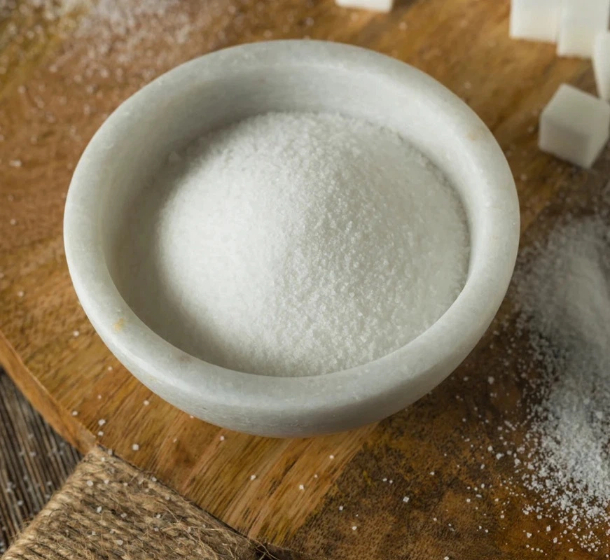
Sucralose emerges from a simple yet profound chemical tweak to regular sugar, or sucrose. Scientists replace three hydroxyl groups in sucrose with chlorine atoms, rendering sucralose indigestible and calorie-free. Discovered in 1976 by British researchers, sucralose hit the U.S. market in 1998 after rigorous testing. Sucralose's stability under heat makes it ideal for baking and cooking, unlike some other sweeteners that degrade. Manufacturers prize sucralose for its clean, sugar-like taste without bitter aftertastes common in alternatives.[1]
Over 110 safety studies underpin sucralose's approval, covering everything from acute toxicity to multigenerational animal reproduction. Sucralose passes through the body largely unchanged, with about 85% excreted in feces and 15% in urine. This non-metabolism explains sucralose's appeal for weight management and diabetes control. Global consumption of sucralose skyrockets as obesity epidemics persist, with billions of pounds used annually in products worldwide. Sucralose's versatility extends to tabletop sweeteners, ice creams, and even mouthwashes, where its non-fermentable nature prevents tooth decay.[2]
When you consume sucralose, it travels swiftly through the stomach and small intestine with minimal absorption—only about 11-27% enters the bloodstream. The liver metabolizes tiny fractions, producing sucralose-6-acetate, a compound now under scrutiny for potential toxicity. Gut bacteria play a role in breaking down sucralose, which can alter microbial ecosystems. Sucralose activates sweet taste receptors not just on the tongue but also in the gut and pancreas, mimicking sugar's signals without calories. This dissociation between sweet taste and energy intake may confuse the body's hunger cues over time.[3][1]
Short-term human trials show sucralose does not raise blood glucose or insulin levels significantly, earning it a spot on diabetic-friendly lists. However, chronic exposure tells a different story: some studies link sucralose to impaired glucose tolerance and insulin resistance. Sucralose lingers in the body longer than expected, with traces detectable in tissues days after intake. This persistence raises questions about bioaccumulation, especially in frequent users of sucralose-sweetened products. Sucralose's chlorine atoms make it resistant to breakdown, contrasting sharply with natural sugars that ferment readily.[4][2]
Sucralose earned FDA approval in 1998 following exhaustive reviews by the Joint FAO/WHO Expert Committee on Food Additives, which set an acceptable daily intake (ADI) of 0-5 mg/kg body weight—equivalent to 23 packets of Splenda for a 150-pound adult. The European Food Safety Authority (EFSA) and Health Canada echoed this in subsequent years, citing no evidence of carcinogenicity, neurotoxicity, or reproductive harm from sucralose. Purity standards demand at least 98% sucralose content, minimizing impurities.[1]
Despite this, petitions challenge sucralose's status. In 2023, researchers petitioned the FDA to revoke approval based on new genotoxicity data involving sucralose-6-acetate. Regulatory bodies maintain that human exposure levels remain far below those causing issues in lab settings. Sucralose's track record spans decades without widespread epidemics of sucralose-related illness, bolstering confidence. Updates from 2025 reaffirm sucralose's GRAS (Generally Recognized as Safe) status amid sweetener scrutiny.[5][2]
Sucralose shines in weight loss strategies by slashing calories— one gram of sucralose equals the sweetness of 20 teaspoons of sugar with zero calories. Meta-analyses of randomized trials indicate sucralose users achieve modest weight reductions compared to sugar consumers, particularly in beverages. Sucralose reduces overall energy intake by satisfying sweet cravings without metabolic cost. Combining sucralose with dietary fibers enhances fullness, as seen in clinical settings.[3]
Paradoxically, sucralose's hyper-sweetness may backfire. Animal studies reveal sucralose stimulates appetite hormones like ghrelin, potentially leading to overeating. Observational human data associates high sucralose intake with increased BMI, suggesting compensatory eating behaviors. Sucralose fits seamlessly into ketogenic and intermittent fasting regimens, where carb avoidance reigns. Long-term adherents report sustained weight control, but individual responses vary widely with sucralose use.[4]

Sucralose profoundly disrupts the gut microbiome, a critical player in digestion, immunity, and metabolism. Studies expose sucralose's selective toxicity: it inhibits beneficial Bifidobacteria and Lactobacillus while sparing harmful pathogens. This shift fosters dysbiosis, linked to inflammation and metabolic disorders. Sucralose-6-acetate, a bacterial metabolite of sucralose, compromises intestinal tight junctions, causing "leaky gut" syndrome. Human fecal samples from sucralose consumers show reduced microbial diversity within weeks.[5][1]
Mouse models fed sucralose develop glucose intolerance tied to microbiome changes, mirroring human prediabetes trends. Sucralose exacerbates symptoms in irritable bowel syndrome (IBS) patients, with reports of bloating and altered stool consistency. Unlike fermentable fibers or polyols, sucralose resists microbial breakdown, starving good bacteria. Probiotic supplementation may counteract sucralose's harm, restoring balance. Chronic sucralose exposure correlates with higher inflammatory markers like C-reactive protein.[2][3]
A 2023 North Carolina State University study ignited alarm: sucralose-6-acetate genotoxicity damages human DNA at concentrations achievable in the gut. This metabolite genotoxic effects activate cancer-related genes, including those for inflammation and tumor suppression like MT1G. Sucralose itself penetrates gut barriers more readily than thought, potentially carrying toxins systemically. While animal carcinogenicity tests at high doses show no tumors, critics argue these overlook metabolite-specific risks.[5][1]
Epidemiological data lacks direct sucralose-cancer links, but sweetener-heavy populations exhibit rising colorectal cancer rates. WHO's 2023 classification of aspartame as "possibly carcinogenic" casts shadows on sucralose. Lab evidence prompts calls for re-evaluation, especially for sucralose in children's products. No conclusive human proof exists, but precautionary avoidance gains traction among health experts. Sucralose's persistence in the environment may indirectly heighten exposure risks.[2]
For diabetics, sucralose's non-glycemic nature offers relief—no postprandial glucose spikes in acute tests. Sucralose mildly boosts GLP-1, aiding satiety and insulin sensitivity short-term. However, a 2022 Cell Metabolism study found obese individuals on sucralose exhibit elevated blood sugar responses akin to sucrose. Chronic sucralose reprograms cephalic phase insulin release, desensitizing responses over time.[3]
Mouse experiments link sucralose to fatty liver and hyperglycemia via microbiome-mediated inflammation. Human cohort studies note higher HbA1c in heavy sucralose users. Sucralose suits type 2 diabetes management better than sugar but lags natural alternatives in long-term glycemic stability. Monitoring personal responses to sucralose proves essential.[4][2]
Sucralose subtly crosses the blood-brain barrier, influencing neurotransmitter activity and potentially mood. Anecdotal reports tie sucralose to headaches, migraines, and cognitive fog, though clinical evidence remains sparse. In vitro, sucralose suppresses T-cell function, hinting at immune modulation. Mouse studies show sucralose diminishes vaccine responses and IgA production in gut-associated lymphoid tissue.[5]
Oxidative stress markers rise with sucralose, upregulating genes like Nrf2. Sensitive individuals report neurological symptoms after sucralose exposure, possibly from excitotoxicity. Sucralose's sweet signaling without nutrition may dysregulate dopamine rewards, fostering addiction-like behaviors. Immune vigilance warrants caution with sucralose in immunocompromised populations.[2]
Sucralose crosses the placenta minimally, with no teratogenic effects in animal studies up to 100 times human ADI. Pregnant women tolerate sucralose within limits, but fetal microbiome programming raises concerns. Early sucralose exposure imprints lifelong sweet preferences, heightening obesity risks in offspring. Pediatric guidelines cap sucralose, favoring whole foods over sweetened products.[4]
| Sweetener | Sweetness (vs Sugar) | Calories | Gut Impact | Safety Concerns |
|---|---|---|---|---|
| Sucralose | 600x | 0 | Dysbiosis, leaky gut | DNA damage potential |
| Stevia | 300x | 0 | Minimal | None major |
| Monk Fruit | 250x | 0 | Beneficial bacteria | Rare allergies |
| Erythritol | 0.7x | 0.2 | Well-tolerated | Digestive upset high doses |
| Allulose | 0.7x | 0.4 | Prebiotic effects | Minimal |
As experts in natural sweeteners, polyols, and fibers, factories like ours deliver OEM/ODM blends superior to sucralose.[2]
Sucralose withstands temperatures up to 350°F, perfect for cakes and cookies. Blend sucralose with bulking agents like maltodextrin for volume. Sucralose masks bitterness in protein shakes and low-sugar chocolates effectively.
Sucralose evades wastewater treatment, contaminating rivers and groundwater. Fish exposed to sucralose exhibit reproductive and behavioral changes. Unlike biodegradable polyols, sucralose persists for years, urging sustainable shifts.
Natural sweeteners like stevia rebaudiosides, monk fruit mogrosides, and allulose offer sucralose-free sweetness. Polyols such as erythritol and xylitol provide bulk and dental benefits. Dietary fibers like inulin enhance functionality. Our factory specializes in custom blends, tablets, and OEM services for food, beverage, and healthcare.
Sucralose delivers unmatched sweetness without calories, backed by decades of regulatory nods, but mounting evidence on gut dysbiosis, genotoxicity from sucralose-6-acetate, metabolic disruptions, and environmental persistence challenges its unassailable status. While safe in moderation for most, vulnerable groups—diabetics, pregnant women, children—benefit from caution and natural alternatives. Transitioning to polyols, fibers, and plant-based sweeteners ensures health without compromise. Prioritize informed choices over convenience with sucralose.
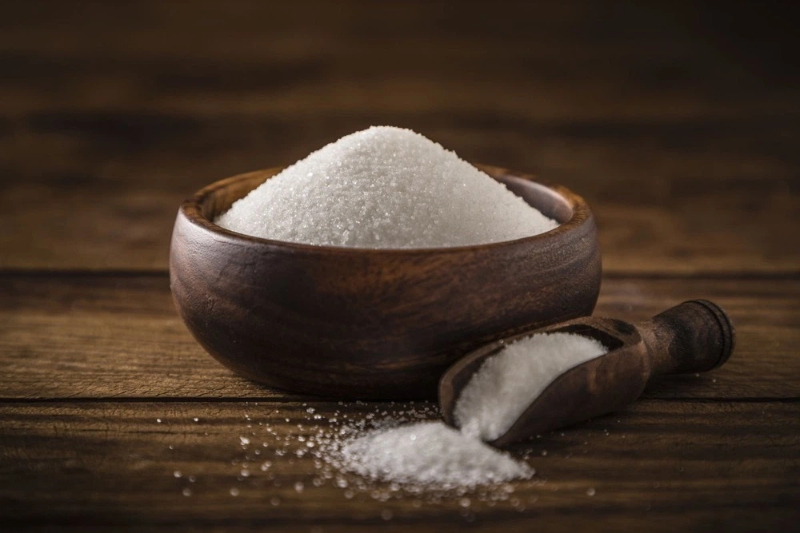
Sucralose remains FDA-approved up to 5 mg/kg daily, but recent studies on sucralose's gut and DNA effects suggest moderation.[1]
Sucralose reduces beneficial microbes and induces leaky gut via metabolites.[5][2]
Short-term aid, but long-term sucralose may spur cravings and insulin issues.[3]
Sucralose-6-acetate shows DNA damage in labs, warranting further human study.[1]
Stevia, monk fruit, erythritol—our OEM factory crafts superior natural blends.[4]
[1](https://www.healthline.com/health-news/sucralose-a-common-artificial-sweetener-may-increase-cancer-risk)
[2](https://pmc.ncbi.nlm.nih.gov/articles/PMC10971371/)
[3](https://liveowyn.com/blogs/owyn-articles/sucralose-artificial-sweeteners-recent-studies-reveal-health-risks)
[4](https://www.frontiersin.org/journals/nutrition/articles/10.3389/fnut.2024.1387646/full)
[5](https://www.kentscientific.com/new-research-with-mice-reveals-the-dangers-of-sweeteners/)


