


Content Menu
● How Does Sucralose Work in the Body?
● Regulatory Views and Safety Limits
● Potential Benefits of Sucralose
>> Calorie and Sugar Reduction
● Potential Risks and Controversies
>> Metabolic and Weight‑Related Effects
>> Gut Microbiome and Gut Integrity
>> DNA Damage, Inflammation, and Cancer Concerns
● Sucralose and Blood Sugar Control
● Sucralose vs Sugar and Other Sweeteners
● Who May Want to Limit Sucralose?
● Practical Tips for Everyday Consumers
● Considerations for Food, Beverage, and Healthcare Brands
>> Role of Sucralose in Modern Formulation
>> Combining Sucralose, Functional Polyols, and Dietary Fibers
>> Clean Label and Regional Preference Trends
● Long‑Term Perspective on Sucralose Use
>> Moderation and Dietary Context
>> Research Gaps and Future Directions
● FAQ
>> 1. Is sucralose safe for daily use?
>> 2. Does sucralose help with weight loss?
>> 3. Is sucralose bad for the gut microbiome?
>> 4. Can sucralose raise blood sugar or insulin?
>> 5. How should brands use sucralose responsibly?
Sucralose is one of the most popular zero‑calorie sweeteners in modern food and beverage formulation, known for its intense sweetness and broad stability in manufacturing processes. As consumers and brands pay more attention to metabolic health, gut health, and "clean label" preferences, the question of whether sucralose is truly good for you has become increasingly important.[2][1]
Understanding sucralose requires looking at its chemistry, its journey through the body, regulatory opinions, potential benefits, and the growing body of evidence about possible long‑term side effects. Manufacturers in the food, beverage, and healthcare fields also need to consider how sucralose fits into blended sweetening systems that include functional polyols and dietary fibers to meet evolving health expectations.[3][1]
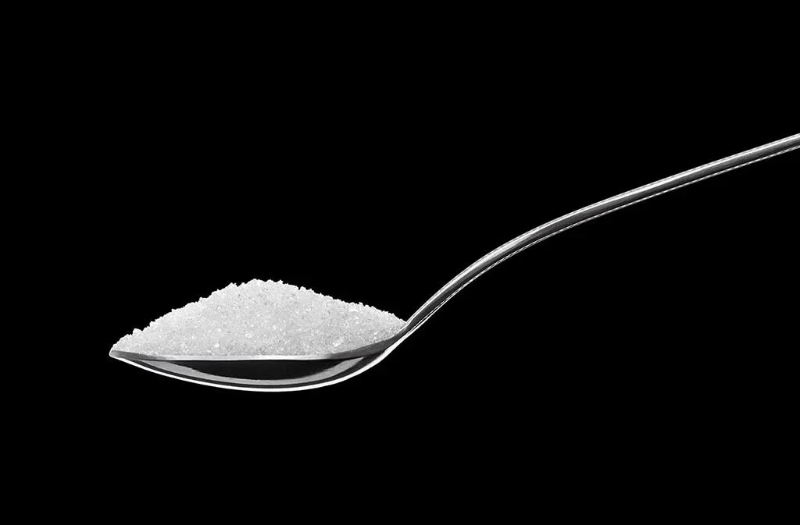
Sucralose is a chlorinated derivative of sucrose in which three hydroxyl groups in the sugar molecule are replaced by chlorine atoms, creating a compound about 600 times sweeter than table sugar. This structural change prevents sucralose from being metabolized as energy, which is why it delivers sweetness without calories.[2]
Sucralose is classified as an artificial sweetener rather than a natural sweetener, placing it in the same general category as aspartame, acesulfame‑K, and saccharin. In contrast, stevia and monk fruit are plant‑derived, and sugar alcohols such as erythritol, xylitol, and maltitol are polyols often used together with sucralose in reduced‑sugar formulations.[3][2]
After ingestion, most sucralose passes through the digestive tract without being absorbed, with a large proportion excreted unchanged in the feces. A smaller fraction is absorbed, processed minimally, and excreted in the urine, indicating that the body only partially interacts with sucralose at the metabolic level.[2]
Sucralose activates sweet taste receptors on the tongue and along the digestive tract, which can influence reward pathways and hormonal responses even in the absence of calories. This intense sweetness can satisfy a desire for sweet taste, but it may also condition the palate to expect highly sweet foods, affecting dietary patterns and food choices over time.[1][2]
Regulatory bodies in multiple regions have approved sucralose as a food additive and set an acceptable daily intake (ADI), often around 15 mg per kilogram of body weight per day. These limits are designed to be conservative, based on toxicology studies that look for obvious harms at much higher doses in animals.[2]
More recently, international health authorities have advised caution about long‑term reliance on non‑sugar sweeteners, including sucralose, for weight management and chronic disease prevention. Observational data linking long‑term high consumption of such sweeteners to higher risks of type 2 diabetes and cardiovascular disease have prompted calls to re‑evaluate how freely sucralose should be used in everyday diets.[1]
Sucralose offers sweetness with minimal caloric contribution, making it a useful tool for reducing sugar in soft drinks, flavored waters, dairy products, confectionery, and supplements. When sucralose replaces a portion of sucrose or high‑fructose corn syrup, the total energy and glycemic impact of a product can be meaningfully reduced.[2]
For people with diabetes, prediabetes, or those monitoring carbohydrate intake, sucralose can help limit post‑meal blood sugar spikes when used as a partial substitute for conventional sugars. Because oral bacteria cannot ferment sucralose into enamel‑damaging acids, it does not contribute directly to dental caries, which adds another practical benefit for oral health.[2]
Sucralose is highly stable over a broad pH range and under heat, so it maintains sweetness during processes such as pasteurization, baking, and long‑term storage. This stability allows product developers to use sucralose in beverages, baked goods, sauces, nutritional powders, and ready‑to‑drink medical nutrition products.[2]
In combination with functional polyols like erythritol, isomalt, or maltitol, and with dietary fibers such as inulin, polydextrose, and resistant dextrin, sucralose contributes to complex sweetness profiles that mimic sugar while reducing calories. Such systems also help adjust mouthfeel, bulk, and body in reduced‑sugar products where sucralose alone would not provide the desired texture.[3]
Although sucralose does not provide calories, several observational and mechanistic studies suggest that frequent use of artificial sweeteners may not guarantee improved weight control. Long‑term intake of sucralose‑sweetened beverages has been associated with weight gain or higher body mass index in some populations, possibly because of compensatory eating or changes in appetite regulation.[1]
Some research shows that sucralose can influence insulin secretion and glucose tolerance when consumed with carbohydrates, particularly in individuals with overweight or metabolic impairments. These findings challenge the assumption that sucralose is completely neutral in metabolic terms and support a more cautious, context‑dependent view of its use.[1]
The gut microbiome plays a central role in immune function, nutrient metabolism, and systemic inflammation, and there is growing concern about how sucralose may influence this complex ecosystem. Animal studies and some human data indicate that sucralose can alter the composition and diversity of gut bacteria, sometimes reducing beneficial species.[1]
Changes in microbiota induced by sucralose have been linked to increased markers of inflammation and impaired glucose tolerance in experimental models. There is also evidence suggesting that sucralose might affect intestinal barrier function, potentially increasing intestinal permeability in ways that could contribute to chronic inflammatory conditions in susceptible individuals.[1]
Recent experimental work has raised concerns that certain sucralose metabolites might be genotoxic, meaning capable of damaging DNA under specific conditions. In some cellular and animal models, exposure to sucralose or its metabolites has been associated with DNA strand breaks, oxidative stress, and activation of pro‑inflammatory pathways.[1]
Although these findings do not automatically translate into proven cancer risk in humans, they have stimulated significant scientific and regulatory debate about the long‑term safety of high or chronic sucralose exposure. Current evaluations have not classified sucralose as a human carcinogen, but updated risk assessments may consider these newer data in more detail.[1]
Sucralose has been marketed as suitable for people with diabetes because it does not directly raise blood glucose when consumed in isolation. Short‑term clinical studies in healthy individuals often show minimal acute impact on fasting glucose or insulin after consuming pure sucralose.[2]
However, when sucralose is consumed alongside carbohydrate‑rich foods or beverages, some research suggests that it can modify insulin and glucose responses, especially in individuals with overweight, obesity, or impaired glucose metabolism. For people already at risk of metabolic disorders, this means that using sucralose should be part of a broader dietary strategy rather than a standalone solution.[1]
Compared with sugar, sucralose offers strong sweetness intensity at extremely low use levels, which significantly cuts caloric contribution per serving. At the same time, the "artificial" label and the growing scientific debate about long‑term safety make sucralose less attractive for consumers seeking more natural or minimally processed ingredients.[2][1]
Natural low‑calorie sweeteners such as stevia and monk fruit extract provide alternatives that many consumers perceive as more acceptable, though they have their own sensory and formulation challenges. Sugar alcohols and soluble fibers can contribute bulk and mild sweetness, and when combined with sucralose they allow product developers to use lower doses of sucralose while achieving target sweetness and texture.[3]
Sucralose remains widely used and is still permitted in many product categories, but some groups may choose to limit their intake while research continues. People with chronic gut issues, inflammatory conditions, or autoimmune disorders might wish to be cautious about regular high‑dose exposure because of potential microbiome and gut barrier effects.[1]
Individuals with insulin resistance, prediabetes, or type 2 diabetes who rely heavily on sucralose‑sweetened beverages and snacks should also consider reducing overall intake and focusing on whole‑food carbohydrate management. Parents may prefer to limit intense artificial sweetness, including sucralose, in children's diets to avoid shaping very strong preferences for highly sweet flavors.[1]
Consumers who want to manage sugar intake without depending solely on sucralose can adopt several simple strategies. These include gradually reducing overall sweetness in the diet, choosing water or unsweetened beverages more often, and treating sucralose‑sweetened products as occasional tools rather than daily staples.[1]
Reading labels is important because sucralose appears in many categories: soft drinks, flavored waters, protein powders, "sugar‑free" candies, baked goods, and medical nutrition products. Selecting products that combine sucralose with fibers, polyols, or natural sweeteners can lower the total amount of sucralose per serving while maintaining acceptable taste and functionality.[3][2]
For manufacturers, sucralose remains a powerful tool for sugar reduction, especially when taste, cost, and stability are key considerations. It is particularly valuable in high‑sweetness applications such as flavored beverages, sports nutrition, and chewable or liquid healthcare products where sugar must be restricted.[2]
At the same time, market demand is shifting toward multi‑component sweetening systems that combine sucralose with natural ingredients and functional components. These systems allow brands to reduce absolute sucralose dosages, improve mouthfeel, and communicate benefits such as added fiber, digestive support, or a more "balanced" sweetness profile.[3]
Functional polyols—such as erythritol, isomalt, maltitol, and others—provide bulk and a mild cooling or sugar‑like taste that can complement the intense sweetness of sucralose. Dietary fibers like inulin, resistant dextrin, polydextrose, and soluble corn fiber provide additional bulk, prebiotic potential, and calorie dilution while supporting digestive wellness messaging.[3]
A carefully designed mixture of sucralose with polyols and fibers can optimize taste, texture, glycemic impact, and labeling claims, helping brands meet regulations and consumer expectations in international markets. This approach is especially relevant for OEM/ODM manufacturers supplying customized solutions for food, beverage, and healthcare customers seeking lower sugar, lower calories, and improved nutritional positioning.[3]
Consumer awareness of ingredient lists has increased, and many shoppers now scrutinize labels for artificial sweeteners, including sucralose. Some regions show strong demand for products labeled as "no artificial sweeteners" or "naturally sweetened," which encourages manufacturers to rely more on stevia, monk fruit, and fiber‑based sweetness solutions.[3][1]
At the same time, other consumer segments still prioritize taste and calorie reduction over label naturalness, meaning sucralose continues to play a role where cost, sweetness impact, and predictable performance are critical. By tailoring sweetener strategies to target markets—balancing sucralose with natural sweeteners and fibers—brands can serve both health‑driven and value‑oriented consumers.[3][2]
The overall impact of sucralose on health depends not only on its inherent properties but also on the dietary and lifestyle context in which it is used. A pattern of eating dominated by ultra‑processed, sucralose‑sweetened foods and beverages may not support optimal health, even if total sugar is lower.[1]
In contrast, using small amounts of sucralose within a predominantly whole‑food diet rich in vegetables, fruits, lean proteins, and whole grains is more likely to keep any potential risks low. Moderation, diversity of sweetener sources, and attention to overall dietary quality are more important than the presence or absence of sucralose alone.[1]
There are still significant gaps in understanding how sucralose affects humans over decades, especially at real‑world intake levels and in combination with other dietary factors. More long‑term, well‑controlled human studies are needed to clarify links between sucralose and outcomes such as diabetes, cardiovascular disease, gut disorders, and cancer.[1]
Future research may also explore personalized responses to sucralose, driven by genetics, microbiome composition, and baseline metabolic status. This could eventually lead to more tailored recommendations where sucralose is considered safer for some individuals and less appropriate for others based on measurable biomarkers.[1]
Sucralose offers clear technological and practical advantages: it delivers intense sweetness without calories, is highly stable, and enables significant sugar reduction in many food, beverage, and healthcare products. For these reasons, sucralose has become a central ingredient in the global shift toward lower‑sugar formulations and continues to be widely used by manufacturers and consumers.[2]
At the same time, emerging evidence raises valid questions about the long‑term metabolic, microbiome, inflammatory, and possibly genotoxic effects of chronic sucralose intake, particularly at higher exposure levels. While current regulatory limits suggest that moderate consumption is unlikely to cause immediate harm for most healthy adults, relying heavily on sucralose‑sweetened ultra‑processed products is not a guarantee of better health.[1]
A balanced, forward‑looking approach treats sucralose as one tool among many: it can be combined with natural sweeteners, functional polyols, and dietary fibers, used in thoughtful amounts, and embedded within an overall diet centered on minimally processed foods. Both consumers and brands can benefit from emphasizing moderation, variety, and nutritional quality rather than seeking a single "magic" sweetener solution—whether that is sucralose or any other ingredient.[3][1]
Regulatory agencies have set an acceptable daily intake for sucralose that is considered safe for most people when not exceeded. However, newer research and health authority guidance encourage limiting long‑term dependence on sucralose and other artificial sweeteners for weight control and chronic disease prevention.[2][1]
Sucralose can reduce sugar and calorie intake when it replaces higher‑calorie sweeteners, which may support weight management in some situations. Yet observational studies suggest that people who regularly consume large amounts of artificially sweetened products, including those with sucralose, may not always experience the expected benefits and can sometimes gain weight.[2][1]
Some studies show that sucralose can alter the composition and activity of gut bacteria, potentially reducing beneficial species and increasing markers of inflammation in experimental models. The long‑term relevance for human health is still being clarified, but these findings support a cautious, moderate approach to sucralose consumption, especially for people with existing gut issues.[1]
Pure sucralose alone has little direct effect on blood glucose in many short‑term studies with healthy adults. However, when sucralose is consumed alongside carbohydrates or in individuals with metabolic impairments, it may influence insulin and glucose responses in ways that are not always favorable.[2][1]
Brands can use sucralose as part of a blended sweetener system that includes natural sweeteners, functional polyols, and dietary fibers, thereby lowering the total dose of sucralose per serving while maintaining sweetness and texture. This strategy responds to consumer concerns about artificial sweeteners, supports sugar reduction, and can help deliver products with improved nutritional and sensory profiles for food, beverage, and healthcare applications.[3]
[1](https://liveowyn.com/blogs/owyn-articles/sucralose-artificial-sweeteners-recent-studies-reveal-health-risks)
[2](https://www.healthline.com/nutrition/sucralose-good-or-bad)
[3](https://pdf.dfcfw.com/pdf/H3_AP202412131641289648_1.pdf)


