


Content Menu
● Stevia in the context of sugar reduction
● Health benefits and considerations
● Taste, aroma, and mouthfeel: formulation science
● Applications across industries
● Regulatory and labeling implications
● Market trends and consumer insights
● Practical guidance for manufacturers
● Potential drawbacks and risk management
● FAQ
>> 1. What is Stevia and where does it come from?
>> 2. Is Stevia safe for diabetics?
>> 3. Can Stevia be used in baking?
>> 4. Does Stevia affect blood pressure?
>> 5. Are all Stevia products the same?
Stevia has become a cornerstone in modern sugar-reduction strategies across food, beverage, and healthcare product development. This natural sweetener, derived from the Stevia rebaudiana plant, offers intense sweetness with negligible calories, enabling brands to meet consumer demand for lower-sugar options while preserving taste, texture, and overall consumer satisfaction. For manufacturers, Stevia provides a flexible platform for formulating zero- or low-calorie products, from beverages and dairy to baked goods and wellness supplements. The growing body of research and regulatory approvals surrounding Stevia reinforces its viability as a mainstream ingredient, not merely a niche alternative. This article delves into what Stevia is, how it works in various product classes, safety and regulatory considerations, common formulation challenges, market trends, and practical guidance for manufacturers leveraging Stevia in their portfolios. Throughout, Stevia is treated as a central ingredient and a symbol of natural sweetness with a focus on clean-label appeal.
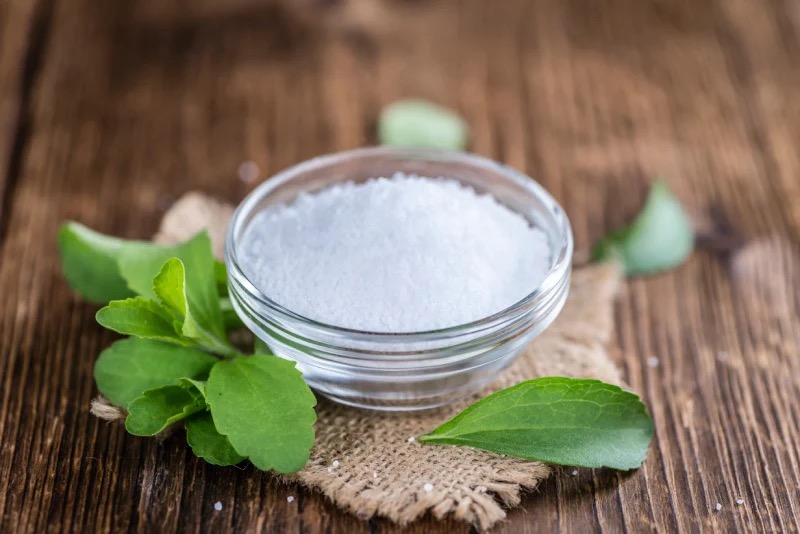
Stevia refers to the family of sweet-tasting compounds extracted from the leaves of the Stevia rebaudiana plant. The primary sweeteners are steviol glycosides, including rebaudioside A (reb A) and stevioside, which are hundreds of times sweeter than sucrose. Because of this potency, Stevia is typically used in very small amounts, often as part of a broader sweetener system. Many formulations pair Stevia with bulking agents or other natural sweeteners to achieve a balance of sweetness, mouthfeel, and aftertaste neutrality. The interest in Stevia extends beyond mere sweetness: it is studied for potential metabolic benefits, glycemic control, and even antioxidant properties, while maintaining a strong emphasis on product safety and regulatory compliance.[2][3][4]
Stevia's zero- or near-zero caloric contribution makes it an attractive tool for reducing added sugars in foods and beverages. This aligns with public health guidance to limit free sugar intake and with consumer desires for healthier options. However, the intrinsic sweetness of Stevia can be perceptually different from sugar, sometimes presenting an aftertaste or bitterness at higher concentrations. To address sensory challenges, formulators often employ multi-sweetener systems, combining Stevia with natural sweeteners like monk fruit, Luo Han Guo extract, or sugar alcohols (polyols), plus aroma compounds to achieve a more sugar-like profile. The result is a flexible sweetness toolkit that preserves the sensory attributes of the final product while delivering calorie reductions.[1][2]
- Caloric and glycemic impact: Stevia provides minimal or no calories and does not necessarily raise postprandial blood glucose for many individuals, supporting weight management and glycemic control objectives. This makes Stevia a common choice in diet beverages, diabetic-friendly snacks, and low-sugar formulations. Ongoing research continues to refine understanding of dose-dependent effects and consumer variability.[4][1]
- Potential cardiovascular and other health signals: Some studies explore Stevia's influence on blood pressure and renal function, with mixed or context-dependent outcomes. While certain findings suggest modest benefits in some populations, the overall evidence base emphasizes prudence and dose-appropriate use within regulatory frameworks.[10][4]
- Safety and regulatory status: High-purity steviol glycosides are widely recognized as safe by major regulatory bodies when consumed within established daily intake limits. It remains important to distinguish purified steviol glycosides from crude Stevia leaf extracts or whole-plant preparations, which carry different safety and labeling considerations.[3][2]
- Gut microbiome considerations: Recent studies suggest that Stevia and other non-nutritive sweeteners may not drastically alter gut microbiota in some contexts, though findings are nuanced and depend on product form, dose, and duration of consumption. This area remains active in research and should be monitored for product-specific implications.[8]
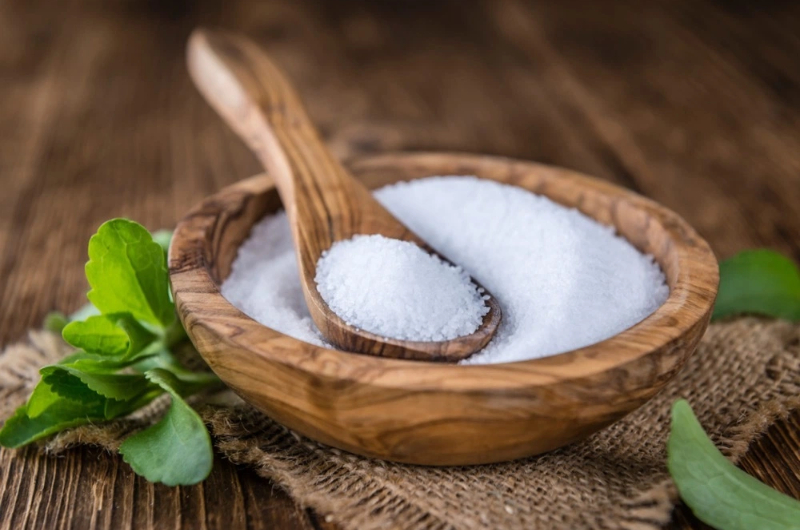
- Bitterness and aftertaste: Some steviol glycoside blends exhibit bitterness at higher sweetness levels, particularly Reb D and Reb A-rich extracts. Sensory optimization often relies on blending strategies and flavor-modulating ingredients to suppress off-notes without compromising sweetness.[1][2]
- Mouthfeel and bulk: Because Stevia is intensely sweet but essentially non-bulking, producers frequently pair Stevia with bulking agents (like polydextrose, inulin, or citrus fiber) to replicate the body and viscosity of sugar in beverages and bakery products. This balancing act is crucial for consumer acceptance, especially in Teas, ready-to-drink beverages, and dairy products.[2][3]
- Stability under processing: Stevia typically maintains sweetness across typical processing conditions, but formulation-specific stability testing remains essential to ensure color, texture, and flavor integrity over shelf life.[11][2]
- Beverages: In waters, lightened teas, energy drinks, and nutrition beverages, Stevia enables zero- or low-calorie sweetness. Successful products often rely on precise blending to avoid aftertaste while delivering a clean, refreshing sweetness that resonates with health-conscious consumers.[11][2]
- Dairy and plant-based alternatives: Yogurt, flavored milk, and plant-based beverages benefit from Stevia when paired with texture modifiers to sustain mouthfeel and avoid thinness. Formulators may combine Stevia with other natural sweeteners to preserve a creamy mouthfeel.[2][11]
- Bakery and snacks: In cookies, cakes, and snack bars, Stevia must be integrated with bulking systems to emulate sugar's functional roles, including moisture retention and crumb structure. Recipe and formulation development often requires iterative testing to preserve crumb, tenderness, and overall quality.[2]
- Nutraceuticals and supplements: Stevia-based sweeteners are used to improve palatability in protein powders, meal replacement shakes, and chewable tablets, while enabling lower overall sugar content in health-oriented products.[3][4]
- Ingredient sourcing and purity: Brands should source standardized steviol glycoside ingredients with clearly defined Reb A content and impurity profiles to ensure consistent sweetness and regulatory compliance.[3][2]
- Label claims and consumer education: Accurate labeling around “naturally sweetened” or “steviol glycosides used” supports transparency while avoiding overstated health claims. Clear communication about zero calories, glycemic impact, and suitability for various diets helps build consumer trust.[10][2]
- Regional regulatory nuance: Different markets may have variations in permitted usage levels, labeling requirements, and allowed claims for Stevia-containing products. Close alignment with local regulations minimizes risk and expedites market entry.[3]
Safety and consumer considerations
- Distinction between purified Stevia derivatives and whole-plant extracts: Purified steviol glycosides are the focus of contemporary safety reviews, whereas crude extracts and whole leaves have more variable compositions and regulatory status. Understanding this distinction is essential for product development and regulatory submissions.[2][3]
- Populations with special considerations: Most consumers can safely use Stevia within established guidelines, but pregnant women and individuals with certain underlying conditions should follow product labeling and medical guidance. Monitoring by regulatory bodies and ongoing research helps refine recommendations over time.[4][10]
- Clean-label and natural sweetness: The market increasingly favors natural sweeteners with simple ingredient lists. Stevia's plant-based origin and zero-calorie profile support its positioning as a core component of clean-label sweetness strategies across categories.[1][2]
- Price dynamics and supply considerations: Stevia ingredient markets are subject to agricultural yields and crop variability, which can influence pricing and formulation planning. Strategic sourcing and scenario planning help ensure stability in product development pipelines.[1]
- Education and claims: Transparent storytelling about Stevia, its origins, safety, and regulatory status helps brands differentiate while avoiding miscommunication about health benefits beyond established evidence.[10][2]
- Ingredient selection and supplier collaboration: Choose standardized steviol glycoside ingredients from reputable suppliers that provide detailed purity, Reb A content, and impurity profiles. Collaboration with suppliers can support formulation optimization and quality assurance.[3][2]
- Formulation methodology: Start with pilot formulations that combine Stevia with bulking agents and compatible natural sweeteners. Employ sensory evaluation, shelf-life testing, and stability assessments to refine sweetness profile, aftertaste, and mouthfeel.[11][2]
- Process considerations and scaling: When moving from lab-scale to production, consider the impact of processing on sweetener performance, including heat exposure, emulsification, and moisture content. Proper process controls help maintain consistency across batches.[2]
- Sensory variability: Individual palates vary, so consumer testing across target segments is crucial to understand preferred sweetness levels and aftertaste acceptability.[1]
- Cost and supply volatility: The price of Stevia ingredients can fluctuate; proactive procurement strategies and hedging can mitigate budgetary risk in large-scale product launches.[1]
- Misleading health claims: Regulatory compliance is essential to avoid overstating health benefits; focus messaging on classification as a zero-calorie sweetener and support claims with substantiated data.[10][2]
Stevia sugar substitutes offer compelling advantages for sugar-reduction strategies in food, beverage, and healthcare products. With zero calories, favorable glycemic considerations in many contexts, and robust consumer demand for natural ingredients, Stevia can occupy a central role in healthier sweetness across a broad range of applications. The key to success lies in thoughtful formulation, rigorous safety and stability testing, and transparent, regulation-compliant messaging that emphasizes taste quality and consumer experience while preserving the integrity of the product's health-oriented positioning.
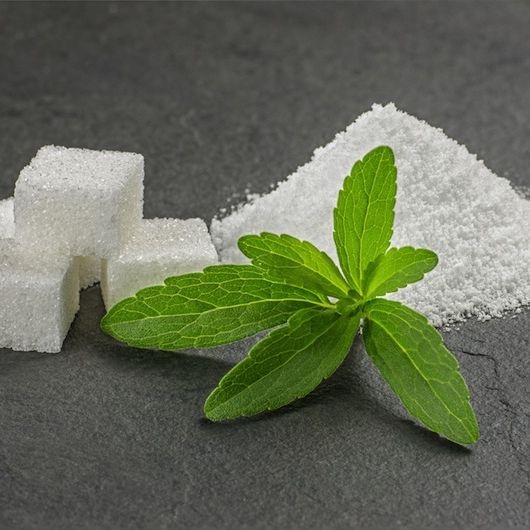
Stevia refers to natural sweeteners extracted from the Stevia rebaudiana plant, primarily steviol glycosides such as rebaudioside A and stevioside, used to achieve sweet taste with minimal calories.[3]
Yes, purified steviol glycosides generally do not raise blood glucose levels and are considered safe for many individuals with diabetes when consumed within approved limits.[4][2]
Stevia provides sweetness but often requires bulking agents or blends to replace sugar's bulk and moisture in baked goods; formulation testing is essential.[2]
Some evidence suggests potential cardiovascular benefits in certain contexts, but results vary; use should align with regulatory guidance and consumer expectations.[4][10]
No. Differences in purity, ratios of steviol glycosides, and processing can affect taste, aftertaste, and stability; select standardized ingredients from reputable suppliers.[3][2]
[1](https://www.sciencedirect.com/science/article/abs/pii/S187140212400153X)
[2](https://www.ingredion.com/na/en-us/ingredients/ingredient-types/stevia)
[3](https://pmc.ncbi.nlm.nih.gov/articles/PMC8600158/)
[4](https://health.clevelandclinic.org/what-is-stevia)
[5](https://pmc.ncbi.nlm.nih.gov/articles/PMC4890837/)
[6](https://www.webmd.com/food-recipes/what-is-stevia)
[7](https://www.sciencedirect.com/science/article/abs/pii/S0924224420304593)
[8](https://www.news-medical.net/news/20240122/Sweetener-Stevia-does-not-alter-gut-microbiota-composition-confirms-new-study.aspx)
[9](https://ecancer.org/en/news/26775-stevia-leaf-extract-has-potential-as-anticancer-treatment-researchers-find)
[10](https://www.health.com/stevia-benefits-8634412)
[11](https://www.caldic.com/zh-hans-cn/markets/food-beverage/beverage/)


