


Content Menu
● Is Stevia an Artificial Sweetener?
● Potential Side Effects and Safety
● Using Stevia in Cooking and Baking
● Stevia Compared to Other Sweeteners
● Choosing Between Stevia and Artificial Sweeteners
● FAQ
>> 1. Is stevia natural or artificial?
>> 2. Does stevia contain calories?
>> 3. Is stevia safe to consume?
>> 4. Can stevia be used for cooking and baking?
>> 5. Does stevia affect blood sugar levels?
Stevia is a sweetener gaining widespread attention as a natural alternative to both sugar and synthetic sweeteners. Many people ask, Is stevia artificial sugar? This question stems from stevia's natural origin as a plant-based sweetener versus its heavily processed commercial forms. Understanding stevia's nature, production, health impacts, and how it compares to artificial sweeteners will clarify this important topic.
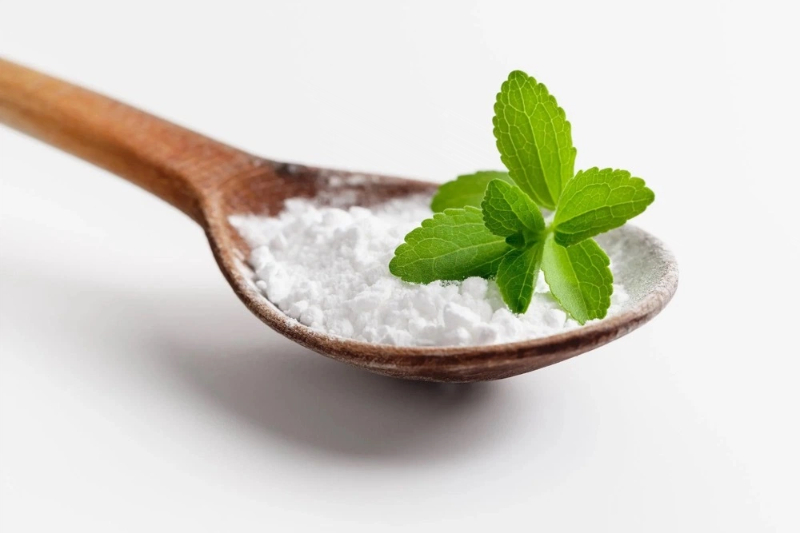
Stevia is a natural sweetener extracted from the leaves of the Stevia rebaudiana plant native to South America. The sweetening power of stevia comes primarily from compounds called steviol glycosides, which are 200 to 400 times sweeter than table sugar but contain no calories. This intense sweetness with zero calories makes stevia a popular sugar substitute, particularly for those managing weight or blood sugar levels.
Although derived from a natural plant, commercial stevia sweeteners undergo extensive processing. The leaves are harvested, dried, and subjected to water extraction to isolate the sweet steviol glycosides. These extracts are then purified and crystallized into powders or liquid concentrates. Because of this processing, the final commercial stevia products are far removed from the natural leaf form. Regulatory bodies such as the FDA only approve these purified extracts for food use, not whole-leaf or crude stevia leaves due to insufficient safety evidence.
Stevia occupies a complex space between natural and artificial sweeteners. Unlike artificial sweeteners such as aspartame, sucralose, and saccharin—which are chemically synthesized to mimic sugar's sweetness—stevia comes from a plant and is not synthetic in origin. However, because of the intensive extraction and purification processes, some consider commercial stevia products to be similar to artificial sweeteners in form and use. Unlike fully synthetic sweeteners, stevia retains its natural plant-based roots but is highly processed before consumption.
The difference can be summarized as:
- Artificial sweeteners: entirely synthetic, created via chemical modification.
- Stevia: plant-derived but heavily refined extracts.
Thus, stevia is best described as a natural sweetener that undergoes significant processing, positioning it as a natural-based alternative to artificial sweeteners.[1][6][11][12]
Stevia offers several noteworthy health benefits making it attractive for reducing sugar intake:
- Zero calories: It contains no calories, aiding weight management.
- Blood sugar friendly: Stevia does not raise blood glucose or insulin levels, beneficial for diabetics.
- Dental health: It does not promote tooth decay.
- Possible antioxidant effects: Preliminary studies suggest stevia may have antioxidant properties.
Stevia is widely incorporated into "diet" or "no sugar added" products such as beverages and yogurts for these reasons. Research also shows stevia may help lower post-meal blood sugar and insulin spikes versus sugar or some artificial sweeteners, supporting its role in blood sugar control.[2][3][5][13][14]
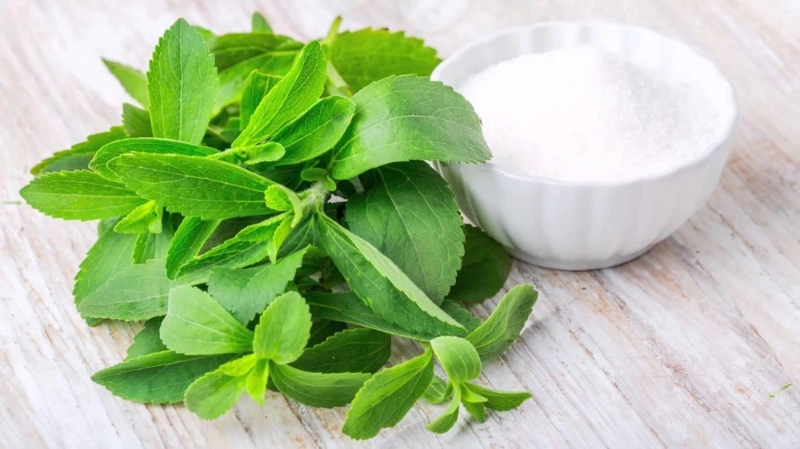
Purified stevia extracts have been granted Generally Recognized As Safe (GRAS) status by the FDA and are considered safe when consumed in typical amounts. Some people might experience mild digestive upset or nausea, but serious adverse effects are rare. Whole-leaf or crude stevia is not approved due to limited safety data.
Compared to some artificial sweeteners with controversial safety profiles, stevia appears to be a safer alternative with fewer reported risks. Ongoing studies continue to monitor long-term effects, but current evidence supports stevia's safety when used responsibly.[8][11][15]
Stevia is heat-stable and can be used for cooking and baking, though it is much sweeter than sugar—so much so that only small quantities are needed. It often has a slight licorice-like or bitter aftertaste, which can be lessened by blending stevia with other sweeteners like erythritol or using highly purified extracts.
Tips for best use include:
- Use sparingly due to high sweetness potency.
- Combine with bulking agents or other sweeteners for better texture and flavor balance.
- Ideal for sweetening beverages, yogurts, and baked goods with low or no sugar.
Stevia's versatility and zero calories make it a useful option for many culinary applications.[3][5][2]
| Attribute | Stevia | Artificial Sweeteners | Table Sugar |
|---|---|---|---|
| Source | Plant-based (Stevia leaf) | Synthetic chemicals | Plant-based (Sugarcane/Beet) |
| Sweetness Intensity | 200-400 times sweeter | 200-700 times sweeter | Baseline sweetness |
| Calories | Zero | Zero | ~4 calories/gram |
| Blood Sugar Impact | Does not raise blood sugar | Generally no impact | Raises blood sugar |
| Aftertaste | Sometimes licorice-like or bitter | Varies by sweetener | None |
| Processing Level | Highly processed extracts | Fully synthetic | Minimal processing |
Stevia stands out as a natural-origin sweetener with benefits similar to artificial sweeteners but a plant-based source that appeals to consumers seeking natural products. Its safety profile and zero calories support its growing use as a sugar substitute.[5][6][16][1]
When deciding between stevia and artificial sweeteners, consider:
- Natural vs synthetic: Stevia comes from a plant; artificial sweeteners are lab-made.
- Taste preferences: Stevia may have a slight aftertaste, while some artificial sweeteners have different flavor profiles.
- Health concerns: Stevia generally has fewer potential adverse effects based on current research.
- Usage: Both can be used in similar food and beverage applications as calorie-free sweeteners.
Stevia is often viewed as the healthier and more natural choice, but individual reactions and preferences vary. Using either sweetener in moderation is recommended to minimize potential negative effects such as increased sugar cravings.[9][10][1][5]
Stevia is a natural sweetener derived from the stevia plant but undergoes extensive processing to create the purified extracts used commercially. It is not a traditional artificial sweetener but shares some characteristics due to this processing. Stevia offers intense sweetness without calories and with a strong safety profile, making it an attractive sugar substitute for weight management and blood sugar control. Compared to artificial sweeteners, stevia tends to have fewer health concerns and provides a natural-based alternative. For those looking to reduce sugar intake, stevia is a beneficial option when used in moderation for cooking, baking, and sweetening beverages.
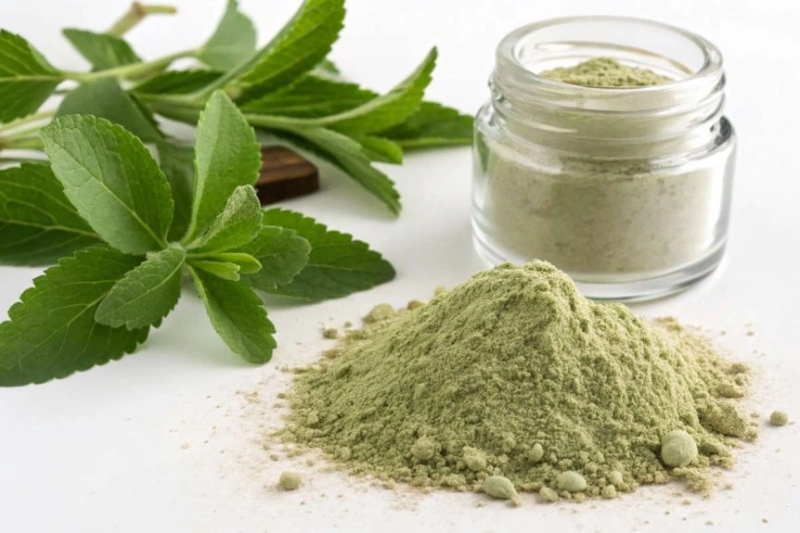
Stevia is a natural sweetener derived from a plant, but commercial stevia products are purified extracts that undergo significant processing, blurring the line between natural and artificial sweeteners.
No, stevia contains zero calories, making it suitable for weight management and diabetic diets.
Yes, purified stevia extracts are considered safe by regulatory authorities like the FDA, though whole-leaf stevia lacks sufficient safety data.
Yes, stevia is heat-stable and can be used in baking and cooking, but it is very sweet and may have a slight aftertaste that can be mitigated by blending with other sweeteners.
Stevia does not raise blood sugar or insulin levels, making it a safe alternative for people with diabetes.
[1](https://www.goodrx.com/well-being/diet-nutrition/stevia-bad-for-you)
[2](https://rockypointrx.com/stevia/)
[3](https://villagepharmacyhampstead.com/stevia/)
[4](https://www.fda.gov/food/food-additives-petitions/aspartame-and-other-sweeteners-food)
[5](https://www.healthline.com/nutrition/stevia-vs-splenda)
[6](https://www.gundersenhealth.org/health-wellness/eat-move/artificial-vs-natural-sweeteners-the-inside-scoop-on-sugar-substitutes)
[7](https://health.clevelandclinic.org/what-is-stevia)
[8](https://pmc.ncbi.nlm.nih.gov/articles/PMC7584803/)
[9](https://www.mayoclinic.org/healthy-lifestyle/nutrition-and-healthy-eating/in-depth/artificial-sweeteners/art-20046936)
[10](https://ific.org/resources/articles/everything-you-need-to-know-about-stevia-sweeteners/)
[11](https://www.cancercenter.com/risk-factors/artificial-sweeteners-cancer)
[12](https://www.consumerreports.org/sugar-sweeteners/is-stevia-an-artificial-sweetener/)
[13](https://www.webmd.com/food-recipes/what-is-stevia)
[14](https://www.usatoday.com/story/life/health-wellness/2025/09/04/is-stevia-bad-for-you/85653183007/)
[15](https://www.news-medical.net/health/Is-Stevia-Safe.aspx)
[16](https://en.wikipedia.org/wiki/Stevia)


