


Content Menu
>> Calorie Reduction and Weight Control
>> Laxative and Digestive Support
● Sorbitol in Food and Beverages
● Sorbitol in Medical and Pharmaceutical Uses
● Potential Side Effects of Sorbitol
● Safety and Regulatory Status of Sorbitol
● Scientific Studies on Sorbitol
● Sorbitol Dosage and Consumption Tips
● Sorbitol vs. Other Sugar Alcohols
● Incorporating Sorbitol in Daily Diet
● Sorbitol for Specific Health Conditions
● Future of Sorbitol in Health Solutions
● FAQ
>> 1. Is Sorbitol safe for daily use?
>> 2. Can Sorbitol help with weight loss?
>> 3. Does Sorbitol affect blood sugar?
>> 4. What are Sorbitol side effects?
>> 5. How is Sorbitol used in manufacturing?
Sorbitol serves as a versatile sugar alcohol widely used in food, beverages, and healthcare products, offering a lower-calorie alternative to sugar with notable benefits for dental health and blood sugar control. As a natural polyol found in fruits like apples and pears, Sorbitol provides sweetness without the full caloric impact of sucrose, making it popular in sugar-free gums, candies, and diabetic-friendly formulations. However, whether Sorbitol is good for you depends on dosage, individual tolerance, and health conditions, as excessive Sorbitol can lead to digestive issues.

Sorbitol, also known as glucitol, is a sugar alcohol derived from glucose through hydrogenation, naturally occurring in various berries, stone fruits, and vegetables. This polyol structure gives Sorbitol its unique properties: about 60% as sweet as sugar, with a cooling sensation in the mouth due to its slow dissolution. Manufacturers produce Sorbitol commercially from corn syrup or starch via enzymatic hydrolysis followed by catalytic hydrogenation, yielding high-purity Sorbitol for industrial use.
In the food industry, Sorbitol acts as a humectant, sweetener, and stabilizer, preventing dryness in baked goods and maintaining moisture in confections. For healthcare applications, Sorbitol features in laxatives, oral care products, and pharmaceuticals, where its osmotic properties draw water into the intestines or provide bulk without promoting tooth decay. Chinese factories specializing in natural sweeteners excel in blending Sorbitol with other polyols and fibers for OEM/ODM services tailored to overseas manufacturers in food, beverage, and medical sectors.
Sorbitol's molecular formula, C6H14O6, allows it to mimic sugar's texture while delivering only 2.6 calories per gram compared to sugar's 4. This makes Sorbitol ideal for low-calorie products, and its non-fermentable nature by oral bacteria positions Sorbitol as a caries-preventive agent recognized by dental associations worldwide. Sorbitol's versatility extends to cosmetics, where it acts as a moisturizer, and in personal care items like toothpaste, enhancing Sorbitol's role in daily hygiene routines.
Beyond basic applications, Sorbitol supports formulation stability in protein bars and nutritional supplements, where Sorbitol prevents crystallization and improves shelf life. For beverage producers, Sorbitol imparts a smooth mouthfeel in sugar-free sodas and energy drinks, allowing Sorbitol to replace high-fructose corn syrup effectively. Factories focused on functional ingredients innovate with Sorbitol blends that combine Sorbitol with prebiotics for enhanced gut health benefits.
Sorbitol abounds in nature, particularly in rowanberries, apples, pears, peaches, plums, and blackberries, where it contributes to their natural sweetness and juiciness. A medium apple contains about 1-2 grams of Sorbitol, while stone fruits like prunes offer higher levels, up to 15 grams per 100 grams, explaining their mild laxative effect. Consuming these Sorbitol-rich foods provides dietary fiber alongside, enhancing gut health benefits from natural Sorbitol sources.
Industrial extraction favors corn-based glucose for scalable Sorbitol production, but natural Sorbitol from fruits inspires clean-label products. For beverage manufacturers, blending fruit-derived Sorbitol with fibers creates functional drinks that leverage Sorbitol's natural appeal for health-conscious consumers. These natural Sorbitol sources also inform product labeling, allowing brands to highlight Sorbitol as a plant-based polyol in marketing campaigns.
Rowanberries stand out with exceptionally high Sorbitol content, historically used in traditional remedies for digestion. Apples and pears deliver Sorbitol alongside pectin, a fiber that complements Sorbitol's effects for better bowel regularity. Plums and prunes, rich in Sorbitol, serve as time-tested natural laxatives, demonstrating Sorbitol's longstanding role in human diets worldwide.
Sorbitol production begins with starch hydrolysis to glucose, followed by high-pressure hydrogenation using nickel catalysts, achieving 60-70% conversion efficiency. Purification via ion exchange, filtration, and crystallization yields food-grade Sorbitol at 70% or 99% concentrations, suitable for diverse applications. This process, optimized in facilities like those in China, supports annual global output exceeding millions of tons of Sorbitol.
Quality control ensures Sorbitol meets pharmacopeia standards, free from heavy metals or microbial contaminants. For tablet production, Sorbitol serves as an excipient, providing compressibility and mouthfeel in chewables. Overseas partners benefit from turnkey Sorbitol-based OEM lines, blending it with sweeteners for customized health solutions.
The hydrogenation step involves dissolving glucose in water, adding Raney nickel catalyst, and applying hydrogen gas under 40-60 bar pressure at 120-150°C, transforming glucose into Sorbitol efficiently. Post-reaction, the catalyst filters out, and the solution evaporates to concentrate Sorbitol syrup. Advanced chromatography separates residual glucose, ensuring pharmaceutical-grade Sorbitol purity above 99.5%.
Modern plants incorporate continuous flow reactors for Sorbitol production, reducing energy use and increasing yield. Chinese manufacturers lead in scaling Sorbitol processes for export, offering Sorbitol powders, solutions, and custom granulations. Sustainability efforts recycle catalysts and use bio-based starches, aligning Sorbitol production with green chemistry principles.
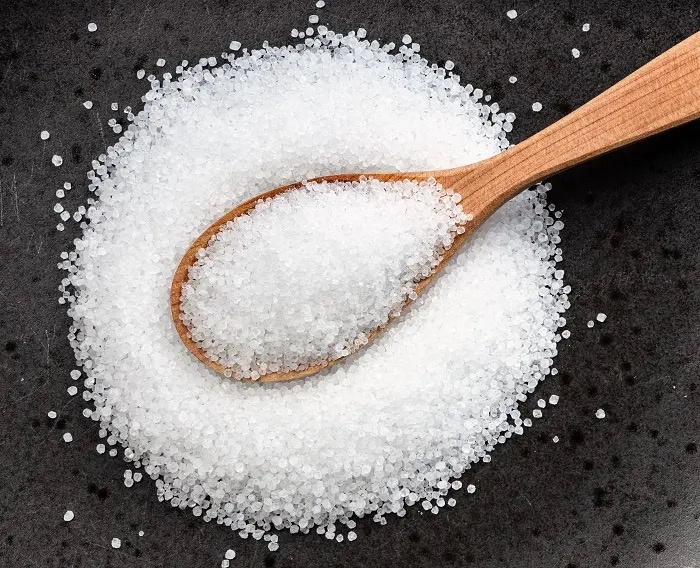
Sorbitol stands out for oral health, as oral bacteria cannot metabolize it into acids, reducing cavity risk significantly in gums and mints. Dental groups endorse Sorbitol-sweetened products for caries prevention, making Sorbitol a staple in toothpastes and sugar-free confections. Regular use of Sorbitol gum after meals stimulates saliva flow, further protecting enamel.
For diabetics, Sorbitol raises blood glucose minimally due to slow small-intestine absorption, with a glycemic index near zero. This property allows Sorbitol in light beverages and snacks, aiding weight control at 2.6 kcal/g. Functional Sorbitol blends enhance diabetic formulations via OEM services from specialized factories.
Studies show Sorbitol's insulin response is 30-50% lower than sucrose, supporting stable glucose levels. Diabetics can incorporate Sorbitol into daily diets without frequent monitoring spikes. Blends pairing Sorbitol with chromium or fiber amplify Sorbitol's blood sugar benefits.
Sorbitol delivers bulk and sweetness with fewer calories, ideal for low-cal frozen desserts and baked goods. Partial fermentation in the colon generates short-chain fatty acids, supporting gut microbiota selectively. Sorbitol's satiety effect helps curb overeating, as Sorbitol mimics sugar's volume without excess energy.
In weight management programs, Sorbitol-sweetened snacks replace high-calorie treats, promoting adherence. Athletes use Sorbitol in energy gels for sustained release without GI distress at moderate levels.
As an osmotic laxative, Sorbitol draws water into the bowel, relieving constipation effectively within 1-2 hours orally or rectally. Medical-grade Sorbitol treats hyperkalemia adjunctively and irrigates during urologic procedures. Sorbitol's gentle action suits chronic constipation without habituation risks of stimulants.
Combining Sorbitol with magnesium enhances laxative potency for severe cases. Pediatric formulations use low-dose Sorbitol for safe relief.
Sorbitol enhances texture in candies, gums, and ice creams, preventing crystallization and retaining moisture. In beverages, Sorbitol stabilizes sugar-free drinks, providing body without calories. Bakers rely on Sorbitol for soft, moist cookies and cakes that stay fresh longer.
| Food Category | Max Sorbitol Usage | Key Benefit |
|---|---|---|
| Hard Candy | 99% | Sweetness, humectancy |
| Chewing Gum | 75% | Cooling effect, non-cariogenic |
| Baked Goods | 30% | Moisture retention |
| Frozen Desserts | 17% | Smooth texture |
| Other Foods | 12% | Calorie reduction |
| Beverages | 5-10% | Mouthfeel stability |
Chinese factories develop Sorbitol-mixed sweeteners for OEM export, ensuring compliance across markets. Sorbitol shines in gummy vitamins, where Sorbitol provides chewiness and masks bitter flavors. In sports drinks, Sorbitol hydrates without osmotic imbalance.
Nutritional bars blend Sorbitol with nuts and oats for portable, low-glycemic snacks. Yogurt producers add Sorbitol for creaminess in low-fat versions, preserving indulgence.
Pharma employs Sorbitol as a sweetener in syrups, tablets, and injectables, leveraging its solubility and stability. In healthcare, Sorbitol laxatives treat irregularity, while topical Sorbitol moisturizes skin in cosmetics. Sorbitol's isotonic properties make it ideal for IV solutions and eye drops.
OEM tablet lines incorporate Sorbitol for effervescent and chewable formats, tailored for global healthcare brands. Sorbitol binds active ingredients in lozenges, ensuring even release. In wound care, Sorbitol hydrogels promote healing via hydration.
Veterinary medicine uses Sorbitol for animal laxatives and flavoring. Hospitals stock Sorbitol enemas for rapid bowel prep before procedures.
Excess Sorbitol triggers osmotic diarrhea, bloating, and cramps via unabsorbed Sorbitol fermenting in the colon. Sensitive individuals, especially with IBS, experience gas from Sorbitol at lower thresholds. Regulatory bodies mandate laxative warnings on high-Sorbitol products.
Long-term high Sorbitol may alter gut microbiota, though human data emphasizes moderation. Pregnant users should consult physicians for Sorbitol dosing. Children tolerate Sorbitol well below adult limits.
Hydration mitigates Sorbitol side effects; pairing with electrolytes balances fluids. Gradual introduction builds tolerance to Sorbitol's osmotic pull.
Major authorities deem Sorbitol generally recognized as safe, with no upper intake limit for most due to its natural occurrence and long history. Global approvals affirm Sorbitol for all ages, with labeling for digestive notes. Cosmetics panels confirm Sorbitol's topical safety.
Regulatory harmony enables seamless Sorbitol trade, from Asia to Europe. Factories ensure Sorbitol batches pass stringent purity tests.
Decades of research affirm Sorbitol's non-cariogenic profile and diabetic utility. Animal models explore microbiome shifts with chronic Sorbitol, supporting moderate use. Human trials validate Sorbitol's role in weight loss diets.
Ongoing studies investigate Sorbitol synergies with probiotics for gut optimization. Clinical data on Sorbitol in elderly populations guides safe dosing.
Start with low Sorbitol daily, increasing gradually to assess tolerance. Pair Sorbitol with fibers in blends for better digestion. Factories customize Sorbitol ratios for optimal sensory profiles.
Spread Sorbitol intake across meals to minimize peaks. Track personal thresholds via food diaries.
| Sweetener | Sweetness (% Sucrose) | Calories/g | GI | Laxative Threshold |
|---|---|---|---|---|
| Sorbitol | 60% | 2.6 | ~9 | 50g |
| Xylitol | 100% | 2.4 | 7 | Higher |
| Mannitol | 50-70% | 2.1 | 0 | Lower |
| Erythritol | 70% | 0.2 | 1 | Minimal |
| Maltitol | 90% | 2.1 | 35 | 90g |
Sorbitol excels in texture for OEM food applications, balancing cost and functionality.
Use Sorbitol in gums, yogurts, and low-cal bars. For baking, substitute with adjustments for Sorbitol's properties. Smoothies blend Sorbitol powders for sweetness without fruit carbs.
Home recipes feature Sorbitol in no-bake energy balls and frozen treats. Athletes sip Sorbitol-electrolyte mixes during endurance events.
Diabetics benefit from Sorbitol's low GI; IBS patients limit intake carefully. Elderly use Sorbitol laxatives under guidance. Athletes leverage Sorbitol for hydration without crashes.
Sorbitol aids post-surgery recovery via gentle bowel support. Keto dieters incorporate Sorbitol sparingly for texture.
Innovations blend Sorbitol with fibers for synbiotics, expanding OEM opportunities. Nano-encapsulated Sorbitol targets delivery for precision nutrition. Sustainable Sorbitol from algae promises eco-friendly scaling.
Personalized Sorbitol formulations via AI optimize for genetics and microbiomes.
Sorbitol proves beneficial for dental health, calorie control, and sugar management when consumed moderately, backed by extensive safety data and versatile applications. While digestive side effects occur at high doses, strategic Sorbitol incorporation enhances health-focused products across food, beverage, and pharma. Partner with experts in natural polyols for superior OEM blends delivering innovative Sorbitol solutions.
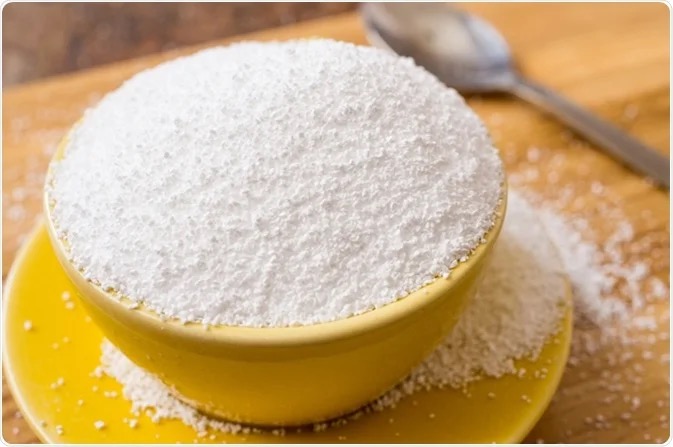
Yes, Sorbitol is safe for most at moderate levels, supporting dental and metabolic health without daily risks for tolerant individuals.
Sorbitol reduces calories in recipes while maintaining satisfaction, aiding sustainable weight control efforts.
Sorbitol has minimal glycemic impact, making it suitable for diabetes management and low-carb lifestyles.
High Sorbitol doses may cause bloating or laxation; start low to build tolerance.
Sorbitol stars in OEM sweetener blends and tablets for food, beverage, and healthcare firms worldwide.


