
Views: 222 Author: Sara Publish Time: 2025-12-03 Origin: Site


Content Menu
● Is Erythritol Artificial or Natural?
● Health Benefits of Erythritol
● Potential Concerns and Controversies
● Industrial Applications of Erythritol
● Erythritol Production Process
● FAQ
>> 1. Is erythritol safe to consume every day?
>> 2. Does erythritol raise blood sugar levels?
>> 3. How does erythritol differ from traditional artificial sweeteners?
>> 4. Can erythritol cause digestive issues?
>> 5. Is erythritol considered a natural sweetener?
Erythritol is a frequently used sugar substitute in the food, beverage, and healthcare industries, favored for its low calorie content and sugar-like taste. Understanding whether erythritol qualifies as an artificial sweetener is essential for both consumer perception and regulatory guidance. This article provides a comprehensive overview of erythritol, covering its nature, production, health impacts, industrial applications, and addresses common questions related to its use.

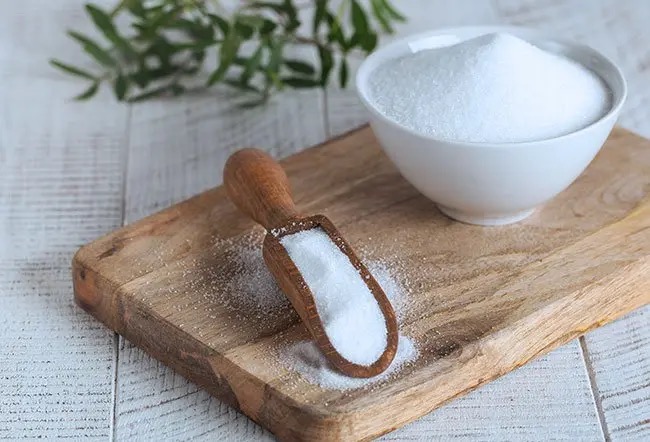
Erythritol is a sugar alcohol, also known as a polyol, that naturally occurs in small amounts in various fruits like pears, melons, and grapes, as well as fermented products such as soy sauce. It appears as a white crystalline powder with about 60–70% of the sweetness of table sugar but provides almost zero calories—around 0.24 calories per gram versus 4 calories per gram in sucrose.
Commercially, erythritol is produced primarily through fermentation. Glucose extracted from plant starches, especially corn starch, serves as the raw material. This glucose undergoes fermentation using specialized yeast strains, such as Moniliella pollinis or other osmotic stress-tolerant yeasts. The fermentation process involves maintaining specific conditions—temperature ranging from 30 to 32 °C, controlled pH near 5 to 6.5, and adequate oxygen supply—to optimize the yeast's growth and erythritol production. After fermentation, the erythritol is separated, purified, and crystallized for use in various products.
The classification of erythritol as an artificial or natural sweetener is nuanced. Since it naturally occurs in foods, erythritol is often considered a natural compound. However, the erythritol used in commercial products is industrially produced through controlled fermentation rather than direct extraction from natural sources. No chemical synthesis with harsh chemicals is involved in typical production; instead, microbes convert glucose into erythritol under specific conditions.
This industrial fermentation method is considered a natural or nature-identical process, placing erythritol somewhere between fully natural sweeteners like stevia extracts and entirely synthetic artificial sweeteners like aspartame or sucralose. Therefore, erythritol is best described as a natural-based or nature-identical sweetener rather than a purely artificial one.
Erythritol offers multiple health benefits which have driven its popularity in food and health industries:
- It contains virtually no calories, making it suitable for weight control and calorie-restricted diets.
- It does not raise blood sugar or insulin levels, making erythritol a safe sugar substitute for diabetics.
- Erythritol does not contribute to tooth decay and may inhibit the growth of oral bacteria, promoting dental health.
- It provides a clean, sweet taste similar to sugar without the bitterness or aftertaste found in some artificial sweeteners.
Additionally, erythritol has high digestive tolerance compared to other sugar alcohols, with most of it absorbed in the small intestine and excreted unchanged in urine, minimizing common side effects like laxation or bloating.
Some recent studies have raised questions about potential cardiovascular risks associated with high erythritol levels in the blood, though these findings remain under scientific debate and have not led to changes in regulatory approvals. Generally, erythritol is regarded as safe by food safety authorities worldwide, including the FDA and EFSA.
In rare cases, excessive consumption may cause mild gastrointestinal discomfort, especially when consumed in large amounts beyond typical dietary levels. However, erythritol's tolerance is superior to other polyols like sorbitol or maltitol, which are more likely to cause digestive issues.
Erythritol's unique properties make it highly valuable in the food, beverage, and pharmaceutical industries:
- As a bulking agent combined with high-intensity sweeteners to replicate the taste and mouthfeel of sugar.
- In sugar-free and reduced-calorie products, including chewing gums, candies, baked goods, beverages, and protein bars.
- Pharmaceutical tablets and supplements, where erythritol's stability and sweetness improve patient acceptability.
- Functional foods targeting specific health conditions such as diabetes and obesity.
Its compatibility with other sweeteners and a clean label appeal make it a preferred choice for formulators aiming to reduce sugar content without compromising taste or texture.
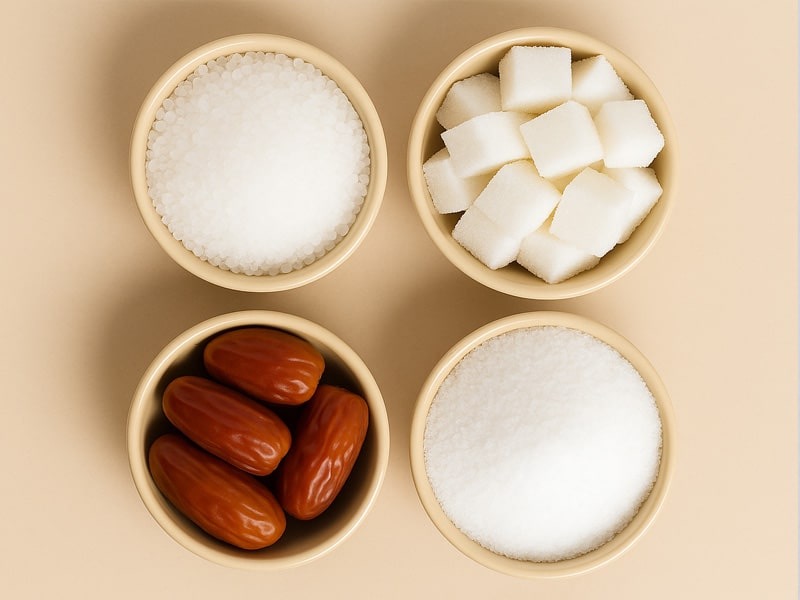
The production of erythritol through fermentation is a controlled biotechnological process. First, a fermentation medium containing glucose, nitrogen sources, and minerals is sterilized and cooled to optimal temperatures (around 30-32°C). Then, yeast strains specifically selected for high erythritol yield are inoculated.
A notable method involves one-time feeding of all nutrients into the fermentation tank, reducing contamination risks and shortening fermentation time to less than 100 hours. Conditions such as oxygen supply, pH (typically around 5 to 6.5), temperature, and pressure are meticulously controlled to maximize conversion efficiency.
Post fermentation, the broth containing erythritol is filtered and purified through processes like crystallization to obtain high-purity erythritol suitable for food and pharmaceutical use. Recent advances in fed-batch fermentation and strain engineering continue to improve productivity and lower production costs, making erythritol increasingly accessible.
Erythritol is a natural-based sweetener that naturally occurs in fruits but is industrially produced by fermentation rather than chemical synthesis. Its classification sits between natural and artificial sweeteners. It is prized for its zero-calorie content, minimal glycemic impact, dental benefits, and pleasant sweet taste with high digestive tolerance. While some health controversies exist, erythritol remains widely accepted as safe and advantageous in reducing sugar intake across food, beverage, and healthcare products.
Yes, erythritol is generally safe for daily consumption as approved by regulatory bodies. Moderation is advised to minimize any digestive discomfort.
No, erythritol has a negligible effect on blood glucose and insulin levels, making it ideal for people with diabetes.
Unlike synthetic artificial sweeteners such as aspartame, erythritol is a sugar alcohol naturally found in foods and produced via microbial fermentation without chemical synthesis.
When consumed in large amounts, erythritol can cause mild bloating or laxative effects, but it is better tolerated than other sugar alcohols like sorbitol or maltitol.
Erythritol is naturally occurring but mainly produced industrially through fermentation, so it is best described as a natural-based or nature-identical sweetener rather than purely natural.
[1](https://patents.google.com/patent/CN110564782A/en)
[2](https://www.frontierspartnerships.org/journals/acta-biochimica-polonica/articles/10.3389/abp.2024.14000/full)
[3](https://pubmed.ncbi.nlm.nih.gov/39845101/)
[4](https://pmc.ncbi.nlm.nih.gov/articles/PMC11750574/)
[5](https://elchemy.com/blogs/chemical-market/what-is-erythritol-made-from-a-look-at-its-sources-and-production-process)
[6](https://en.wikipedia.org/wiki/Erythritol)
[7](https://www.sciencedirect.com/science/article/pii/S0959652620305801)
[8](https://www.frontiersin.org/journals/microbiology/articles/10.3389/fmicb.2022.1054243/full)
[9](https://pmc.ncbi.nlm.nih.gov/articles/PMC3424290/)
[10](https://www.sciencedirect.com/topics/agricultural-and-biological-sciences/erythritol)


