
Views: 222 Author: Sara Publish Time: 2026-01-02 Origin: Site


Content Menu
● Aspartame's Chemical Composition
● The Accidental Discovery of Aspartame
● Metabolic Mechanism of Aspartame
● Widespread Applications of Aspartame
● Regulatory Framework and Safety Validation
● Addressing Health Implications of Aspartame
● Comparative Analysis: Aspartame Versus Alternatives
● Navigating Aspartame Controversies
● Industrial Integration of Aspartame
● FAQ
>> 1. Is Aspartame Safe for Daily Use?
>> 2. Does Aspartame Cause Cancer?
>> 3. Who Should Avoid Aspartame?
>> 4. How Does Aspartame Compare to Sugar?
>> 5. Where Is Aspartame Commonly Found?
Aspartame ranks among the most scrutinized and utilized low-calorie sweeteners worldwide, consistently raising questions about its artificial nature and safety profile. This comprehensive article explores aspartame in depth, from its synthetic origins and metabolic pathways to its widespread applications in food, beverages, and healthcare products, while addressing ongoing debates surrounding aspartame.[1]
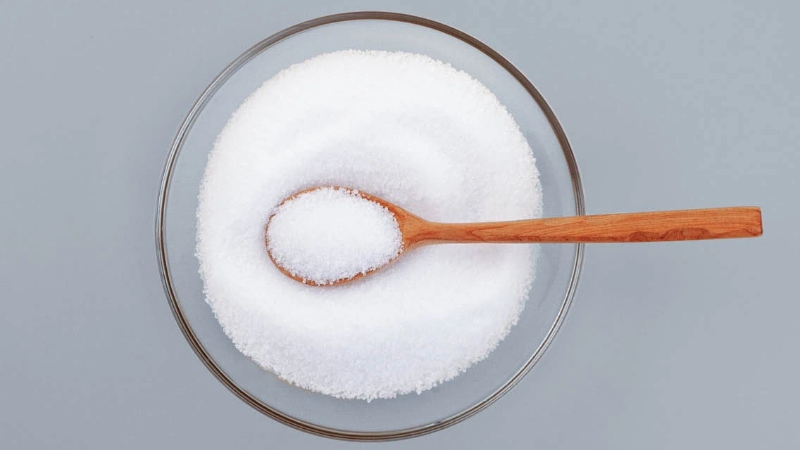
Aspartame emerges as a meticulously engineered dipeptide, combining L-aspartic acid and L-phenylalanine through a methyl ester linkage, rendering it profoundly sweet—approximately 200 times more potent than sucrose. This artificial construction of aspartame sets it apart from naturally occurring sugars or plant-derived alternatives, as its precise molecular formula, C14H18N2O5, results solely from laboratory synthesis rather than biological processes. In the human body, aspartame undergoes hydrolysis into its constituent amino acids—aspartic acid, phenylalanine—and a small amount of methanol, mirroring components found in commonplace foods like tomatoes or dairy, yet the deliberate bonding in aspartame underscores its status as an artificial sweetener.[2][3][1]
Regulatory authorities, including the FDA and EFSA, unequivocally categorize aspartame as artificial due to its non-natural production methods, distinguishing it from substances like stevia extracted directly from leaves. Aspartame's stability in aqueous solutions at room temperature further enhances its utility, though it degrades under high heat, limiting certain culinary uses. Researchers continue to study aspartame's interactions at the molecular level, confirming its role as a high-intensity, low-calorie alternative engineered for modern dietary needs.[4][5][6]
The saga of aspartame begins in 1965 when chemist James M. Schlatter at G.D. Searle & Company stumbled upon its sweetness while synthesizing peptides for anti-ulcer medications. Schlatter accidentally ingested a minuscule amount of aspartame after it contaminated his skin, igniting a eureka moment that propelled aspartame toward commercialization despite initial skepticism. Extensive testing ensued, culminating in the FDA's provisional approval for dry goods in 1981, followed by broader clearances after resolving procedural concerns raised by advisory panels.[7][4]
This serendipitous discovery exemplifies how aspartame transitioned from a lab curiosity to a global staple, with approvals in over 90 countries by the 1990s. Aspartame's path involved rigorous scrutiny, including re-analyses of safety data, affirming its viability. Today, aspartame's history inspires ongoing innovation in sweetener chemistry, blending aspartame with stabilizers for enhanced performance.[2]
Aspartame interacts with the tongue's T1R2/T1R3 sweet taste receptors with exceptional affinity, eliciting a sugar-like sensation without caloric contribution, as the body absorbs its breakdown products into normal metabolic streams. Unlike bulk sweeteners such as sucrose, which provide energy density, aspartame's minimal dosage—mere milligrams per serving—yields negligible calories, making it indispensable for calorie-controlled formulations. The methanol byproduct from aspartame metabolizes at levels dwarfed by those from natural fruit consumption, posing no toxicological risk at approved intakes.[8][9][10][1]
Enzymatic breakdown of aspartame occurs rapidly in the gastrointestinal tract, preventing systemic accumulation and ensuring aspartame's safety profile aligns with dietary proteins. Studies elucidate how aspartame enhances flavor release in complex matrices, improving palatability in aspartame-sweetened beverages and confections. This mechanism positions aspartame as a cornerstone for low-sugar innovations across industries.[11]
Aspartame permeates thousands of products, starring in diet sodas like Diet Coke, Coke Zero Sugar, and Pepsi Max, where it delivers robust sweetness without aftertaste. In chewing gums such as Extra and Orbit, aspartame provides initial burst and lingering sweetness, while sugar-free yogurts, puddings, and ice creams rely on aspartame for creaminess minus calories. Pharmaceutical applications abound, with aspartame masking bitterness in chewable tablets, syrups, and effervescent vitamins tailored for pediatric and geriatric use.[9][12][13][14]
Beverage giants formulate aspartame blends to achieve sugar-like profiles, extending shelf life and reducing formulation costs. Aspartame also features in tabletop sweeteners like Equal and NutraSweet packets, empowering consumers to customize sweetness effortlessly. For OEM/ODM manufacturers in China specializing in health solutions, aspartame integrates seamlessly into mixed sweetener developments, functional polyols, and dietary fiber synergies for export to food, beverage, and healthcare sectors worldwide.[13][9]
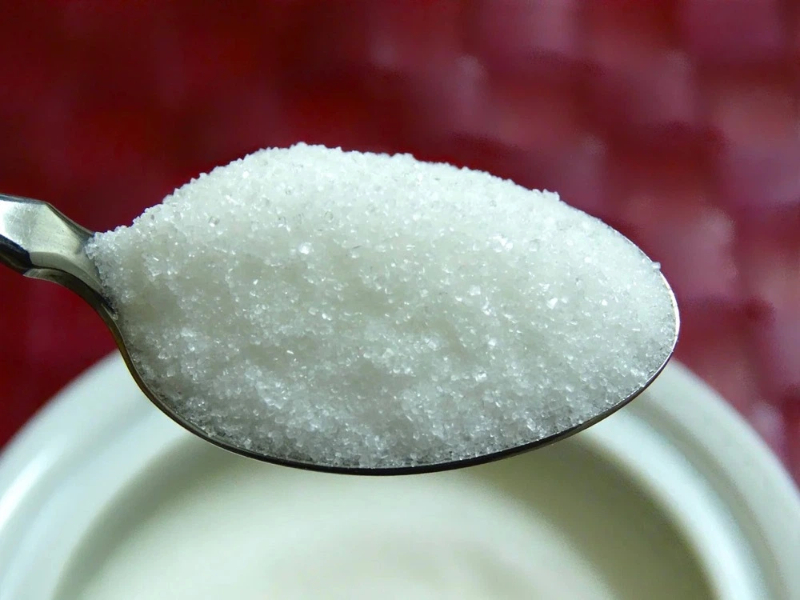
The FDA established aspartame's acceptable daily intake (ADI) at 50 mg/kg body weight in 1981, backed by over 100 toxicological studies encompassing multigenerational animal trials and human clinical data. The WHO's Joint Expert Committee on Food Additives (JECFA) set a parallel ADI of 40 mg/kg in 2023, equating to 14 cans of diet soda for a 70 kg adult—far exceeding typical consumption. EFSA's 2013 comprehensive review reaffirmed aspartame's safety, incorporating new pharmacokinetic models and epidemiological insights.[5][12][15][4]
Post-market surveillance tracks aspartame exposure meticulously, with no substantiated adverse events emerging beyond rare hypersensitivity cases. International harmonization ensures aspartame standards remain consistent, fostering global trade in aspartame-containing goods. These endorsements underscore aspartame's reliability for everyday use.[16]
Aspartame's amino acid components integrate into standard protein metabolism, with plasma levels post-ingestion indistinguishable from protein-rich meals. Meta-analyses of hundreds of studies reveal no causal links between aspartame and cancer, neurological disorders, or endocrine disruption in humans, countering early animal extrapolations. Headaches or mood alterations reported anecdotally fail replication in double-blind trials, attributing perceptions to nocebo effects.[10][15][17][7][16]
Phenylketonuria (PKU) patients represent the sole contraindicated group, necessitating aspartame avoidance due to impaired phenylalanine hydroxylase activity; mandatory labeling safeguards this population. Aspartame supports weight management by curbing caloric intake without compensatory hunger, as evidenced in longitudinal cohort studies. Balanced integration of aspartame enhances dietary compliance for diabetes and obesity interventions.[18][9]
Aspartame's artificial synthesis contrasts sharply with natural sweeteners like stevia (leaf extract) or monk fruit glycosides, offering superior taste synergy but requiring cool-processing. Sugar alcohols such as erythritol provide bulk but induce laxation at high doses, unlike aspartame's potency.[19][18]
| Aspect | Aspartame | Stevia | Sucrose | Erythritol |
|---|---|---|---|---|
| Origin | Synthetic | Plant | Plant | Fermented |
| Sweetness | 200x | 200-300x | 1x | 0.6x |
| Calories/g | ~4 (negligible) | 0 | 4 | 0.2 |
| Heat Stability | Low | High | High | High |
| ADI (mg/kg) | 40-50 | None | N/A | None |
| Taste Profile | Clean | Licorice note | Neutral | Cooling |
This table illustrates aspartame's niche dominance in ready-to-drink formats. For factories blending aspartame with fibers and polyols, hybrid formulations optimize functionality and appeal.[20][18]
Aspartame weathered 1990s controversies alleging toxicity, fueled by advocacy groups but dismantled by independent audits revealing methodological flaws in challenger studies. The 2023 IARC classification of aspartame as "possibly carcinogenic" (Group 2B) relied on limited mechanistic evidence, yet JECFA maintained ADI unchanged, emphasizing exposure margins. Social media perpetuates aspartame myths, but peer-reviewed consensus affirms safety.[12][17][21][16]
Transparent communication and labeling mitigate concerns, with aspartame's track record spanning decades without epidemiological signals.
Chinese factories excel in aspartame-centric OEM/ODM, developing custom blends for tablets, beverages, and supplements targeting international manufacturers. Aspartame's precision enables cost-effective scaling, synergizing with natural fibers for gut-health claims. Quality controls ensure aspartame purity exceeds pharmacopeial standards, supporting global exports.[9][11]
Aspartame indisputably qualifies as an artificial sweetener, its lab-synthesized structure delivering unparalleled low-calorie sweetness for diverse applications. Rigorous regulatory validations worldwide confirm aspartame's safety within established limits, debunking unfounded fears while accommodating exceptions like PKU. As innovation drives aspartame blends in health-focused products, it remains essential for factories providing solutions in food, beverages, and healthcare.[15][1][4]
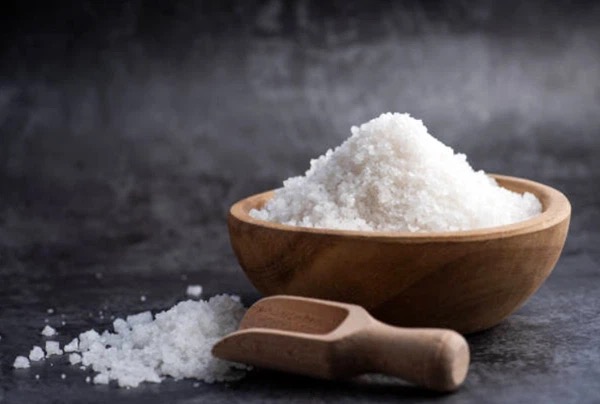
Yes, aspartame proves safe up to 40-50 mg/kg body weight daily according to FDA and WHO guidelines, accommodating substantial diet soda intake for average adults.[12][15]
IARC's Group 2B label stems from limited evidence, but JECFA, FDA, and EFSA find insufficient risk justification at typical exposures, supported by extensive human data.[21][12]
PKU patients must strictly avoid aspartame owing to phenylalanine buildup; pregnant women and children face no unique restrictions beyond general ADI adherence.[10][9]
Aspartame offers 200-fold sweetness with virtually zero calories versus sugar's dense energy, positioning aspartame as ideal for reduced-sugar reformulations.[1][18]
Aspartame abounds in diet sodas (Diet Coke, Coke Zero), gums (Extra), yogurts, and pharmaceuticals like chewables and syrups.[14][13]
[1](https://www.webmd.com/diet/what-to-know-about-aspartame)
[2](https://pmc.ncbi.nlm.nih.gov/articles/PMC8227014/)
[3](https://pubchem.ncbi.nlm.nih.gov/compound/Aspartame)
[4](https://www.hhs.gov/answers/public-health-and-safety/is-aspartame-safe/index.html)
[5](https://www.efsa.europa.eu/en/corporate/pub/factsheetaspartame)
[6](https://webbook.nist.gov/cgi/cbook.cgi?ID=C22839470&Contrib=IARPA-IR-S&Type=IR-SPEC&Index=0)
[7](https://aspartame.org/history-controversy/)
[8](https://www.youtube.com/watch?v=nc77Yg_35-o)
[9](https://www.eufic.org/en/whats-in-food/article/aspartame-qa)
[10](https://pmc.ncbi.nlm.nih.gov/articles/PMC10459792/)
[11](https://pmc.ncbi.nlm.nih.gov/articles/PMC12470175/)
[12](https://www.who.int/news/item/14-07-2023-aspartame-hazard-and-risk-assessment-results-released)
[13](https://www.foodwatch.org/en/where-is-aspartame-hiding-in-our-everyday-products)
[14](https://www.facebook.com/groups/1047567455273989/posts/6629581240405888/)
[15](https://www.americanbeverage.org/education-resources/blog/the-world-health-organization-affirms-aspartame-is-safe/)
[16](https://www.preventatl.com/aspartame/)
[17](https://www.youtube.com/watch?v=mDgZz7qZoVo)
[18](https://nutritionsource.hsph.harvard.edu/healthy-drinks/artificial-sweeteners/)
[19](https://urnow.richmond.edu/features/article/-/20787/whats-the-difference-between-sugar-other-natural-sweeteners-and-artificial-sweeteners-a-food-chemist-explains-sweet-science.html)
[20](https://www.goodrx.com/well-being/diet-nutrition/sweeteners)
[21](https://www.trccompanies.com/insights/aspartame-classified-as-a-carcinogen-health-safety-and-regulatory-impacts/)


