
Views: 222 Author: Sara Publish Time: 2025-12-27 Origin: Site


Content Menu
● Caloric Differences and Weight Control
● Health Benefits of Sweeteners
● Potential Drawbacks and Risks
● Natural Sweeteners as Premium Choices
● Applications in Food and Beverages
● Diabetes Management with Sweeteners
● Regulatory Approvals Worldwide
● Taste Profiles and Culinary Versatility
● Sustainability and Future Trends
● Economic and Industry Insights
● FAQ
>> 1. Are artificial sweeteners safe for daily use?
>> 2. Do sweeteners lead to weight gain?
>> 3. Which sweetener suits baking best?
>> 4. Can all diabetics consume sweeteners?
>> 5. How do natural sweeteners stack up against artificial ones?
Artificial sweeteners provide a compelling low-calorie option compared to traditional sugar, helping people control weight, manage diabetes, and reduce overall calorie intake. While sugar offers quick energy, its downsides like blood sugar spikes and dental issues make sweeteners an attractive alternative for many. This article delves deeply into sweeteners versus sugar, covering health impacts, practical uses, and emerging trends in sweetener technology.
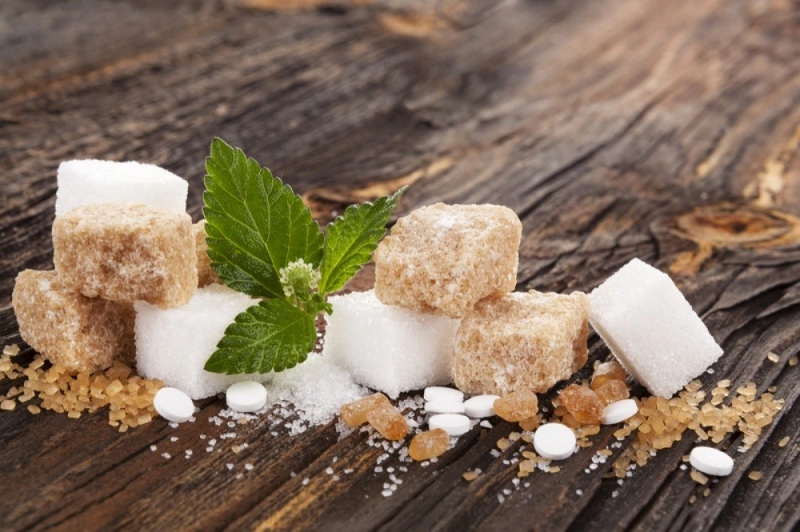
Sweeteners come in two main categories: artificial sweeteners such as aspartame, sucralose, and saccharin, and natural sweeteners like stevia, monk fruit extract, and sugar alcohols including erythritol and xylitol. Artificial sweeteners deliver sweetness hundreds of times greater than sugar, allowing tiny amounts to replace large quantities of sugar in products like diet sodas, chewing gums, and low-calorie yogurts. Natural sweeteners, derived from plants or fruits, offer a similar intense sweetness profile with the added appeal of being perceived as cleaner and more wholesome.
Sugar, or sucrose, is a disaccharide made from glucose and fructose, commonly sourced from sugarcane or beets. It provides four calories per gram and raises blood glucose levels rapidly, which can lead to energy crashes and long-term health complications. Sweeteners bypass this by offering negligible calories and no significant impact on blood sugar, making them ideal for those watching their glycemic load. In the food and beverage industry, factories specialize in blending sweeteners to mimic sugar's mouthfeel and flavor, ensuring products remain palatable without the caloric penalty.
The rise of functional sweeteners, such as those combined with dietary fibers, enhances their value. These sweetener-fiber mixes support digestive health while delivering sweetness, a key focus for manufacturers serving the healthcare sector. Sweetener innovation continues to evolve, with new formulations improving stability in heat and acid environments common in cooking and processing.
One of the primary advantages of sweeteners over sugar lies in their minimal caloric content. Sugar packs a dense 4 calories per gram, contributing significantly to daily caloric intake in sweetened beverages and snacks. In contrast, most artificial sweeteners like sucralose have zero calories, while sugar alcohols like erythritol contribute only 0.2 calories per gram. This drastic reduction allows consumers to enjoy sweet flavors without the weight gain associated with sugar-heavy diets.
Studies consistently show that replacing sugar with sweeteners leads to lower overall calorie consumption. For instance, switching from regular soda to a sweetener-sweetened diet version can save up to 150 calories per serving. Over time, this supports weight management efforts, particularly for individuals aiming to lose fat or maintain a healthy body mass index. Sweeteners help curb cravings by satisfying the sweet tooth without triggering the same insulin response as sugar.
However, the story isn't entirely one-sided. Some research suggests that sweeteners might influence appetite hormones, potentially leading to overeating in certain individuals. Despite this, meta-analyses of clinical trials affirm that sweeteners generally promote weight loss or maintenance when used as sugar substitutes. In practical terms, beverage manufacturers leverage sweeteners to create low-calorie drinks that taste remarkably close to their sugary counterparts, encouraging sustained consumer adoption.
Sweeteners offer substantial health benefits, particularly in preventing obesity-related conditions. Excessive sugar intake is linked to metabolic syndrome, including high triglycerides, hypertension, and insulin resistance. Sweeteners sidestep these risks by providing sweetness without the metabolic burden, allowing for better lipid profiles and reduced inflammation markers.
For dental health, sweeteners excel where sugar fails. Sugar ferments in the mouth, feeding bacteria that produce acids and cause cavities. Non-fermentable sweeteners like xylitol inhibit bacterial growth, reducing plaque and caries risk by up to 80%. This makes sweetener-sweetened gums and mints popular for oral hygiene.
In diabetes management, sweeteners shine brightly. With a glycemic index of zero, they prevent blood sugar spikes, enabling diabetics to enjoy flavored foods and drinks safely. Functional polyols, a type of sweetener, further benefit by promoting gut microbiota balance and supporting bone health through better mineral absorption. Healthcare-focused factories produce sweetener tablets tailored for diabetic patients, combining sweetness with essential nutrients.
Cardiovascular health also improves with sweeteners. Sugar accelerates atherosclerosis through elevated triglycerides, whereas moderate sweetener use shows neutral or positive effects on heart markers. Antioxidant-rich natural sweeteners like stevia add protective polyphenols, combating oxidative stress more effectively than plain sugar.
No discussion of sweeteners is complete without addressing potential risks. Artificial sweeteners have faced scrutiny for effects on the gut microbiome. Some studies indicate they may alter bacterial composition, potentially leading to glucose intolerance in susceptible people. However, human trials at typical doses show minimal disruption, and natural sweeteners tend to foster healthier gut profiles.
Sensitivity issues, such as headaches from aspartame or digestive discomfort from sugar alcohols, affect a small percentage of users. These are dose-dependent and rare below acceptable daily intake levels. Sugar, conversely, poses broader risks: fatty liver disease from fructose overload, accelerated aging via glycation, and addiction-like cravings due to dopamine responses.
Cancer concerns with artificial sweeteners have been largely debunked by regulatory bodies. Extensive reviews confirm no causal links at approved levels. Sweeteners remain safer than sugar's proven role in obesity-driven cancers. Digestive sweeteners like inulin blends mitigate laxative effects common with high polyol intake.
Natural sweeteners represent the gold standard for health-conscious consumers. Stevia, extracted from the stevia plant, offers 300 times sugar's sweetness with zero calories and potential blood pressure-lowering effects. Monk fruit extract provides similar intensity plus mogrosides, natural antioxidants that may inhibit tumor growth.
Sugar alcohols, or polyols, like erythritol and maltitol, mimic sugar's bulk for baking and texturizing. They resist digestion, yielding few calories and gentle glycemic effects. Rare sugars such as allulose brown and caramelize like sucrose, revolutionizing low-calorie desserts without artificial aftertastes.
Factories specializing in natural sweeteners excel in OEM and ODM services, developing custom blends for food, beverage, and pharma clients. These include sweetener-polyol-fiber combinations for synbiotic products, enhancing satiety and gut health. Natural sweeteners align with clean-label trends, avoiding synthetic perceptions.
Sweeteners transform the food and beverage landscape. In soft drinks, high-intensity sweeteners reduce calories by 75% while maintaining refreshment. Dairy products use them to create indulgent-tasting low-fat yogurts and ice creams.
Baking poses challenges, but heat-stable sweeteners like sucralose and allulose deliver volume and browning. Confectionery benefits from polyols preventing sugar crystallization in hard candies and chocolates. Pharma applications include sweetener-coated tablets masking bitter actives, improving patient adherence.
Beverage manufacturers partner with sweetener experts for hybrid formulas blending artificial and natural types for optimal taste synergy. These OEM solutions ensure scalability for global markets, from energy drinks to functional waters infused with dietary fibers.
For the 500 million diabetics worldwide, sweeteners are indispensable. They enable sweet indulgence without hyperglycemia risks, endorsed by diabetes associations. Long-term studies confirm stable HbA1c levels with sweetener use versus sugar.
Innovative sweetener tablets combine glucose monitoring aids with flavor enhancers. Polyols support oral health, crucial as diabetes heightens periodontal risks. Customized OEM sweetener mixes target specific needs, like low-glycemic sports nutrition.
Beyond cavities, sweeteners reduce gingivitis by limiting bacterial biofilms. Xylitol stimulates saliva flow, remineralizing enamel. Regular use in oral care products halves decay incidence, outperforming sugar-free alternatives reliant on other agents.
Clinical trials demonstrate 0.5-2 kg greater loss with sweeteners over sugar in 6-12 months. They enhance diet adherence by preserving flavor in reduced-calorie meals. Paired with exercise, sweeteners amplify fat oxidation without muscle loss.
Global regulators like FDA, EFSA, and WHO affirm sweetener safety through rigorous testing. Acceptable daily intakes far exceed average consumption, with natural sweeteners matching synthetic scrutiny. Export-oriented factories comply with international standards for OEM reliability.
Modern sweeteners overcome early aftertaste issues via blends. Stevia-sucralose combos deliver rounded sweetness. In cooking, they enable low-sugar jams, sauces, and pastries with authentic textures.
Sugar production guzzles water and land; efficient sweetener crops like stevia use 30% less. Fermentation-derived sweeteners promise scalability. Chinese factories lead in sustainable natural sweetener OEM, integrating biotech for novel polyols and fibers.
Sweetener markets boom, driven by health trends. Blended sweeteners cut production costs while meeting consumer demands for zero-sugar claims. Pharma OEM expands into nutraceuticals, leveraging sweeteners for palatable supplements.
Expanding on functional benefits, dietary fiber-sweetener synergies promote prebiotic effects, fostering beneficial bacteria. This positions them ideally for gut health beverages and bars. Medical applications include post-surgical sweeteners aiding recovery nutrition.
In sports nutrition, sweeteners fuel low-carb formulas without performance dips. Elderly care benefits from gentle polyols preventing constipation alongside sweetness.
Artificial sweeteners surpass sugar in calorie control, dental protection, diabetes support, and metabolic health, with natural variants like stevia and polyols offering superior clean profiles and added nutrients. While minor sensitivities exist, benefits outweigh risks for most, especially in moderation via expertly blended OEM products. Embrace sweeteners for a sweeter, healthier future.

Yes, regulatory-approved sweeteners like sucralose and aspartame are safe at typical doses, with no proven cancer risks and benefits over sugar's metabolic harms. Natural sweeteners enhance safety with plant-based origins.
Evidence largely shows sweeteners aid weight loss by slashing calories, though individual responses vary; combining with balanced diets maximizes results against sugar's obesity links.
Heat-stable options like allulose and erythritol replicate sugar's texture and browning, perfect for low-calorie treats and OEM food production.
Most sweeteners have zero glycemic impact, making them suitable; polyols offer extras like dental protection, but consult professionals for personalized advice.
Natural sweeteners provide antioxidants, better labels, and gut support, often preferred for premium products while matching sweetness intensity.


