


Content Menu
● Introduction to Acesulfame K
● Health Effects of Acesulfame K
● Effects on Gut Microbiome and Metabolism
● Safety Regulations and Acceptable Intake Levels
● Comparison with Other Sweeteners
● Practical Use and Recommendations
● FAQ
>> 1. What is Acesulfame K used for?
>> 2. Is Acesulfame K safe to consume daily?
>> 3. Can Acesulfame K cause weight gain?
>> 4. Does Acesulfame K have side effects?
>> 5. How does Acesulfame K compare with natural sweeteners?
Acesulfame K, also known as acesulfame potassium or Ace-K, is a calorie-free artificial sweetener widely used in the food, beverage, and health industries. It is prized for its intense sweetness—approximately 200 times sweeter than sugar—and is often combined with other sweeteners to enhance flavor profiles without adding calories. As a factory specializing in natural sweeteners and health solutions, understanding the safety and health impacts of Acesulfame K is crucial for product development and client communication.

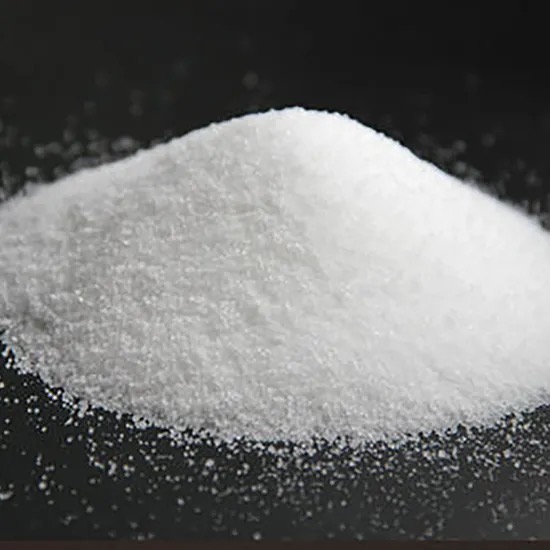
Acesulfame K is a white, crystalline powder that is heat stable, making it well-suited for baking and food processing. It is commonly found in diet sodas, sugar-free gums, low-calorie desserts, and pharmaceutical products. The FDA and many international food safety authorities classify Acesulfame K as "generally recognized as safe" (GRAS) for human consumption within specified daily intake limits.
While regulatory agencies affirm its safety, scientific studies suggest potential health concerns from excessive intake. Research in animal models and some human-related studies reveal:
- Increased risk of cardiovascular diseases, atherosclerosis, and diabetes due to metabolic and inflammatory effects.
- Disruption of gut microbiome balance, leading to chronic inflammation and altered energy metabolism.
- Weight gain observed in male mice linked to changes in gut bacteria, though female mice showed different microbiome responses.
- Potential hepatic inflammation and fatty liver disease linked to prolonged Ace-K consumption.
- Possible associations with early puberty and some cancers, though human evidence remains inconclusive.
Several studies highlight that Acesulfame K can perturb the gut microbiome composition differently by gender. In male mice, Ace-K increased gut bacteria like Bacteroides, related to colitis risk, and enhanced genes producing bacterial toxins, potentially increasing chronic inflammation risk. Female mice showed decreased abundance of beneficial bacteria important for polysaccharide digestion, impacting energy harvesting.
Furthermore, Ace-K consumption affected metabolites related to energy metabolism such as lactic acid and pyruvic acid, indicating disruptions to metabolic homeostasis. This gut microbiome alteration may contribute to obesity and inflammatory diseases in susceptible individuals.
Authorities like the FDA, EFSA, and WHO's JECFA have established acceptable daily intake (ADI) levels for Acesulfame K around 15 mg/kg body weight per day, regarded as safe for the general population. Food and beverage manufacturers follow strict regulatory limits to ensure consumer safety. These limits are supported by assessments of toxicological and carcinogenic risks, with no definitive evidence of genotoxicity or cancer causation at normal consumption levels.
| Sweetener | Sweetness (Times Sugar) | Caloric Value | Safety Considerations | Common Uses |
|---|---|---|---|---|
| Acesulfame K | 200 | 0 | Potential gut microbiome and metabolic effects | Diet sodas, baked goods |
| Aspartame | 200 | 4 kcal/g | Not suitable for phenylketonuria patients | Soft drinks, chewing gum |
| Sucralose | 600 | 0 | Possible digestive side effects | Snacks, beverages |
| Stevia | 200-300 | 0 | Generally safe, natural origin | Herbal drinks, supplements |
For safe and effective use of Acesulfame K:
- Adhere to regulatory ADI limits strictly.
- Use Acesulfame K in combination with natural sweeteners, such as stevia or monk fruit, for improved flavor and clean labeling.
- Monitor emerging scientific evidence to adjust formulations accordingly.
- Incorporate functional polyols and dietary fibers to enhance health benefits and consumer acceptance.
Acesulfame K is a widely used, calorie-free sweetener approved by global regulatory bodies. Despite its general safety, emerging research points to potential gut microbiome disturbances, metabolic effects, and inflammatory risks from excessive consumption. Manufacturers should use Acesulfame K within recommended limits, preferably combined with natural sweeteners, to produce healthier products aligned with modern consumer preferences. Ongoing research and careful monitoring remain essential to ensure consumer safety and product innovation.
Acesulfame K is used as a sweetener in foods, beverages, and pharmaceuticals to provide sweetness without adding calories or affecting blood glucose levels.[1][8]
Within established regulatory acceptable daily intake levels, Acesulfame K is considered safe. However, excessive intake may affect gut health and metabolism.[9][1]
Animal studies suggest Ace-K may alter gut microbiota leading to weight gain, particularly in males, though further human research is needed for confirmation.[3][1]
Potential side effects include gut microbiome disruption, mild hepatic inflammation, and metabolic changes when consumed in high amounts. Normal consumption is generally safe.[2][4]
Acesulfame K is synthetic and intensely sweet with heat stability, while natural sweeteners like stevia have fewer safety concerns and appeal due to natural origin, despite varying sweetness and flavor profiles.[11][1]
[1](https://wepub.org/index.php/IJAFSR/article/view/1323)
[2](https://www.sciencedirect.com/science/article/abs/pii/S2212429224015311)
[3](https://pmc.ncbi.nlm.nih.gov/articles/PMC5464538/)
[4](https://pmc.ncbi.nlm.nih.gov/articles/PMC8618357/)
[5](https://pmc.ncbi.nlm.nih.gov/articles/PMC9776645/)
[6](https://www.neurology.org/doi/10.1212/WNL.0000000000214023)
[7](https://www.medicalnewstoday.com/articles/318604)
[8](https://www.fda.gov/food/food-additives-petitions/aspartame-and-other-sweeteners-food)
[9](https://www.efsa.europa.eu/en/efsajournal/pub/9317)
[10](https://jptcp.com/index.php/jptcp/article/view/1505)
[11](http://www.foodsweet.com)


