


Content Menu
● What Is Stevia and How Does It Work in the Body?
● Common Causes of Bloating: Stevia vs. Other Sweeteners
● Scientific Evidence: Does Stevia Cause Bloating?
● Stevia and Gut Health: Benefits Beyond No Bloating
● Potential Side Effects of Stevia: Bloating Myths Debunked
● Stevia in Food and Beverage Manufacturing: OEM Insights
● Who Might Experience Bloating with Stevia?
● Stevia Alternatives for Bloat-Prone Diets
● FAQ
>> 1. Does pure Stevia cause gas or bloating?
>> 2. Can Stevia blends lead to digestive issues?
>> 3. Is Stevia safe for daily gut health use?
>> 4. How does Stevia compare to sugar for bloating?
>> 5. Can manufacturers use Stevia in OEM products without bloat risks?
Stevia, a natural zero-calorie sweetener extracted from the Stevia rebaudiana plant, has become a popular alternative to sugar in food, beverages, and healthcare products worldwide. Many consumers wonder if Stevia causes bloating, especially those with sensitive digestive systems or conditions like irritable bowel syndrome (IBS). This detailed article examines whether Stevia leads to bloating by reviewing scientific evidence, understanding its digestive effects, and comparing it with other sweeteners.
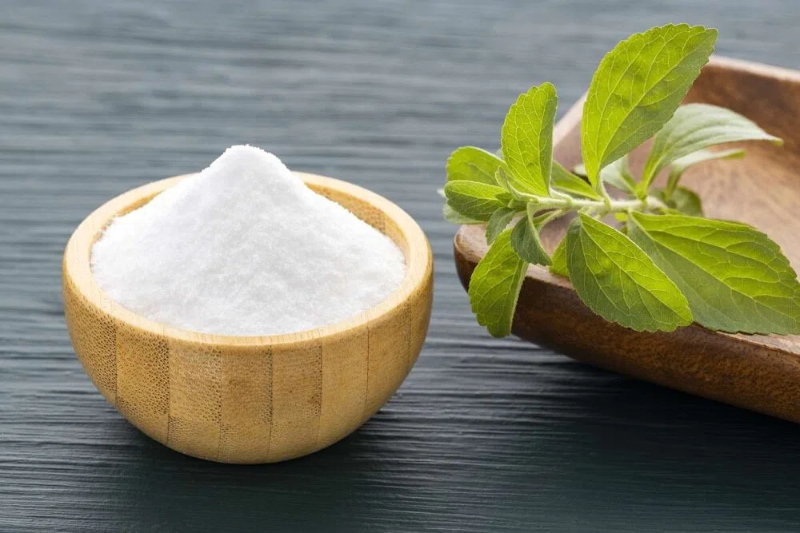
Stevia originates from South America and is composed mainly of steviol glycosides, which provide intense sweetness without calories or affecting blood glucose levels. Unlike fermentable carbohydrates, pure Stevia does not get metabolized by gut bacteria to produce gas, which is a common cause of bloating. Instead, it passes through the digestive system largely unmetabolized, making it generally gentle on the gut. Studies indicate Stevia may help maintain or even boost gut microbiome diversity, positioning it as a gut-friendly sweetener for most people.
Bloating is often caused by fermentable sugars and sugar alcohols such as fructose, sorbitol, or erythritol, which ferment in the large intestine, producing gas. Pure Stevia, however, is a low-FODMAP ingredient, meaning it does not ferment or cause digestive distress. It is important to note that some commercial Stevia products contain blends with sugar alcohols, which can cause bloating—it is not the Stevia itself. People sensitive to polyols may mistakenly attribute bloating to Stevia when the actual cause is these added sweeteners.
Multiple scientific studies have demonstrated that pure Stevia does not contribute to bloating. A 2022 review showed Stevia has beneficial effects on gut microbiota without triggering inflammatory or gas-producing responses. Studies comparing Stevia to other sweeteners found no increase in gastrointestinal symptoms like gas, diarrhea, or bloating. Even in individuals with sensitive digestion, pure Stevia was well tolerated and did not cause adverse effects.
Stevia supports digestion beyond just being non-bloating. It exhibits prebiotic-like effects, fostering the growth of beneficial gut bacteria while reducing intestinal permeability, which helps prevent conditions like leaky gut syndrome that can cause bloating and discomfort. Additionally, Stevia's antioxidants help combat oxidative stress in the intestinal lining, promoting healthy motility. These properties make Stevia a beneficial sweetener for individuals seeking improved digestive health.
Reported cases of bloating after Stevia consumption usually stem from impurities or from products containing additional sweeteners, not from pure Stevia itself. The prevalence of sugar alcohols in some Stevia-based products explains most reported digestive issues. High-quality Stevia extract products with over 95% purity virtually eliminate this risk. Regulatory bodies like the FDA and EFSA recognize Stevia as safe with an acceptable daily intake (ADI) that supports its widespread use in food and beverage products.
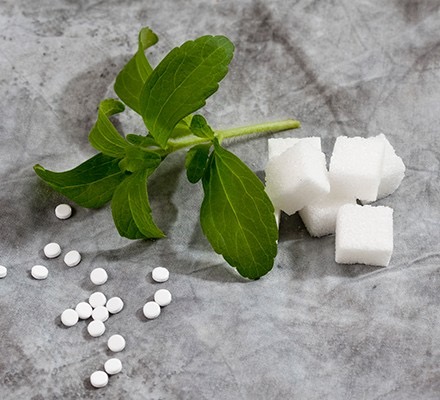
Manufacturers specializing in natural sweeteners utilize Stevia's unique properties to develop blended sweetener systems that minimize digestive discomfort. By blending Stevia with functional polyols carefully, companies create products with balanced sweetness without the risk of bloating. Stevia's heat stability makes it suitable for baked goods and beverages. Its natural origin and clean label appeal align well with global trends toward healthier, low-sugar formulations.
While pure Stevia does not cause bloating, persons with extremely sensitive digestive tracts or those consuming Stevia blends that include polyols may experience gas and bloating symptoms. Patients with IBS or small intestinal bacterial overgrowth (SIBO) should verify product ingredients carefully. Stevia is generally safe for children and pregnant women, with no known adverse digestive effects when consumed within recommended limits.
For consumers prone to bloating, alternatives or complementary sweeteners like monk fruit extract or allulose may be blended with Stevia. These natural sweeteners share similar zero-calorie profiles and low digestive impact. Factories and suppliers innovate hybrid sweetener systems tailored to specific digestive sensitivities and taste preferences worldwide.
In summary, Stevia itself does not cause bloating and is considered a gut-friendly, low-FODMAP, non-fermentable sweetener with additional digestive health benefits. Most bloating concerns originate from the sugar alcohols or other additives present in some Stevia blends rather than Stevia itself. For manufacturers and consumers seeking natural, low-calorie sweeteners without digestive discomfort, high-purity Stevia represents a safe and effective option, especially when combined thoughtfully with functional polyols and dietary fibers.
No, pure Stevia does not ferment in the gut and does not cause gas or bloating, making it suitable for those with sensitive digestion and IBS.
Yes, if blends contain sugar alcohols like erythritol or sorbitol, they may cause bloating. Always check product labels for added ingredients.
Yes, studies show Stevia supports beneficial gut bacteria and reduces inflammation without causing bloating or digestive upset.
Stevia does not ferment like sugar, preventing the gas and bloating often triggered by consuming high amounts of sugar.
Absolutely. Using high-purity Stevia and proper blending techniques, manufacturers can create products that minimize bloating risks for consumers.


