


Content Menu
● Understanding Stevia and Flatulence
● Sugar Alcohols in Stevia Products and Digestive Effects
● Scientific Insights Into Stevia's Effects on Gut Microbiota
● Digestive Symptoms Related to Stevia Consumption
● Managing Stevia Intake to Avoid Flatulence
● Additional Health Effects of Stevia
● Factors Influencing Digestive Reactions
● FAQ
>> 1. Does pure stevia cause gas or bloating?
>> 2. Why do some stevia products cause digestive issues?
>> 3. Can stevia affect people with irritable bowel syndrome (IBS)?
>> 4. Are there any other side effects of stevia besides flatulence?
>> 5. How can I avoid flatulence when using stevia?
Stevia is a natural zero-calorie sweetener derived from the leaves of the Stevia rebaudiana plant, widely used as a sugar substitute in products ranging from beverages to dietary supplements. The question of whether stevia causes flatulence (gas) is important for consumers concerned about digestive comfort. Pure stevia extract itself does not typically cause flatulence because it is a non-fermentable compound that gut bacteria do not break down into gas. However, many commercial stevia products contain added sugar alcohols or other additives which may lead to gastrointestinal symptoms such as flatulence, bloating, and discomfort in sensitive individuals.
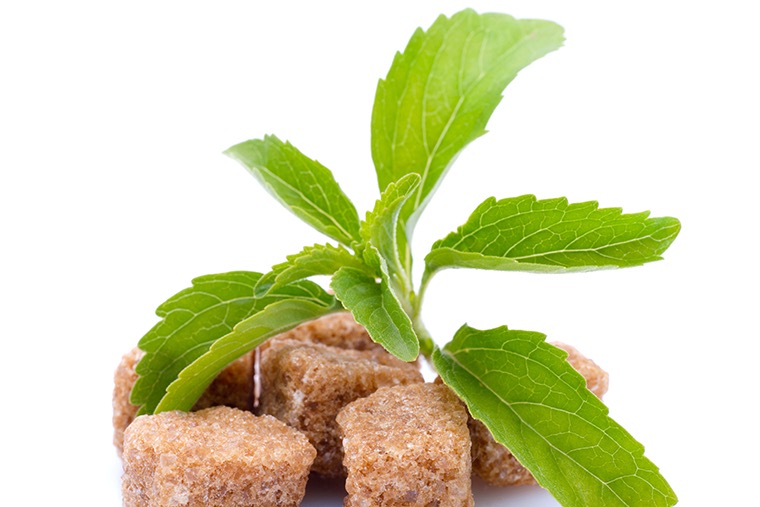
Stevia contains steviol glycosides—sweet compounds about 250-300 times sweeter than sucrose—that pass through the small intestine undigested and are metabolized by gut microbiota in the colon. Pure stevia extract is non-caloric and does not ferment to produce gas. However, it is often combined with sugar alcohols like erythritol or maltitol to improve taste and texture. These sugar alcohols can ferment in the gut, producing gas and bloating, especially in people with irritable bowel syndrome (IBS) or sensitive digestion. Thus, flatulence linked with stevia products is typically due to these added components rather than stevia itself.[8][11][12]
- Sugar alcohols such as erythritol and maltitol are common additives in stevia blends.
- These polyols can cause fermentation by gut bacteria, leading to flatulence, bloating, and diarrhea in some individuals.
- Pure stevia sugar replacement without sugar alcohols usually avoids these side effects.
- Those sensitive to polyols, especially people with IBS or gut dysbiosis, are more likely to experience such symptoms.[13][14][8]
Recent studies on stevia's impact on gut microbiota present mixed findings:
- Some animal and laboratory studies indicate that stevia consumption may have beneficial or neutral effects on gut bacteria diversity and composition, including potential anti-inflammatory effects by reducing pro-inflammatory cytokines like TNF-α, IL-1β, and IL-6.
- Stevia glycosides themselves are metabolized into steviol by gut microbes, which the body absorbs.
- A few studies suggest possible disruption in certain bacterial groups or bacterial communication, but these findings are inconclusive and mostly from in vitro or animal models.
- Overall, stevia is considered safe by regulatory authorities and may provide health benefits such as antioxidant effects, blood sugar regulation, and anti-inflammatory properties.[1][2]
While pure stevia is unlikely to cause digestive distress, anecdotal reports and some studies show that stevia blends can cause issues such as:
- Flatulence (gas)
- Bloating
- Abdominal cramps
- Diarrhea
These symptoms are mainly attributed to sugar alcohols in the blend rather than stevia itself. Symptoms usually depend on the amount consumed, the individual's digestive sensitivity, and the product's formulation.[4][12][8]
- Opt for pure stevia extract without added sugar alcohols or fillers.
- Introduce stevia gradually into the diet to gauge tolerance.
- Avoid high consumption of stevia products blended with erythritol or maltitol if prone to gas or IBS-related symptoms.
- Consult healthcare professionals if persistent digestive symptoms occur after stevia use.
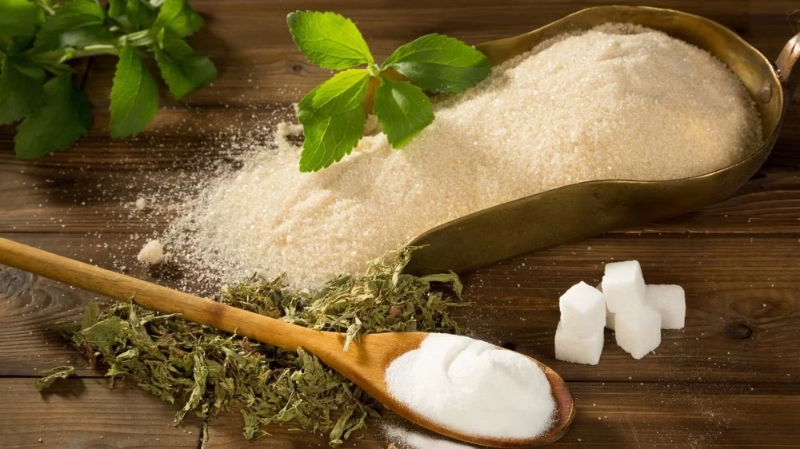
Beyond digestive considerations, stevia has been studied extensively for its health-promoting properties:
- It can lower blood glucose levels and improve insulin secretion, making it favorable for people with diabetes.
- It possesses antioxidant and anti-inflammatory effects, possibly reducing markers of oxidative stress and inflammation in the body.
- Stevia may contribute to blood pressure reduction and support cardiovascular health.
- Research also suggests potential antiproliferative effects against certain cancer cell lines, although these findings require further clinical validation.[3][1]
The likelihood of flatulence or other gastrointestinal symptoms varies based on:
- The purity of the stevia product used.
- The presence and amount of sugar alcohols or other additives.
- Individual gut microbiota composition and sensitivity.
- Dietary habits, including fiber intake and overall gut health.
Consuming stevia as part of a balanced diet and staying hydrated may help mitigate digestive discomfort.
Stevia itself does not typically cause flatulence because it is a non-fermentable natural sweetener. Flatulence and digestive discomfort associated with stevia products usually stem from added sugar alcohols like erythritol or maltitol used in many commercial blends. Choosing pure stevia extracts without these additives minimizes the risk of gas and bloating. Scientific studies indicate that stevia is generally safe and may offer additional health benefits, though individual digestive responses can vary. Monitoring product labels and personal tolerance is key to enjoying stevia without gastrointestinal side effects.
Pure stevia extract generally does not cause gas or bloating because it is not fermented by gut bacteria and lacks carbohydrates that produce gas.[11][8]
Digestive issues are often caused by sugar alcohols like erythritol or maltitol added to stevia blends, which can ferment in the gut, leading to gas and bloating.[8][13]
Pure stevia is low FODMAP and usually safe for IBS sufferers, but stevia products containing sugar alcohols can trigger IBS symptoms like flatulence and bloating.[11]
Rare side effects include nausea, blood pressure changes, and potential hormonal effects mostly linked to excessive consumption or pre-existing conditions.[4][8]
Use pure stevia extract without polyols, consume small amounts initially, avoid sugar alcohol blends if sensitive, and consult a healthcare provider if issues persist.[14][8]
[1](https://pmc.ncbi.nlm.nih.gov/articles/PMC9028423/)
[2](https://academic.oup.com/femsec/article/96/6/fiaa079/5827635)
[3](https://pmc.ncbi.nlm.nih.gov/articles/PMC8600158/)
[4](https://www.medicalnewstoday.com/articles/319837)
[5](https://www.cedars-sinai.org/newsroom/research-alert-artificial-sweeteners-significantly-alter-the-small-bowel-microbiome/)
[6](https://www.sciencedirect.com/science/article/pii/S1319016420301997)
[7](https://www.sciencedirect.com/science/article/pii/S2161831322001983)
[8](https://www.verywellhealth.com/stevia-side-effects-6890614)
[9](https://health.clevelandclinic.org/what-is-stevia)
[10](https://www.reddit.com/r/nutrition/comments/nv4kv7/does_stevia_cause_the_same_harm_to_gut_bacteria/)
[11](https://theibsdietitian.com/blog/the-stevia-ibs-link-comprehensive-guide)
[12](https://www.health.com/is-stevia-bad-for-you-11828594)
[13](https://www.webmd.com/food-recipes/what-is-stevia)
[14](https://www.baptisthealth.com/blog/healthy-living/is-stevia-safe)


