


Content Menu
● Does Splenda Contain Sucralose?
● How Much Sucralose Is in Splenda?
● Sucralose, Calories, and Blood Sugar
● Different Types of Splenda Products
● Sucralose in Food and Beverage Formulation
● Practical Tips for Using Sucralose‑Based Splenda
● Sucralose Compared with Other Sweeteners
● Considerations for Special Populations
● Role of Sucralose in Product Development and OEM/ODM Solutions
● FAQ About Sucralose and Splenda
>> 1. Does every Splenda product contain sucralose?
>> 2. Is sucralose the same as Splenda?
>> 3. Is sucralose safe for people with diabetes?
>> 4. Can sucralose‑based Splenda be used for baking and cooking?
>> 5. How can I tell if a product I buy contains sucralose?
Most Splenda products do contain sucralose, particularly the classic yellow‑label Splenda Original that many consumers recognize in packets, tablets, and granulated canisters. Sucralose is the high‑intensity sweetener that gives Splenda its powerful sweetness while contributing very few calories at typical use levels.[1][2][3][4]
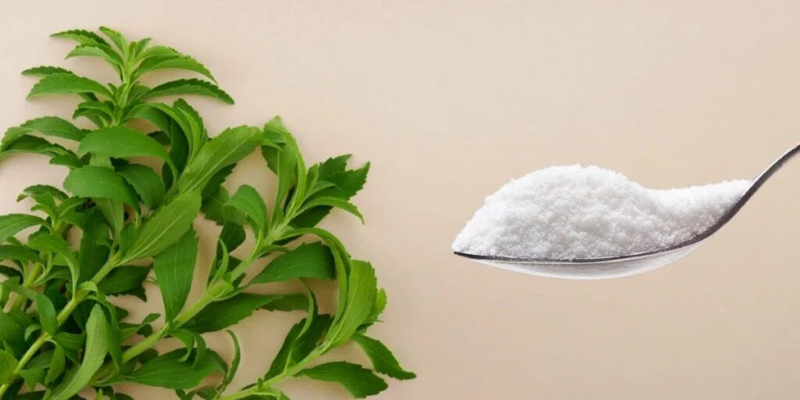
Sucralose is a high‑intensity artificial sweetener produced from sucrose (table sugar) through a multi‑step chemical process that replaces three hydroxyl groups on the sugar molecule with chlorine atoms. This transformation creates a very sweet molecule that the body does not recognize or metabolize as sugar, so it passes largely unchanged through the digestive system.[2][3][4][1]
Sucralose is roughly 600 times sweeter than sucrose, which means only a tiny amount is needed to deliver the same perceived sweetness as a much larger quantity of sugar. Because of this potency, sucralose is used in extremely small doses in tabletop sweeteners and processed foods, often diluted with bulking agents to make it easier to measure and use.[4][2]
Another important property of sucralose is its relative stability under a wide range of conditions, including various pH levels and many typical food processing temperatures. This stability helps manufacturers maintain sweetness in products that require long shelf life, pasteurization, or mild cooking.[3][4]
Splenda as a brand began with and became famous for sucralose, and Splenda Original products rely on sucralose as their primary sweetening ingredient. In these products, sucralose is blended with carriers such as dextrose and maltodextrin to provide bulk, flow, and a spoon‑for‑spoon experience that more closely mimics sugar.[5][1][2]
While Splenda is often used as a shorthand name for sucralose, not every Splenda‑branded product contains only sucralose, and some do not use sucralose at all. For example, Splenda has introduced product lines based on stevia, monk fruit, and other sweeteners, responding to consumer interest in plant‑based or blended sweetener systems.[2][5]
To know whether a particular Splenda product contains sucralose, consumers should read the ingredient list on the packaging, where "sucralose" will be explicitly listed if used. This is especially important for people who are specifically seeking sucralose for its sweetness profile or, conversely, trying to avoid it in favor of alternative sweeteners.[1][3][5]
Although Splenda tastes very sweet, the actual proportion of sucralose in Splenda Original granulated products is low, with sucralose accounting for only about 1.1% of the product by weight. The remainder consists mostly of dextrose and maltodextrin, carbohydrate‑based fillers that provide bulk and make the product easy to pour, spoon, and blend.[4][2]
Despite this low percentage, the high sweetness intensity of sucralose means that a standard teaspoon of Splenda can match the sweetness of a teaspoon of sugar. The bulking agents are needed not for sweetness, but to provide volume, texture, and handling characteristics similar to sugar so that the consumer can use Splenda in familiar ways.[2][4]
In tablet form, such as Splenda Minis, sucralose is combined with tablet excipients like lactose, cellulose derivatives, and small amounts of other functional ingredients to create compact sweetener units that dissolve quickly in beverages. In these formats, the relative amount of sucralose is still tiny, but carefully calibrated to ensure consistent sweetness per tablet.[1][2]
Sucralose is classified as a non‑nutritive sweetener because the human body does not metabolize it as an energy source, and it contributes negligible calories at typical intake levels. Most ingested sucralose passes through the digestive tract unchanged, and the portion that is absorbed is excreted without being used as fuel.[3][4]
In Splenda Original, the bulk of the calories come from the carrier carbohydrates, dextrose and maltodextrin, but these are present in such small quantities per packet or teaspoon that the product can legally be labeled as having zero calories in some jurisdictions. For average users, these carriers have only a minimal impact on total energy intake when Splenda is used in moderate amounts.[4][2]
With respect to blood sugar, sucralose itself does not raise blood glucose levels or stimulate insulin secretion in the way that sugar does when consumed within recommended limits. Clinical and regulatory evaluations, including those cited by diabetes organizations, consider sucralose an appropriate sweetener option for people with diabetes when used as part of an overall healthy diet.[3][1][4]
Sucralose is among the most studied artificial sweeteners, with safety data accumulated from more than one hundred scientific studies in animals and humans over several decades. Regulatory authorities such as the European Food Safety Authority, the U.S. Food and Drug Administration, and global expert committees have evaluated this evidence and established acceptable daily intake (ADI) levels for sucralose.[1][3]
These ADI values represent conservative estimates of the amount that can be consumed daily over a lifetime without appreciable health risk, and typical consumer intake of sucralose in sweeteners like Splenda falls well below these thresholds. For most people, normal use of Splenda within the range recommended on packaging is considered safe according to current regulatory assessments.[3][4][1]
At the same time, some newer studies have explored potential effects of sucralose on factors such as gut microbiota composition, glucose tolerance, and metabolic markers, with mixed and sometimes conflicting results. Many of these studies use doses higher than typical everyday consumption or focus on specific experimental conditions, so their relevance to normal dietary use remains a subject of ongoing scientific discussion.[4][3]
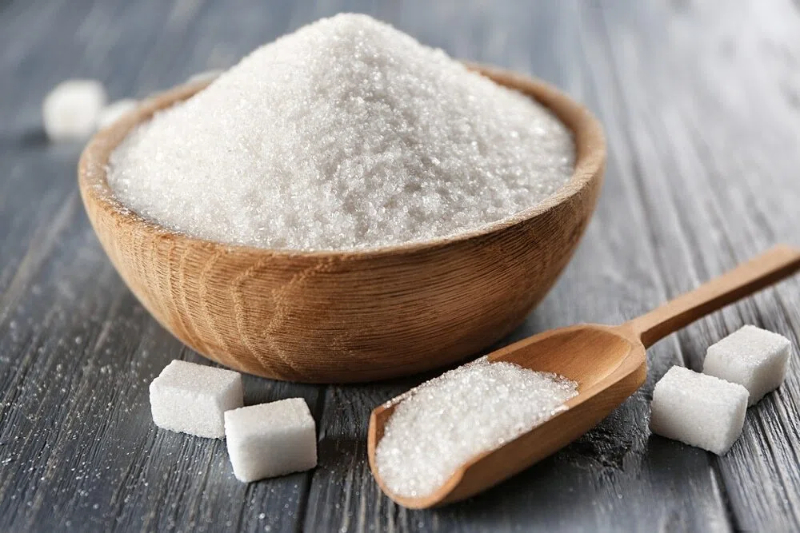
Over time, the Splenda portfolio has expanded beyond the original sucralose‑based products to include a variety of sweeteners and blends intended to meet different consumer preferences. Today, Splenda products may feature sucralose alone, sucralose combined with other sweeteners, or alternative sweeteners such as stevia and monk fruit without sucralose at all.[5][2]
Splenda Original (yellow packets, granulated canisters, and many tablet forms) continues to rely on sucralose as the core sweetener combined with carriers to provide bulk and solubility. In contrast, Splenda Stevia and Splenda Monk Fruit lines emphasize plant‑based high‑intensity sweeteners and are marketed to consumers who prefer non‑synthetic sweetening ingredients, though some blends may still include small amounts of sucralose or other agents depending on the formulation.[5][2][1]
Because formulas can differ across countries and may be updated by the manufacturer, reading the ingredient list remains the most reliable way to determine whether a Splenda product contains sucralose or other specific sweeteners. This approach helps consumers align product choices with dietary goals, such as reducing synthetic additives or focusing on a particular sweetener type.[5][1][3]
Outside of tabletop packets and household sweeteners, sucralose is widely used in commercial food and beverage manufacturing. Its high sweetness intensity, relative stability in acidic and heat‑processed environments, and clean sweetness profile make sucralose attractive for soft drinks, flavored waters, ready‑to‑drink teas, dairy products, desserts, chewing gum, and even some pharmaceutical preparations.[2][3][4]
In many reduced‑sugar or sugar‑free formulations, sucralose is combined with sugar alcohols (polyols) such as erythritol, xylitol, or sorbitol to balance sweetness and provide bulk, mouthfeel, and freezing point control in ice creams, candies, and baked goods. Manufacturers may also integrate dietary fibers, stabilizers, and natural flavors alongside sucralose to create products that not only decrease sugar content but also support texture, stability, and nutritional positioning.[6][7][4]
While sucralose is generally considered heat‑stable, extremely high baking temperatures for extended periods can lead to some degradation and changes in flavor, which is why recipe developers test and optimize formulations carefully. For calorie‑reduced baked goods, partial sugar replacement is often used, combining the structure‑providing functions of sugar with the sweetness of sucralose to achieve a desirable balance between taste, texture, and caloric value.[3][4]
Many consumers choose sucralose‑based Splenda to reduce sugar consumption while still enjoying sweet tastes in drinks and foods. Understanding practical tips for using sucralose effectively helps maximize benefits and reduce the risk of disappointment in recipes or dietary plans.[4][3]
In hot beverages such as coffee, tea, and hot chocolate, Splenda packets and tablets dissolve quickly and deliver a sweetness profile that many find similar to sugar. Because the sweetening power of sucralose is so high, these products are portioned to provide a predictable, sugar‑like sweetness level per packet or tablet, making it easy to adjust sweetness to taste.[1][2][3]
When baking, Splenda can often be used in place of sugar in certain recipes, especially those where structure and browning are less critical, such as some custards, cheesecakes, or fruit toppings. However, sugar contributes not only sweetness but also bulk, moisture retention, browning, and tenderness, so completely replacing sugar with sucralose blends in traditional cakes or cookies may change texture and appearance.[3][4]
For best results in baked goods, many home bakers and product developers use a combination of sugar and sucralose, or they rely on specialized baking formulations offered by sweetener manufacturers that are designed to more closely emulate sugar's functional properties. Following manufacturer recipe guidelines and making small‑batch tests is often the easiest way to learn how sucralose behaves in specific applications.[1][4][3]
Consumers often compare sucralose with both nutritive sweeteners like sucrose and non‑nutritive alternatives such as aspartame, acesulfame‑K, stevia, or monk fruit extracts. Each sweetener has its own profile in terms of sweetness intensity, aftertaste, stability, regulatory status, and consumer perceptions.[4][3]
Compared with sugar, sucralose offers a dramatic reduction in calories and an absence of glycemic impact at normal intake, which is particularly valuable for individuals managing weight or blood sugar. However, some people prefer the flavor complexity and functional properties of sugar, especially in culinary contexts where caramelization and Maillard reactions are central to the product's character.[3][4]
Compared with other high‑intensity sweeteners, sucralose is often praised for its relatively clean, sugar‑like sweetness and good stability across a range of processing conditions. Stevia and monk fruit are viewed as more "natural" by some consumers, though they can present challenges related to bitterness, flavor profile, or cost, leading manufacturers to create sweetener blends that include sucralose for improved taste balance.[2][4][3]
People with diabetes, those following low‑carbohydrate or ketogenic diets, and individuals monitoring overall calorie intake are common users of sucralose‑containing products such as Splenda. For these groups, sucralose can help reduce added sugar and calorie intake while maintaining perceived sweetness in beverages and foods.[1][4][3]
For people with diabetes, sucralose's lack of significant effect on blood glucose and insulin makes it a practical substitute for sugar in many contexts, though overall dietary patterns and carbohydrate sources still remain crucial for long‑term glycemic management. Healthcare professionals often recommend focusing on the entire diet, physical activity, and monitoring, while using sweeteners like sucralose as tools rather than complete solutions.[1][3]
Some individuals may prefer to limit their intake of artificial sweeteners, including sucralose, due to personal preferences, digestive comfort, or cautious interpretation of emerging research. For these consumers, rotating between different sweeteners, choosing naturally sweet foods, and reducing overall sweetness expectations can be part of a balanced strategy.[4][3]
In modern product development, sucralose offers significant flexibility to manufacturers who need to design reduced‑sugar or sugar‑free foods, beverages, and medical nutrition products while preserving flavor and consumer appeal. Sucralose's compatibility with a variety of matrixes, including clear drinks, dairy, powdered mixes, and solid dosage forms, makes it a versatile choice for OEM and ODM projects targeting international markets.[7][6][3]
Formulators often combine sucralose with functional polyols and dietary fibers to create blended sweetening systems that not only provide sweetness but also support desired mouthfeel, bulk, and digestive tolerance in applications such as health drinks, nutrition bars, and specialized medical foods. These combinations can help brands meet regulatory requirements for sugar reduction claims while appealing to consumers seeking lower‑calorie and lower‑sugar alternatives.[6][7]
For companies focusing on healthy solutions for the food, beverage, and healthcare sectors, sucralose remains a central option in the toolbox of sweetening strategies, alongside stevia, monk fruit, and emerging natural sweeteners. By tailoring the ratios of sucralose, polyols, and fibers, manufacturers can customize sweetness intensity, flavor release, and nutritional positioning for different regional preferences and product categories.[8][7][6]
Most classic Splenda products, especially the familiar yellow‑labeled Splenda Original, do contain sucralose as their primary high‑intensity sweetener, supported by bulking agents such as maltodextrin and dextrose to provide sugar‑like handling and volume. Sucralose is an intensely sweet, low‑calorie ingredient with a substantial safety record, widely used not only in tabletop sweeteners but also in numerous processed foods and beverages around the world. While some newer Splenda product lines rely on alternative sweeteners, reading the ingredient label remains the best way to determine whether sucralose is present and to make informed choices aligned with personal health goals and taste preferences.[5][2][3][4][1]
Not every Splenda product contains sucralose; the brand has expanded to include stevia‑ and monk fruit‑based sweeteners and various blends. Splenda Original products do use sucralose, but some newer items rely on alternative sweeteners, so checking the ingredient list is the most reliable way to confirm what each product contains.[2][5][1]
Sucralose is the key sweetening ingredient in Splenda Original, but Splenda is a broader brand that may include different sweetener systems in different products. In casual use, people sometimes use the names interchangeably, yet technically sucralose is a specific compound, while Splenda refers to a range of branded sweeteners that may or may not contain sucralose.[5][2][1]
Sucralose does not significantly raise blood glucose or insulin levels when consumed within established safety limits, so sucralose‑containing products like Splenda Original are generally considered suitable for people with diabetes as part of an overall healthy meal plan. Health and regulatory authorities have reviewed sucralose safety data and support its use in diabetic foods and drinks, though individuals should still monitor total carbohydrate intake from other sources.[3][1]
Sucralose is stable enough for many cooking and baking applications, and Splenda provides recipe resources for using its sucralose blends in desserts, sauces, and baked goods. However, because sucralose does not provide the same bulk, browning, and moisture properties as sugar, fully replacing sugar may change texture and appearance, so partial replacement or special baking formulations often yield better results.[4][3]
To determine whether a product contains sucralose, read the ingredient list for the word "sucralose," regardless of whether the Splenda logo appears on the packaging. Many diet soft drinks, flavored waters, sugar‑free syrups, and reduced‑sugar foods use sucralose, and the ingredient list is the most accurate source for this information.[2][5][1][3]
[1](https://www.splenda.co.uk/about-splenda/faq/)
[2](https://en.wikipedia.org/wiki/Splenda)
[3](https://www.medicalnewstoday.com/articles/262475)
[4](https://www.healthline.com/nutrition/sucralose-good-or-bad)
[5](https://www.splenda.com/faq-category/original-sweeteners/)
[6](http://notice.10jqka.com.cn/api/pdf/408e26a9944c1be6.pdf)
[7](https://www.caldic.com/zh-hans-cn/markets/food-beverage/beverage/)
[8](https://pdf.dfcfw.com/pdf/H3_AP202412131641289648_1.pdf)


