


Content Menu
● Do Ice Drinks Contain Aspartame?
● Comparing Aspartame and Sucralose
● Health Implications of Aspartame and Sucralose
● Emerging Trends: Natural Sweeteners, Functional Polyols, and Dietary Fibers in Ice Drinks
● Formulating Ice Drinks for Global Markets
● Frequently Asked Questions (FAQ)
>> 1. Do all ice drinks avoid aspartame?
>> 2. Is aspartame safe for everyone to consume?
>> 3. What advantages does sucralose have over aspartame in ice drinks?
>> 4. Are natural sweeteners suitable for ice drink formulations?
>> 5. How do functional polyols and dietary fibers improve ice drinks?
Ice drinks, particularly flavored sparkling waters and low-calorie beverages, have become staples for people seeking refreshing taste without the guilt of excess sugar or calories. Among the many sweeteners used in these drinks, the presence of aspartame often raises questions and sometimes concerns for consumers. This article explores whether ice drinks contain aspartame, compares it with other artificial sweeteners such as sucralose, discusses health implications, and sheds light on new trends including natural sweeteners, functional polyols, and dietary fibers that are gaining traction in beverage manufacturing.

Aspartame is a widely known artificial sweetener, discovered in the 1960s, and introduced commercially in the 1980s. Chemically, it is composed of two amino acids—aspartic acid and phenylalanine—linked together. Aspartame is approximately 200 times sweeter than sucrose (table sugar), which means only minuscule quantities are needed to achieve significant sweetness without adding substantial calories. It is used in a variety of products, including diet sodas, sugar-free gums, sugar-substitute packets, and desserts.
The sweetener is often marketed under brand names such as NutraSweet and Equal. Despite its widespread use, aspartame is flagged for having a small caloric value (it is technically a nutritive sweetener, providing about 4 calories per gram, but the amounts used are so low that the caloric contribution is minimal). People with the rare metabolic disorder phenylketonuria (PKU) need to avoid aspartame entirely because they cannot metabolize phenylalanine safely.
Generally, most popular ice drinks do not contain aspartame. For example, a well-known brand like Sparkling Ice explicitly avoids aspartame in all its products. Instead, it uses sucralose as the primary artificial sweetener to provide sweetness without calories.
The reasons for avoiding aspartame in ice drinks include:
- Stability: Aspartame breaks down under heat and acidic conditions, common in carbonated and flavored beverages. This instability can reduce sweetness over time and affect flavor.
- Taste Profile: Aspartame sometimes exhibits a bitter or metallic aftertaste, leading companies to prefer sweeter alternatives with cleaner flavor profiles.
- Consumer Trends: Negative public perception and health concerns related to aspartame have led manufacturers to seek alternatives that appeal to a broader, health-conscious audience.
Thus, ice drinks typically rely on sucralose or increasingly on natural sweeteners rather than aspartame to achieve their signature taste and calorie-free appeal.
Sucralose and aspartame are two of the most commonly used artificial sweeteners in low- or no-calorie beverages. Yet, they have distinct differences in their chemistry, sweetness, nutritional value, and sensory attributes.
| Characteristic | Aspartame | Sucralose |
|---|---|---|
| Chemical Origin | Peptide of two amino acids | Chemically modified sucrose (table sugar) |
| Sweetness Level | ~200 times sweeter than sugar | ~600 times sweeter than sugar |
| Caloric Content | Low-calorie (nutritive sweetener) | Zero-calorie (non-nutritive sweetener) |
| Stability | Not heat or acid stable | Heat and acid stable |
| Taste Profile | Slight bitter or metallic aftertaste | Clean, sugar-like taste with minimal aftertaste |
| Common Brands | NutraSweet®, Equal® | Splenda® |
| Typical Uses | Diet sodas, sugar-free gums, yogurts | Sugar-free beverages, baked goods, ice drinks |
| Safety Considerations | Avoided by PKU patients; some controversy exists | Generally regarded as safe; gut microbiome concerns in some studies |
Sucralose is prized for its high sweetness intensity and excellent stability, allowing it to maintain flavor throughout the lifespan of bottled or canned ice drinks. Aspartame, while widely used in diet sodas, is less suited for sparkling or flavored ice beverages because of its chemical limitations.

Both aspartame and sucralose have been scrutinized extensively by health authorities, including the U.S. Food and Drug Administration (FDA) and the European Food Safety Authority (EFSA). They are both approved for use within established acceptable daily intake (ADI) levels.
- Aspartame Safety: Although approved, it is contraindicated for individuals with PKU. Some consumers report headaches or other complaints attributed to aspartame, but clinical evidence remains mixed.
- Sucralose Safety: Studies indicate sucralose is generally safe, but some research hints that it may alter the gut microbiome or affect glucose metabolism in sensitive individuals. These findings require further validation.
Current dietary advice encourages moderation in artificial sweetener consumption, advocating for natural alternatives where possible.
As demand grows for healthier and cleaner labels, manufacturers and ingredient suppliers are innovating to move beyond traditional artificial sweeteners.
Derived from plants such as stevia, monk fruit, and lo han guo, these compounds can be hundreds of times sweeter than sugar. They offer a more "natural" image with consumer appeal and lack some of the aftertaste profiles of older sweeteners. Our factory specializes in natural sweetener development tailored to the food, beverage, and healthcare sectors, enabling OEM/ODM manufacturing with optimized formulations for ice drinks.
Sugar alcohols such as erythritol, xylitol, and maltitol provide sweetness with fewer calories and have added benefits like supporting gut health. Polyols contribute to the mouthfeel of beverages, improving texture and overall sensory experience. Their versatility and low glycemic index make them ideal for products targeting diabetic or weight-conscious consumers.
Incorporating soluble fibers like inulin and fructooligosaccharides (FOS) enhances the health profile of ice drinks. These fibers can improve digestive health and provide a slight thickness and smoothness that enhances palatability, while adding minimal calories.
Together, these ingredients can be expertly blended with small amounts of sweeteners to create balanced sweetness, improved texture, and health benefits, aligning with current global nutrition trends.
Our comprehensive expertise enables customization of blended sweeteners and functional ingredients for various beverage types, including sparkling waters, flavored ice drinks, and nutritional beverages. We provide:
- Blended sweetness solutions combining natural and artificial sweeteners for optimal taste and stability.
- Functional polyol formulations that support calorie reduction and improved mouthfeel.
- Fiber enrichment options to boost product differentiation and health claims.
- Tablet production for flavor enhancer and sweetness delivery.
- OEM/ODM services tailored to the unique requirements of international manufacturers.
This integration ensures competitive advantage and consumer satisfaction in a growing, fast-evolving market.
In summary, most ice drinks do not contain aspartame, preferring artificial sweeteners like sucralose that offer superior stability and cleaner taste profiles. Aspartame remains in use across many diet sodas but is less common in sparkling or flavored ice beverages. Both sweeteners are considered safe by authoritative bodies when consumed within recommended limits, yet consumer preference increasingly favors natural and functional ingredients.
The future of ice drink formulation lies in innovation—leveraging natural sweeteners, functional polyols, and dietary fibers to create healthier, better-tasting, and more functional beverages. Our expertise supports manufacturers worldwide with cutting-edge ingredient solutions and manufacturing services that meet these evolving demands.
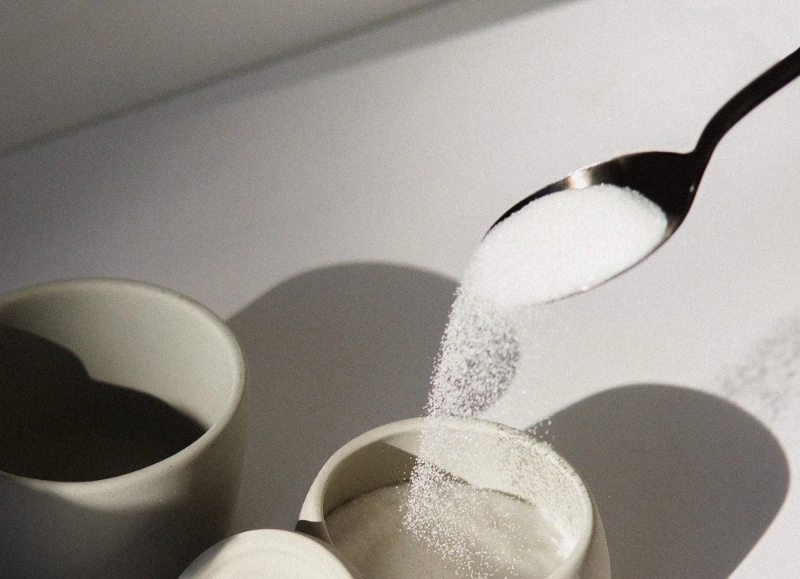
Not all, but many popular ice drinks, especially those marketed as healthy or natural, avoid aspartame due to stability, taste, and consumer preference reasons. Sucralose is commonly used instead.
Aspartame is safe for the general population according to regulatory authorities, but people with phenylketonuria (PKU) must avoid it. Some individuals also report sensitivities, though scientific consensus supports its safety when consumed appropriately.
Sucralose is heat and acid stable, making it better suited for carbonated and flavored ice drinks. It also has a cleaner sweetness profile without a bitter aftertaste and is much sweeter, so less quantity is needed.
Yes, natural sweeteners like stevia and monk fruit are increasingly used in ice drinks. When combined with polyols and dietary fibers, they can create clean-label, low-calorie beverages without compromising taste or mouthfeel.
Functional polyols provide sweetness, reduce calories, and improve texture, while dietary fibers add health benefits like digestive support and enhance mouthfeel, enriching the consumer's sensory and nutritional experience.


