
Views: 222 Author: Sara Publish Time: 2025-09-16 Origin: Site


Content Menu
● Research Insights on Aspartame and Blood Pressure
>> Animal Studies: Evidence of Blood Pressure Reduction
>> Human and Primate Studies: Indicators of Cardiovascular Risk
>> Molecular and Physiological Mechanisms
● Safety and Regulatory Guidelines
● Broader Perspective on Artificial Sweeteners and Cardiovascular Health
● Considerations for Consumers and Industry
● Frequently Asked Questions (FAQ)
>> 1. Can aspartame cause high blood pressure?
>> 2. What is the safe daily intake level for aspartame?
>> 3. Does aspartame affect everyone's blood pressure similarly?
>> 4. Are there natural sweetener alternatives that do not affect blood pressure?
>> 5. Should individuals with hypertension avoid aspartame?
Aspartame, a widely used artificial sweetener, is celebrated by many for providing sweetness without the calories associated with sugar. It is commonly found in diet sodas, sugar-free gum, low-calorie desserts, pharmaceuticals, and a variety of processed foods. As the consumption of aspartame-containing products continues to grow globally, questions about its effects on human health, particularly cardiovascular health and blood pressure regulation, have become increasingly urgent.
This article reviews current scientific evidence on aspartame's influence on blood pressure, examining data from animal studies, human trials, and molecular research. It explores the chemical nature of aspartame, potential biological mechanisms by which it could affect blood pressure, and the broader implications of its use within the food, beverage, and healthcare industries. Regulatory guidance and safety considerations for manufacturers and consumers are also discussed.
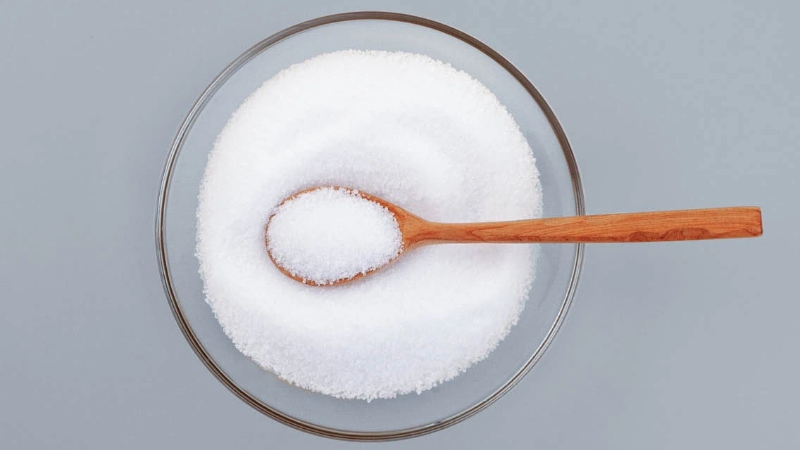
Discovered in 1965, aspartame is an artificial sweetener approximately 200 times sweeter than table sugar (sucrose). Chemically, it consists of three components: phenylalanine (50%), aspartic acid (40%), and methanol (10%). Upon ingestion, aspartame is metabolized into these components, which are naturally processed by the body in typical dietary amounts.
It received approval from major regulatory agencies, such as the U.S. Food and Drug Administration (FDA) and the European Food Safety Authority (EFSA), and is widely incorporated into low-calorie and sugar-free products aimed at reducing calorie consumption without sacrificing sweetness.
Initial research using animal models, specifically spontaneously hypertensive rats, suggested that aspartame consumption might lower blood pressure. These studies reported acute reductions in systolic blood pressure linked to aspartame intake. The effect was hypothesized to result from aspartame's metabolite tyrosine, which may influence neurochemical pathways affecting vascular dilation and blood pressure management.[11]
Contrary to animal model findings, recent human and primate studies have raised concerns. A significant 2025 study published in *Cell Metabolism* demonstrated that aspartame consumption induced insulin spikes in mice and monkeys consuming amounts equivalent to about one liter of diet soda daily. This hyperinsulinemia triggered chronic inflammation, exacerbating the formation of fatty plaques in arteries (atherosclerosis), a known contributor to increased blood pressure and cardiovascular diseases.[7][12]
Several biological mechanisms explain how aspartame might affect blood pressure:
- Insulin-Mediated Inflammation: Sweetness receptors located in the mouth, gut, and other tissues respond to aspartame's intense sweetness by triggering excessive insulin release. This chronic hyperinsulinemia promotes inflammation through immune signaling proteins such as CX3CL1, attracting inflammatory cells to blood vessel walls, accelerating plaque buildup, and leading to arterial stiffness that can elevate blood pressure.[12][7]
- Neurochemical Influence: Phenylalanine, one of aspartame's breakdown products, influences neurotransmitters including dopamine and norepinephrine. These neurotransmitters regulate vascular tone, and altered levels may cause vasoconstriction and elevated blood pressure in sensitive individuals.[13]
- Activation of Cardiac Sweet Taste Receptors: Recent discoveries revealed sweet taste receptors (TAS1R2 and TAS1R3) in cardiac muscle cells. When aspartame interacts with these receptors, it increases heart muscle contraction force and calcium handling, processes integral to heartbeat regulation. Overstimulation of these receptors by artificial sweeteners may contribute to arrhythmias and potentially impact systemic blood pressure regulation over time.[3]
A 2025 study published in Scientific Reports was pioneering in linking aspartame consumption with increased risk of ischemic stroke by leveraging advanced computer modeling and network toxicology. The research demonstrated that aspartame binds and influences genes governing inflammation, blood pressure regulation, and vascular integrity within the brain. Such disruptions may cause elevated blood pressure, inflammation of cerebrovascular tissues, and weakening of the blood-brain barrier, increasing stroke vulnerability.[1][9]
Epidemiological studies reinforce these concerns, indicating higher incidence rates of stroke and cardiovascular events among aspartame consumers, particularly in female and Black populations.[4]
Health authorities such as the FDA and EFSA have established an Acceptable Daily Intake (ADI) for aspartame, generally set at 40 to 50 milligrams per kilogram of body weight per day. Most individuals consume safe amounts within these limits. However, some population groups, particularly heavy consumers of diet beverages and processed foods containing aspartame, may exceed these recommended values.[14]
People with phenylketonuria (PKU), a rare genetic metabolic disorder, must avoid aspartame due to their inability to properly metabolize phenylalanine, risking toxic accumulation.[13]
In 2023, the International Agency for Research on Cancer (IARC) classified aspartame as "possibly carcinogenic to humans," adding weight to ongoing safety debates. Additionally, the World Health Organization (WHO) recently advised against the use of non-sugar sweeteners like aspartame for weight loss, citing links to obesity, type 2 diabetes, and cardiovascular disease.[1]
Aspartame belongs to a larger group of artificial sweeteners that include sucralose, saccharin, and acesulfame potassium. While marketed as healthier sugar alternatives, mounting scientific evidence suggests artificial sweeteners may be associated with adverse metabolic and cardiovascular outcomes.
Large-scale studies indicate that artificial sweetener consumption correlates with a higher risk of stroke, heart attack, and metabolic syndrome. These effects might arise from mechanisms such as altered gut microbiota, chronic inflammation, endothelial dysfunction, and insulin resistance.[15][4]
Notably, studies show that diet soda drinkers face increased risk of metabolic diseases and hypertension compared to non-users, despite having lower sugar intake.[16]
Consumers, especially those with pre-existing cardiovascular conditions, hypertension, or metabolic disorders, should exercise caution with aspartame consumption. Regular monitoring and consultation with healthcare professionals are advised when including artificial sweetener-containing products in the diet.
Manufacturers within the food, beverage, and healthcare sectors bear responsibility to ensure product safety by adhering to regulatory consumption guidelines and transparently labeling aspartame and other artificial sweeteners. Additionally, exploring safer natural sweetener alternatives such as stevia and sugar alcohols (erythritol, xylitol) may provide healthier options to meet market demands.[17]
Aspartame remains a widely used and effective artificial sweetener option for reducing caloric intake while maintaining sweetness in foods and beverages. While early animal research suggested potential blood pressure-lowering effects, growing human and molecular evidence indicate that aspartame may contribute to adverse cardiovascular outcomes, including increased inflammation, atherosclerosis, and stroke risk—all of which can elevate blood pressure.
Regulatory agencies have established usage guidelines intended to safeguard consumers, yet the widespread and often excessive consumption of aspartame raises valid health concerns. Sensitive groups, such as individuals with hypertension or metabolic disorders, should use caution and consult healthcare providers regarding artificial sweetener intake.
For food and beverage industries, understanding both the benefits and risks of aspartame is essential for developing formulations that support public health while satisfying consumer demands for low-calorie, sweetened products.

Research presents conflicting evidence. While animal studies have shown blood pressure reductions with aspartame, human and primate studies indicate that aspartame may promote inflammation and atherosclerosis through increased insulin release, potentially raising blood pressure, especially with high consumption or in sensitive individuals.[11][12]
Health authorities recommend consuming no more than 40-50 mg per kilogram of body weight per day. Staying within these limits is considered safe for healthy individuals.[14]
No. Individual responses vary due to factors such as genetic predispositions, metabolic health, and existing cardiovascular conditions. People with hypertension or phenylketonuria (PKU) should be particularly cautious.[16][13]
Yes. Natural sweeteners like stevia and sugar alcohols such as erythritol and xylitol are generally not associated with adverse cardiovascular effects, although ongoing research continues to evaluate their long-term impact.[17]
It is advisable for individuals with high blood pressure or other cardiovascular risk factors to seek medical advice before consuming aspartame regularly and to consider moderating their intake.[16]
[1](https://usrtk.org/healthwire/aspartame-stroke/)
[2](https://www.medicalnewstoday.com/articles/artificial-sweetener-triggers-insulin-spike-leading-to-blood-vessel-inflammation-in-mice)
[3](https://www.biophysics.org/news-room/sweet-taste-receptors-in-the-heart-a-new-pathway-for-cardiac-regulation)
[4](https://www.health.harvard.edu/heart-health/sugar-substitutes-new-cardiovascular-concerns)
[5](https://www.neurology.org/doi/10.1212/WNL.0000000000214023)
[6](https://www.sciencedaily.com/releases/2025/09/250904103923.htm)
[7](https://www.sciencedirect.com/science/article/pii/S1550413125000063)
[8](https://www.aan.com/PressRoom/Home/PressRelease/5281)
[9](https://www.nature.com/articles/s41598-025-08898-z)
[10](https://www.hcahoustonhealthcare.com/healthy-living/blog/the-not-so-sweet-effects-of-artificial-sweeteners-on-the-body)
[11](https://pubmed.ncbi.nlm.nih.gov/3746286/)
[12](https://www.163.com/dy/article/JOUH1LNL05329KGN.html)
[13](https://pmc.ncbi.nlm.nih.gov/articles/PMC387446/)
[14](https://www.marketresearchintellect.com/zh/blog/growing-health-consciousness-drives-aspartame-market-opportunities/)
[15](https://www.bhf.org.uk/informationsupport/heart-matters-magazine/news/behind-the-headlines/are-artificial-sweeteners-safe)
[16](https://hilo.com/uk/art/sugar-substitutes-affect-blood-pressure/)
[17](https://ufoodin.com/zh-CN/members/sonal/activity/74278/?is_wppwa=true&wpappninja_cache=friendly)


