
Views: 222 Author: Sara Publish Time: 2025-12-25 Origin: Site


Content Menu
>> Natural High-Intensity Sweeteners
>> Functional Polyols as Sweeteners
>> Dietary Fibers Enhancing Sweeteners
● Safety Profiles of Sweeteners
● Health Benefits of Safe Sweeteners
● Applications Across Industries
>> Beverages and Functional Drinks
>> Baked Goods and Confectionery
>> Pharmaceuticals and Healthcare
● Manufacturing and Innovation in Sweeteners
● Market Trends and Regulations
● Challenges and Future Directions
● FAQ
>> 1. What makes natural sweeteners safer than artificial ones?
>> 2. Are polyol sweeteners suitable for daily use?
>> 3. How do dietary fibers improve sweetener formulations?
>> 4. Can safe sweeteners handle high-heat cooking?
>> 5. What drives the growth in safe sweetener demand?
Safe sweeteners are readily available, especially natural options like stevia, monk fruit, and various polyols that deliver sweetness without compromising health. These sweeteners, including functional polyols and dietary fibers, empower food, beverage, and healthcare manufacturers with healthier alternatives through expert blending, tablet production, and OEM/ODM services.[1][2]
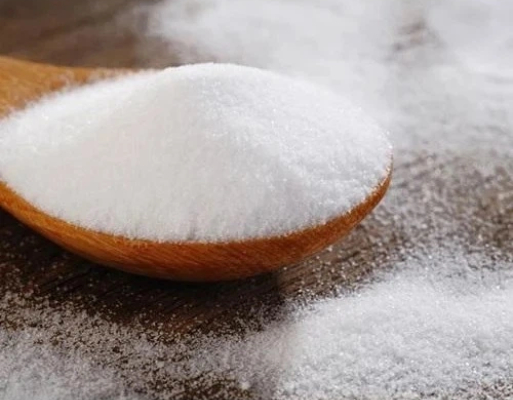
Sweeteners play a pivotal role in modern food formulations, providing the taste consumers crave while addressing health concerns like obesity and diabetes. Natural sweeteners stand out for their plant-based origins, offering intense sweetness from sources like stevia leaves without the caloric load of sugar. Functional polyols, a category of sugar alcohols, serve as versatile sweeteners that mimic sugar's texture and bulk, making them perfect for low-calorie products.[3][4]
Dietary fibers integrated into sweetener blends enhance overall safety by supporting digestion and stabilizing blood sugar levels. These fiber-enriched sweeteners prevent the digestive discomfort sometimes associated with other low-calorie options. Manufacturers specializing in sweeteners create custom formulations that combine multiple types for superior taste masking and solubility, ensuring seamless integration into beverages, baked goods, and pharmaceuticals. The rise of clean-label demands has accelerated innovation in natural sweeteners, with factories leading the charge in developing high-purity blends.[1]
Natural high-intensity sweeteners provide exceptional sweetness levels, often 200 to 300 times that of sucrose, with zero calories. Stevia sweeteners, derived from the Stevia rebaudiana plant, have gained FDA GRAS status due to rigorous safety testing, showing no adverse effects even at high doses. Monk fruit sweeteners, extracted from Siraitia grosvenorii, offer a clean, fruity profile rich in antioxidants like mogrosides, which contribute to their safety and health benefits.[2][1]
These sweeteners excel in applications requiring minimal usage volumes, such as diet sodas and sugar-free yogurts. Blending stevia sweeteners with monk fruit eliminates potential aftertastes, creating harmonious sweetener profiles that appeal to global palates. Ongoing research continues to refine extraction methods for purer natural sweeteners, enhancing their market viability.
Functional polyols represent a robust class of safe sweeteners, valued for their sugar-like properties and reduced caloric content—typically 40-60% of sugar's calories. Xylitol, sourced from birch bark or corn cobs, matches sugar's sweetness one-to-one and uniquely supports oral health by reducing plaque and preventing cavities through its non-fermentable nature. Erythritol, produced via yeast fermentation of glucose, boasts near-zero calories (0.2 kcal/g) and excellent gastrointestinal tolerance, even at higher intakes.[4][5][6]
Other polyol sweeteners like maltitol and sorbitol provide humectancy in confections, retaining moisture without causing rapid fermentation in the mouth. These polyol sweeteners integrate effortlessly into chewing gums, chocolates, and hard candies, offering bulk that artificial sweeteners lack. In OEM production, polyol sweeteners undergo precise crystallization control for consistent particle size, ensuring optimal dissolution in final products. Their stability under heat makes polyol sweeteners indispensable for baking and extrusion processes.
Dietary fibers transform basic sweeteners into functional ingredients by adding prebiotic effects and improved sensory qualities. Inulin, derived from chicory root, acts as a soluble fiber sweetener that fosters beneficial gut bacteria while providing mild sweetness and creamy mouthfeel. Polydextrose, a synthetic yet safe fiber sweetener, offers low calories and high solubility, ideal for bulking up low-sugar formulations without laxative effects at typical doses.[3][1]
Blends combining dietary fibers with high-intensity sweeteners achieve sugar parity in volume and taste, crucial for consumer acceptance. These fiber-sweetener synergies support weight management by promoting satiety and steady energy release. In medical nutrition, dietary fiber sweeteners aid in formulating enteral feeds that maintain gut integrity during illness.
Extensive scientific validation underpins the safety of approved sweeteners, with natural varieties leading due to their minimal processing. Regulatory agencies like the FDA, EFSA, and JECFA have affirmed stevia sweeteners, polyols, and select fibers as safe for general use, including pregnant women and children, based on animal and human studies showing no carcinogenicity or genotoxicity. Unlike controversial artificial sweeteners such as aspartame or saccharin, which have faced bans or warnings in some regions, natural sweeteners exhibit clean toxicological profiles.[6][2]
Polyol sweeteners demonstrate remarkable digestive safety; for instance, erythritol is absorbed in the small intestine and excreted unchanged in urine, bypassing fermentation that causes bloating with other polyols. Long-term epidemiological data links regular use of xylitol sweeteners to reduced dental caries by up to 80% in populations with high consumption. Dietary fiber sweeteners further bolster safety by mitigating any potential osmotic effects in the gut. Factories enforce stringent purity standards, testing for heavy metals, allergens, and microbial contaminants to guarantee sweetener safety across supply chains.[5][4]
Safe sweeteners contribute meaningfully to public health by enabling sugar reduction without sacrificing enjoyment. Stevia sweeteners actively lower blood glucose and insulin responses, beneficial for type 2 diabetes management as evidenced by meta-analyses of randomized trials. Polyol sweeteners like xylitol enhance bone health via improved calcium absorption and may reduce ear infections in children through anti-bacterial properties.[5][1]
Dietary fiber sweeteners promote cardiovascular wellness by binding bile acids and lowering cholesterol, while their prebiotic action strengthens immunity. Monk fruit sweeteners deliver additional polyphenols that combat oxidative stress. In aggregate, incorporating diverse sweeteners into diets correlates with lower BMI and better glycemic control in observational studies. These benefits extend to healthcare, where palatable sweetener tablets improve medication adherence in vulnerable populations.
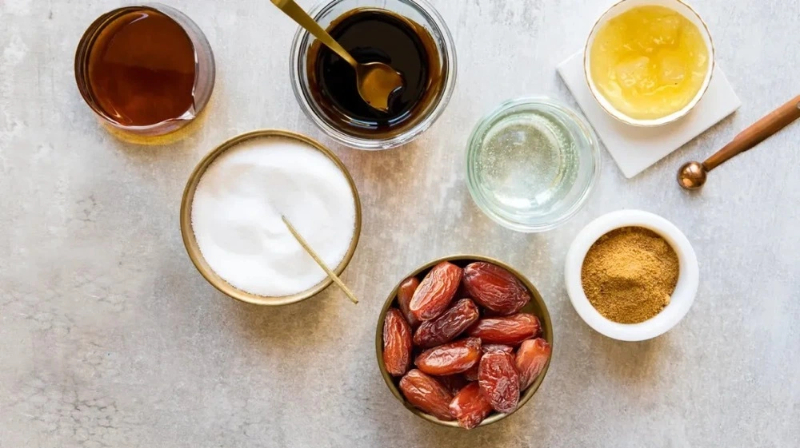
Beverages represent the largest market for safe sweeteners, where stevia and erythritol blends achieve zero-calorie refreshment with natural mouthfeel. Functional drinks incorporate polyol sweeteners for viscosity in protein shakes, preventing separation during storage. Dietary fibers in sports beverages add hydration retention and electrolyte synergy.[7]
Custom OEM sweetener formulations allow brands to tailor sweetness curves for regional tastes, from subtle in teas to bold in energy drinks.
In baking, polyol sweeteners like maltitol retain moisture, yielding soft textures in sugar-free cookies and cakes. Xylitol sweeteners crystallize beautifully in icings, providing a cooling sensation prized in mint confections. Fiber-enhanced sweeteners boost nutritional claims, turning treats into health foods. High-intensity natural sweeteners reduce recipe reformulation time for manufacturers.
Healthcare products demand precise sweeteners for taste-masking in chewables and lozenges. Tablet-pressed blends of polyols and fibers ensure swallowability and sustained release of actives. OEM services produce ready-to-fill sweetener granulates for effervescent vitamins, prioritizing solubility and stability.[6][1]
Specialized factories excel in sweetener development, employing spray-drying and co-crystallization to merge natural sweeteners with polyols at optimal ratios—often 2-5% high-intensity to 95% bulking agents. Pilot blending verifies sensory profiles before scaling to tons. Quality assurance includes HPLC analysis for potency and particle size distribution for flowability.[1]
Sustainability innovations feature biotech-derived sweeteners from upcycled agricultural waste, minimizing environmental impact. Future trends include enzyme-modified sweeteners for ultra-low aftertaste and personalized blends via AI flavor modeling.
The global sweeteners market surges at over 8% CAGR, driven by sugar reduction mandates and consumer health focus. China leads production of stevia sweeteners, exporting premium extracts to meet US and EU clean-label standards. Regulations like the EU's 10% polyol limit in novel foods encourage innovative, compliant formulations.[8][2]
| Sweetener Type | Safety Rating | Key Benefits | Caloric Value (kcal/g) | Primary Uses |
|---|---|---|---|---|
| Stevia Sweeteners | GRAS | Zero glycemic impact | 0 | Beverages, tabletop |
| Erythritol Polyols | GRAS | Digestive tolerance | 0.2 | Baking, beverages |
| Xylitol Sweeteners | GRAS | Dental health | 2.4 | Confectionery, oral care |
| Inulin Fibers | GRAS | Prebiotic effects | 1.5 | Dairy, bars |
| Monk Fruit Sweeteners | GRAS | Antioxidants | 0 | Yogurt, teas |
Aftertaste remains a hurdle for some high-intensity sweeteners, countered by polyol-fiber synergies that smooth flavor release. Cost barriers for rare natural sweeteners spur synthetic biology solutions, like fermented mogrosides. Emerging sweeteners incorporate adaptogens for mood-enhancing drinks, expanding functional claims.
Safe sweeteners, from stevia and monk fruit to functional polyols and dietary fibers, offer proven alternatives for healthier food, beverage, and healthcare products. Factories providing blending, tableting, and OEM/ODM services enable global manufacturers to harness these ingredients effectively. Adopting them ensures taste, compliance, and wellness in an era of health-conscious consumerism.

Natural sweeteners like stevia and monk fruit undergo minimal processing and show no links to cancer or metabolic issues in extensive studies, unlike some artificial sweeteners with regulatory scrutiny.[2][1]
Yes, polyol sweeteners such as erythritol and xylitol are safe daily due to low calorie absorption and benefits like dental protection, with GRAS status supporting broad consumption.[4][6]
Dietary fibers add bulk, prebiotics, and texture to sweeteners, enhancing gut health and masking off-notes without calories, ideal for functional foods.[3][1]
Polyol sweeteners and stable natural varieties like erythritol withstand baking temperatures up to 200°C without degradation, perfect for OEM baked goods.[5]
Rising diabetes rates, sugar taxes, and clean-label trends propel demand for natural sweeteners, with markets expanding rapidly in beverages and health products.[8][2]
[1](https://patents.google.com/patent/CN1459245A/zh)
[2](https://pdf.dfcfw.com/pdf/H3_AP202412131641289648_1.pdf)
[3](https://www.hkbiotek.com/post/%E7%B3%96%E9%86%87%EF%BC%9A%E5%A4%A9%E7%84%B6%E7%94%9C%E5%91%B3%E5%8A%91?lang=zh)
[4](https://www.ffbio.com.tw/drugrawmaterials72.html)
[5](https://pdf.dfcfw.com/pdf/H3_AP202401241617991386_1.pdf)
[6](https://www.adm.com/zh-hans-cn/products--services/human-nutrition/products/sweeteners/polyols/)
[7](https://www.caldic.com/zh-hans-cn/markets/food-beverage/beverage/)
[8](http://money.finance.sina.com.cn/corp/view/vCB_AllBulletinDetail.php?stockid=301206&id=7370608)


