
Views: 222 Author: Sara Publish Time: 2025-07-20 Origin: Site


Content Menu
● Understanding Artificial Sweeteners and Their Uses
● How Artificial Sweeteners Are Metabolized by the Body
● The Liver and Its Vulnerability to Artificial Sweeteners
>> Key Findings on Liver Impact:
>> The Role of Oxidative Stress
● Are All Artificial Sweeteners Equally Harmful?
● The Gut-Liver Axis: How Artificial Sweeteners Influence Liver Health Indirectly
● Soft Drinks and Liver Health
● Functional Polyols: Sweeteners with Added Benefits
● The Importance of Dietary Fiber in Liver Protection
● Industry Perspective: A Balanced Approach
● FAQs
>> 1. Are artificial sweeteners completely safe for the liver?
>> 2. Which artificial sweeteners are least harmful to the liver?
>> 3. Can artificial sweeteners cause liver cancer?
>> 4. How do artificial sweeteners affect liver detoxification?
>> 5. What role does gut microbiota play in liver disease related to sweeteners?
Artificial sweeteners are widely used as substitutes for sugar in many food and beverage products, especially in the health-conscious and sugar-reduction trends dominating today's market. For a Chinese factory specializing in natural sweeteners, functional polyols, and dietary fibers, understanding the impact of these sweeteners on liver health is essential to guiding clients and developing safer, innovative products. This article explores the relationship between artificial sweeteners and liver health, examining scientific findings, health concerns, and practical advice.
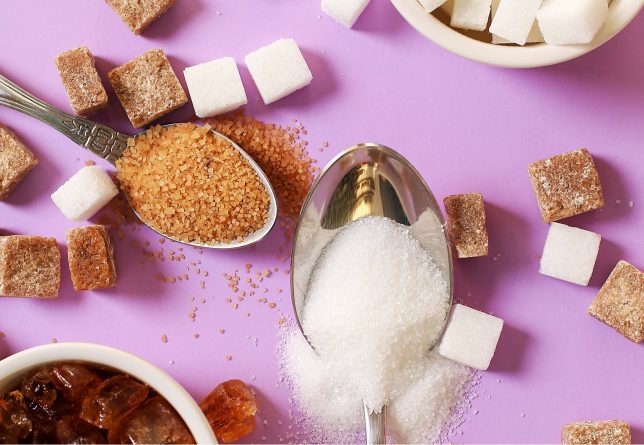
Artificial sweeteners are synthetic sugar substitutes that provide sweetness without the calories of sugar. Common sweeteners include aspartame, sucralose, saccharin, and newer polyols like erythritol and sorbitol. They are extensively used in soft drinks, baked goods, candies, and dietary supplements for diabetic or calorie-conscious consumers.
Sweeteners can be categorized into:
- Artificial sweeteners (non-nutritive): Aspartame, sucralose, saccharin.
- Functional polyols (sugar alcohols): Erythritol, sorbitol, xylitol.
- Natural sweeteners: Stevia, monk fruit extracts, and others.
Our factory's expertise in natural sweeteners, functional polyols, and dietary fiber supports the development of healthier, palatable, and regulatory-compliant products.
Understanding how the liver metabolizes different sweeteners is key to evaluating their potential impact on liver health. Unlike glucose and fructose, which the liver processes heavily, some artificial sweeteners pass through the digestive system largely unmetabolized, while others are partially broken down.
- Aspartame is metabolized into amino acids and methanol, which the body can handle in small amounts but might stress the liver if consumed in excess.
- Sucralose mostly passes through the body unchanged, with minimal metabolic burden on the liver.
- Sugar alcohols (polyols) such as erythritol and sorbitol undergo partial fermentation by gut bacteria, potentially producing metabolites that affect liver function indirectly.
This variation in metabolism suggests that the effects of sweeteners are not uniform, and different compounds may place differing levels of stress on the liver.
The liver is the body's primary detoxification organ. It metabolizes substances, including drugs, toxins, and dietary components. Because artificial sweeteners are ingested regularly, concerns have grown about their long-term effects on liver cells and functions.
- Liver Toxicity and Oxidative Stress: Studies show that artificial sweeteners like aspartame and sucralose may induce chronic oxidative stress in liver tissue, potentially leading to liver toxicity and damage with prolonged overconsumption.
- Non-Alcoholic Fatty Liver Disease (NAFLD): There is growing evidence suggesting that artificial sweeteners contribute to gut microbiota imbalance, known as gut dysbiosis, which correlates with the development of NAFLD—a condition characterized by excess fat accumulation in the liver unrelated to alcohol intake.
- Disruption of Liver Detoxification: Research reveals that some sugar substitutes interfere with proteins such as P-glycoprotein (PGP), critical for detoxification. This interference might impair the liver's ability to process drugs, toxins, and metabolic byproducts.
- Potential Liver Cancer Risk: Experimental studies found that sugar alcohols like erythritol and sorbitol can accumulate and promote cancer cell proliferation in the liver, especially in individuals with genetic susceptibilities. While still an emerging field, early data indicates caution in using sugar alcohols excessively.
Oxidative stress happens when the balance between free radicals and antioxidants in the body tips unfavorably, causing cell and tissue damage. The liver, as a detoxification center, is sensitive to oxidative damage. Some artificial sweeteners increase the production of reactive oxygen species (ROS) in liver cells, leading to inflammation and cell death if antioxidant defenses are insufficient. This oxidative damage can accumulate over time, contributing to the progression of chronic liver diseases.
No. The impact varies depending on the type, dosage, and individual susceptibility.
| Sweetener Type | Impact on Liver | Notes |
|---|---|---|
| Aspartame and Sucralose | May induce oxidative stress and liver injury | Widely used; needs moderation |
| Sugar Alcohols (Erythritol, Sorbitol) | Possible promotion of liver cancer in mice studies | Common in many “sugar-free” products |
| Natural Sweeteners (Stevia, Monk Fruit) | Generally considered safer alternatives with minimal liver effects | Recommended especially for liver health concerns |
| Saccharin | Historically limited due to safety concerns, but approved with use restrictions | Banned in some populations like infants |
Industry leaders are moving toward natural sweeteners and advanced polyols with better safety profiles and organ health compatibility.
Emerging research highlights an important connection between the gut microbiome and the liver, often referred to as the *gut-liver axis*. Artificial sweeteners can alter gut bacteria composition, promoting harmful bacterial growth or diminishing beneficial microbes. This dysbiosis can cause increased intestinal permeability ("leaky gut"), allowing bacterial toxins (endotoxins) to reach the liver through portal circulation.
When endotoxins enter the liver, they trigger an immune response and inflammation, which can damage liver cells and promote fatty liver disease, fibrosis, or even cirrhosis over time. This indirect pathway shows how artificial sweeteners may contribute to liver disorders beyond their direct metabolic effects.
Diet sodas, often sweetened with artificial sweeteners, are marketed as healthier than sugar-laden drinks. However, consumption of diet soft drinks has been linked to worsening liver conditions, such as fatty liver and inflammation, especially in patients with pre-existing liver disease.
The caloric benefit of replacing sugar with artificial sweeteners may come at the expense of disrupting normal liver function and gut microbiota balance, as explained above. Individuals at risk for liver disease or managing metabolic syndrome should approach these products cautiously and consider natural alternatives.
Functional polyols such as erythritol, sorbitol, and xylitol not only provide sweetness but also offer other health benefits such as lower glycemic indices and a prebiotic effect enhancing beneficial gut bacteria.
In moderate amounts, these polyols have shown lower toxicity compared to synthetic sweeteners and can be safer choices for consumers conscious of liver health. However, excessive intake may cause gastrointestinal upset and potential liver burden due to fermentation by gut flora.
Our factory specializes in the development of these functional polyols, enabling innovative formulations that balance sweetness, functionality, and health safety, particularly supporting liver and digestive health.
Dietary fibers, another core specialty of our factory, play a crucial role in liver health by improving digestion, regulating blood sugar, and lowering cholesterol. Soluble fibers help to modulate gut bacteria positively, reduce endotoxin translocation to the liver, and can stave off metabolic conditions that lead to fatty liver.
Combining sweeteners with dietary fibers in food and beverage formulations enhances not only taste and texture but also the overall health benefits, reinforcing liver protection.
Our factory's focus on blend sweetener development, tablet production, and OEM/ODM services for international manufacturers emphasizes:
- Using natural sweeteners and functional polyols to reduce risks associated with synthetic sweeteners.
- Developing compound sweetener blends that optimize taste and safety.
- Promoting dietary fibers to aid digestion and improve overall metabolic health, indirectly supporting liver wellness.
We believe in educating clients and consumers on the importance of selecting sweeteners based on emerging health data, particularly around liver safety, and tailoring products for diverse market needs and health demands.
Artificial sweeteners play a valuable role in reducing sugar intake and managing calorie consumption, benefiting people with diabetes or obesity. However, emerging evidence suggests that prolonged and excessive intake may pose risks to liver health, including oxidative stress, disrupted detoxification, fatty liver disease, and possibly liver cancer.
Choosing natural sweeteners, incorporating functional polyols carefully, and maintaining moderation are critical for liver wellness. The indirect effects via gut microbiota further underscore the need for a comprehensive approach in sweetener use. For manufacturers and consumers alike, striking a balance between sweetness, safety, and function is paramount. Our commitment is to provide solutions that are both health-forward and scientifically supported.
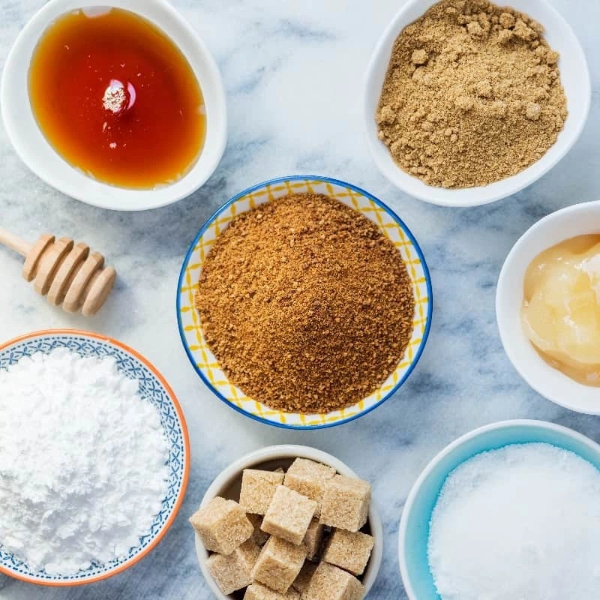
Most artificial sweeteners are generally recognized as safe at recommended doses, but long-term or excessive consumption may increase risks of liver toxicity and fatty liver disease. Moderation and choice of sweetener type are important.
Natural sweeteners like stevia and some functional polyols (in moderation) are considered safer alternatives and supported by current research. These are ideal choices for those concerned about liver health.
Research in animal models suggests sugar alcohols like erythritol and sorbitol may promote liver cancer development under certain conditions, but human studies are ongoing and inconclusive so far.
Certain sweeteners can inhibit critical liver transport proteins that detoxify xenobiotics and medications, potentially hindering liver function. This effect may vary depending on sweetener type and amount consumed.
Artificial sweeteners can cause gut microbiota imbalance (dysbiosis), which is implicated in the development of non-alcoholic fatty liver disease (NAFLD). Maintaining a healthy gut flora is essential for liver health.


