
Views: 222 Author: Sara Publish Time: 2025-12-05 Origin: Site


Content Menu
● Understanding Stevia and Splenda
● Health Benefits and Safety Profiles
>> Stevia
>> Splenda
● Taste and Culinary Application
● Impact on Weight and Metabolism
● Environmental Sustainability
● Additional Scientific Insights
● Industrial and Commercial Uses
● FAQs About Stevia and Splenda
>> 1. Is stevia safe for diabetics?
>> 2. Can Splenda cause digestive issues?
>> 3. Does stevia have a bitter aftertaste?
>> 4. Are stevia and Splenda effective for weight loss?
>> 5. Which sweetener is better for baking?
In the quest for healthier sugar alternatives, many people face the choice between two popular zero-calorie sweeteners: Splenda and Stevia. Both offer sweetness without the calories of sugar, but they differ significantly in origin, health effects, taste, and environmental impact. This article explores the benefits and drawbacks of each to help you decide which fits best into a healthy lifestyle.
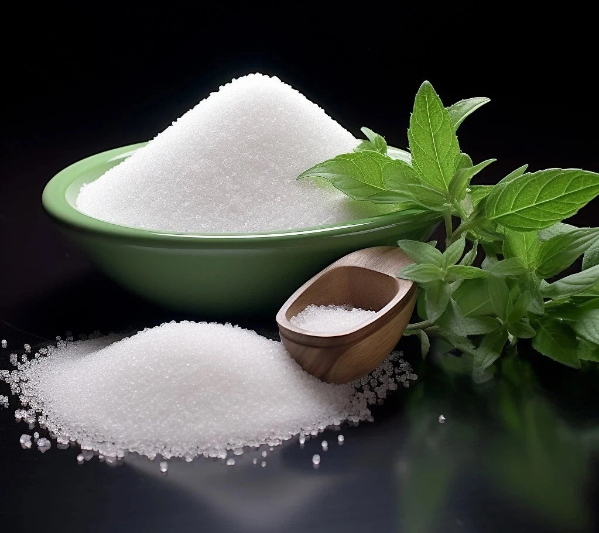
Stevia is a natural sweetener extracted from the leaves of the Stevia rebaudiana plant. It contains steviol glycosides, naturally occurring compounds that are 200 to 300 times sweeter than sugar but contain no calories. Stevia is considered a plant-based, organic sweetener highly favored by those seeking natural products.
Splenda is a brand name for sucralose, a synthetic sweetener created by chemically modifying sugar molecules. It is about 600 times sweeter than sugar and widely used in processed foods and beverages. Though artificial, Splenda is approved by food safety agencies worldwide and commonly used as a sugar alternative in both commercial and home cooking.
Stevia offers several health advantages stemming from its natural composition and biological effects:
- Impact on Blood Sugar: Stevia does not raise blood glucose or insulin levels, making it particularly suitable for people with diabetes or those monitoring blood sugar.[1][6][7]
- Potential Health Advantages: Studies suggest stevia may have antioxidant, anti-inflammatory, and even antiviral properties, supporting overall wellness beyond its role as a sweetener.[11]
- Calorie-Free: Stevia contains negligible carbohydrates and no calories, aiding weight management efforts while satisfying sweet cravings.
- Oral Health: Stevia does not contribute to tooth decay or plaque formation, similar to other non-cariogenic sweeteners.[11]
- Sustainability: Being plant-derived, stevia generally requires less water and energy to produce than synthetic alternatives, offering a more eco-friendly option.[11]
However, stevia can sometimes leave a bitter or licorice-like aftertaste, which may disrupt some users' taste preferences. Also, commercial products often blend stevia with other ingredients that may affect purity and taste.
Splenda is praised for its intense sweetness and sugar-like taste but has some health considerations:
- Zero Calories: Splenda is calorie-free and does not spike blood sugar directly through sucralose.[5][1]
- Gut Microbiome Effects: Emerging evidence suggests Splenda might alter the balance of gut bacteria, potentially reducing beneficial strains and increasing harmful ones, which may influence glucose metabolism and immune functions.[1]
- Additive Concerns: Some Splenda products contain maltodextrin or glucose, which can affect insulin response negatively in sensitive individuals.[1]
- Oral Health: Like stevia, Splenda does not promote tooth decay.
- Controversial Aspects: Long-term safety studies have raised questions about sucralose's interaction with DNA and antioxidant systems, though regulatory bodies consider it safe when consumed within set limits.[5][1]
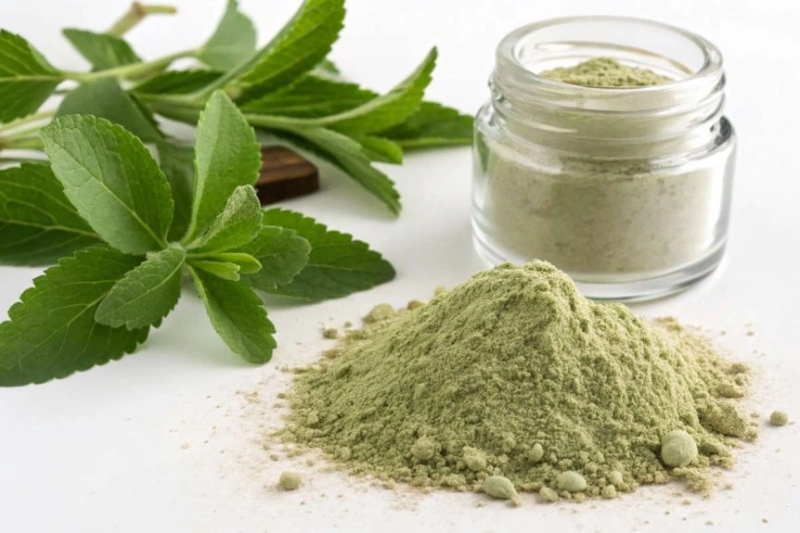
Taste is an essential factor influencing sweetener choice:
- Stevia: While natural and plant-based, stevia's taste sometimes carries a bitter or licorice-like aftertaste. It performs best in beverages, smoothies, and cold dishes. In baking, stevia may require recipe adjustments because it does not provide bulk or caramelization like sugar.
- Splenda: Splenda closely mimics sugar's taste with minimal aftertaste, making it popular for cooking and baking. Its heat stability helps preserve sweetness in high-temperature recipes, allowing it to replace sugar more directly.
Both sweeteners support calorie reduction but may influence appetite and metabolism differently:
- Stevia has been shown in some studies to help reduce blood triglycerides and LDL cholesterol while increasing HDL cholesterol, potentially supporting heart health.[8]
- Some evidence suggests Splenda might affect insulin sensitivity via impacts on gut bacteria, possibly influencing weight management negatively in some cases.[1]
- Both are tools to reduce sugar intake but should be consumed in moderation within balanced diets.
Stevia's cultivation typically uses less water and energy compared to the synthesis and production of sucralose (Splenda). For eco-conscious consumers and manufacturers, stevia offers a more sustainable choice due to its renewable plant origin and lower environmental footprint.
Several scientific studies comparing stevia and sucralose add valuable context:
- Long-term animal studies indicate that high doses of sucralose may reduce beneficial gut bacteria and intestinal barrier function more than stevia.[1]
- Laboratory tests have shown stevia and sucralose consumption affects body weight, food intake, and blood parameters differently, with stevia often presenting fewer adverse effects.[2]
- Regulatory authorities like the FDA have approved sucralose for widespread use but prohibit whole-leaf stevia and crude extracts due to lack of sufficient safety data. Purified steviol glycosides are considered safe for consumption.[5][1]
Given your factory's expertise in natural sweeteners, functional polyols, and dietary fibers, stevia represents a strategic ingredient for clean-label, health-focused formulations. Its natural origin aligns with consumer trends favoring organic and plant-based products. Splenda, while effective, may appeal more in processed foods requiring sugar-like functionality and culinary versatility.
Between Splenda and Stevia, stevia generally stands out as the healthier choice due to its natural source, negligible impact on blood sugar, potential antioxidant benefits, and lower environmental footprint. Splenda, while effective and pleasant-tasting, carries some concerns regarding gut health and synthetic origins. Both sweeteners offer alternatives to sugar that can aid in calorie reduction and blood sugar control, but stevia's profile better aligns with natural health trends. Ultimately, personal taste preferences, dietary needs, and product application will influence the best choice for each individual or manufacturer.
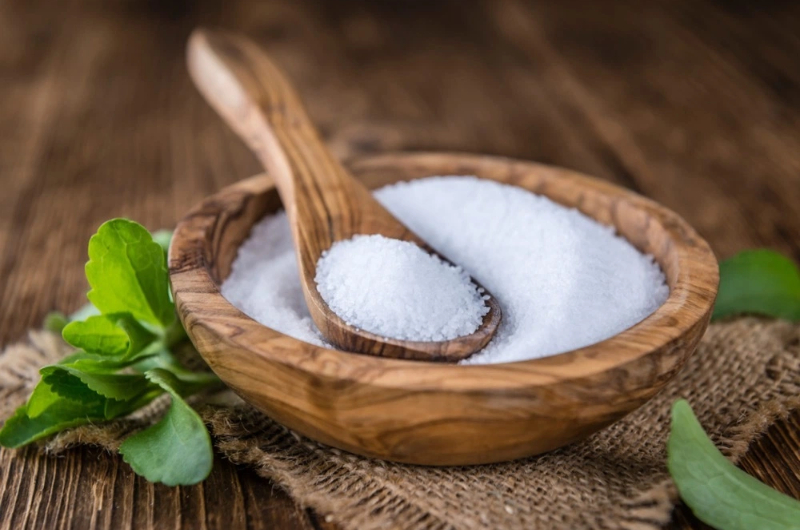
Stevia does not raise blood sugar or insulin levels and is considered safe for people with diabetes.[6][1]
Some studies indicate that Splenda may alter gut bacteria in negative ways, and its additives might affect insulin sensitivity, potentially causing digestive discomfort in sensitive people.[1]
Pure stevia can sometimes leave a bitter or licorice-like aftertaste, though this varies among brands and formulations.[1]
Both sweeteners are calorie-free and help reduce sugar intake, though individual metabolic responses vary.[8][1]
Splenda generally performs better in baking by mimicking sugar's taste and texture, while stevia is preferred in beverages and raw food products.[1]
[1](https://www.healthline.com/nutrition/stevia-vs-splenda)
[2](https://pmc.ncbi.nlm.nih.gov/articles/PMC7584803/)
[3](https://health.clevelandclinic.org/what-is-stevia)
[4](https://www.goodrx.com/well-being/diet-nutrition/stevia-bad-for-you)
[5](https://www.fda.gov/food/food-additives-petitions/aspartame-and-other-sweeteners-food)
[6](https://ific.org/resources/articles/everything-you-need-to-know-about-stevia-sweeteners/)
[7](https://www.nationalgeographic.com/health/article/sugar-substitutes-health-effects)
[8](https://pmc.ncbi.nlm.nih.gov/articles/PMC7103435/)
[9](https://www.sciencedirect.com/science/article/abs/pii/S1878450X17300331)
[10](https://www.youtube.com/watch?v=zs2GAopTtXY)
[11](https://www.nutrisense.io/blog/stevia-vs-splenda)


