


Content Menu
● Chemical Structure of Aspartame
● Discovery and History of Aspartame as a Sweetener
● Sweetness Profile Among Various Sweeteners
● Applications in Food and Beverages
● Role in Medical and Healthcare Sweeteners
● Safety and Regulatory Status of Aspartame Sweetener
● Comparisons with Natural Sweeteners
● Manufacturing Insights for Sweeteners
● Blends and Innovations in Sweeteners
● Market Trends for Aspartame and Sweeteners
● Health Benefits of Using Aspartame Sweeteners
● FAQ
>> 1. What is aspartame exactly?
>> 2. Is aspartame safe for daily use in sweeteners?
>> 3. Can aspartame be used in cooking with sweeteners?
>> 4. How does aspartame compare to natural sweeteners?
>> 5. Who should avoid aspartame among sweeteners users?
Aspartame stands as one of the most widely used artificial sweeteners in the global market for low-calorie foods and beverages. This non-nutritive sweetener offers intense sweetness without the calories of sugar, making it a staple in diet products. Sweeteners like aspartame enable manufacturers to create healthier options for consumers seeking sugar reduction.
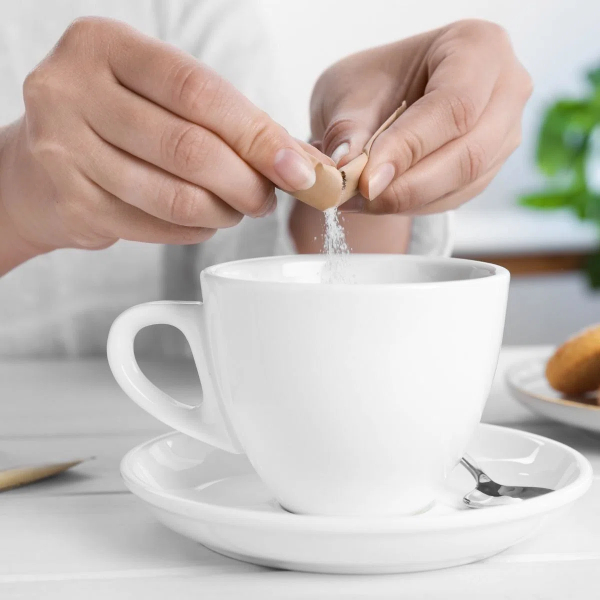
Aspartame functions as a methyl ester of the dipeptide composed of aspartic acid and phenylalanine, two naturally occurring amino acids. This structure allows aspartame to deliver approximately 200 times the sweetness of sucrose while contributing negligible calories per serving. In the realm of sweeteners, aspartame's unique composition breaks down in the body into its amino acid components and a small amount of methanol, similar to levels found in fruits.
Sweeteners such as aspartame provide a clean taste profile when used correctly, often blended with other sweeteners to mimic sugar's mouthfeel. Factories specializing in sweeteners, like those in China focusing on natural alternatives and blends, increasingly incorporate aspartame knowledge into OEM services for international clients. The molecular design of aspartame ensures rapid dissolution in liquids, enhancing its utility in beverage formulations where sweeteners must integrate seamlessly without altering texture.
Further exploration of aspartame's chemistry reveals its sensitivity to pH levels; in acidic environments like sodas, it maintains stability longer than in neutral settings. Sweeteners engineers optimize this property by adjusting formulations, pairing aspartame with stabilizers to extend shelf life in various sweeteners applications. This precision underscores why aspartame remains a preferred choice among high-intensity sweeteners for product developers worldwide.
Discovered accidentally in 1965 by chemist James Schlatter at G.D. Searle & Company, aspartame emerged during routine synthesis of peptides for ulcer treatment. Its sweetness was confirmed after Schlatter tasted it via contaminated hands, sparking interest in low-calorie sweeteners. The FDA approved aspartame in 1981 for dry uses after rigorous testing, expanding to beverages by 1983.
This milestone propelled aspartame into mainstream sweeteners, revolutionizing diet sodas and gums. Chinese factories now leverage historical insights on aspartame to develop hybrid sweeteners blending artificial and natural options like stevia for global OEM/ODM. Sweeteners' evolution reflects consumer demand for health-focused innovations, with aspartame paving the way for subsequent artificial sweeteners like sucralose and acesulfame-K.
Safety reviews by bodies like JECFA reaffirmed aspartame's status among safe sweeteners over decades. The journey of aspartame through regulatory hurdles involved over 100 studies, setting precedents for evaluating new sweeteners. Today, factories producing sweeteners continue to reference this history when innovating blends that incorporate aspartame's proven efficacy.
Aspartame exhibits a sweetness intensity of 180-200 times that of sugar, with a prolonged sweet sensation but slight aftertaste in high concentrations. Compared to other sweeteners, it excels in cold applications like beverages but degrades when heated above 30°C, unsuitable for baking. Blends with acesulfame-K enhance aspartame's profile, common in sugar-free products.
| Sweetener | Sweetness Factor (vs Sucrose) | Heat Stability | Common Uses |
|---|---|---|---|
| Aspartame | 200x | Low | Beverages, tabletop sweeteners |
| Sucralose | 600x | High | Baking, beverages |
| Stevia | 300x | High | Natural blends, drinks |
| Acesulfame-K | 200x | High | Diet mixes with aspartame |
Sweeteners like aspartame dominate low-calorie segments, aiding food and beverage factories in creating functional products. Chinese providers of polyols and fibers often pair aspartame data with natural sweeteners for superior blends, achieving balanced sweetness that rivals sugar more closely. The temporal profile of aspartame—quick onset followed by a lingering finish—makes it ideal for products where sustained sweetness enhances consumer satisfaction without overwhelming the palate.
Aspartame shines in carbonated soft drinks, powdered mixes, and chewing gums, where its clean sweetness enhances flavor without bulk. In the food industry, sweeteners like aspartame reduce calories in yogurts, desserts, and pharmaceuticals. Factories offering OEM for healthcare blend aspartame with fibers for tablets targeting diabetes management.
For beverages, aspartame enables zero-sugar formulations popular worldwide, from energy drinks to flavored waters. Chinese manufacturers excel in custom sweetener blends, integrating aspartame insights with natural polyols for export markets demanding clean labels. Sweeteners applications extend to instant coffees and teas, where aspartame's solubility prevents grittiness, ensuring smooth consumer experiences.
In confectionery, aspartame powers sugar-free candies and chocolates, maintaining chewiness without crystallization issues common in polyol-only sweeteners. OEM services from specialized factories fine-tune these formulations, incorporating aspartame at optimal ratios for texture and release.
In healthcare, aspartame sweetens oral medications, syrups, and nutritional supplements, ideal for low-calorie diets. Sweeteners here must ensure palatability without affecting efficacy, where aspartame's profile aids compliance. Chinese factories provide ODM services for tablet pressing with aspartame-functional fiber mixes, catering to global pharma needs.
For weight management, aspartame supports reduced-sugar healthcare products like meal replacements and vitamins. Its minimal impact on blood glucose positions it favorably among sweeteners for diabetic patients, complementing fibers and polyols in comprehensive health solutions. Pediatric formulations benefit from aspartame's mild taste, encouraging adherence in children's medications.
Regulatory affirmations position it safely among therapeutic sweeteners, with factories ensuring precise dosing in every batch.
Extensive studies deem aspartame safe for general population at ADI of 50 mg/kg body weight, per FDA and EFSA. Over 200 studies confirm no links to cancer or neurological issues, despite early controversies. Sweeteners like aspartame undergo continuous review, with WHO's JMPR reaffirming safety in 2023.
Phenylketonuria (PKU) patients monitor intake due to phenylalanine, but labeling ensures awareness. Global factories ensure compliant sweeteners production, adhering to stringent purity standards. Long-term epidemiological data supports aspartame's safety profile, even at high consumption levels typical in diet-heavy lifestyles.
Sweeteners scrutiny has only strengthened aspartame's position, with meta-analyses dismissing outdated concerns and affirming its role in public health initiatives for obesity prevention.
Unlike natural sweeteners like stevia or monk fruit, aspartame offers cost-effective intensity but lacks botanical origins. Blends combining aspartame with natural sweeteners achieve clean-label appeal. Chinese firms specialize in such hybrid sweeteners for beverages and tablets, balancing cost, taste, and marketing claims.
| Aspect | Aspartame (Artificial) | Stevia (Natural) |
|---|---|---|
| Cost | Lower | Higher |
| Taste | Clean, quick onset | Herbal aftertaste |
| Stability | Poor in heat | Excellent |
| Caloric Impact | None | None |
Sweeteners innovation thrives on such comparisons, with aspartame providing the backbone for economical high-sweetness while naturals add premium appeal. Hybrid formulations mitigate aspartame's limitations, like aftertaste, through synergistic effects observed in sensory panels.
Aspartame production involves fermenting phenylalanine precursors, followed by enzymatic coupling and methylation. Factories scale this for global supply, with Chinese providers adapting processes for blended sweeteners. Quality controls ensure purity above 98%, vital for food-grade sweeteners.
OEM services integrate aspartame data into polyol-fiber mixes, streamlining supply chains for international manufacturers. Fermentation yields are optimized via biotech advances, reducing costs for bulk sweeteners production. Crystallization and drying stages demand precise temperature control to preserve aspartame's integrity.
Modern sweeteners often blend aspartame with sucralose or erythritol for synergy, improving stability and taste. Chinese factories lead in developing these for food, beverage, and healthcare OEM. Innovations focus on heat-stable aspartame derivatives, expanding applications into baked goods.
Encapsulation technologies protect aspartame from heat, enabling use in cooking where traditional sweeteners fail. Research into novel sweeteners combinations promises even cleaner profiles, with aspartame as a foundational element.
Demand for low-calorie sweeteners surges with obesity rates, aspartame holding steady market share. Natural sweetener rises prompt aspartame-natural hybrids. Chinese exporters supply global manufacturers via ODM, capitalizing on cost advantages and expertise in sweeteners customization.
E-commerce growth boosts tabletop sweeteners sales, where aspartame packets thrive. Sustainability trends favor efficient sweeteners like aspartame, minimizing resource use compared to sugar production.
Aspartame aids weight control by replacing sugar calories, supporting diabetes-friendly products. Dental health benefits arise from non-fermentability, reducing caries risk. Sweeteners like this promote healthier eating patterns, with studies showing sustained use correlates with lower BMI.
Integration into functional foods amplifies benefits, pairing with fibers for gut health. Aspartame's role in hydration products encourages fluid intake without caloric penalty.
Aspartame remains a cornerstone among sweeteners, offering unmatched sweetness efficiency for healthier foods, beverages, and healthcare products. Its safety, versatility, and blend potential position it ideally for future innovations, especially in OEM/ODM by specialized factories. As consumer demand for low-calorie sweeteners grows, aspartame's role endures, complemented by natural options.
Aspartame is an artificial sweetener made from aspartic acid and phenylalanine, 200 times sweeter than sugar. It breaks down into natural components in the body.
Yes, regulatory bodies like FDA approve aspartame safe within ADI limits, backed by extensive studies on sweeteners.
No, aspartame loses sweetness when heated, unlike stable sweeteners; best for cold applications.
Aspartame provides cleaner taste at lower cost but is artificial; blends with natural sweeteners optimize profiles.
PKU patients due to phenylalanine; others consume freely within guidelines.


