
Views: 222 Author: Sara Publish Time: 2025-07-28 Origin: Site


Content Menu
● Understanding Erythritol and Its Role in Sweeteners
● Common Sweeteners That Do Not Contain Erythritol
>> Stevia
>> Monk Fruit
>> Agave Syrup
>> Allulose
>> Xylitol
● Erythritol-Free Sweetener Blends
● Applications of Erythritol-Free Sweeteners
● Choosing the Right Sweetener
● Frequently Asked Questions (FAQ)
>> 1. What sweeteners are completely free of erythritol?
>> 2. Can erythritol-free sweeteners be used in baking?
>> 3. Are erythritol-free sweeteners safe for diabetics?
>> 4. Do any erythritol-free sweeteners have side effects?
>> 5. Where can I buy erythritol-free sweeteners?
Sweeteners without erythritol are in demand among consumers who either experience digestive discomfort from erythritol or seek alternatives for personal or health reasons. Erythritol is a sugar alcohol commonly used in reduced-calorie sweeteners due to its near-zero calories and low glycemic response. However, alternatives are available that contain similar sweetness but exclude erythritol. This article will extensively explore various sweeteners free of erythritol, their uses, benefits, and considerations, providing a comprehensive guide for manufacturers and consumers alike. Throughout the article, the keyword "sweetener" will be emphasized to maintain focus and SEO optimization.

Erythritol is a sugar alcohol naturally found in small amounts in some fruits and fermented foods but is typically industrially produced for use as a low-calorie sweetener. Its sensory properties include a clean, sweet taste with a cooling effect. It has become popular due to its zero calories and low impact on blood sugar levels. Yet, some individuals report digestive issues like bloating or gas when consuming erythritol, prompting interest in erythritol-free sweeteners.
Stevia is a natural, plant-derived sweetener extracted from the leaves of the Stevia rebaudiana plant. It is intensely sweet, calorie-free, and contains no carbohydrates. Stevia is broadly used in beverages, baked goods, and as a tabletop sweetener. It does not contain erythritol, although some commercial stevia products may blend it with erythritol to improve taste and texture—so ingredient labels must be checked carefully.
Stevia offers a clean taste without the bitterness often associated with artificial sweeteners. Its zero-calorie content makes it an especially popular sweetener for those seeking to reduce sugar intake or manage weight. The sweetener is also heat-stable, which allows its use in cooking and baking without loss of sweetness. Due to its strong sweetness—approximately 200 to 300 times sweeter than sugar—it is typically used in small quantities or combined with other sweeteners to achieve a balanced flavor.
Monk fruit, or Luo Han Guo, is another natural plant-based sweetener with zero calories and no erythritol. Monk fruit extracts are significantly sweeter than sugar, often requiring minimal amounts to achieve desired sweetness. It is celebrated for its clean, sweet taste without the bitterness seen in some artificial sweeteners.
The active sweet compounds in monk fruit, called mogrosides, are responsible for its intense sweetness while delivering antioxidant benefits. Monk fruit sweetener is favored in low-calorie and sugar-free products and blends well with other natural sweeteners to enhance flavor complexity. It is suitable for those looking for a natural sweetener with minimal glycemic effect.
Coconut sugar is made by evaporating the sap of coconut palm blossoms. Unlike sugar alcohols, it is a natural sweetener with a caramel-like flavor. Though it contains calories and behaves metabolically like sugar, it does not contain erythritol and has a lower glycemic index compared to refined sugars. It is suitable for baking and cooking and can be used 1:1 as a sugar substitute.
Coconut sugar is often touted for its trace minerals such as potassium, zinc, and iron, although these are present in very small amounts. It offers a rich, slightly caramelized sweetness which can complement baked goods, beverages, and desserts. Because of its similarity to regular sugar in chemical structure and caloric content, coconut sugar should be consumed in moderation, especially by those monitoring blood glucose.
Agave syrup is derived from the agave plant and is a liquid sweetener with a mild flavor and high sweetness intensity. It contains natural sugars but no erythritol. It is commonly used in beverages and desserts.
Agave syrup has gained popularity as an alternative to refined sugar, especially for its low glycemic index due to its high fructose content. However, its fructose concentration means that it should be consumed carefully, as excessive fructose intake may impact liver health and metabolism negatively. Its liquid form makes it ideal as a sweetener for cold beverages, salad dressings, and drizzling over foods.
Allulose is a rare sugar naturally found in small amounts in wheat, figs, and raisins. It mimics sugar's sweetness and texture with minimal calories and no erythritol content. Popular in low-carb and diabetic-friendly products, allulose is versatile but typically more expensive than other sweeteners.
Unlike sugar alcohols, allulose is absorbed by the body but not metabolized into calories, resulting in about 0.2 calories per gram—much lower than the 4 calories per gram in sugar. It browns and caramelizes like sugar, making it excellent for baking applications. Moreover, allulose has been shown to have minimal effects on blood glucose and insulin, making it suitable for diabetic-friendly formulations.
Xylitol is a sugar alcohol like erythritol but is chemically distinct and does not contain erythritol. It provides sweetness close to sugar with fewer calories. Xylitol is widely used in chewing gums and oral care products but must be kept away from pets like dogs, as it is toxic to them.
Xylitol has about 40% fewer calories than sugar and is known for its dental benefits, including reducing the risk of cavities. However, similar to other sugar alcohols, excessive consumption can cause digestive discomfort in some people, such as bloating or laxative effects. In manufacturing, xylitol is favored for products where a cooling sensation similar to erythritol is desired but where erythritol is to be avoided.
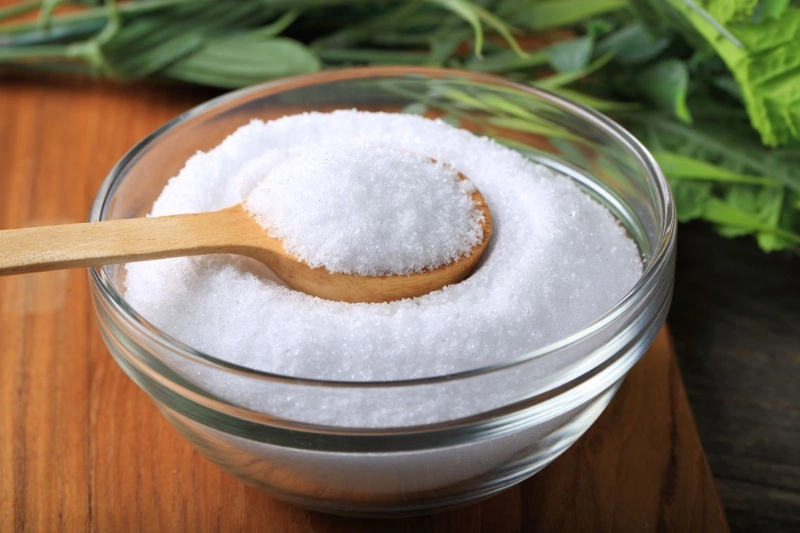
Several commercial sweetener blends are formulated explicitly without erythritol, combining multiple sweeteners such as stevia, monk fruit, allulose, or sugar alcohols like maltitol or sorbitol to replicate the taste and texture of sugar. These blends cater to consumers seeking sweetener alternatives with balanced flavor profiles and improved digestive tolerance.
These blends are especially advantageous for product developers who want to optimize sweetness, taste and mouthfeel while avoiding side effects associated with erythritol's cooling or digestive impact. A common approach is blending stevia or monk fruit extract with a small quantity of maltitol or sorbitol. These sugar alcohols generally have milder digestive side effects compared to erythritol.
- Beverages: Stevia, monk fruit, allulose, and agave syrup are popular for sweetening drinks without adding calories or erythritol. These sweeteners dissolve well and provide clean sweetness preferred for teas, coffees, soft drinks, and smoothies.
- Baking: Coconut sugar, allulose, and xylitol work well as sugar substitutes, though xylitol's laxative effect and baking behavior need consideration. Allulose especially shines in baked goods for its ability to caramelize and provide bulk similar to sugar.
- Dairy and Health Foods: Stevia and monk fruit extracts are frequently used in yogurts, protein bars, and supplements. Their zero-calorie nature aligns well with health product positioning.
- Diabetic-Friendly Products: Allulose and stevia are favored due to minimal blood sugar impact. These sweeteners help create products suitable for individuals managing diabetes or following low-carb diets.
- OEM/ODM Manufacturing: Factories focusing on health-oriented sweetener solutions can formulate custom blends excluding erythritol to meet specific client needs, catering to various markets including natural foods, pharmaceuticals, and beverages.
Selecting a suitable sweetener without erythritol depends on various factors including intended use, taste preferences, caloric considerations, and consumer health needs. Natural sweeteners like stevia and monk fruit are excellent for zero-calorie products but can sometimes impart slight aftertastes if used alone in high concentrations. Allulose offers sugar-like bulk and texture but may raise costs.
Manufacturers should also consider regulatory aspects—sweeteners like allulose have specific labeling guidelines in different countries. Additionally, potential digestive tolerance and ingredient interactions matter when developing foods or beverages. Understanding the balance between sweetness intensity, flavor profile, and cost-efficiency will enable the creation of successful erythritol-free sweetener formulations.
While erythritol is a common and well-tolerated sweetener for many, there are numerous alternatives for those who prefer or require erythritol-free options. Natural sweeteners like stevia, monk fruit, coconut sugar, and agave offer varied flavors and applications without the presence of erythritol. Sugar alcohols such as xylitol, or rare sugars like allulose, provide additional alternatives with specific benefits and considerations. Erythritol-free sweetener blends are increasingly available, offering balanced sweetness and improved consumer tolerance. When selecting a sweetener, it is crucial to understand each option's properties, benefits, and potential drawbacks to best suit your product needs or personal preferences.
Stevia, monk fruit, coconut sugar, agave syrup, allulose, and xylitol are natural or sugar alcohol sweeteners that do not contain erythritol.
Yes, coconut sugar, allulose, and xylitol are good substitutes for sugar in baking. Stevia and monk fruit are often used in combination with other sweeteners for baking.
Many erythritol-free sweeteners like stevia, monk fruit, and allulose have minimal impact on blood sugar and are considered safe for diabetic consumption.
Xylitol can cause digestive upset if consumed in large amounts and is toxic to dogs. Overconsumption of any sugar alcohol may cause digestive issues.
Erythritol-free sweeteners are available online, health food stores, and from specialized manufacturers providing OEM/ODM sweetener solutions.


