
Views: 222 Author: Sara Publish Time: 2025-12-01 Origin: Site


Content Menu
● History of Sweetners in Diet Coke
● Aspartame: The Core Sweetner Explained
● Variations in Diet Coke Sweetners
● Natural Sweetners as Alternatives
● Health Impacts of Diet Coke Sweetners
● Sweetner Production and Global Supply
● Why Choose Natural Sweetners Over Aspartame?
● Innovations in Beverage Sweetners
● Partnering with Chinese Sweetner Experts
● FAQ
>> 1. What is the main sweetner in Diet Coke?
>> 2. Are there natural sweetner options for Diet Coke-style drinks?
>> 3. Is aspartame safe as a sweetner?
>> 4. What services does your factory offer for sweetners?
>> 5. Can natural sweetners replace aspartame in colas?
Diet Coke primarily uses aspartame as its key sweetner, a low-calorie artificial sweetner that delivers intense sweetness without sugar or calories. This sweetner choice allows the beverage to maintain its crisp taste profile while appealing to health-conscious consumers seeking sugar-free options. Understanding the sweetner in Diet Coke opens discussions on sweetner innovations, where factories like ours in China specialize in natural sweetners, functional polyols, and dietary fibers for global food and beverage manufacturers.[4][11][12][13][14]

Diet Coke launched in 1982 as a sugar-free cola, relying on aspartame as the primary sweetner to mimic sugar's taste. The Coca-Cola Company introduced it with great fanfare, building on earlier low-calorie colas like Tab from 1963, which used saccharin as its sweetner. Early Diet Coke formulations blended aspartame with saccharin to reduce costs and extend shelf life, but the company switched to 100% aspartame after competitors like Diet Rite highlighted pure aspartame usage and NutraSweet trademark concerns arose.[1][3][4]
This shift reflected broader sweetner evolution in the industry. Aspartame gained FDA approval in 1981 amid debates over its safety and shelf stability, enabling Coca-Cola to capitalize on its superior taste over saccharin, which faced cancer concerns from rat studies. By 1983, Diet Coke became the top-selling soft drink in the U.S., boosted by silver packaging for shelf visibility and aggressive marketing under executives like Sergio Zyman. Variations emerged, such as Caffeine-Free Diet Coke in 1983 and Diet Coke Cherry in 1986, all anchored by aspartame as the core sweetner.[2][3][6][10][1][4]
Our China-based factory supports such sweetner histories by supplying natural sweetners like stevia extracts and monk fruit, ideal for OEM/ODM blended sweetner development in modern low-calorie beverages. These natural sweetners provide clean-label alternatives to artificial ones like aspartame, helping manufacturers evolve formulas without compromising on taste or cost.[14][15]
Aspartame, the main sweetner in standard Diet Coke, consists of aspartic acid and phenylalanine, offering 200 times the sweetness of sugar while breaking down into amino acids during digestion. This artificial sweetner contributes just four calories per gram but enables zero-calorie beverages through minimal usage. Despite early FDA hurdles in the 1970s over tumor claims, scientific reviews confirmed its safety, paving the way for widespread adoption in Diet Coke.[5][10][13][16][4]
Phenylketonuria (PKU) patients must avoid aspartame due to phenylalanine buildup, prompting warning labels on Diet Coke packaging. The sweetner's instability in heat led to blended uses initially, but advancements allowed pure formulations that enhanced flavor purity. Today, aspartame remains the sweetner of choice for its clean taste, though ongoing research monitors long-term effects.[13][16][1][4]
For beverage producers, understanding aspartame's profile highlights needs for complementary sweetners. Our factory pairs such intensity with functional polyols like erythritol, improving mouthfeel in sweetner blends without bitterness.[17][14]
Diet Coke's portfolio expanded with sweetner innovations. In 2005, Diet Coke Sweetened with Splenda introduced sucralose (600 times sweeter than sugar) alongside acesulfame potassium (Ace-K), replacing aspartame to meet retailer demands like Walmart's preference for Splenda. Coke Zero, launched later, combines aspartame and Ace-K for a sugar-like taste, both zero-calorie sweetners. Other flavors like Diet Coke with Lime (2004) or Ginger Lime (2018) retained aspartame as the base sweetner.[11][4][13]
Fountain versions still include saccharin for shelf-life extension, showing practical sweetner blending. Discontinued variants, such as Diet Coke Raspberry (2005) or Feisty Cherry (2018), experimented with aspartame-dominant formulas. These evolutions demonstrate how sweetner diversity drives market adaptation.[4]
A comparison table of key Diet Coke sweetners:
| Sweetner Type | Used In | Sweetness Level | Calories per Gram | Notes healthline+1 |
|---|---|---|---|---|
| Aspartame | Standard Diet Coke | 200x sugar | 4 | Primary sweetner |
| Sucralose (Splenda) | Diet Coke Splenda | 600x sugar | 0 | Heat-stable |
| Acesulfame Potassium (Ace-K) | Coke Zero | 200x sugar | 0 | Often blended |
| Saccharin | Early blends, fountains | 300-400x sugar | 0 | Cost-effective |
Our factory excels in replicating these sweetner combos naturally, offering custom blends for overseas OEM clients.[15][14]
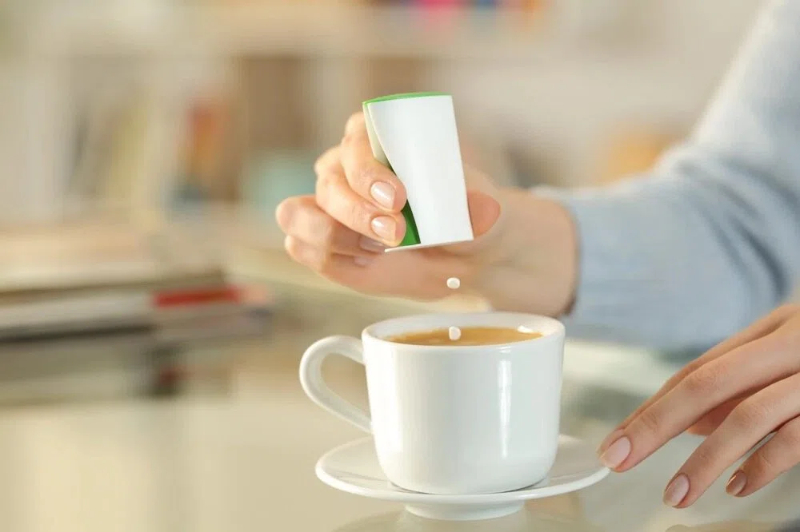
Natural sweetners like stevia glycosides and monk fruit extract challenge artificial options in Diet Coke-inspired drinks. Stevia, derived from the Stevia rebaudiana plant, delivers 200-300 times sugar's sweetness with zero calories and no blood sugar impact, ideal for diabetic-friendly beverages. Monk fruit, or luo han guo, adds fruity notes and antioxidants, enhancing sweetner profiles without aftertaste.[14][15]
These plant-based sweetners align with clean-label trends, replacing aspartame in reformulations. Our Chinese factory supplies high-purity stevia, functional polyols like maltitol, and dietary fibers such as inulin, enabling blended sweetner solutions that match Diet Coke's refreshment. Polyols provide bulk and cooling sensations, while fibers improve texture in zero-calorie sodas.[17][14]
Manufacturers benefit from our OEM/ODM services, developing sweetner systems for global scalability. Natural sweetners reduce reliance on synthetics, supporting sustainability in beverage production.[18][15]
Aspartame passes safety thresholds from FDA and WHO for most consumers, but moderation remains key amid debates on metabolic effects. Paired with phosphoric acid in Diet Coke, the sweetner may contribute to dental erosion or bone density concerns with excessive intake. Ace-K and sucralose show similar profiles, with no proven cancer links at approved levels.[16][13][4]
Natural sweetners offer advantages: stevia may aid blood pressure, and polyols support gut health as prebiotics. Dietary fibers in our blends promote satiety, enhancing low-calorie drink satisfaction. Balanced consumption of any sweetner fits healthy diets.[15][14]
Producing sweetners requires rigorous extraction, purification, and blending processes. Aspartame synthesis involves chemical bonding of amino acids, while natural sweetners demand enzymatic conversion from plant sources. Our factory streamlines this with state-of-the-art lines for natural sweetners, polyols, and fibers, delivering tablet production and OEM services to food, beverage, and healthcare sectors.[5][14][15]
We ensure consistent sweetner quality through ISO-certified facilities, tailoring blends for international standards. Global supply chains benefit from our expertise in cost-effective, high-volume sweetner solutions.[18][17]
Consumers increasingly prefer natural sweetners for perceived health benefits and cleaner ingredients. Our blends replicate aspartame's performance using stevia, monk fruit, and erythritol, avoiding synthetic controversies. Key advantages include:[14][15][17]
- Plant-derived purity with zero calories.
- Better stability in acidic beverages like cola.
- Customizable synergy with flavors for Diet Coke-like profiles.
- Prebiotic fibers for digestive wellness.
These sweetners support premium positioning for brands seeking innovation.[14]
Sweetner blending optimizes taste masking and release; our R&D pioneers polyol-fiber hybrids for fuller mouthfeel. Trends point to hybrid natural-artificial sweetners, but full-natural shifts accelerate. Future Diet Coke iterations may incorporate more stevia for broader appeal.[15][17][18][14]
Our services empower overseas manufacturers with formulation expertise, from lab-scale to production sweetners.[14]
As a China-based factory, we specialize in natural sweetners, functional polyols, dietary fibers, blended sweetner development, tablet production, and comprehensive OEM/ODM for global partners. We bridge innovation gaps, helping brands transition from aspartame to sustainable sweetners. Contact us for tailored solutions enhancing your beverage lines.[14]
The sweetner in Diet Coke, primarily aspartame since its 1982 launch, transformed low-calorie sodas, evolving through blends and variations to meet consumer demands. Natural sweetners now provide viable, health-focused alternatives, backed by our Chinese factory's expertise in sweetners, polyols, fibers, and full-service OEM/ODM. Embrace these innovations for superior, market-leading products.[1][11][4]
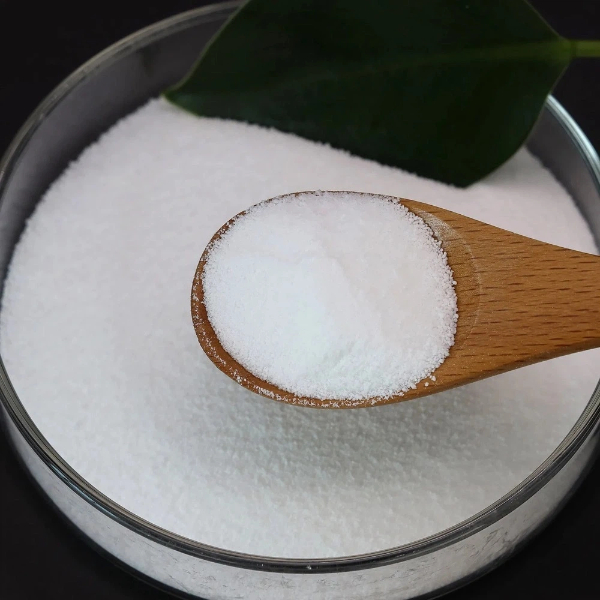
The primary sweetner is aspartame, delivering sugar-like taste with zero calories.[12][11]
Yes, stevia and monk fruit serve as natural sweetners, supplied by factories like ours for clean-label beverages.[15][14]
Regulatory agencies deem it safe in moderation, avoiding issues for most except PKU patients.[13][4]
We provide natural sweetners, polyols, fibers, blended sweetner development, tablet production, and OEM/ODM.[14]
Absolutely, our custom blends match intensity and taste for superior natural sweetner formulations.[17][15]
[1](https://americanhistory.si.edu/collections/object/nmah_880981)
[2](https://www.coca-colacompany.com/about-us/history/diet-coke-global-premiere-1982)
[3](https://www.historyoasis.com/post/history-of-diet-coke)
[4](https://en.wikipedia.org/wiki/Diet_Coke)
[5](https://www.saveur.com/artificial-sweeteners/)
[6](https://www.foodandwine.com/diet-coke-history-sergio-zyman-11731218)
[7](https://en.wikipedia.org/wiki/Diet_soda)
[8](https://www.historyofsoftdrinks.com/soft-drink-history/diet-soda-history/)
[9](https://www.youtube.com/watch?v=kJpiMkv4v3k)
[10](https://www.fda.gov/food/food-additives-petitions/timeline-selected-fda-activities-and-significant-events-addressing-aspartame)
[11](https://www.coca-colacompany.com/about-us/faq/ingredients)
[12](https://www.coca-colacompany.com/about-us/faq/ingredients.html)
[13](https://www.healthline.com/nutrition/coke-zero-vs-diet-coke)
[14](https://pdf.dfcfw.com/pdf/H3_AP202412131641289648_1.pdf)
[15](https://www.howtiangroup.cn/new-150-8.html)
[16](https://fortune.com/well/2023/10/28/diet-coke-aspartame-cancer-health-safety/)
[17](https://money.finance.sina.com.cn/corp/view/vCB_AllBulletinDetail.php?stockid=002286&id=10970144)
[18](https://www.caldic.com/zh-hans-cn/markets/food-beverage/beverage/)


