
Views: 222 Author: Sara Publish Time: 2026-01-10 Origin: Site


Content Menu
● Common Artificial Sweeteners Overview
● Safety Profiles of Popular Sweeteners
● Potential Health Risks and Controversies
● Natural Sweeteners as Safer Alternatives
● Why Stevia Stands Out as the Safest Sweetener
● Comparing Sweeteners in Tables
● Industry Applications of Safe Sweeteners
● Regulatory Perspectives on Sweetener Safety
● Expert Recommendations for Sweetener Use
● Blending Sweeteners for Optimal Safety
● FAQ
>> 1. What is the safest artificial sweetener?
>> 2. Are artificial sweeteners FDA-approved?
>> 3. Can sweeteners cause heart disease?
>> 4. Is stevia better than sucralose?
>> 5. How do I choose a safe sweetener?
Artificial sweeteners provide a low-calorie alternative to sugar, enabling sweeter tastes without the caloric load, but determining the safest sweetener requires examining safety data, regulatory approvals, and emerging research on health impacts. Among numerous options, stevia consistently ranks as the safest sweetener due to its natural origins and robust safety profile, making it ideal for food, beverage, and healthcare applications where reliable sweeteners are essential.[1][2]

Sweeteners encompass a broad category including artificial sweeteners, natural sweeteners, and sugar alcohols, each designed to deliver sweetness with varying caloric contributions and metabolic effects. Artificial sweeteners, chemically synthesized for intense potency—often 200 to 20,000 times sweeter than sugar—dominate diet products like sodas, yogurts, and chewing gums, allowing manufacturers to reduce sugar content significantly while maintaining appealing sweetness levels. This sweetener category appeals to consumers managing weight, diabetes, or dental health, as they contribute negligible calories and do not raise blood glucose.[3][4][1]
Natural sweeteners such as stevia and monk fruit extract offer comparable zero-calorie benefits derived from plant sources, bypassing synthetic production methods that raise safety questions for some artificial sweeteners. Regulatory oversight from bodies like the FDA ensures sweeteners undergo extensive toxicology testing before approval, establishing acceptable daily intake (ADI) limits to guide safe consumption. For instance, the food and beverage industry relies on these approved sweeteners to formulate products that meet global sugar reduction goals, with Chinese factories specializing in high-purity sweetener blends for OEM partners worldwide.[2][5][3]
The sweetener market evolves rapidly, driven by consumer demand for healthier options amid concerns over obesity and metabolic syndrome. Artificial sweeteners like aspartame and sucralose enable calorie cuts in processed foods, but natural sweeteners gain ground for their cleaner labels and perceived safety as premium sweeteners. Understanding sweetener differences empowers informed choices, particularly when selecting the safest sweetener for daily use.[6]
The primary artificial sweeteners include aspartame, sucralose, saccharin, acesulfame potassium (Ace-K), neotame, and advantame, each FDA-approved after decades of scrutiny. Aspartame, 200 times sweeter than sugar, breaks down into amino acids and methanol in the body, metabolized efficiently by most people. Sucralose, chlorinated sucrose at 600 times sugar's sweetness, passes through undigested, prized for its heat stability in baking and cooking applications.[1][2][3]
Saccharin, the pioneering artificial sweetener since 1879, offers 300-400 times sweetness with a metallic aftertaste often masked in blends. Ace-K, 200 times sweeter, frequently pairs with aspartame for synergistic taste profiles in diet beverages. Newer sweeteners like neotame (7,000-13,000 times sweeter) and advantame (20,000 times) minimize usage amounts, potentially lowering exposure risks while serving as potent sweeteners in formulations.[4][1]
These artificial sweeteners excel in product stability, resisting breakdown during processing, which suits high-volume manufacturing in the food and beverage sectors. Chinese producers leverage advanced extraction for complementary natural sweeteners, creating hybrid sweetener solutions that enhance safety and flavor balance. Despite potency advantages, sweetener selection hinges on safety data beyond mere approval.[5][7]
Aspartame's safety rests on over 100 studies confirming no cancer links at ADI levels of 50 mg/kg body weight, though phenylketonuria (PKU) patients must avoid it due to phenylalanine content. Sucralose, with a 5 mg/kg ADI, demonstrates no genotoxicity or reproductive harm in animal models, positioning it as a reliable heat-stable sweetener. Saccharin's early rat studies prompted warnings later dismissed for human irrelevance, with current data affirming safety up to 15 mg/kg daily.[2][3][4]
Ace-K shows no carcinogenic potential in lifetime rodent trials, approved globally as a safe sweetener component. Neotame and advantame, with ADIs of 18 mg/kg and 32.8 mg/kg respectively, benefit from ultra-low dosing requirements, further bolstering their safety margins as advanced sweeteners. Regulatory consensus labels these artificial sweeteners safe when consumed within limits, integral to modern sweetener strategies.[1][2]
However, sweetener safety extends to individual factors like dosage and duration. Factories blending sweeteners for tablets or beverages prioritize ADI compliance, ensuring products deliver sweetness without health compromises.[5]
Artificial sweeteners face scrutiny from observational studies linking high intake to cardiovascular events, weight gain, and gut dysbiosis, though randomized trials often fail to confirm causation. Erythritol, a sugar alcohol sweetener, correlates with clotting risks in recent research, prompting caution despite its natural occurrence. Aspartame's 2023 WHO "possibly carcinogenic" label sparked debate, countered by FDA affirmations of insufficient evidence.[3][6][2]
Sucralose metabolites may influence microbiome composition, potentially affecting glucose tolerance, while saccharin's historical stigma lingers despite clearance. Sweetener critics argue appetite disruption leads to overeating, challenging their role in weight management. These controversies underscore why no artificial sweetener claims absolute safety status, driving interest in natural sweetener alternatives.[6][3]
For sensitive populations, sweeteners can trigger headaches or digestive discomfort, emphasizing moderation. Ongoing sweetener research, including 2026 updates, refines risk assessments to guide safer sweetener use.[3]

Stevia and monk fruit represent top natural sweeteners, extracted from leaves and fruit respectively, delivering 150-300 times sugar's sweetness with zero calories. Stevia glycosides like rebaudioside A (Reb A) offer clean sweetness without synthetic additives, earning FDA GRAS status after comprehensive reviews. Monk fruit's mogrosides provide antioxidant mogrol compounds, enhancing its appeal as a healthful sweetener.[4][1][3]
Allulose, a low-calorie rare sugar, metabolizes minimally like artificial sweeteners but mimics sugar's bulk and browning in recipes. These natural sweeteners avoid chemical synthesis concerns, aligning with clean-label trends in food and healthcare products. Chinese factories dominate stevia production, supplying RA95+ purity sweeteners for global OEM/ODM services in blended sweetener formulations.[7][5][3]
Comparative studies favor stevia for blood sugar stability and mild blood pressure benefits, absent in many artificial sweeteners. Integrating dietary fibers with natural sweeteners amplifies health solutions for beverage and supplement manufacturers seeking superior sweeteners.[4]
Stevia emerges as the safest sweetener overall, combining natural sourcing with an unblemished safety record across 200+ studies showing no carcinogenicity, mutagenicity, or reproductive toxicity. Its zero glycemic index suits diabetics, while stability in acidic beverages and heat processing supports versatile sweetener applications. Unlike aspartame's PKU limitation or sucralose's debated gut effects, stevia accommodates nearly all consumers.[2][6][3][4]
Consumer preference shifts toward stevia as the gold-standard low-calorie sweetener, fueled by taste improvements in high-purity extracts. Chinese expertise in stevia fermentation yields cost-effective, scalable sweeteners for international partners, from powder mixes to tablet forms. Regulatory ease via GRAS reinforces stevia's position as the safest, most reliable sweetener.[5]
Market data projects stevia's dominance, with volumes surging in sugar-free confections and functional drinks. For factories prioritizing health, stevia-based sweetener blends deliver innovation without compromise.
| Sweetener | Type | Sweetness (vs. Sugar) | Calories/gram | ADI (mg/kg) | Notable Benefits/Drawbacks |
|---|---|---|---|---|---|
| Aspartame | Artificial | 200x | 4 | 50 | Breaks down to amino acids; PKU avoid |
| Sucralose | Artificial | 600x | 0 | 5 | Heat-stable; possible gut effects |
| Saccharin | Artificial | 300-400x | 0 | 15 | Long history; bitter aftertaste |
| Ace-K | Artificial | 200x | 0 | 15 | Pairs well; limited solo use |
| Stevia | Natural | 200-300x | 0 | 4 (steviol equiv.) | Plant-based, metabolic benefits |
| Monk Fruit | Natural | 150-250x | 0 | GRAS | Antioxidants; expensive |
| Erythritol | Sugar Alcohol | 0.6x | 0.2 | GRAS | Cooling effect; clotting concerns |
This comparison illustrates stevia's advantages as the safest sweetener across key metrics.
| Application | Preferred Sweetener | Why Chosen |
|---|---|---|
| Beverages | Stevia Blends | Stability, clean taste |
| Baking | Sucralose/Stevia | Heat resistance |
| Tablets | Aspartame/Stevia | Quick dissolve, low cal |
| Gums | Ace-K/Xylitol | Long-lasting sweetness |
Tables highlight sweetener versatility, with natural options leading safety.
Food and beverage sectors consume 60-70% of global sweeteners, prioritizing safe options like stevia for reduced-sugar sodas and juices. Healthcare leverages sweeteners in chewables, syrups, and nutritional bars, where palatability meets compliance. OEM factories in China excel in custom sweetener development, producing polyol-fiber blends for functional products targeting export markets.[5]
Sugar alcohols like xylitol complement sweeteners in oral care, preventing cavities while adding bulk. Emerging trends favor multi-functional sweeteners enhancing gut health or satiety. Scalable production ensures consistent sweetener quality for manufacturers.[3]
FDA ADIs provide consumption benchmarks: aspartame 50 mg/kg, sucralose 5 mg/kg, stevia 4 mg/kg steviol equivalents. EFSA and JECFA align closely, affirming sweetener safety through harmonized standards. GRAS notifications streamline natural sweeteners like stevia and monk fruit. WHO advises against non-sugar sweeteners for weight loss, preferring dietary shifts.[6][1][2]
2026 guidelines emphasize whole-food sweetness over isolated sweeteners, yet approvals persist amid robust data.
Nutritionists recommend capping sweetener intake at 5-10% of calories, rotating types like stevia and monk fruit for balance. Diabetics benefit most from zero-GI sweeteners such as stevia. Pair with fibers for sustained energy, mimicking natural sweetener synergy.[4][3]
Sweetener blends achieve superior taste at lower doses, e.g., stevia-sucralose for beverages or monk fruit-erythritol for confections. Chinese facilities offer tailored sweetener mixes, optimizing safety and efficacy for OEM tablet production. This approach minimizes risks while maximizing sweetener performance.[7][5]
Stevia stands as the safest sweetener, blending natural purity, regulatory approval, and health advantages over artificial counterparts. For food, beverage, and healthcare manufacturers, prioritizing stevia and natural sweeteners ensures innovative, consumer-trusted products. Chinese factories deliver world-class OEM solutions in sweetener development and production.
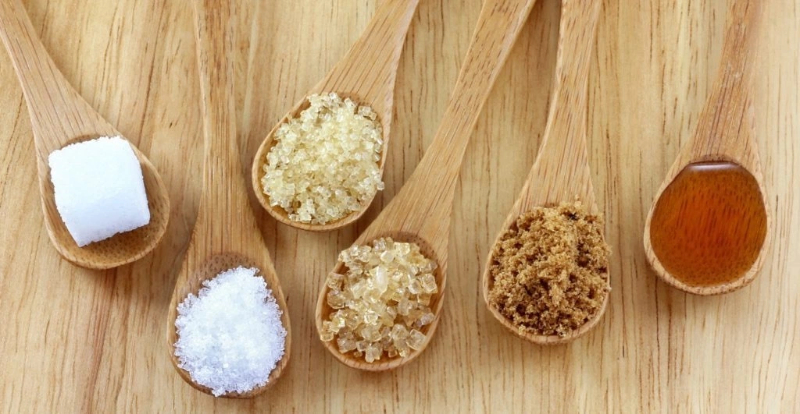
Stevia, though natural, serves as the safest sweetener alternative to artificial options, with GRAS status, zero calories, and no major health risks, surpassing aspartame or sucralose.[3][4]
Yes, aspartame, sucralose, saccharin, and Ace-K hold FDA approval with defined ADIs, while stevia and monk fruit earn GRAS recognition as safe sweeteners.[1][2]
Some studies link erythritol or high artificial sweetener intake to cardiovascular risks, but evidence lacks causation; stevia shows protective potential.[6][3]
Stevia's plant-derived profile and metabolic benefits render it safer long-term than sucralose, which faces gut microbiome questions.[4][3]
Select GRAS natural sweeteners like stevia or monk fruit in moderation, verified by regulatory ADIs, for the safest daily sweetener incorporation.[1]
[1](https://www.heart.org/en/healthy-living/healthy-eating/eat-smart/sugar/low-calorie-sweeteners)
[2](https://www.fda.gov/consumers/consumer-updates/how-sweet-it-all-about-sweeteners)
[3](https://www.goodrx.com/well-being/diet-nutrition/sweeteners)
[4](https://www.uclahealth.org/news/article/guide-sugar-substitutes)
[5](https://pdf.dfcfw.com/pdf/H3_AP202412131641289648_1.pdf)
[6](https://www.nbcnews.com/health/heart-health/artificial-sweetener-safety-sugar-research-rcna159983)
[7](https://notice.10jqka.com.cn/api/pdf/b184abf958128f94.pdf)


