
Views: 222 Author: Sara Publish Time: 2025-11-13 Origin: Site


Content Menu
● Understanding Sugar Free Sweeteners
● Polyol-Based Sweeteners (Sugar Alcohols)
● Allulose and Other Rare Sugars
● Artificial and High-Intensity Sweeteners
● Choosing The Best Sweetener For Your Product
● Applications Across Industries
● Manufacturing Considerations and Process Control
● Market Trends and Consumer Insights
● Quality, Safety, and Regulatory Considerations
● The Value Proposition for International Manufacturers
● FAQ
>> 1. What is the healthiest sugar-free Sweetener for everyday use?
>> 2. Can allulose be used in baking and hot beverages?
>> 3. Do sugar-alcohols cause digestive issues?
>> 4. Are sugar-free sweeteners safe for diabetics?
>> 5. How do blended sweeteners improve flavor and texture?
In today's health-conscious world, the demand for sugar free sweeteners has surged across food, beverage, and healthcare sectors. Our factory, based in China, specializes in natural sweeteners, functional polyols, and dietary fibers, delivering blended sweetener development, tablet production, and OEM/ODM services to overseas manufacturers. This article explores the best sugar free sweeteners for different applications, emphasizing taste, safety, regulatory compliance, and manufacturing practicality. Whether targeting clean-label formulations, diabetic-friendly products, or keto-friendly offerings, choosing the right sweetener is a strategic decision that affects flavor perception, texture, mouthfeel, and nutritional labeling. Throughout the piece, the keyword Sweetener is intentionally woven to reflect industry terminology and to support SEO objectives for global audiences seeking reliable, high-quality health-ingredient solutions.

A sugar free sweetener is any ingredient that provides perceived sweetness with reduced or zero calories and limited or negligible impact on blood sugar. These sweeteners encompass natural extracts, polyols (sugar alcohols), and synthetic compounds. They are used across multiple disciplines—from beverage formulation and bakery products to dietary supplements and functional foods. The modern market features a spectrum of options, each with distinct sweetness profiles, aftertastes, stability characteristics, and regulatory statuses. For manufacturers, the decision hinges on a balance of consumer acceptance, process compatibility, and cost efficiency, alongside nutritional and labeling considerations.
Natural sweeteners are increasingly favored for their alignment with clean-label trends and consumer demand for plant-derived ingredients. Two leading examples dominate discussions and product development: stevia and monk fruit extract, often used alone or in blends to optimize taste and sweetness profile.
- Stevia: Derived from Stevia rebaudiana leaves, stevia offers high sweetness intensity with zero calories. It remains heat-stable, making it suitable for baking and hot beverages. Taste considerations include potential bitterness or licorice-like notes at higher concentrations, which manufacturers mitigate through blending with erythritol or allulose to achieve sugar-like mouthfeel while preserving clean labeling. Stevia-based blends are popular in coffee, dairy, and ready-to-drink products.
- Monk fruit extract: Extracted from Luo Han Guo, monk fruit delivers near-zero calories and minimal impact on blood sugar. It is prized for a clean sweetness with relatively little aftertaste, particularly when used in combination with other sweeteners to balance intensity and mouthfeel. This natural option aligns well with premium and health-forward formulations, including confectionery and functional beverages.
- Blended natural sweeteners: Many formulators use blends (e.g., stevia with erythritol or monk fruit with xylitol) to harmonize sweetness strength, mouthfeel, and aftertaste. Blends also help achieve label-friendly claims like "natural," "zero calories," and "non-GMO," while delivering consumer-acceptable taste profiles and stability across product formats.
Polyols are a robust category for sugar free solutions, offering sugar-like texture and mouthfeel with reduced caloric impact, though some individuals may experience digestive effects at higher intakes. Common polyols include erythritol, xylitol, and sorbitol, each with unique properties.
- Erythritol: Known for its near-zero calories and minimal glycemic impact, erythritol delivers a clean sweetness that closely mimics sugar. It is well-suited for baking, confectionery, and beverages, with high digestive tolerance relative to other polyols. Its cooling sensation is mild and generally well accepted by consumers.
- Xylitol: Offers sugar-like sweetness and dental health benefits; however, it contains calories and can have laxative effects in sensitive individuals at high doses. Xylitol is frequently used in gum, candies, and baked products, particularly where a traditional sugar mouthfeel is desired.
- Sorbitol: Calorie-containing polyol with moderate sweetness and functional properties in moist baked goods and oral care applications. Sorbitol is sometimes used in specialty formulations but may be limited by caloric considerations.
Allulose is a rare sugar found in small amounts in certain fruits and processed foods. It provides a taste and mouthfeel very close to sucrose but with significantly fewer calories and negligible impact on blood sugar. Allulose is gaining traction in premium products, including desserts, beverages, and sauces, though regulatory and supply considerations can influence its use in some markets.
Artificial sweeteners deliver intense sweetness with virtually no calories and excellent stability in many applications. Common examples include sucralose and aspartame, which are widely used in beverages, tabletop products, and processed foods. These sweeteners often enable very low-calorie formulations and robust shelf stability, but consumer perceptions and regulatory scrutiny around long-term health effects can influence adoption in certain markets. Sucralose, in particular, is known for heat stability and strong sweetness, while aspartame is favored for certain aroma and taste profiles in dairy and beverages.
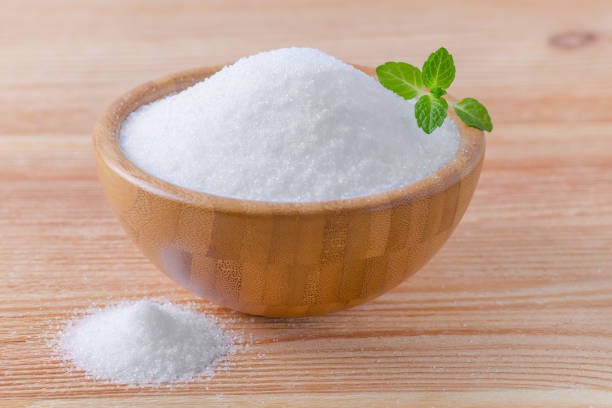
The choice of sweetener should be guided by product type, target audience, regulatory landscape, and technological constraints. The following framework helps teams align formulation goals with commercial realities:
- Taste and mouthfeel: Balance sweetness intensity with potential aftertaste. Natural blends and polyol combinations often yield the most sugar-like experience.
- Heat stability and shelf life: For baked goods and hot beverages, select sweeteners that maintain sweetness under heat and extended storage.
- Solubility and texture: Some sweeteners dissolve quickly; others provide bulk or contribute to texture in different ways. This affects mouthfeel and product consistency.
- Glycemic response and calories: For diabetic-friendly or low-calorie products, prioritize zero-calorie natural sweeteners or blends with low glycemic impact.
- Labeling and consumer perception: Clean-label claims, organic certifications, and non-GMO status influence marketing and consumer trust.
- Availability and cost: Market dynamics affect pricing and supply reliability; blending strategies can optimize cost and flavor across regions.
Our health-ingredient solutions serve a wide range of industries, including food, beverage, and healthcare, with capabilities spanning blended sweetener development, tablet production, and OEM/ODM services. The integration of natural sweeteners and polyols supports product lines such as:
- Functional beverages: Sugar-free drinks requiring stable sweetness and mouthfeel across temperatures and storage conditions.
- Dairy and yogurt: Creamy textures and milk-like mouthfeel with zero or reduced calories.
- Baked goods: Sweetness stability under heat and during storage, often enhanced by blends.
- Nutraceuticals and dietary supplements: Palatable formats for minty or fruity flavors, with additives that support health claims.
- Confectionery: Gummy candies and chocolates demanding precise sweetness balance and texture.
From a manufacturing perspective, carefully controlling formulation, mixing, batch uniformity, and packaging is essential for achieving consistent product quality. Our OEM/ODM workflow emphasizes:
- Ingredient compatibility: Ensuring compatible combinations of natural extracts and polyols to achieve target sweetness with stable texture.
- Dry blending and granulation: Achieving uniform distribution in blends for tablet production or powder formulations.
- Quality assurance: Rigorous testing for calories, glycemic index implications, stability, and sensory attributes.
- Regulatory compliance: Adhering to international guidelines for food, beverage, and healthcare applications.
- Sustainability and supply chain: Sourcing high-quality raw materials with traceability and ethical considerations.
The global sugar substitute and natural sweetener market is evolving rapidly, with rising demand for clean-label, diabetic-friendly, and low-calorie Sweetener options. Key drivers include increasing health awareness, regulatory shifts to reduce sugar consumption, and the growth of plant-based and low-carb diets. Manufacturers that offer blended sweeteners, value-added formats (tablets, sachets, liquids), and OEM/ODM services are well-positioned to capitalize on this market trajectory. The industry momentum suggests continued expansion through 2025 and beyond, supported by innovation in taste engineering and process optimization.
Safety and quality form the backbone of our operations. All selected Sweetener ingredients undergo rigorous safety assessments and comply with global regulatory standards. Transparent labeling, ingredient disclosures, and robust supply chain controls ensure consumer trust. For overseas manufacturers, partnering with a reliable supplier that can offer customized blends, quality assurance, and regulatory support is crucial to achieving consistent product performance and market acceptance.
For overseas manufacturers, our factory offers a comprehensive portfolio of natural Sweetener options, functional polyols, and dietary fibers, complemented by blend development, tablet production, and OEM/ODM capabilities. By combining technical expertise with streamlined production and regulatory know-how, we help clients accelerate time-to-market, reduce compliance risk, and achieve product differentiation in competitive markets. This holistic approach enables brands to deliver sugar-reduced products without sacrificing taste, texture, or consumer appeal.
In the evolving landscape of sugar alternatives, there is no single "best" Sweetener that fits every application. Instead, the optimal choice depends on product category, target audience, regulatory considerations, and manufacturing realities. Natural options like stevia and monk fruit, combined with polyols such as erythritol or allulose, often provide a favorable balance of taste, texture, and health benefits. For premium and health-forward offerings, blended Sweeteners enable clean labeling while delivering a sugar-like experience. By leveraging our deep expertise in natural sweeteners, functional polyols, and dietary fibers, along with robust OEM/ODM capabilities, overseas manufacturers can develop differentiated products that meet consumer expectations and regulatory requirements. The right partnership makes it possible to reduce sugar without compromising flavor, texture, or overall sensory appeal.
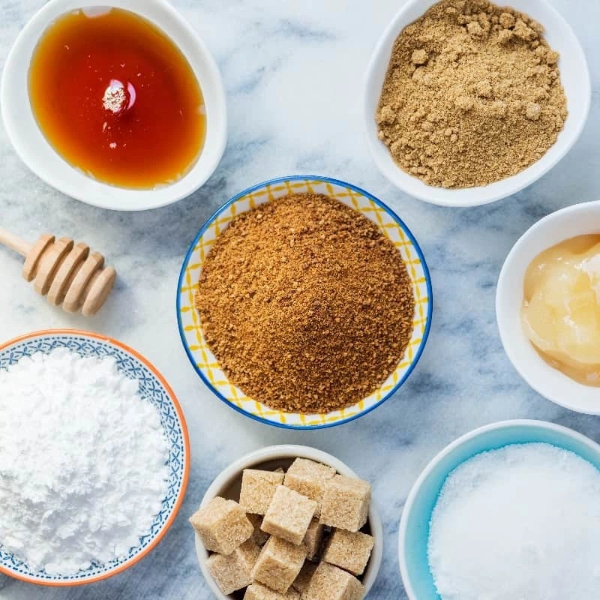
Natural sweeteners like stevia and monk fruit are often favored for their zero-calorie profile and minimal glycemic impact, though blends with polyols can improve taste and texture for certain products. (Evidence supports preference for natural options in many health-focused formulations.)
Yes, allulose provides sugar-like taste with minimal calories and low glycemic impact, making it suitable for a wide range of applications, including baking and syrups.
Some polyols may cause digestive discomfort in sensitive individuals at high intake levels; erythritol tends to be better tolerated than others like xylitol or sorbitol.
Many natural sweeteners (stevia, monk fruit, allulose) are considered safe for diabetics at typical usage levels due to negligible effects on blood glucose.
Blends balance sweetness intensity and mouthfeel, reduce aftertaste, and enhance overall sensory experiences in beverages, baked goods, and confections.
[1](https://www.foodnhotelasia.com/blog/fnb/natural-sweeteners-market/)
[2](https://www.accio.com/business/trends-in-sweeteners)
[3](https://finance.yahoo.com/news/united-states-artificial-sweetener-market-105600810.html)
[4](https://www.marketsandmarkets.com/Market-Reports/next-generation-sweeteners-market-144101099.html)
[5](https://www.linkedin.com/pulse/exploring-dynamics-sugar-free-sweetener-market-rejmf)
[6](https://www.statista.com/outlook/cmo/food/spreads-sweeteners/sweeteners/united-states)
[7](https://www.grandviewresearch.com/industry-analysis/sweeteners-market-report)
[8](https://market.us/report/global-artificial-sweetener-market/)
[9](https://www.futuremarketinsights.com/reports/sugar-substitutes-market)
[10](https://straitsresearch.com/report/artificial-sweetener-market)


