


Content Menu
● The Chemistry and Composition of Saccharin
● Manufacturing Processes of Saccharin
>> 1. The Remsen-Fahlberg Process
● Forms and Appearance of Saccharin
● Applications of Saccharin in Food, Beverage, and Healthcare Industries
>> Healthcare and Pharmaceutical Uses
● Historical Background of Saccharin
● Safety and Health Considerations
>> Health Benefits of Saccharin
● Future Prospects and Industry Relevance
>> 1. What is saccharin made of?
>> 2. Is saccharin safe to consume?
>> 3. What are the common forms of saccharin used?
>> 4. How sweet is saccharin compared to regular sugar?
>> 5. Can saccharin be used in baking and cooking?
Saccharin is one of the most well-known artificial sweeteners used worldwide. Despite being discovered over a century ago, it remains popular in various food, beverage, and healthcare products due to its intense sweetness and zero-calorie properties. But what exactly is saccharin made of? This article delves into the origin, chemical composition, manufacturing processes, applications, and safety aspects of saccharin, providing a thorough understanding of this widely used sweetener.

Saccharin, chemically known as o-sulfonylamide or o-sulfobenzimide, is a white crystalline powder that is around 300 to 500 times sweeter than sucrose (table sugar). It is a synthetic compound that does not occur naturally. Its molecular formula is C7H5NO3S, and it belongs to the class of compounds called sultams.
Saccharin is primarily made from petrochemical derivatives through complex chemical reactions. The key raw materials include:
- Toluene (extracted from coal tar or petroleum)
- Chlorosulfonic acid
- o-Toluidine
- Other chemicals like ammonia, sulfuric acid, sodium hydroxide, sodium hypochlorite, and methanol depending on the synthesis process
Through a series of chemical reactions such as sulfonation, chlorination, oxidation, ammoniation, and crystallization, these raw materials are converted into saccharin.[1][11][12]
There are two major industrial processes used for saccharin production:
This historical method involves the sulfonation of toluene followed by oxidation and formation of the sulfonamide group. The key steps include:
- Sulfonation of toluene with chlorosulfonic acid forming ortho- and para-toluenesulfonyl chlorides
- Conversion of ortho-isomer to sulfonamide via reaction with ammonia
- Oxidation of the methyl group to convert to saccharin free acid
- Neutralization and crystallization to produce saccharin
This process has been widely used and produces high purity saccharin suitable for food and pharmaceutical applications.[12][13]
A more recent alternative involves phthalic anhydride as a starting material, which is converted to phthalimide. The key sequence includes:
- Reaction of phthalimide with sodium hydroxide and sodium hypochlorite
- Formation of anthranilic acid intermediate
- Conversion with methanol and acid catalysis to yield saccharin
This method is appreciated for certain industrial advantages but is less common than the Remsen-Fahlberg process.[12]
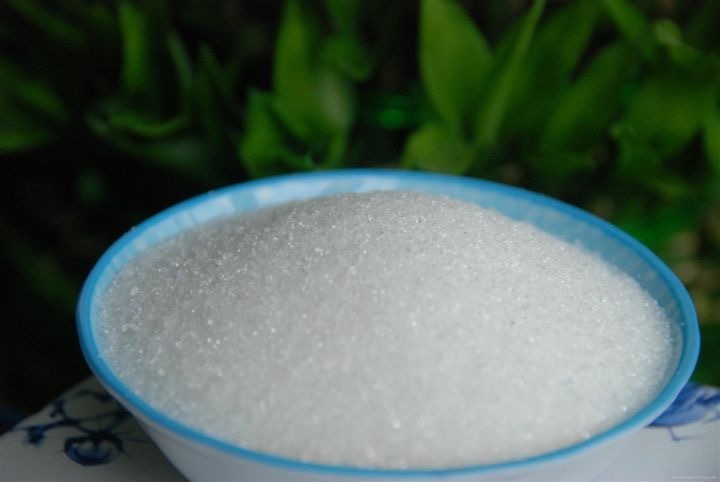
Saccharin is most commonly used in its sodium salt form (sodium saccharin), which is highly water-soluble and convenient for blending into food and beverage products. The free acid form is less soluble. Saccharin appears as white, odorless crystalline powder and dissolves readily in water, alcohol, and glycerin, making it easy to incorporate in various formulations.[14][1]
Saccharin is widely used as a calorie-free sweetener in:
- Diet sodas and soft drinks
- Sugar-free candies and chewing gum
- Baked goods such as cookies and biscuits
- Jams, spreads, and preserved fruits
- Salad dressings and sauces
It helps reduce sugar content without sacrificing sweetness, making it ideal for diabetic-friendly and low-calorie products.[15][16][17][14]
Saccharin also finds applications in:
- Enhancing the taste of chewable vitamins and medications
- Incorporation in oral hygiene products like toothpaste and mouthwash
- Used in some cosmetics and animal feed
Its intense sweetness masks the bitter flavor of some active ingredients in medicines.[17][14]
Saccharin was first discovered in 1879 by chemist Constantin Fahlberg while working in the laboratory of Ira Remsen at Johns Hopkins University. Fahlberg accidentally noticed a sweet taste on his hand, which he traced to a compound he had been working with called benzoic sulfimide, later named saccharin. Despite Remsen's contributions in the lab, Fahlberg patented saccharin production methods and began manufacturing it commercially in the 1880s, which led to tension between the two scientists.[3][1]
During World War I, sugar shortages dramatically increased saccharin's popularity as a sugar substitute. With rationing in place, saccharin became an essential ingredient for sweetening foods and beverages without calories. Its use surged again in the 1960s and 1970s as diet culture embraced low-calorie alternatives, making saccharin household-name sweeteners like Sweet'n Low very popular.[2][6]
Saccharin's safety has been extensively studied and debated. Initial animal studies in the 1970s linked saccharin to bladder cancer in rats, which led to regulatory warnings and controversies around its use. However, later research revealed that the mechanisms causing cancer in rats do not apply to humans. Consequently, major health authorities including the U.S. Food and Drug Administration (FDA), the World Health Organization (WHO), and the European Food Safety Authority (EFSA) have declared saccharin safe for human consumption within established limits.[18][19][14]
- Saccharin contains no calories, making it useful for weight management.
- It does not affect blood glucose levels, making it suitable for diabetics.
- It does not promote tooth decay, as it is not metabolized by oral bacteria.
- Some people may experience a bitter or metallic aftertaste.
- Excessive consumption might impact gut microbiota, though more research is needed.
- It is important to use saccharin within recommended daily intake levels to avoid any potential risk.[14][15]
Despite the introduction of many newer artificial sweeteners such as aspartame, sucralose, and stevia, saccharin continues to hold a vital place in the sweetener market. Its affordability, heat stability, and strong sweetening potency make it an important component in many sweetener blends.
Modern manufacturing techniques and stringent quality controls ensure the production of high-purity saccharin suited for sophisticated food, beverage, and pharmaceutical formulations. Moreover, as consumers worldwide seek sugar alternatives with fewer calories, saccharin's role in health-oriented solutions remains significant.
Factories like those specializing in natural sweeteners, polyols, and dietary fibers often leverage saccharin's properties to develop custom sweetener blends, tablets, and OEM/ODM products to cater to the global market's evolving demands.[16][17]
Saccharin is a scientifically synthesized sweetener made primarily from petrochemical sources such as toluene. Its production involves chemical reactions including sulfonation, oxidation, and ammoniation, resulting in a white crystalline powder with intense sweetness. Widely used in food, beverages, healthcare, and pharmaceuticals, saccharin has a long history dating back to its discovery in the late 19th century. Despite past health concerns, it is now recognized as safe by regulatory authorities when consumed in controlled amounts. Its properties, including zero calories and heat stability, ensure that saccharin remains an essential ingredient in many modern low-calorie and sugar-free products. As demand grows for healthier alternatives worldwide, saccharin continues to play a crucial role in sweetener innovation and product development.
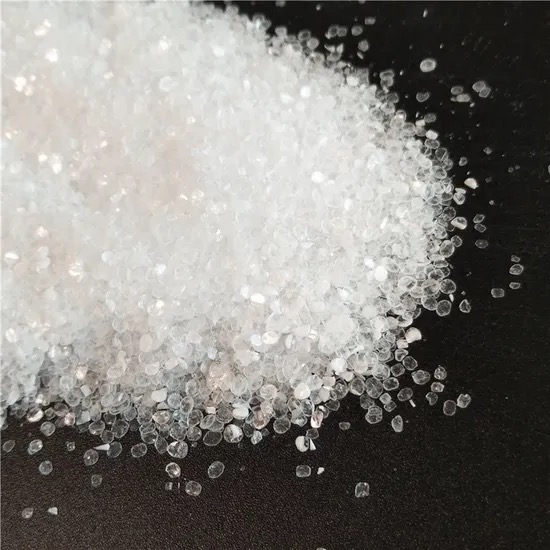
Saccharin is made from petrochemical derivatives like toluene or phthalic anhydride through chemical synthesis involving sulfonation, chlorination, oxidation, and ammoniation processes.[11][12]
Yes, saccharin is considered safe by health authorities such as the FDA and WHO when consumed within recommended limits despite historical controversies related to studies on rats.[18][14]
Sodium saccharin is the most commonly used form, favored for its water solubility and ease of use in various products. Calcium saccharin is sometimes used for reduced sodium content.[1][14]
Saccharin is approximately 300 to 500 times sweeter than sucrose (table sugar), allowing very small amounts to replace sugar's sweetness.[1]
Yes, saccharin is heat-stable and commonly used in baked and processed foods. However, due to its distinctive taste, it is often blended with other sweeteners to improve flavor profiles.[14][1]
[1](https://en.wikipedia.org/wiki/Saccharin)
[2](https://www.latimes.com/archives/la-xpm-2010-dec-27-la-he-nutrition-lab-saccharin-timelin20101227-story.html)
[3](https://www.sciencehistory.org/stories/magazine/the-pursuit-of-sweet/)
[4](https://www.ebsco.com/research-starters/history/saccharin)
[5](https://www.acs.org/molecule-of-the-week/archive/s/saccharin.html)
[6](https://saccharin.org/history/)
[7](https://pmc.ncbi.nlm.nih.gov/articles/PMC8497813/)
[8](https://www.sciencedirect.com/topics/medicine-and-dentistry/saccharin-sodium)
[9](https://www.saveur.com/artificial-sweeteners/)
[10](https://www.fda.gov/food/food-additives-petitions/aspartame-and-other-sweeteners-food)
[11](https://www.linkedin.com/pulse/what-sodium-saccharin-derived-from-coco-liu-)
[12](https://www.procurementresource.com/production-cost-report-store/saccharin)
[13](http://www.kisco.co/wp-content/uploads/2015/07/JMC-Saccharin.pdf)
[14](https://www.medicalnewstoday.com/articles/is-saccharin-bad-for-you)
[15](https://www.webmd.com/diet/what-to-know-saccharin)
[16](https://www.cspi.org/chemical-cuisine/saccharin)
[17](https://www.foodchem.cn/pages/Factory_Sodium_saccharin/)
[18](https://www.cancer.gov/about-cancer/causes-prevention/risk/diet/artificial-sweeteners-fact-sheet)
[19](https://www.efsa.europa.eu/en/news/saccharin-safety-threshold-increased)


