


Content Menu
● Introduction to Organic Erythritol
● How Organic Erythritol Is Made
● Safety and Regulatory Status
● Applications in Food, Beverage, and Healthcare
● Note on Flavor and Mouthfeel
● Industrial and Market Trends
● Quality, Purity, and Certification
● Taste and Functional Profiles
● Allergen and Dietary Compatibility
● Sustainability and Supply Chain Considerations
● Safety and Digestive Tolerance
● Applications Guidance: Formulation Considerations
● Quality Assurance and Supplier Collaboration
● Consumer Perceptions and Brand storytelling
● Innovation and Future Outlook
● FAQ
>> 1. What makes erythritol organic?
>> 2. Is organic erythritol safe for diabetics?
>> 3. Does organic erythritol have calories?
>> 4. How is organic erythritol different from non-organic erythritol?
>> 5. What foods can I use organic erythritol in?
Erythritol is a natural sugar alcohol (polyol) widely used as a low-calorie sweetener in foods, beverages, and dietary supplements. When produced under organic standards, organic erythritol offers a clean-label option that appeals to health-conscious consumers and manufacturers seeking sustainable, non-GMO ingredients. Organic certification ensures compliance with stringent farming, processing, and handling requirements that limit synthetic inputs and promote environmentally responsible practices. In today's market, organic erythritol is valued for its purity, safety profile, and compatibility with vegan, gluten-free, and keto-friendly product lines. This emphasis on organic sourcing resonates with global demand for trusted ingredients that support wellness-focused brands while maintaining taste and texture expectations. For manufacturers, organic erythritol can serve as a reliable backbone for blended sweeteners, tablet formulations, and OEM/ODM projects that require high-quality, consistent sweetness without compromising label integrity.

Erythritol is a four-carbon sugar alcohol naturally present in certain fruits and fermented foods. It is chemically classified as a polyol and has the chemical formula C4H10O4. Erythritol is a white, crystalline powder with a clean, neutral taste and negligible calories, making it an attractive alternative to sucrose in many applications. Most people experience minimal to no digestive discomfort when consuming erythritol in moderate amounts, and it typically does not affect blood glucose or insulin levels, which is particularly beneficial for people managing carbohydrate intake or diabetes. The organic variant follows additional standards that emphasize organic farming, non-GMO inputs, and restricted synthetic processing aids, aligning with consumer preferences for natural, transparent ingredients. The combination of low calories, tooth-friendliness, and versatile functionality positions erythritol as a leading option in clean-label product strategies.
Organic erythritol is commonly produced through an enzymatic fermentation process using organically sourced, non-GMO feedstocks. The general workflow includes converting plant starch (often corn) into glucose, fermenting glucose with a selected microorganism, and then purifying and crystallizing the resulting erythritol. Certification bodies verify that feedstocks, enzymes, and production facilities meet organic standards, ensuring organic integrity from field to finished product. Fermentation biology plays a crucial role: specific yeast or fungal strains are chosen for their tolerance to high osmotic pressure and their efficiency in converting sugar substrates into erythritol. The final product is subjected to filtration, decolorization, and precision crystallization to achieve a high-purity, fine-white powder suitable for direct addition to formulations or blending with other sweeteners.
- Organic erythritol uses certified organic feedstocks, non-GMO microorganisms, and processing aids that comply with organic regulations. The emphasis is on minimizing synthetic inputs and avoiding genetic modification in the production chain.
- Conventional erythritol may utilize a broader range of feedstocks and processing aids, with varying levels of regulatory oversight regarding organic labeling. For brands that pursue clean-label narratives or organic certifications, organic erythritol offers a clear alignment with market expectations.
These distinctions matter for manufacturers who are building product lines around "organic," "non-GMO," and "sustainably sourced" claims. The choice between organic and conventional erythritol can influence supplier qualification, labeling, and consumer trust.
Numerous regulatory bodies around the world recognize erythritol as safe for consumption. In many jurisdictions, organic erythritol carries the same GRAS (Generally Recognized as Safe) or equivalent status as conventional erythritol, with the added assurance of organic certification. The safety profile includes low acute toxicity, minimal risk of food allergies, and a favorable tolerance in typical daily intakes. While some individuals may experience digestive sensitivity at high doses, erythritol is generally well-tolerated when consumed within recommended guidelines. Organic labeling further ensures compliance with organic agricultural and processing standards, reinforcing consumer confidence in product quality and origin. Businesses should stay updated on regional organic regulations, as requirements can vary across markets and evolve with evolving organic frameworks.
Organic erythritol is a versatile sweetener suitable for a wide range of products:
- Beverages: Ready-to-drink teas, energy drinks, fortified waters, and flavored waters benefit from erythritol's clean sweetness and high solubility.
- Baked Goods: Cookies, cakes, muffins, and pastries can achieve desirable sweetness with a sugar-like mouthfeel while reducing calories.
- Confectionery: Chews, chocolates, gummies, and candies leverage erythritol's stability and cooling sensation, often in combination with other natural sweeteners to balance taste.
- Dairy and Dairy Alternatives: Yogurts, frozen desserts, and plant-based milks can be lightly sweetened without significant carbohydrate load.
- Nutritional Supplements: Powders, chewables, and tablets utilize erythritol for sweetness and palatability, especially in sugar-conscious or keto-focused products.
- OEM/ODM Solutions: For overseas manufacturers, organic erythritol serves as a reliable base ingredient for blended sweeteners and customized formulations, supporting private-label strategies and global market expansion.
Erythritol provides about 60–70% of the sweetness of sucrose with a clean, refreshing aftertaste and minimal sweetness onset delay. It has a cool, crisp mouthfeel, which can interact with other ingredients to create varying sensory profiles. In product development, erythritol is often combined with other natural sweeteners such as stevia, monk fruit, or sugar alcohol blends to achieve desired sweetness curves, aftertaste characteristics, and functional properties like texture and bulk. Organic erythritol behaves similarly in sensory terms, but with the added consumer perception of organic integrity and purity.
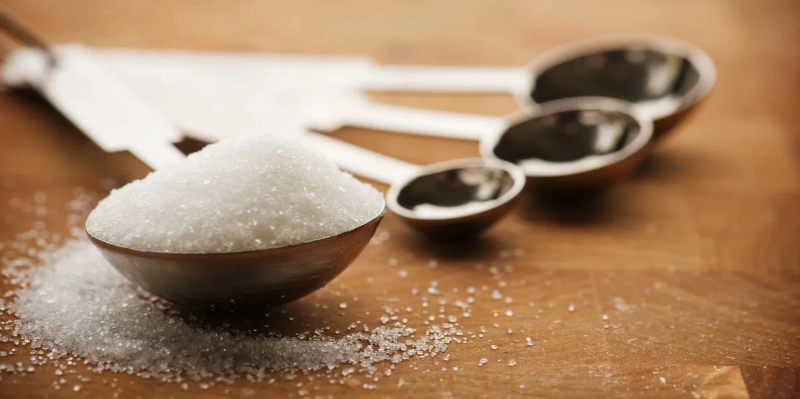
The demand for organic sweeteners is rising as brands emphasize clean-label formulations, sustainability, and transparency in supply chains. Organic erythritol fits within this trend by offering:
- Non-GMO, organic feedstocks and processing, aligning with consumer expectations of ethical sourcing
- Strong compatibility with gluten-free, vegan, and dairy-free product lines
- A reliable caloric profile suitable for low-sugar and low-carbohydrate markets
- A versatile platform for blending with natural sweeteners to achieve precise sweetness levels and functional performance
Manufacturers are increasingly seeking partners who can provide consistent supply, robust quality assurance, and support for regulatory compliance across multiple markets. For overseas manufacturers and contract manufacturers, organic erythritol offers an accessible route to expand product portfolios without compromising label claims or consumer trust.
Organic erythritol must meet stringent quality specifications to support organic labeling:
- High purity levels (often 99% or higher) to minimize off-notes and impurities
- Consistent particle size distribution for easy handling and formulation
- Low levels of residual solvents and microbiological safety suitable for food-grade applications
- Traceability and certification documentation to verify organic supply chain integrity
Quality control programs typically include raw material verification, in-process testing during fermentation and purification, and final product testing for purity, moisture, and contaminants. Certification bodies may require facility audits, batch testing, and certificate of analysis (COA) documentation for each production lot.
Organic erythritol's taste profile is close to that of sugar with a mild, clean sweetness and minimal aftertaste. It has a near-zero glycemic index, making it attractive for products targeting glycemic control. Additionally, erythritol has non-cariogenic properties, meaning it does not contribute to tooth decay, which can be advantageous for oral health-focused products. In flux-formulations, erythritol's cooling effect can be leveraged or mitigated depending on the other ingredients and processing conditions, enabling product developers to tailor sensory outcomes to specific markets or consumer segments.
Organic erythritol is typically gluten-free, dairy-free, and vegan, making it suitable for a broad range of dietary restrictions. Because it is a polyol, it is not fermentable by oral bacteria in the same way as sucrose, contributing to dental health narratives in marketing communications. Its organic status also appeals to consumers seeking to minimize exposure to synthetic pesticides and GMOs, reinforcing a philosophy of natural, minimally processed ingredients in health-focused products.
The organic designation emphasizes sustainable agricultural practices, responsible land stewardship, and traceable supply chains. For manufacturers, partner sourcing strategies that prioritize organic erythritol can support broader sustainability goals, including reduced chemical inputs, support for organic farmers, and transparent supplier governance. The global market for organic ingredients continues to expand, and organic erythritol remains a practical component for brands seeking to meet ambitious environmental and health-oriented objectives.
Erythritol is generally well tolerated, but excessive consumption can cause digestive discomfort for some individuals. Typical tolerance ranges must be considered in product labeling and consumer guidance. For organic erythritol, this tolerance remains consistent with conventional erythritol; however, the organic supply chain assures consumers that the product is free from organic-claim violations and contains compliant, verified ingredients.
- In blended sweetener systems, organic erythritol can function as a bulk sweetener with good solubility and low hygroscopicity, contributing to stable shelf-life and texture.
- When formulating baked goods, erythritol's heat stability and sweetness profile should be balanced with moisture-retaining agents to avoid dryness.
- For beverages, solubility and mouthfeel are critical; organic erythritol can be used alone or in combination with flavor enhancers to achieve clean taste profiles.
- In tablet or capsule formulations, erythritol serves as an efficient bulking agent and can assist in licensing and regulatory considerations for dietary supplements and nutraceutical products.
Choosing the right supplier for organic erythritol involves assessing:
- Certification scope and third-party organic verifications
- Production capacity, lead times, and consistency of supply
- Quality control protocols, COAs, and traceability documentation
- Support for regulatory labeling and regional market requirements
A trusted partner will provide robust documentation and proactive communication to ensure compliance and on-time deliveries for overseas manufacturing projects.
Marketing organic erythritol effectively requires aligning with consumer values around health, sustainability, and transparency. Brands can tell a compelling story about organic sourcing, non-GMO fermentation, and clean-label benefits, reinforcing consumer trust while showcasing practical uses in a wide range of product categories. Pairing organic erythritol with other natural sweeteners in blended formulations can provide both favorable taste profiles and nutritional advantages that resonate with health-conscious shoppers.
Continued research is expanding the efficiency of fermentation pathways, enabling higher yields and lower production costs for organic erythritol. Advances in metabolic engineering and process optimization may yield even purer products, shorter processing times, and more sustainable energy usage. As global demand for organic ingredients grows, suppliers pursuing continuous improvement in purity, flavor neutrality, and regulatory compliance will likely gain additional market share. Organic erythritol remains a dynamic and essential component of modern healthy sweetener strategies, especially for brands prioritizing organic integrity and transparent supply chains.
Organic erythritol stands as a leading natural, low-calorie sweetener that aligns with contemporary clean-label and organic consumer expectations. By combining the benefits of sugar-like sweetness with a favorable safety profile and rigorous organic certification, organic erythritol supports a broad spectrum of food, beverage, and healthcare applications. For overseas manufacturers and contract suppliers, it offers reliable performance, scalability, and compelling certification-backed credentials, enabling the development of premium blended sweeteners, tablet formulations, and comprehensive OEM/ODM services that meet strict market requirements and consumer demands.
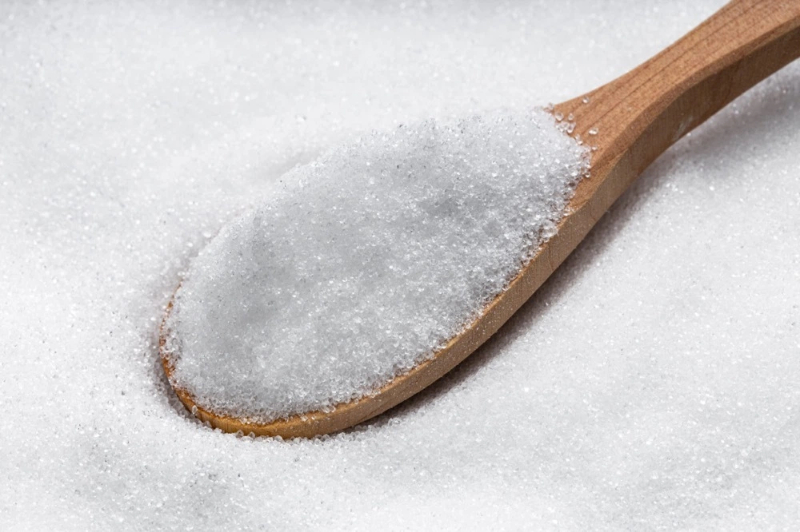
Organic erythritol is produced from certified-organic, non-GMO feedstocks, using fermentation processes and processing aids that comply with recognized organic standards. It carries organic certification that validates its supply chain integrity and farming practices.
Yes. Erythritol has negligible impact on blood sugar and insulin levels, making it suitable for people managing diabetes when consumed within reasonable guidelines.
Organic erythritol contains nearly zero calories per gram and does not contribute significant energy to the diet, supporting low-calorie and weight-management approaches.
Organic erythritol adheres to organic farming and processing standards, ensuring non-GMO inputs and restricted synthetic processing aids, whereas non-organic erythritol may involve broader feedstock sources and processing methods not labeled as organic.
Organic erythritol is versatile for baking, beverages, dairy products, cereals, chocolates, tabletop sweeteners, and nutritional supplements, and it blends well with other natural sweeteners for customized sweetness profiles.
[1](https://en.wikipedia.org/wiki/Erythritol)
[2](https://www.tandfonline.com/doi/full/10.1080/07388551.2017.1380598)
[3](https://patents.google.com/patent/CN110564782A/en)
[4](https://pmc.ncbi.nlm.nih.gov/articles/PMC11750574/)
[5](https://elchemy.com/blogs/chemical-market/what-is-erythritol-made-from-a-look-at-its-sources-and-production-process)
[6](https://www.frontierspartnerships.org/journals/acta-biochimica-polonica/articles/10.3389/abp.2024.14000/full)
[7](https://www.sciencedirect.com/science/article/pii/S0959652620305801)
[8](https://journals.asm.org/doi/10.1128/aem.01565-25)


