


Content Menu
● Chemical Composition of Sucralose
● The Production Process of Sucralose
● Sucralose in Food and Beverages
● Health and Safety of Sucralose
● Applications in Medical and Healthcare Products
● Blending Sucralose with Other Ingredients
● Regulatory Approvals and Global Standards
● Sucralose Compared to Other Sweeteners
● Industrial Manufacturing and Quality Control
● Emerging Trends and Future Outlook
● FAQ
>> 1. What exactly is Sucralose?
>> 2. Is Sucralose safe for everyday consumption?
>> 3. Can Sucralose be used for baking and cooking?
>> 4. Does Sucralose affect blood sugar levels?
>> 5. Why do manufacturers blend Sucralose with other sweeteners?
Sucralose is one of the most widely used artificial sweeteners in the world today. Known for its intense sweetness and zero-calorie profile, it has become a cornerstone ingredient in the modern food, beverage, and healthcare industries. Derived from sugar, yet profoundly different chemically, Sucralose delivers sweetness approximately 600 times stronger than sucrose while maintaining excellent heat and pH stability. This combination of durability and pleasant taste has made Sucralose a favorite among manufacturers, especially in products catering to health-conscious consumers.
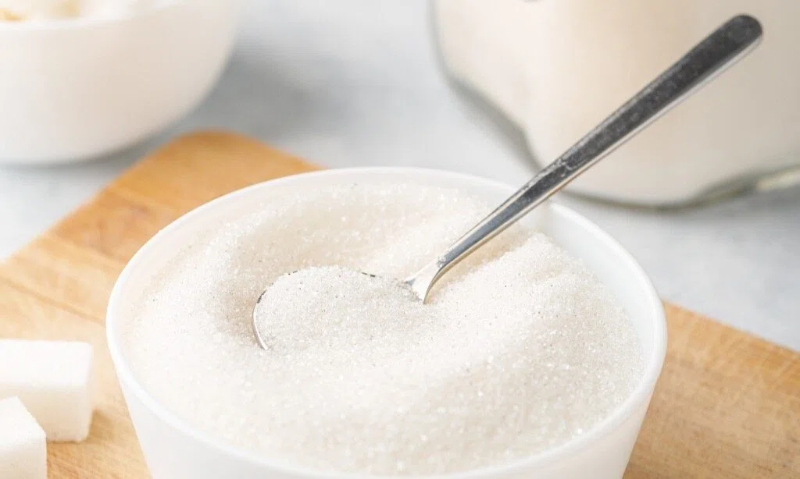
Sucralose is made by modifying the molecular structure of sugar (sucrose). In this process, three hydroxyl groups (-OH) in the sucrose molecule are replaced with chlorine atoms. This results in a compound known scientifically as 1,6-dichloro-1,6-dideoxy-beta-D-fructofuranosyl-4-chloro-4-deoxy-alpha-D-galactopyranoside. The chemical formula for Sucralose is C12H19Cl3O8.
By substituting hydrogen and oxygen with chlorine, the molecule acquires new properties: it becomes non-caloric because the body cannot metabolize it, and it remains stable under heat and acidic conditions. Unlike sugar, Sucralose does not break down when baked or stored in acidic drinks. This unique chemical structure ensures consistent sweetness and a long shelf life.
The chlorine atoms in Sucralose are securely bonded, making it extremely stable and non-reactive. This structural modification also prevents Sucralose from being absorbed and broken down in the digestive system—most of it passes through unchanged.
The journey from sucrose to Sucralose involves a carefully controlled chemical process. The production begins with purified sugar derived from sugar cane or sugar beets. This sucrose then undergoes selective chlorination in a multi-step process known as controlled chlorination. The reaction replaces specific hydroxyl groups with chlorine atoms, forming the final Sucralose molecule.
After synthesis, purification is crucial. The raw Sucralose solution is refined through processes such as crystallization, filtration, and chromatography to achieve high purity—typically more than 99%. This ensures no unwanted residues or byproducts remain. The resulting crystalline Sucralose powder appears white and odorless, possessing intense sweetness even in tiny quantities.
Once purified, the Sucralose undergoes strict quality checks, including analyses for heavy metals, residual solvents, and microbial safety. Only then does the product receive approval for food-grade or pharmaceutical-grade applications.
Factories specializing in Sucralose production often operate under GMP (Good Manufacturing Practice) standards. They integrate advanced automatic reactors, filtration systems, and packaging units designed for high-scale OEM and ODM production. These facilities also produce blended sweeteners that combine Sucralose with polyols and dietary fibers.
Sucralose has fundamentally transformed how products are sweetened in the food and beverage industry. Its stability under heat allows it to be used in recipes requiring high temperatures without losing sweetness or forming unwanted byproducts. This makes it ideal for baking, pasteurization, and high-temperature beverage manufacturing processes.
In beverages, Sucralose is popular in soft drinks, flavored waters, sports drinks, and powdered mix beverages. It dissolves easily in water and maintains sweetness even under acidic conditions—properties that many other sweeteners lack.
Sucralose is also widely used in baked goods such as cakes, cookies, and muffins. Bakers appreciate that Sucralose retains sweetness after baking and does not caramelize or alter texture. Dairy manufacturers rely on it for items like low-calorie yogurts, ice creams, and flavored milks, where it replaces sugar without affecting creaminess or flavor stability.
In confectionery, Sucralose plays a major role in sugar-free gums, candies, and chocolates. Because only tiny amounts are needed, it provides sweetness with virtually no calories. In the pharmaceutical and supplement industries, Sucralose masks the bitterness of active compounds in syrups, chewable tablets, and effervescent products. Its clean, sugar-like taste enhances product acceptance among consumers.
Sucralose has undergone decades of safety testing and regulatory review. It has been approved for use by major health organizations such as the U.S. Food and Drug Administration (FDA), the European Food Safety Authority (EFSA), the World Health Organization (WHO), and Health Canada. Over 100 scientific studies support its safety for human consumption.
Once consumed, Sucralose is not metabolized by the body for energy. Around 85% of an ingested dose passes through the digestive system unchanged, while the remaining small portion is absorbed and excreted in urine without being broken down into calories. This makes Sucralose safe for diabetics and individuals on carbohydrate-restricted diets since it does not affect blood sugar levels or insulin response.
The acceptable daily intake (ADI) for Sucralose set by the FDA is 5 mg per kilogram of body weight. This means an average adult can safely consume several servings of Sucralose-sweetened products each day without approaching this threshold.
Studies also demonstrate that Sucralose does not harm gut microbiota, cause cancer, or interfere with hormone regulation when consumed at approved levels. It is stable, non-toxic, and non-carcinogenic, contributing to its global acceptance as one of the safest artificial sweeteners currently available.
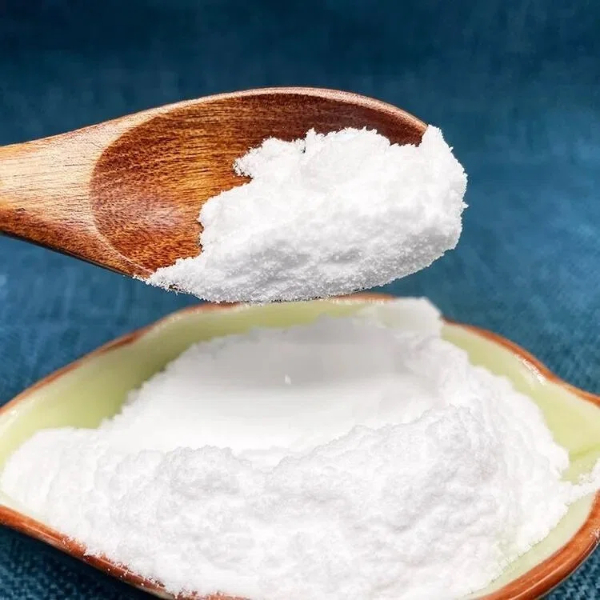
Beyond general food and beverage use, Sucralose serves a vital role in healthcare and clinical nutrition. Its ability to sweeten without adding calories makes it ideal for patients requiring restricted diets, including those with diabetes, obesity, or metabolic disorders.
In pharmaceuticals, Sucralose enhances the flavor of chewable tablets, lozenges, syrups, and nutraceutical formulations. It masks the bitterness or metallic taste of ingredients like vitamins, minerals, and herbal extracts. Because it is highly soluble, Sucralose ensures uniform sweetness in both liquid and powdered formulations.
Hospitals often use Sucralose-based nutritional products to improve the palatability of oral supplements designed for patients who need controlled-sugar diets. Additionally, Sucralose's stability ensures it remains effective throughout a product's shelf life.
Although Sucralose is potent and stable, blending it with other sweeteners or dietary components can enhance performance. Sucralose is often combined with polyols like erythritol, maltitol, or xylitol to create a more balanced sweetness profile and improved texture. These sugar alcohols provide bulk and mouthfeel that pure Sucralose lacks.
Additionally, pairing Sucralose with natural sweeteners like stevia or monk fruit extract can achieve a more natural taste while reducing costs. Sucralose works synergistically with these ingredients, minimizing any aftertaste and improving overall flavor perception.
Food technologists frequently integrate Sucralose with dietary fibers such as inulin or resistant dextrin to create fortified low-calorie products. This combination supports digestive health and allows manufacturers to develop functional foods targeting weight management or gut health applications.
Sucralose's regulatory journey demonstrates its strong scientific credibility. The FDA approved Sucralose as a general-purpose sweetener in 1999 after an extensive review of over 110 safety studies. The European Union classifies it as food additive E955, and the Joint FAO/WHO Expert Committee on Food Additives (JECFA) has established safety standards used internationally.
More than 100 countries officially permit Sucralose in foods, beverages, and medical applications. Strict manufacturing guidelines ensure purity levels exceed 98%, and production facilities must comply with food-grade quality standards. Manufacturers must also declare Sucralose clearly in product ingredient labels to ensure transparency for consumers.
Sucralose belongs to the family of high-intensity sweeteners but stands apart due to its exceptional thermal and pH stability. Aspartame, another artificial sweetener, degrades easily under heat and in acidic conditions, making it unsuitable for baking. Stevia, derived from plant leaves, offers natural appeal but can have a licorice-like aftertaste that Sucralose helps mask when blended.
When compared to sugar alcohols like erythritol or xylitol, Sucralose is much sweeter and more efficient—requiring only minute quantities to achieve desired sweetness. Because it has no cooling effect or gritty texture, it provides a clean sweetness that mirrors sucrose closely.
Overall, Sucralose outperforms many other sweeteners in versatility and taste profile, which explains its widespread adoption across industries.
Modern Sucralose factories combine automation with precision control systems to ensure consistency. The process includes reaction, purification, crystallization, drying, milling, and packaging. Each step is monitored to maintain purity, sweetness potency, and color standards.
Advanced analytical instruments such as HPLC (High-Performance Liquid Chromatography) verify purity and detect impurities at trace levels. Sucralose is then packed in moisture-proof, light-resistant containers to preserve quality during transport and storage.
Chinese manufacturers have become global leaders in Sucralose production, supplying OEM and ODM services for global clients. By integrating Sucralose with other nutritional ingredients, they offer customized sweetening solutions that cater to diverse market needs—from table-top sweeteners to functional bars and beverage blends.
The future of Sucralose is closely tied to global wellness trends and the demand for reduced-sugar products. As obesity and diabetes rates rise worldwide, consumers increasingly seek sweeteners that allow indulgence without excessive caloric intake. Sucralose's clean profile and proven safety make it a prime candidate for next-generation formulations.
Research continues into more sustainable methods of producing Sucralose from renewable biomass sources rather than conventional chlorination chemistry. Additionally, innovation in product design—such as Sucralose-based blends for plant-based foods, ready-to-drink beverages, and 3D-printed nutrition—illustrates how dynamic the sweetener market has become.
As technology evolves, Sucralose is expected to remain a central figure in both industrial and consumer sectors. It will continue to shape the development of healthier, more sustainable, and better-tasting products that meet modern nutritional goals.
Sucralose has revolutionized how we perceive sweetness. From its unique chemical origin to its unparalleled stability and safety, Sucralose has redefined possibilities in food science. Its capacity to deliver sugar-like sweetness without calories allows manufacturers to create healthier and more satisfying products without compromising flavor. Scientific evidence supports its long-term safety, while continuous innovation ensures Sucralose remains at the forefront of global sweetener technology. Whether in beverages, bakery, pharmaceuticals, or functional foods, Sucralose stands as a symbol of progress toward a balanced, low-sugar future.
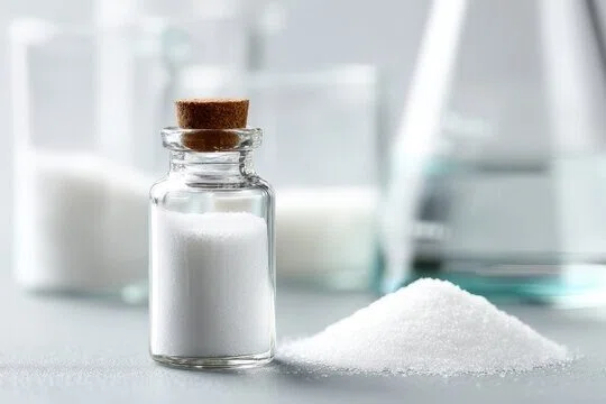
Sucralose is a non-caloric sweetener derived from sugar where three hydroxyl groups are replaced with chlorine atoms. This alteration makes it about 600 times sweeter than sugar without adding calories.
Yes. Sucralose is approved by global regulatory bodies such as the FDA, EFSA, and WHO. It is safe for daily use within the established acceptable daily intake of 5 mg per kilogram of body weight.
Absolutely. Sucralose remains stable at high temperatures and does not decompose or lose sweetness during baking, making it ideal for recipes that require heat.
No. Sucralose does not raise blood sugar or insulin levels, making it a suitable sweetener for people with diabetes or those following low-carb diets.
Blending Sucralose with polyols or natural sweeteners like stevia or erythritol improves texture, flavor, and mouthfeel, creating more natural-tasting and balanced sweetener systems.


