


Content Menu
● Erythritol in Food Industry Applications
>> Bakery
>> Beverages
>> Other Uses
● Functional Benefits of Erythritol
● FAQ
>> 1. What types of products commonly contain erythritol?
>> 2. Is erythritol safe for diabetics and people watching their calorie intake?
>> 3. Does erythritol cause digestive problems?
>> 4. Can erythritol be used in cooking and baking?
>> 5. How does erythritol compare to other sweeteners?
Erythritol is a naturally occurring sugar alcohol widely used as a low-calorie sweetener across food, beverage, and health-related products. Valued for its sugar-like sweetness without the caloric burden, it plays a vital role in modern formulations aimed at reducing sugar consumption while maintaining flavor and texture. This article delves into erythritol's applications, benefits, production, and safety aspects.
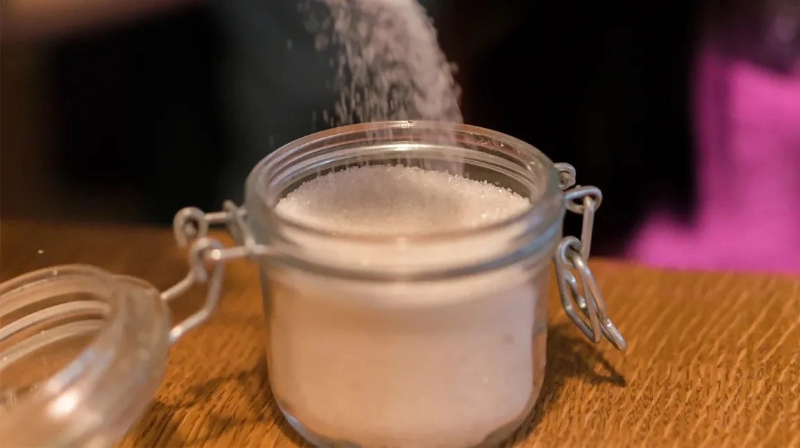
Erythritol is a 4-carbon sugar alcohol (polyol) found naturally in some fruits and fermented foods. Commercially, it is produced mainly by fermenting glucose derived from corn or wheat starch using yeast or fungi. It appears as a white crystalline powder with about 60-70% the sweetness of sucrose but with nearly zero calories. This is because erythritol is mostly absorbed in the small intestine and excreted unchanged in urine, contributing negligible energy to the body.
Key properties include:
- Sweetness about 60-70% of sugar
- Virtually zero calories (0.2 kcal/g)
- Does not raise blood sugar or insulin levels
- Non-cariogenic, protecting dental health
- Cooling effect in the mouth when dissolved
- Heat and pH stable, suitable for various processing conditions
Erythritol's mild, clean sweetness and functional advantages make it ideal for sugar replacement in diverse food products.
Erythritol increasingly replaces sucrose in baked goods like cakes, pastries, cookies, and bread. Beyond sweetness, sugar in baking contributes to structure formation, moisture retention, browning, and texture. Erythritol mimics many of these qualities while lowering calorie content. It helps retain moisture, enhancing softness and prolonging shelf life by keeping products fresh longer. Erythritol also produces baked goods with improved structural tightness and mild cooling sensations.
Erythritol is widely embraced in sugar-free and reduced-calorie candies, chocolates, and chewing gums. It provides sweetness without added calories and replicates the mouthfeel of sugar, making indulgent treats guilt-free. In chocolates, erythritol preserves texture and sweetness, delivering a product closely resembling traditional sugar-based ones.
Erythritol is used in yogurts, ice creams, and other dairy desserts to reduce sugar while maintaining creamy textures and sweetness. Its capacity to lower the freezing point of ice cream prevents ice crystal formation, ensuring a smooth, creamy mouthfeel. It also benefits dairy alternatives such as almond and coconut milk products, meeting demands from vegan and low-carb consumers.
In diet sodas, flavored waters, energy drinks, and fruit juices, erythritol offers stable sweetness without impacting flavor profiles. Its neutrality allows it to blend seamlessly with various ingredients. Erythritol reduces bitterness and masks unpleasant odors, improving taste acceptance. It also enhances texture and smoothness in liquid formulations. Its stability across pH ranges and heat tolerance ensures consistent sweetness throughout product shelf life.
Erythritol functions as a bulking agent and sweetener in granolas, breakfast cereals, and snack bars. It binds ingredients, supports structure, and enhances crispness without adding calories. This makes healthier snack options possible without compromising on flavor or texture.
Erythritol extends beyond foods. It's also found in pharmaceuticals as a stabilizer and bulking agent and in oral care products like toothpaste and mouthwash, owing to its non-cavity forming properties.
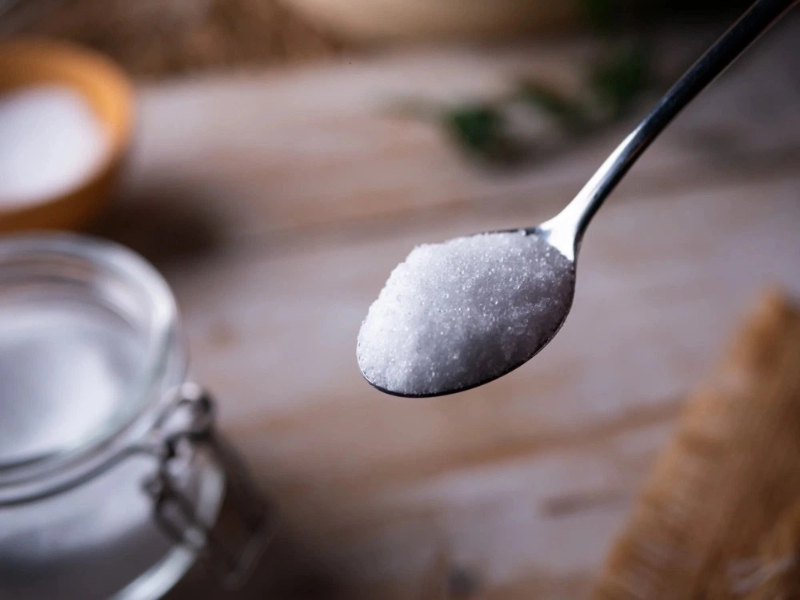
Erythritol offers multiple benefits that support the modern diet and food formulation:
- Low-calorie alternative essential for weight management
- Zero glycemic index safe for diabetics
- Non-cariogenic, helps prevent tooth decay
- Enhances moisture retention and texture in baked and frozen goods
- Stabilizes emulsions and prevents unwanted texture changes
- Masks bitterness and unpleasant odors in beverages and supplements
- Stable under heat, acid, and alkaline conditions for versatile food processing
- Cooling sensation enhances sensory experience
Commercial erythritol production uses bio-based fermentation of glucose extracted from starches via yeast or fungi. This sustainable process yields high-purity erythritol crystals that conform to food-grade standards and clean-label demands.
Erythritol is generally recognized as safe by global regulatory bodies including the U.S. FDA and EFSA. It has excellent digestive tolerance compared to other sugar alcohols because it is absorbed in the small intestine rather than fermented in the colon, reducing gastrointestinal discomfort. It does not raise blood glucose or insulin levels, making it suitable for diabetics and those following keto or low-carb diets. Additionally, it helps support oral health by not feeding cavity-causing bacteria.
Erythritol is a versatile, natural, low-calorie sweetener extensively used in food, beverages, and health products. Its sweetness, coupled with functional benefits like moisture retention, texture improvement, and stability, makes it a valuable ingredient for sugar reduction without compromising taste or quality. Its safety profile and alignment with health trends continue to drive its adoption in novel and reformulated products aimed at healthier living.
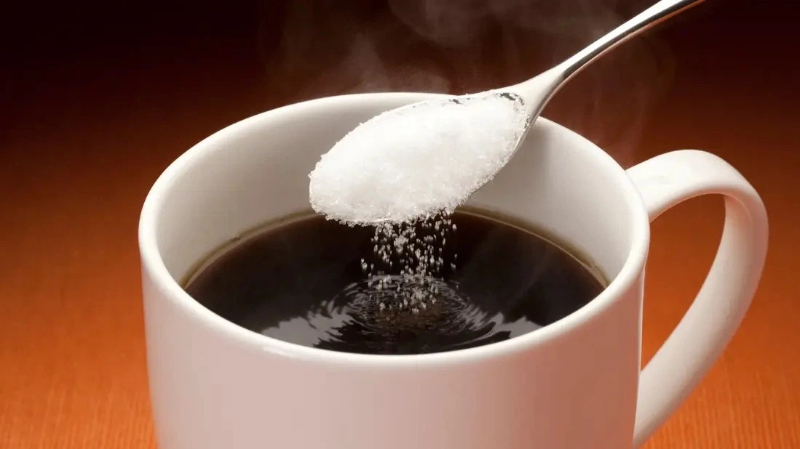
Erythritol is used in baked goods, sugar-free candies, chocolates, chewing gums, dairy desserts, diet beverages, snack bars, cereals, and oral care products.
Yes, erythritol has a zero glycemic index and virtually no calories, making it safe and suitable for diabetics and calorie-conscious individuals.
Erythritol is well-tolerated because it is mostly absorbed in the small intestine and excreted unchanged, resulting in fewer digestive issues compared to other sugar alcohols.
Yes, erythritol remains stable under heat and acidic or alkaline conditions, making it ideal for cooking, baking, and beverage production.
Erythritol offers around 60-70% of sugar's sweetness with almost zero calories, a cooling mouthfeel, excellent digestive tolerance, and non-cariogenic properties, setting it apart from many alternative sweeteners.
[1](https://periodical.knowde.com/erythritol-in-the-food-industry/)
[2](https://satorianutrisentials.com/article/erythritol-applications-in-the-food-and-beverage-industry/)
[3](https://www.cargill.com/food-beverage/emea/zerose-erythritol-applications-and-benefits)
[4](https://redox.com/news/erythritol-a-natural-low-calorie-sweetener-for-modern-applications/)
[5](https://www.foodchem.com/application-of-erythritol-in-the-food-industry/)
[6](https://pmc.ncbi.nlm.nih.gov/articles/PMC9824470/)
[7](https://pmc.ncbi.nlm.nih.gov/articles/PMC5756564/)
[8](https://www.sciencedirect.com/topics/agricultural-and-biological-sciences/erythritol)
[9](https://www.fda.gov/media/182122/download)
[10](https://en.wikipedia.org/wiki/Erythritol)


