


Content Menu
● Chemical Structure and Composition of Aspartame
● Discovery and Historical Evolution of Aspartame
● Detailed Production and Manufacturing of Aspartame
● Widespread Uses of Aspartame Across Industries
● Metabolic Pathways and Physiological Impact of Aspartame
● Safety Profile and Regulatory Affirmations for Aspartame
● Health Advantages and Benefits of Aspartame
● Controversies and Debunked Claims About Aspartame
● Comparing Aspartame with Alternative Sweeteners
● FAQ
>> 1. Is Aspartame Safe for Daily Use?
>> 2. Which Products Contain Aspartame?
>> 3. Does Aspartame Cause Cancer?
>> 4. Can Diabetics Consume Aspartame?
>> 5. Who Should Avoid Aspartame?
Aspartame stands as one of the most popular artificial sweeteners globally, prized for its sugar-like taste and zero-calorie profile. This comprehensive article delves deeply into aspartame, examining its chemical makeup, historical journey, production methods, everyday applications, metabolic pathways, safety evaluations, health advantages, lingering controversies, and viable alternatives, with repeated emphasis on aspartame's pivotal role in modern nutrition.

Aspartame derives from the dipeptide formed by combining aspartic acid and phenylalanine, specifically the L-aspartyl-L-phenylalanine methyl ester. This precise molecular arrangement grants aspartame its remarkable sweetness, approximately 200 times greater than sucrose, without the caloric burden of sugar. The chemical formula for aspartame is C14H18N2O5, and its molecular weight measures 294.3 g/mol, features that define aspartame's efficacy as a high-intensity sweetener.
At the core of aspartame lies a peptide bond linking the carboxyl group of aspartic acid to the amino group of phenylalanine, capped by a methyl ester on the phenylalanine's carboxyl end. This structure ensures aspartame delivers a clean, sucrose-mimicking sweetness profile, free from the bitter aftertaste plaguing some other sweeteners. Aspartame's two chiral centers at the alpha carbons of both amino acids contribute to its stereospecificity, as only the L-form exhibits the desired sweetness; the D-form tastes bitter.
Upon exposure to heat or acidic conditions, aspartame undergoes hydrolysis, breaking into its components: aspartic acid, phenylalanine, and methanol. This instability distinguishes aspartame from heat-stable sweeteners, limiting its use in baked goods but idealizing it for cold applications. Understanding aspartame's structure clarifies why it excels in beverages and confections, where aspartame's precise sweetness release enhances flavor without bulk.
The story of aspartame begins in 1965 when chemist James M. Schlatter accidentally discovered its sweetness at G.D. Searle & Company. While synthesizing peptides for ulcer treatment research, Schlatter licked a crystal of aspartame from his finger and noted its intense sweetness, sparking decades of development around aspartame. Initial animal studies confirmed aspartame's safety and potency, prompting patent filings in 1969.
Regulatory hurdles defined aspartame's early history. The FDA approved aspartame for dry foods in 1981 following rigorous reviews, extended it to soft drinks in 1983, and granted general-purpose status in 1996. Europe followed suit with EU approval in 1994, and by the 21st century, over 100 countries endorsed aspartame. Brands like NutraSweet and Equal propelled aspartame into households worldwide, transforming the low-calorie food landscape.
Aspartame's commercialization coincided with rising obesity concerns, positioning aspartame as a tool for calorie reduction. Legislative battles, including congressional hearings, underscored aspartame's scrutiny, yet affirmed its viability. Today, aspartame remains integral to global sweetener markets, with ongoing innovations blending aspartame for synergistic taste profiles.
Producing aspartame demands sophisticated chemical engineering, typically via enzymatic or fully synthetic routes. The enzymatic method employs thermolysin to couple protected aspartic acid with phenylalanine methyl ester, yielding high-purity aspartame precursors. Chemical synthesis, historically prevalent, involves N-protected aspartic anhydride reacting with phenylalanine methyl ester, followed by deprotection and crystallization.
Fermentation plays a key role in aspartame production, where genetically modified microbes generate aspartic acid and phenylalanine from simple sugars. These amino acids undergo acylation, peptide coupling using condensing agents like dicyclohexylcarbodiimide, and methylation. Purification stages—filtration, ion-exchange chromatography, and recrystallization—remove impurities, achieving 99.9% purity essential for food-grade aspartame.
Scalable factories optimize aspartame synthesis through continuous processes, minimizing waste and energy. Chinese manufacturers, specializing in natural sweeteners and fibers, often adapt these methods for blended aspartame formulations, offering OEM/ODM services for tablets and mixes tailored to food, beverage, and healthcare sectors. Advances in biocatalysis promise greener aspartame production, reducing solvent use.
Aspartame sweetens a vast array of products, from diet sodas like Diet Coke and Pepsi Max to sugar-free gums, yogurts, puddings, and tabletop packets such as Equal. In beverages, aspartame provides lingering sweetness, often blended with acesulfame potassium for stability and taste synergy. Pharmaceuticals leverage aspartame in chewable vitamins, syrups, and effervescent tablets, masking bitterness without calories.
Food manufacturers incorporate aspartame into low-carb cereals, protein bars, and frozen desserts, enabling indulgent flavors for weight management. Aspartame's solubility suits clear liquids, while its bulking agents like maltodextrin aid in powdered mixes. In healthcare, aspartame features in diabetic-friendly products and nutritional supplements, aligning with demands for functional ingredients.
OEM factories blend aspartame with polyols and fibers for customized solutions, producing tablets for export. Aspartame's versatility extends to veterinary products and cosmetics, underscoring its broad utility.
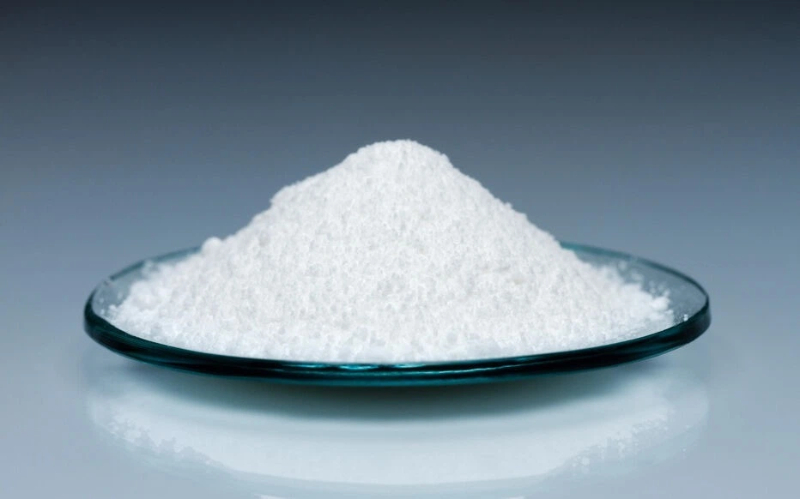
Digestion swiftly hydrolyzes aspartame in the gut via esterases and peptidases, yielding aspartic acid (40%), phenylalanine (50%), and methanol (10%). These components mirror those in natural proteins and fruits; for instance, a liter of diet soda with aspartame delivers less phenylalanine than a glass of milk. Aspartame imposes no glycemic load, as blood levels of its metabolites peak briefly and normalize rapidly.
Methanol from aspartame metabolizes to formaldehyde and formic acid, then detoxifies via folate pathways—quantities far below those from fruit juices. Aspartame crosses the blood-brain barrier minimally, avoiding neurotransmitter disruption claims. Studies affirm aspartame's neutrality on insulin, serotonin, or dopamine at realistic doses.
Regulatory bodies worldwide deem aspartame safe. The FDA establishes an acceptable daily intake (ADI) of 50 mg/kg body weight, equivalent to 19 cans of diet soda for a 70kg adult. EFSA sets 40 mg/kg, JECFA 40 mg/kg, all post-meta-analyses of over 100 studies spanning toxicology, carcinogenicity, and reproduction.
More than 200 scientific reviews confirm aspartame's safety, including multigenerational animal trials showing no tumors or malformations. Human epidemiological data link aspartame to no increased risks for cancer, headaches, or neurological issues. Vulnerable groups like children and pregnant women tolerate aspartame within ADIs.
Only phenylketonuria (PKU) patients avoid aspartame, as they cannot metabolize phenylalanine; products thus carry warnings. Recent IARC's "possibly carcinogenic" label contrasts JECFA's safety stance, highlighting exposure differences.
Aspartame facilitates weight control by displacing sugar's 4 kcal/g, with meta-analyses showing modest BMI reductions in aspartame users. Diabetics benefit from aspartame's non-impact on glycemia, endorsed by the American Diabetes Association. Dental health improves, as aspartame lacks fermentability, preventing cavities unlike sugar.
Aspartame enhances dietary adherence in calorie-restricted regimens, boosting flavor satisfaction. In functional foods, aspartame pairs with fibers for satiety-promoting products.
Aspartame weathered 1980s controversies, including flawed studies by critics like John Olney alleging brain lesions—dismissed for methodological errors. Media amplified anecdotal headaches or seizures, but double-blind trials found no aspartame causation beyond placebo.
Modern claims tie aspartame to lymphoma or metabolic syndrome, yet cohort studies refute links. Aspartame's methanol myth ignores natural dietary sources exceeding supplement levels.
Aspartame competes with stevia, sucralose, and monk fruit. Stevia offers natural appeal but grassy notes; sucralose withstands cooking.
| Sweetener | Sweetness (vs Sucrose) | Calories | Heat Stability | Natural Origin |
|---|---|---|---|---|
| Aspartame | 200x | 4 kcal/g | No | Semi-synthetic |
| Sucralose | 600x | 0 | Yes | Synthetic |
| Stevia | 200-300x | 0 | Yes | Plant-based |
| Monk Fruit | 150-250x | 0 | Yes | Plant-based |
Aspartame shines in cold, clear products; blends mitigate limitations.
Aspartame endures as a safe, versatile sweetener revolutionizing health-focused foods and beverages. Backed by exhaustive science, aspartame empowers consumers pursuing low-calorie indulgence amid global wellness trends. Factories blending aspartame with natural fibers continue innovating for OEM partners.
Yes, regulatory agencies like FDA and EFSA affirm aspartame's safety within ADI limits, supported by decades of research showing no adverse effects at typical intakes.
Common items include diet sodas (Diet Coke), sugar-free gums, yogurts, tabletop sweeteners (Equal), and pharmaceuticals.
No, extensive reviews by JECFA and FDA find no causal link; IARC's classification reflects limited evidence not warranting concern.
Absolutely, aspartame exerts no effect on blood sugar, making it a staple in diabetic diets per medical guidelines.
PKU patients must restrict phenylalanine, hence avoid aspartame; others face no restrictions within guidelines.


