


Content Menu
● Sucralose in Dairy and Frozen Desserts
● Sucralose in Confections and Snacks
● Sucralose in Processed Fruits and Sauces
● Sucralose in Health and Nutritional Products
● Benefits of Sucralose for Manufacturers and Consumers
● Sucralose Synergies and Formulation Tips
● FAQ
>> 2. Which beverages commonly contain sucralose?
>> 3. Is sucralose suitable for baking?
>> 4. Does sucralose affect blood sugar levels?
>> 5. How does sucralose benefit food production?
Sucralose, a zero-calorie artificial sweetener derived from sugar, appears in countless everyday foods and beverages, offering sweetness without the calories or blood sugar impact of traditional sugar. Approved by the FDA in 1998 for 15 initial categories and expanded in 1999 as a general-purpose sweetener, sucralose enhances products like baked goods, soft drinks, chewing gum, and frozen desserts with its exceptional heat and pH stability. This versatility makes sucralose a staple in the food industry, enabling manufacturers to create low-sugar options that taste remarkably like their full-sugar counterparts.[1][5][6][7]
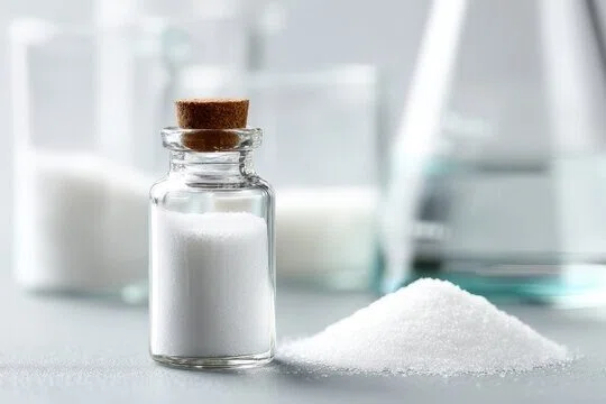
Sucralose shines in beverages, where its stability across a wide pH range prevents degradation in acidic environments like carbonated soft drinks and fruit juices. Diet sodas, flavored waters, and low-calorie fruit drinks frequently contain sucralose to deliver intense sweetness—up to 600 times that of sugar—without adding calories or promoting tooth decay. Energy drinks, sports beverages, and even alcoholic mixers benefit from sucralose, as it maintains flavor during pasteurization or high-temperature processing.[2][4][7][1]
Nutritional shakes and meal replacements also rely on sucralose for a clean, sugar-like taste that masks bitterness from proteins or vitamins. In powdered drink mixes, sucralose ensures long shelf life and consistent sweetness when reconstituted. For consumers seeking hydration without sugar spikes, sucralose-sweetened iced teas and lemonades provide refreshing options safe for diabetics.[3][8][10][11]
Baked goods represent one of sucralose's strongest applications due to its heat stability, retaining sweetness through high baking temperatures that degrade other sweeteners like aspartame. Cookies, cakes, muffins, and pies use sucralose to cut calories while preserving volume, texture, and browning similar to sugar. Bread, breakfast cereals, and pastries incorporate sucralose for reduced-sugar formulations that stay fresh longer.[5][6][1][2]
Sucralose blends seamlessly in doughs and batters, supporting sugar reduction in items like brownies and scones without compromising mouthfeel. Its non-hygroscopic nature prevents sogginess, making it ideal for commercial baking where shelf stability matters. Home bakers and factories alike turn to sucralose for low-carb breads and tortillas, expanding options for keto diets.[4][7][9]
Dairy products leverage sucralose for creamy indulgence minus the calories, appearing in yogurts, puddings, and frozen dairy desserts like ice cream and gelato. Sucralose withstands freezing and churning, delivering uniform sweetness that enhances fruit flavors without crystallization. Low-fat milkshakes and custard-style treats use sucralose to mimic full-sugar richness.[8][1][3][5]
Ice cream toppings, sorbets, and frozen novelties benefit from sucralose's stability in high-water content, preventing off-flavors over time. In cheese products and flavored milks, sucralose masks any tanginess while supporting diabetic-friendly labels. This makes sucralose indispensable for innovative dairy innovations like protein-enriched frozen yogurts.[6][2][4]
Confections such as chewing gum, hard candies, and chocolates frequently feature sucralose for prolonged sweetness release without promoting cavities, as it is non-fermentable by oral bacteria. Gum bases hold sucralose effectively, ensuring flavor lasts chew after chew. Protein bars, breakfast bars, and snack mixes use sucralose to balance nutty or grainy tastes with pure sweetness.[7][1][4][5]
Jams, jellies, and fruit spreads replace high-fructose corn syrup with sucralose, achieving spreadable texture and vibrant fruit notes in low-calorie versions. Gummies and marshmallows gain bounce and chew from sucralose formulations that avoid sticky residues. Snack crackers and popcorn seasonings incorporate sucralose for subtle sweet-savory profiles.[2][3][6]
Canned fruits, pie fillings, and fruit preserves utilize sucralose to slash calories while preserving natural fruit flavors through canning's heat. Sucralose remains potent post-processing, unlike sugar syrups that add unnecessary energy. Sauces, syrups, and condiments like ketchup or barbecue sauce employ sucralose for balanced sweetness in reduced-sugar recipes.[9][1][5][7]
Salad dressings and marinades benefit from sucralose's pH tolerance, staying sweet amid vinegars and acids. In processed vegetables and fruit cocktails, sucralose enhances palatability without altering nutritional profiles. These applications highlight sucralose's role in shelf-stable goods for global markets.[4][6][2]
Nutritional supplements, medical foods, and vitamin gummies rely on sucralose to mask unpleasant aftertastes from minerals or herbs, making compliance easier for all ages. Protein powders and meal replacements sweetened with sucralose appeal to fitness enthusiasts avoiding sugar crashes. Diabetic-friendly options like oral care products—toothpastes and mouthwashes—use sucralose for fresh taste without enamel risks.[1][7][8][4]
In pharmaceuticals, sucralose sweetens syrups, chewables, and pediatric liquids, improving adherence without glycemic effects. Functional foods for weight management, such as fiber-enriched bars, integrate sucralose for enjoyable consumption. Sucralose's synergy with other sweeteners like acesulfame potassium rounds out profiles in these complex formulations.[10][2]
Food manufacturers value sucralose for cost savings, as less is needed for equivalent sweetness, and its stability reduces waste in production lines. It enables new product categories like no-sugar-added cereals and beverages, meeting demands for healthier choices. Consumers enjoy sucralose-sweetened foods for weight control, as 85-95% passes undigested, providing zero net calories.[11][6][9][1]
Diabetics appreciate sucralose's lack of impact on insulin or blood glucose, backed by extensive safety data from over 100 studies. Its clean taste profile—without bitter aftertastes—enhances everyday eating, from coffee pods to canned goods. Global approvals in 100+ countries underscore sucralose's reliability.[5][7][4]
Sucralose pairs powerfully with bulking agents like maltodextrin in powdered forms, or with stevia for natural-leaning blends. In beverages, it synergizes with ace-K for sugar-mimicking roundness at lower doses. For baked goods, combining sucralose with polyols prevents crystallization, ideal for sugar-free chocolates.[1][2]
Formulators use sucralose to mask botanicals in functional drinks or BCAAs in sports nutrition, solving bitterness challenges. Its solubility in water, ethanol, and fats supports diverse textures from gels to emulsions. These properties drive innovation in OEM sweetener blends for international clients.[6][4]
Sucralose transforms the landscape of foods and beverages, appearing in baked goods, drinks, dairy, confections, sauces, and nutritional products thanks to its unmatched stability, zero calories, and versatile sweetness. From diet sodas to sugar-free cakes, sucralose enables healthier choices without taste compromises, benefiting diabetics, weight-watchers, and manufacturers alike. As demand for low-sugar innovations grows, sucralose remains a cornerstone ingredient for global food solutions.[7][2][1]
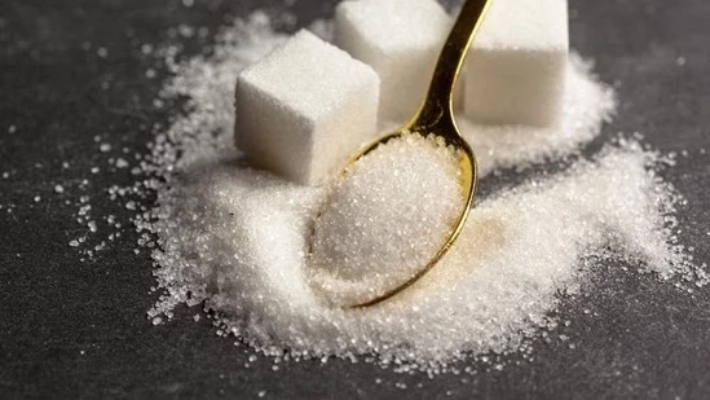
Sucralose is a zero-calorie sweetener made from sugar, 600 times sweeter than sucrose, used widely in foods for its stability and lack of metabolic impact.[10][7]
Diet sodas, flavored waters, energy drinks, and nutritional shakes often include sucralose for calorie-free sweetness stable in acidic conditions.[2][1]
Yes, sucralose's heat stability makes it perfect for cookies, cakes, and breads, retaining sweetness through high temperatures unlike aspartame.[4][5]
No, sucralose passes through the body undigested, making it safe for diabetics with no impact on glucose or insulin.[11][6]
Sucralose lowers costs, extends shelf life, and enables sugar-reduced products across categories, synergizing with other sweeteners for optimal taste.[1][2]
[1](https://caloriecontrol.org/sucralose/)
[2](https://nutripartners.co/blog/formulation-technology/sucralose-technical-guide-formulators)
[3](https://www.bshingredients.com/sucralose-uses-and-applications/)
[4](https://www.amerigoscientific.com/everything-you-need-to-know-about-sucralose-uses-benefits-and-safety.html)
[5](https://www.fda.gov/food/food-additives-petitions/aspartame-and-other-sweeteners-food)
[6](https://pmc.ncbi.nlm.nih.gov/articles/PMC3856475/)
[7](https://en.wikipedia.org/wiki/Sucralose)
[8](https://fdcm.eu/sucralose-sweetness-without-calories/)
[9](https://www.sciencedirect.com/topics/food-science/sucralose)
[10](https://pmc.ncbi.nlm.nih.gov/articles/PMC10971371/)
[11](https://ific.org/insights/everything-you-need-to-know-about-sucralose/)


