
Views: 222 Author: Sara Publish Time: 2025-12-27 Origin: Site


Content Menu
● Metabolic and Cardiovascular Risks
● Safer Natural Sweetener Alternatives
● Benefits of Natural Sweeteners
● Industry Solutions for Sweetener Innovation
● FAQs
>> 1. Which artificial sweeteners should be avoided?
>> 2. Are natural sweeteners like stevia safe?
>> 3. Can artificial sweeteners cause weight gain?
>> 4. What are the gut effects of sucralose?
>> 5. How to switch to healthier sweeteners?
Artificial sweeteners promise sweetness without calories, but many pose serious health risks. This article explores harmful artificial sweeteners and promotes safer natural sweetener alternatives from trusted factory sources specializing in OEM/ODM services.
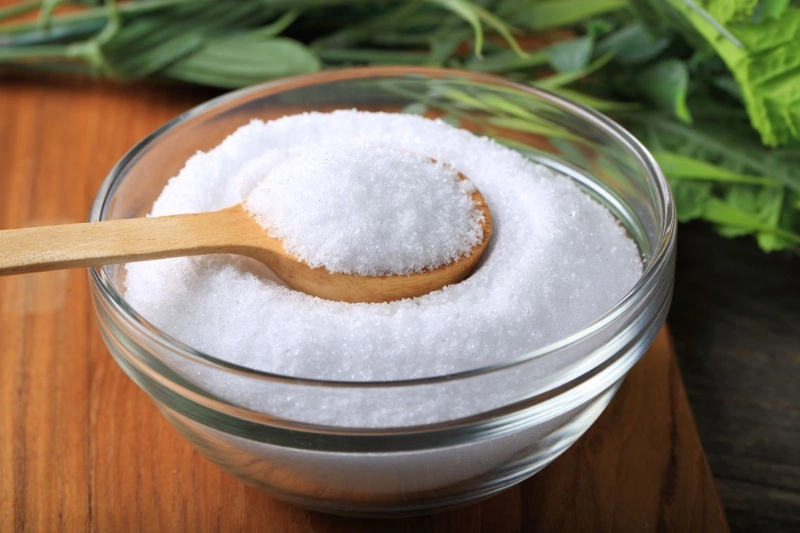
Aspartame, sucralose, saccharin, and acesulfame-K rank among the most problematic artificial sweeteners. These synthetic sweeteners disrupt gut health, elevate metabolic risks, and may contribute to chronic diseases. Aspartame consumption links to kidney damage, liver toxicity, mood swings like irritability and depression. Sucralose alters glucose levels, harms beneficial gut bacteria, and generates toxic compounds when heated, potentially leading to inflammation and weight gain. Saccharin correlates with obesity, hyperglycemia, and oxidative stress in the liver. Acesulfame-K raises cancer concerns due to flawed safety testing and its bitter aftertaste when used alone.
These sweeteners often hide in diet sodas, sugar-free gums, and low-calorie yogurts, tricking consumers into thinking they choose health. Over time, regular exposure to such artificial sweeteners can accumulate, overwhelming the body's detoxification systems. Sweetener overuse confuses the brain's reward pathways, originally designed for natural sugars, leading to cravings that undermine weight control efforts. Manufacturers blend these artificial sweeteners to mask off-tastes, amplifying combined risks without clear labeling. Sweetener safety claims rely on short-term studies, ignoring lifelong impacts on microbiome diversity essential for immunity and digestion.
Aspartame breaks down into methanol, aspartic acid, and phenylalanine, components that may damage kidneys and liver over long-term use as a sweetener. High doses trigger free radical production, cytotoxic effects on cells, and potential carcinogenesis by interfering with cellular proteins. Studies associate it with higher stroke, heart disease, and mortality risks, independent of other lifestyle factors. Neurological issues include behavioral changes, memory problems, and elevated corticosterone levels mimicking stress responses.
Aspartame's prevalence in diet sodas amplifies exposure to this risky sweetener, with a single can delivering doses close to controversial safety limits. Phenylketonuria patients must avoid it entirely, highlighting selective toxicity. Emerging research questions its role in headaches, seizures, and even ADHD-like symptoms in sensitive individuals. As a sweetener, aspartame fails to satisfy natural sweet tooth urges, prompting overconsumption of processed foods laden with more chemicals. Long-term sweetener reliance may desensitize taste buds, making natural fruits seem bland and discouraging whole-food diets.
Sucralose, 600 times sweeter than sugar, suppresses immune function and increases cancer risk through genotoxic sucralose-6-acetate that damages DNA. It disrupts gut microbiota, causing dysbiosis and insulin resistance critical for diabetes prevention. Daily intake raises diabetes odds by 67% and links to IBS, Crohn's disease, and metabolic syndrome. Baking with sucralose produces chloropropanols, toxic compounds known carcinogens in animal models.
Gut health suffers profoundly from this artificial sweetener, with reduced probiotics fostering inflammation and leaky gut syndrome. Sucralose accumulates in fat tissues, prolonging exposure and amplifying endocrine disruption. Sweetener persistence in the environment pollutes waterways, indirectly affecting human health via the food chain. Heat instability during cooking releases harmful byproducts, making sucralose unreliable for home baking or industrial food production. Transitioning away from sucralose requires retraining palates accustomed to its intense, lingering sweetness that natural options lack.
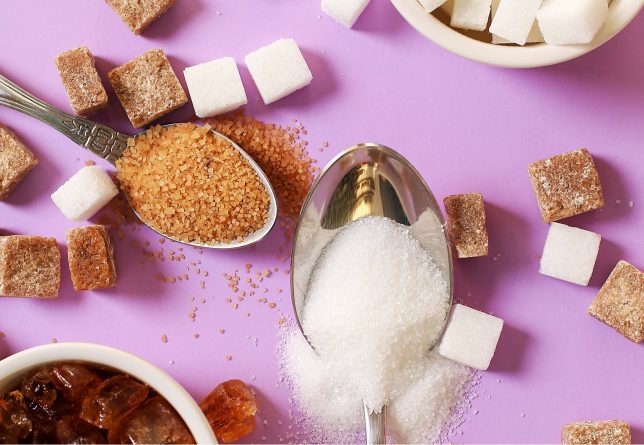
Saccharin, one of the oldest artificial sweeteners discovered in 1879, induces obesity and glucose intolerance in animal studies despite zero calories. Chronic intake elevates oxidative stress markers like isoprostane and uric acid, harming liver function and promoting fatty liver disease. It alters gut flora, favoring inflammatory bowel diseases and systemic inflammation that fuels arthritis and autoimmunity. Long-term use associates with migraines, allergies, and immune dysfunction, particularly in children.
Despite FDA approval after delisting from carcinogen watchlists, saccharin's safety as a sweetener remains debated due to inconsistent human data. Its metallic aftertaste necessitates blending with other artificial sweeteners, compounding risks. Historical bans in the 1970s underscore lingering doubts about high-dose effects on bladder tumors in rats. Sweetener cycles of approval and scrutiny reflect regulatory capture by industry, prioritizing profits over precaution. Consumers unknowingly ingest saccharin in tabletop packets, medications, and cosmetics, broadening exposure beyond diet foods.
Acesulfame-K, or Ace-K, often pairs with other sweeteners due to inherent bitterness that lingers unpleasantly. Controversial testing raises cancer fears, with independent reviews calling for re-evaluation of acceptable daily intakes. It impacts metabolic health and gut bacteria similarly to peers, impairing short-chain fatty acid production vital for colon health. Limited heat stability makes Ace-K unreliable in cooking as a sweetener, degrading into unknown compounds.
Ace-K crosses the placenta, raising fetal development concerns during pregnancy. Sweetener synergy in blends like aspartame-ace-K amplifies neurotoxic potential, affecting neurotransmitter balance. Regulatory bodies set limits based on outdated animal data, ignoring modern epigenetics where low doses alter gene expression over generations. As a staple in energy drinks and protein bars, ace-K contributes to daily overloads for fitness enthusiasts seeking low-calorie options.
Artificial sweeteners like aspartame, sucralose, and saccharin disrupt microbiome balance, reducing beneficial bacteria like Bifidobacteria and Lactobacillus. This leads to impaired glucose tolerance, heightened inflammation, and metabolic disturbances mimicking prediabetes. Gut dysbiosis from these sweeteners fosters toxin-producing bacteria, worsening IBS, permeability, and autoimmune triggers. Sweetener molecules evade digestion, reaching the colon intact to wreak havoc on microbial ecosystems evolved for natural carbohydrates.
Persistent sweetener use correlates with small intestinal bacterial overgrowth (SIBO), bloating, and nutrient malabsorption. Inflammation cascades affect brain health via the gut-brain axis, linking sweeteners to anxiety and cognitive fog. Restoring balance demands probiotic support and sweetener elimination, allowing native flora recovery over weeks. Industrial food systems perpetuate this cycle, embedding artificial sweeteners in everyday products from cereals to sauces.
These sweeteners fail to aid weight loss and may promote gain by confusing appetite signals and altering leptin sensitivity. Links exist to type 2 diabetes, insulin resistance, and cardiovascular events like stroke and heart failure. Erythritol, a sugar alcohol sweetener, elevates heart attack and clot risks through platelet hyperactivation. Aspartame and sucralose contribute to hypertension and dyslipidemia by shifting lipid metabolism.
Sweetener-induced cephalic phase insulin response spikes blood sugar paradoxically without calories. Longitudinal studies reveal heavier consumers face 20-30% higher obesity rates, defying low-calorie logic. Cardiovascular strain manifests as endothelial dysfunction, stiffening arteries prematurely. Sweetener avoidance aligns with Mediterranean diets emphasizing whole foods over processed alternatives.
Aspartame shows carcinogenic potential via network toxicology, mimicking estrogen and dioxin pathways. Sucralose generates DNA-damaging compounds during metabolism. Saccharin and Ace-K face scrutiny for tumor promotion in high-exposure scenarios. Studies note higher cancer incidences in high users, particularly lymphomas and leukemias.
Toxicity extends to mitochondrial dysfunction, impairing cellular energy and accelerating aging. Sweetener metabolites burden liver enzymes, diverting resources from detoxification. Generational effects emerge in rodent offspring, with transplacental exposure priming cancer susceptibility.
Switch to natural sweeteners like stevia, monk fruit, erythritol, and inulin blends for superior health benefits. Stevia, derived from South American leaves, offers zero calories, no blood sugar impact, and potent antioxidants fighting oxidative stress. Monk fruit, prized in Traditional Chinese Medicine, provides mogrosides with anti-inflammatory and antiviral properties alongside clean sweetness. These plant-based sweeteners support gut health, nurturing beneficial bacteria unlike their artificial counterparts.
Functional polyols like xylitol and erythritol mimic sugar texture without fermentation issues in most users. Dietary fibers such as chicory root inulin enhance satiety and prebiotic effects, stabilizing digestion. Blended natural sweeteners achieve sugar-like taste profiles, ideal for beverages, baked goods, and supplements. Factories specializing in OEM/ODM services customize these formulations, ensuring stability, solubility, and shelf-life for global manufacturers.
Our China-based factory focuses on natural sweeteners, functional polyols, and dietary fibers for food, beverage, and healthcare industries. We excel in mixed sweetener development, tablet compression, and full OEM/ODM production, delivering turnkey solutions compliant with international standards.
Natural sweeteners boast lower glycemic indexes, aiding diabetes management and steady energy levels. Honey, though caloric, delivers enzymes, minerals, and antimicrobial activity. Agave nectar and coconut sugar retain trace nutrients lost in refining. Monk fruit and stevia avoid calorie spikes, promoting metabolic harmony.
Antioxidant richness in stevia combats inflammation linked to chronic diseases. Sweetener synergy with fibers improves insulin sensitivity, curbing cravings naturally. Taste evolution favors subtle natural profiles over cloying artificial intensity. Long-term adherence sustains weight loss better than restrictive diets relying on synthetic aids.
| Sweetener Type | Calories | Glycemic Impact | Key Benefits | Risks |
|---|---|---|---|---|
| Aspartame (Artificial) | 4 per g | None | None significant | Kidney/liver damage, cancer risk |
| Sucralose (Artificial) | 0 | Minimal | Heat stable | Gut dysbiosis, DNA damage |
| Saccharin (Artificial) | 0 | None | Cheap | Obesity, oxidative stress |
| Stevia (Natural) | 0 | None | Antioxidants, gut-friendly | Minimal |
| Monk Fruit (Natural) | 0 | None | Anti-inflammatory | None noted |
| Erythritol (Polyol) | 0.2 per g | Low | Cooling effect, dental safe | Rare GI upset |
Partner with specialized factories for natural sweetener innovation via OEM/ODM. Custom blends incorporate stevia, monk fruit, erythritol, and fibers tailored to viscosity, sweetness intensity, and application. Tablet production ensures precise dosing for supplements, dissolving seamlessly in drinks. Quality control verifies purity, heavy metals absence, and microbial safety.
Scalable manufacturing supports private labeling for beverages, confections, and healthcare products. R&D teams optimize sweetener stability under heat, acid, and storage conditions. Global certifications like HACCP, ISO, and organic validate reliability. Transitioning to natural sweeteners elevates brand positioning in health-conscious markets demanding clean labels.
Avoid harmful artificial sweeteners like aspartame, sucralose, saccharin, and acesulfame-K due to profound risks to gut integrity, metabolic function, cardiovascular health, and cancer potential. Embrace natural sweeteners such as stevia, monk fruit, and functional polyols for sustainable vitality and taste satisfaction. Consult experts for personalized transitions and leverage OEM/ODM factories for innovative, high-quality blends transforming food and beverage landscapes.
Aspartame, sucralose, saccharin, and acesulfame-K pose the greatest risks, linked to gut disruption, metabolic issues, and toxicity.
Yes, stevia and monk fruit serve as zero-calorie natural sweeteners with minimal risks, supporting blood sugar control and providing antioxidants.
Despite low calories, these sweeteners disrupt appetite regulation and gut health, leading to increased consumption and obesity.
Sucralose kills probiotics, induces dysbiosis, and heightens inflammation as a harmful artificial sweetener.
Opt for factory-blended natural sweeteners through OEM/ODM services for beverages and tablets, ensuring optimal quality and taste.


