
Views: 222 Author: Sara Publish Time: 2025-12-15 Origin: Site


Content Menu
● Regulatory Approval of Sucralose
● Common Sucralose Side Effects
● Metabolic Impacts of Sucralose
● Cancer and DNA Risks from Sucralose
● Neurological and Immune Effects
● Long-Term Sucralose Exposure Risks
● Sucralose in Special Populations
● FAQ
>> 1. Is Sucralose Safe for Daily Use?
>> 2. Does Sucralose Cause Weight Gain?
>> 3. Can Sucralose Affect Gut Bacteria?
>> 4. Is Sucralose Linked to Cancer?
>> 5. Should Diabetics Avoid Sucralose?
Sucralose ranks among the most popular artificial sweeteners globally, offering sweetness 600 times greater than sugar with zero calories. Found in products like diet sodas, gums, and baked goods under names like Splenda, sucralose attracts those managing weight or diabetes. However, growing research highlights potential sucralose side effects, sparking debates on its long-term safety.[1][2]
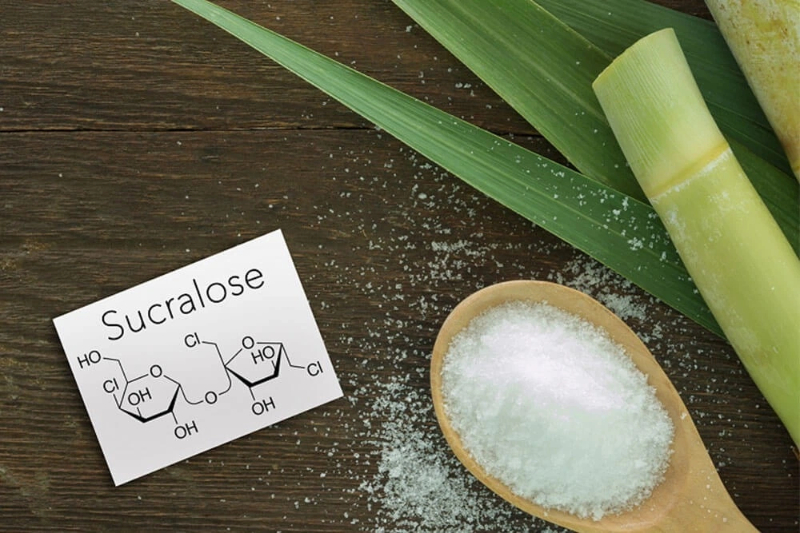
Sucralose originates from sucrose, modified by replacing three hydroxyl groups with chlorine atoms, creating the chemical formula C₁₂H₁₉Cl₃O₈. This alteration makes sucralose stable and non-caloric, as roughly 85% passes undigested into the large intestine, interacting with gut bacteria. Developed in 1976 through a collaboration between Tate & Lyle and Johnson & Johnson, sucralose underwent rigorous testing before market entry.[3][4]
The production of sucralose involves a multi-step chlorination process ensuring high purity levels above 99%. Unlike aspartame, sucralose withstands high temperatures, ideal for cooking and baking without losing sweetness. Regulatory bodies worldwide approve sucralose, with the FDA granting initial permission in 1998 for specific uses, expanding to all foods by 1999. Its acceptable daily intake (ADI) sits at 5 mg/kg body weight, allowing substantial consumption—equivalent to 23 packets of Splenda for a 150-pound person—without expected harm.[5][6]
Sucralose's popularity stems from its clean taste profile, mimicking sugar closely without bitter aftertastes common in other sweeteners. Over decades, consumption of sucralose has surged, now present in thousands of products, prompting deeper scrutiny into sucralose side effects beyond initial approvals.[7]
More than 110 safety studies, conducted over 20 years, form the backbone of sucralose's regulatory green light. The FDA examined data on toxicology, reproduction, neurology, and carcinogenicity, concluding no adverse effects in humans at approved levels. Similar affirmations come from the European Food Safety Authority (EFSA), Joint FAO/WHO Expert Committee on Food Additives (JECFA), and others, establishing consistent ADIs.[8][9]
These studies included lifetime rodent trials with sucralose doses far exceeding human exposure, showing no tumors or organ damage. Sucralose's poor absorption—only 15% enters the bloodstream—minimizes systemic risks, with excreted chlorine harmlessly eliminated. Industry groups emphasize sucralose's clean safety profile, contrasting it with sugar's links to obesity and diabetes.[10]
Yet, approvals occurred before microbiome science advanced. Recent WHO advisories in 2023 recommend against using non-sugar sweeteners like sucralose for weight control, citing limited long-term benefits and potential risks. This evolution underscores ongoing evaluations of sucralose safety.[11][7]
Users report various sucralose side effects, including headaches, dizziness, and skin rashes, often in sensitive populations. Observational studies link frequent sucralose intake to higher metabolic syndrome risk (36% increase) and type 2 diabetes (67% higher odds). Acute exposure, like a single 48 mg dose in water, elevates insulin levels and alters immune cell profiles in healthy adults.[2][1]
Gastrointestinal sucralose side effects prove most prevalent, encompassing bloating, diarrhea, and cramps. These mimic irritable bowel syndrome (IBS) symptoms, attributed to sucralose's impact on digestion. Allergic-like reactions, though rare, include hives or breathing issues, prompting avoidance in affected individuals.[12]
Paradoxically, sucralose may promote weight gain. Animal experiments show rats consuming sucralose gaining more weight than sugar-fed counterparts despite equal calories, due to disrupted appetite signals. Human cohort data reinforces this, associating sucralose-sweetened drinks with poorer weight loss outcomes.[13][1]
Sucralose's unabsorbed portion reaches the colon, profoundly disrupting the gut microbiome. Studies demonstrate sucralose reduces beneficial bacteria like Bifidobacteria and Lactobacillus by up to 50%, while elevating pathogens. A seminal Duke University rat study at FDA-approved doses enlarged ceca and halved microflora populations.[12]
Human trials confirm sucralose-induced dysbiosis after just weeks, raising fecal pH and impairing short-chain fatty acid production essential for gut integrity. Sucralose side effects here include increased permeability—"leaky gut"—allowing endotoxins into the bloodstream, fueling systemic inflammation.[14][2]
In inflammatory bowel disease models, sucralose exacerbates colitis, prolonging recovery. Long-term exposure (21 days) in cell cultures slashes microglia viability by 54%, linking gut changes to brain inflammation via the gut-brain axis. These findings challenge sucralose's inert reputation, highlighting microbiome vulnerabilities.[15][16]
Sucralose interferes with glucose homeostasis, blunting insulin sensitivity over time. Four-week human studies show diminished acute insulin responses, a precursor to prediabetes. A large BMJ analysis ties sucralose consumption to elevated cardiovascular disease, stroke, and coronary risks.[2][12]
In obese women, sucralose raises blood glucose comparably to sucrose during tolerance tests, confounding its low-glycemic promise. Liver models reveal chronic sucralose fostering insulin resistance and steatosis via altered enzyme activity. Sucralose side effects extend to hyperinsulinemia, perpetuating obesity cycles despite caloric savings.[17]
These metabolic shifts stem from sucralose's cephalic phase response, tricking the brain into expecting calories that never arrive, dysregulating hunger hormones like ghrelin.[18][19]
Impurity sucralose-6-acetate exhibits genotoxicity, damaging DNA in human blood cells and activating cancer-related genes. At concentrations found in products, it induces double-strand breaks and inflammation pathways. Heating sucralose generates chloropropanols, classified as probable carcinogens by some agencies.[13][2]
While high-dose rodent lifetime studies report no tumors, recent in vitro data raises alarms. German BfR advises minimizing baked sucralose goods due to toxin formation. Sucralose's chlorinated structure parallels known mutagens, warranting caution.[1][12]
Neuroinflammation from prolonged sucralose exposure positions it as a potential cancer cofactor via chronic immune activation.[15]
Sucralose crosses the blood-brain barrier minimally but influences hypothalamic signaling, increasing blood flow and hunger perceptions. High doses suppress immune cells, heightening infection susceptibility in mice. Microglial studies show 64% viability loss at elevated sucralose levels, implying neurotoxicity.[18][13]
Sucralose side effects like migraines may arise from excitotoxicity or vascular constriction. Immune modulation includes monocyte shifts toward pro-inflammatory states post-ingestion.[15]
Cumulative sucralose effects amplify over years: persistent dysbiosis, entrenched insulin resistance, and barrier erosion. Epidemiological trends parallel sucralose rise with IBS and autoimmune surges. Pregnancy data suggests preterm birth links via maternal microbiome alterations; pediatric exposure risks amplified gut immaturity.[19][1]
Gaps in multi-decade human trials persist, though animal proxies affirm safety below ADI multiples.[11]
Diabetics face variable sucralose responses—insulin spikes in some undermine control. IBS patients report flare-ups, advising elimination. Pregnant individuals align with WHO non-recommendation for sweeteners.[7][19]
Athletes derive no ergogenic benefits from sucralose sans fuel, unlike carbohydrates.
Stevia, monk fruit, and erythritol offer natural profiles avoiding sucralose pitfalls. Blends with fibers enhance satiety and microbiome support, aligning with health-focused manufacturing.
Sucralose provides calorie-free sweetness but potential side effects—gut dysbiosis, metabolic disruption, inflammation—emerge from recent science. Safe at regulated levels per authorities, moderation and alternatives ensure optimal health amid evolving evidence.[9][2]
Sucralose holds FDA approval up to 5 mg/kg daily, supported by over 110 studies negating carcinogenicity. Emerging microbiome data on sucralose side effects suggests moderation.[6][10]
Yes, paradoxically—sucralose stimulates appetite and impairs satiety, leading to increased intake despite zero calories.[1][12]
Sucralose reduces beneficial flora, induces dysbiosis, and elevates IBS-like risks via microbiome disruption.[14][1]
No proven causation, but impurities like sucralose-6-acetate damage DNA; heating produces potential carcinogens.[2][13]
Sucralose can impair insulin dynamics and elevate glucose, requiring careful monitoring in diabetics.[19][12]
[1](https://draxe.com/nutrition/sucralose/)
[2](https://www.healthline.com/health-news/sucralose-a-common-artificial-sweetener-may-increase-cancer-risk)
[3](https://www.pearson.com/channels/gob/asset/18afe007/allied-health-the-structure-of-sucralose-found-in-the-artificial-sweetener-splen?ITPEP=plusAuthHP)
[4](https://www.webqc.org/lewis_structure_generator.php?compound=Sucralose)
[5](https://www.sciencedirect.com/topics/food-science/sucralose)
[6](https://www.rupahealth.com/post/what-is-sucralose-and-is-it-a-healthy-sugar-alternative)
[7](https://en.wikipedia.org/wiki/Sucralose)
[8](https://pmc.ncbi.nlm.nih.gov/articles/PMC5152540/)
[9](https://ific.org/insights/everything-you-need-to-know-about-sucralose/)
[10](https://sucraloseglobal.org/en/sucralose-facts/)
[11](https://www.sweeteners.org/sucralose-is-safe-as-confirmed-by-wealth-of-research-and-food-safety-authorities-around-the-world/)
[12](https://usrtk.org/sweeteners/sucralose-emerging-science-reveals-health-risks/)
[13](https://www.kentscientific.com/new-research-with-mice-reveals-the-dangers-of-sweeteners/)
[14](https://www.youtube.com/watch?v=nuMt7wFarrw)
[15](https://pmc.ncbi.nlm.nih.gov/articles/PMC11606902/)
[16](https://liveowyn.com/blogs/owyn-articles/sucralose-artificial-sweeteners-recent-studies-reveal-health-risks)
[17](https://pmc.ncbi.nlm.nih.gov/articles/PMC10305118/)
[18](https://www.youtube.com/watch?v=1-HDgOLJty4)
[19](https://www.healthline.com/health/diabetes/sucralose-and-diabetes)


