
Views: 222 Author: Sara Publish Time: 2026-01-31 Origin: Site


Content Menu
● Introduction to Sodium Saccharin in Canada
● Regulatory Landscape for Sodium Saccharin in Canada
● Types and Grades of Sodium Saccharin in the Canadian Market
● Leading Sodium Saccharin Manufacturers and Suppliers Serving Canada
>> Maiyam Group (Industrial Minerals and Sodium Saccharin)
>> BMD Materials via Global Trade Platforms (Sodium Saccharin USP)
>> Silverline Chemicals (Sodium Saccharin USP/BP/EP/Ph. Eur. in Canada)
>> EZ Elements (Sodium Saccharin 20/40 Mesh)
>> International Chemical and Ingredient Distributors Supplying Canada
● How to Choose the Right Sodium Saccharin Partner in Canada
● Integrated Sweetener Solutions for Canadian Buyers
● Practical Tips for Working With Sodium Saccharin in Formulation
● Market Outlook for Sodium Saccharin in Canada
● FAQ
>> 1. What regulations govern sodium saccharin use in Canada?
>> 2. Which industries in Canada most commonly use sodium saccharin?
>> 3. How can I verify the quality of sodium saccharin from suppliers?
>> 4. Are there Canadian‑based companies that trade sodium saccharin?
Sodium saccharin is a high-intensity, zero‑calorie artificial sweetener widely used in foods, beverages, pharmaceuticals, oral care, and tabletop sweeteners. In Canada, sodium saccharin is permitted as a sweetener in various unstandardized foods and as a tabletop sweetener under Health Canada regulations.
Health Canada includes saccharin and its salts (including sodium saccharin) on the List of Permitted Sweeteners, allowing their use in products such as carbonated drinks, chewing gum, frozen desserts, toppings, fruit spreads, and certain specialty beverages. Canadian manufacturers and global distributors serving Canada must therefore follow strict standards on purity, labeling, and acceptable use levels when supplying sodium saccharin.
For buyers looking for Sodium Saccharin Manufacturers and Suppliers in Canada, understanding local regulations, key players, and sourcing strategies is crucial to ensure quality, consistency, and compliance across food, beverage, and healthcare applications.
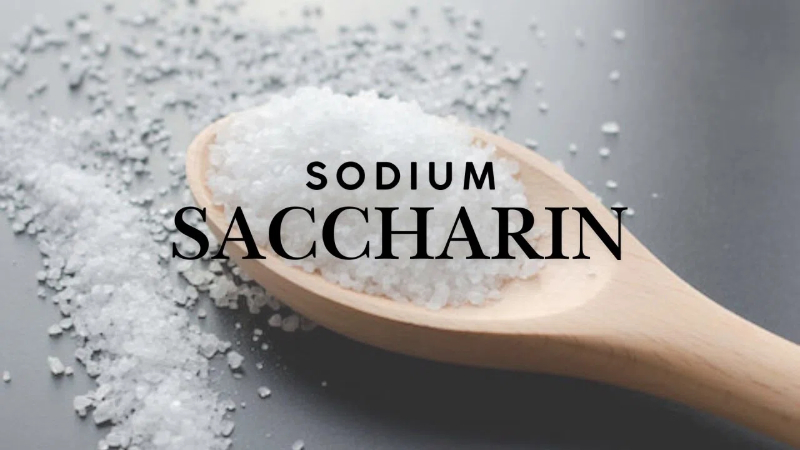
Health Canada and the Canadian Food Inspection Agency (CFIA) jointly shape the framework for the use and labeling of sodium saccharin in foods and beverages. Saccharin and its salts, including sodium saccharin, are explicitly listed among permitted sweeteners, with defined conditions of use for particular product categories.
Key regulatory points affecting Sodium Saccharin Manufacturers and Suppliers include:
- Saccharin and its salts are allowed in specified unstandardized foods (for example, chewing gum, carbonated soft drinks, and certain desserts).
- When used as a food additive, sodium saccharin must appear in the ingredient list on prepackaged foods.
- Products must comply with labeling rules, including nutrition information and acceptable daily intake considerations.
- Importers and domestic manufacturers must ensure that sweetener levels meet the maximum use levels where specified and are technologically justified.
Health Canada previously restricted saccharin because of concerns raised in early toxicological studies, but later evaluations concluded that saccharin is safe within regulated use levels. This brought Canada in line with more than 100 countries and major international scientific bodies that consider saccharin safe when used appropriately. As a result, the modern Canadian regulatory environment is much more open to products containing saccharin and sodium saccharin, provided that manufacturers and Sodium Saccharin Manufacturers and Suppliers meet all applicable standards.
For companies interested in exporting to Canada, understanding the List of Permitted Sweeteners, the Food and Drug Regulations, and CFIA labeling guidance is essential. This includes attention to sweetener declaration rules, potential bilingual labeling requirements (English and French), and correct classification of foods versus natural health products or drugs, depending on the intended use.
Sodium saccharin used in Canada is available in several forms and grades tailored to different industries. Professional Sodium Saccharin Manufacturers and Suppliers typically offer standardized specifications designed to ensure consistent performance in diverse formulations.
Common characteristics offered by Sodium Saccharin Manufacturers and Suppliers include:
- Mesh size: granular (such as 4–10 mesh, 8–12 mesh, or 20/40 mesh), fine powder, and spray‑dried forms to suit different processing and dissolution requirements.
- Purity levels: high-purity food grade for general food and beverage applications, pharmaceutical grade (e.g., USP/BP/EP/Ph. Eur.), and technical grade for certain industrial uses where food-grade status is not required.
- Taste profile: intense sweetening power, often in the range of 300–500 times sweeter than sucrose, with an aftertaste that can be moderated by blending with other sweeteners.
- Solubility and stability: good solubility in water, stability over a wide pH range, and resistance to heat, making it suitable for baking, beverages, and shelf‑stable products.
- Certifications and documentation: Certificates of Analysis (CoA), Safety Data Sheets (SDS), pharmacopeial compliance statements, allergen declarations, and, where appropriate, Kosher and Halal certifications.
Some suppliers market sodium saccharin with a defined mesh size, such as 20/40 mesh, to optimize solubility and dispersibility for food and beverage applications where even distribution is crucial. Others focus on pharmacopeial sodium saccharin suitable for pharmaceutical formulations, oral care, and healthcare‑related products, often labeled as USP, BP, EP, or Ph. Eur. grades to meet regulatory expectations in multiple jurisdictions.
In addition to pure sodium saccharin, many Sodium Saccharin Manufacturers and Suppliers also offer blends that combine sodium saccharin with other high-intensity sweeteners (such as sucralose or acesulfame-K) or with bulk sweeteners like polyols (e.g., sorbitol, xylitol, erythritol). These blends provide tailored sweetness profiles, help reduce aftertaste, and improve mouthfeel in finished products.
The Canadian sodium saccharin supply chain combines domestic distributors, Canadian traders, specialty ingredient firms, and international chemical companies that deliver into Canada. Instead of a single dominant producer, the market relies on a network of Sodium Saccharin Manufacturers and Suppliers that together ensure stable availability, quality, and regulatory alignment.
Below is an overview of notable Sodium Saccharin Manufacturers and Suppliers that either operate in Canada or reliably ship to Canadian customers.
Maiyam Group is positioned as a global dealer in strategic minerals and industrial commodities, including sodium saccharin. The company promotes ethical sourcing and certified quality assurance and works through modern logistics networks to serve industrial and food customers.
For businesses in cities such as Saskatoon and across other Canadian regions, Maiyam Group emphasizes reliable logistics, documentation, and regulatory compliance. This makes it a potential partner for companies seeking Sodium Saccharin Manufacturers and Suppliers who understand both large‑volume industrial trade and the specific expectations of the food and beverage sector.
BMD Materials operates as a B2B trader and supplier that can dispatch sodium saccharin USP bulk shipments through Canadian ports. By using global trade platforms, the company connects with buyers seeking wholesale quantities and offers options for bulk and customized packaging.
Through this model, BMD Materials functions as part of the broader ecosystem of Sodium Saccharin Manufacturers and Suppliers by linking international producers with Canadian manufacturers. This approach is especially attractive to mid‑sized and large firms that need stable, contract‑based supply of USP‑grade sodium saccharin for food, beverage, and healthcare applications.
Silverline Chemicals promotes itself as a respected source for sodium saccharin in multiple pharmacopeial grades (USP/BP/EP/Ph. Eur.) and highlights its presence in the Canadian market. By offering multi‑standard grades, Silverline Chemicals serves food, beverage, and pharmaceutical companies that need compliance across several regions.
This multi‑standard approach is particularly useful for manufacturers in Canada who export to other countries and must satisfy overlapping regulatory regimes. As a result, Silverline Chemicals sits among Sodium Saccharin Manufacturers and Suppliers that focus on global compliance, robust documentation, and consistent specification control.
EZ Elements offers sodium saccharin 20/40 mesh as a high‑purity artificial sweetener designed for formulation flexibility. By specifying the particle size, the company makes it easier for formulators to predict dissolution rate, blending properties, and handling characteristics.
Such specialized products complement the broader network of Sodium Saccharin Manufacturers and Suppliers in Canada. This kind of product is especially relevant to manufacturers that require specific physical properties for mixing with other powdered ingredients or for use in instant beverages, dry mixes, and tablet sweeteners.
A number of global chemical distributors and specialty ingredient companies supply sodium saccharin into Canada. These firms are essential members of the overall group of Sodium Saccharin Manufacturers and Suppliers serving North America.
Representative examples include:
- Wego Chemical Group – an experienced importer and distributor of sodium saccharin and other sweeteners serving industries such as food and beverage, pharmaceuticals, agriculture, and animal nutrition. The company focuses on supply chain reliability and regulatory compliance.
- Suzhou‑Chem – a supplier and distributor of sodium saccharin granular with an established presence in North America that can support customers in the food industry via its logistics and warehousing network.
- Distributors listed in industrial directories – including companies such as PK Chem Industries Ltd., Jedwards International, and Rochem International, which handle sodium saccharin and related high-intensity sweeteners for food, beverage, cosmetic, and personal-care sectors.
Together, these organizations form an extended pool of Sodium Saccharin Manufacturers and Suppliers accessible to Canadian buyers. Many combine global sourcing with local warehousing, technical support, and just‑in‑time deliveries, which is particularly valuable for small and mid‑sized manufacturers that do not wish to import directly.
Selecting the most suitable Sodium Saccharin Manufacturers and Suppliers involves balancing quality, compliance, cost, logistics, and technical capabilities. Because sodium saccharin is used in sensitive applications like foods, beverages, and healthcare products, the choice of supplier has a direct impact on product safety and brand reputation.
Important criteria include:
- Regulatory compliance: The partner should demonstrate clear understanding of Health Canada and CFIA requirements and show that its products fit within the relevant lists of permitted sweeteners and food additive regulations.
- Documentation and transparency: Reputable Sodium Saccharin Manufacturers and Suppliers provide complete CoA documents, SDS, and detailed specifications, and are willing to support audits or quality questionnaires.
- Quality management systems: ISO certifications, HACCP programs, and good manufacturing practice (GMP) approaches help ensure that each batch meets expectations.
- Logistics and lead times: For Canadian customers, the ability to deliver on time, manage customs clearance, and provide stable lead times is critical. Local warehousing or regional stock points can further reduce risk.
- Sector expertise: Suppliers with experience in food and beverage will better understand taste, stability, and processing constraints, while pharma‑oriented suppliers will be more familiar with tableting, capsule filling, and stability testing.
- Technical support: Some Sodium Saccharin Manufacturers and Suppliers can assist with sweetness optimization, sweetener blends, pH and stability challenges, and interactions with flavors, acids, and other ingredients.
For example, a Canadian beverage manufacturer may prioritize food‑grade sodium saccharin with proven stability in acidic, carbonated systems, alongside support for blending with sucralose or stevia. A pharmaceutical tablet producer, in contrast, may focus on pharmacopeial compliance, tight impurity control, and consistent compression behavior for tablet production.
Beyond supplying individual ingredients, some specialists and OEM/ODM partners offer integrated sweetener solutions. These services are especially relevant to companies that want to outsource part of their formulation or manufacturing while still leveraging the capabilities of leading Sodium Saccharin Manufacturers and Suppliers.
Typical services can include:
- Customized sweetener blends: Combining sodium saccharin with other high-intensity sweeteners (such as sucralose, acesulfame-K, or aspartame) and bulk sweeteners (such as erythritol, xylitol, or maltitol) to match specific sweetness curves, onset times, and aftertaste profiles.
- Functional systems: Integrating sodium saccharin with dietary fibers and functional polyols to create reduced‑calorie or sugar‑free systems with added benefits like lower glycemic impact or tooth‑friendliness.
- Tablet and sachet sweeteners: Developing compressed tablets, effervescent tablets, and portion‑controlled sachets for retail or foodservice channels, customized in terms of flavor, sweetness level, and packaging style.
- OEM/ODM manufacturing: Providing turnkey product development and contract manufacturing, from concept to finished product, for brand owners seeking a quick entry into sugar‑free or reduced‑sugar markets.
International factories with strong expertise in natural sweeteners, functional polyols, and dietary fibers can collaborate with Canadian Sodium Saccharin Manufacturers and Suppliers and distributors to ensure that their products meet local compliance and consumer expectations. By combining local regulatory knowledge with global sweetener technology, brands can bring innovative and differentiated products to the Canadian market more quickly.
Formulators who work with sodium saccharin in Canada should consider several practical aspects to get the most from this high-intensity sweetener:
- Sweetness synergy: Sodium saccharin often works best in combination with other sweeteners. Blending it with polyols or intense sweeteners like sucralose or acesulfame-K can smooth out its aftertaste and yield a more sugar‑like sweetness.
- Use levels: Because sodium saccharin is so sweet, usage levels are very low. Precise dosing equipment and good mixing practices are essential for consistent quality.
- Stability: Sodium saccharin is stable over a wide temperature and pH range, making it suitable for baked goods, hot beverages, and acidic soft drinks. Nevertheless, stability should be verified in the specific matrix and processing conditions.
- Sensory testing: Consumer preferences vary, and sensory panels or small‑scale market tests can help refine sweetness level and blend ratios, particularly in new product development.
- Labeling: When formulating products for the Canadian market, ensure that the ingredient list clearly names the sweetener and complies with all relevant labeling rules, including any mandatory statements related to sweeteners.
These practical considerations are closely linked to the expertise of Sodium Saccharin Manufacturers and Suppliers. Suppliers that provide robust technical support and sample assistance can make a significant difference when you are fine‑tuning new sugar‑free or reduced‑sugar products.
The market for sodium saccharin in Canada is shaped by consumer interest in sugar reduction, regulatory flexibility, and competition from other sweeteners. While newer sweeteners like stevia and monk fruit have gained attention as “natural” alternatives, sodium saccharin remains an important tool due to its cost‑effectiveness, high sweetness intensity, and formulation versatility.
Key trends influencing demand for Sodium Saccharin Manufacturers and Suppliers include:
- Growth in sugar‑free and reduced‑sugar categories: Soft drinks, flavored waters, confectionery, and bakery items continue to explore sugar reduction, which supports the use of high-intensity sweeteners like sodium saccharin.
- Combination sweetener systems: Rather than relying on a single sweetener, many brands design multi‑sweetener systems to optimize taste and cost, which keeps sodium saccharin relevant within broader sweetener portfolios.
- Health and wellness positioning: While some consumers remain cautious about artificial sweeteners, others specifically seek zero‑calorie options to manage calorie intake, weight, or blood sugar levels. This dual perception requires careful branding and transparent communication.
- Regulatory stability: With Health Canada recognizing saccharin as safe under specified conditions, Sodium Saccharin Manufacturers and Suppliers can confidently support long‑term contracts and product development efforts.
For manufacturers and brand owners planning to expand in Canada, it is strategic to align with reputable Sodium Saccharin Manufacturers and Suppliers that can navigate these trends while ensuring stability of supply, quality, and compliance.
Canada now offers a clear and relatively flexible regulatory environment that permits the controlled use of sodium saccharin in foods, beverages, tabletop sweeteners, and certain healthcare‑related products. Within this framework, a diverse ecosystem of Sodium Saccharin Manufacturers and Suppliers—ranging from international chemical distributors and Canadian traders to specialized ingredient providers—supports the needs of food, beverage, pharmaceutical, and healthcare manufacturers across the country.
By understanding the regulatory landscape, the available types and grades of sodium saccharin, and the strengths of different Sodium Saccharin Manufacturers and Suppliers, buyers can make informed sourcing decisions. Attention to documentation, quality systems, technical support, and logistics ensures that sodium saccharin can be used safely and effectively in a wide variety of applications, from beverages and chewing gum to tablet sweeteners and oral‑care products.
For international manufacturers that focus on natural sweeteners, functional polyols, and dietary fibers, partnering with established Sodium Saccharin Manufacturers and Suppliers in Canada can unlock additional opportunities. Integrated sweetener systems, contract manufacturing, and OEM/ODM services offer powerful ways to create differentiated, compliant, and consumer‑friendly products tailored to Canadian and global markets.
Health Canada regulates sodium saccharin as part of its List of Permitted Sweeteners, which specifies where saccharin and its salts may be used and under what conditions. Products must comply with the Food and Drug Regulations and applicable CFIA labeling rules, including proper ingredient declaration and adherence to maximum use levels if they are specified for a particular food category.
Sodium saccharin is widely used in Canadian food and beverage products such as soft drinks, powdered beverage mixes, chewing gum, table‑top sweeteners, and certain desserts. It also appears in pharmaceutical formulations, especially oral suspensions and chewable tablets, as well as in oral‑care products like toothpaste and mouthwash, where intense sweetness and low caloric value are desired.
To verify quality, buyers should request a current Certificate of Analysis and Safety Data Sheet from their Sodium Saccharin Manufacturers and Suppliers. It is also important to confirm compliance with relevant pharmacopeial standards when needed, review the supplier's quality management certifications (such as ISO or GMP), and, if possible, conduct or review audits, technical questionnaires, and periodic product testing.
Yes, several Canadian‑based or Canada‑focused trading companies and distributors handle sodium saccharin as part of their sweetener or chemical portfolios. These firms often import sodium saccharin from international producers and then distribute it to local manufacturers, offering benefits such as shorter lead times, local inventory, technical support, and assistance with customs and documentation.
International manufacturers should ensure that their sodium saccharin meets Canadian regulatory and purity expectations and that their documentation aligns with Health Canada and CFIA requirements. It is advisable to work closely with experienced Sodium Saccharin Manufacturers and Suppliers or local distributors who understand import procedures, labeling rules, and the specific use conditions for saccharin in Canada. Aligning specifications, labels, and documentation early in the process can significantly reduce delays and compliance risks.
1. https://www.suzhouchem.com/chemicals/supplier-distributor/sodium-saccharin-granular/128-44-9
2. https://maiyamminerals.com/location/ca/saskatoon/sodium-saccharin-use-saskatoon/
3. https://www.foodserviceandhospitality.com/health-canada-approves-saccharin-sweeteners-canada/
4. https://www.silverlinechemicals.com/sodium-saccharin-usp-bp-ep-pheur-in-canada.html
5. https://www.wegochem.com/supplier-distributor/sodium-saccharin/2731/128-44-9
6. http://inspection.canada.ca/en/food-labels/labelling/industry/sweeteners
7. https://www.thomasnet.com/suppliers/usa/saccharin-97014596
8. https://ezelements.ca/products/sodium-saccharin-20-40-mesh-1
9. https://saccharin.org/releases/health-canada-greenlights-calorie-saccharin-safe-healthy-alternative-sugar-tabletop/
10. https://globaltradeplaza.com/product/sodium-saccharin-usp


