
Views: 222 Author: Sara Publish Time: 2025-12-24 Origin: Site


Content Menu
● Market overview in South Korea
● Key pea protein manufacturers and suppliers
>> Major corporate players and brands
● Protein powder brands using pea protein
● International ingredient suppliers serving South Korea
● Applications and opportunities for foreign buyers
● Why partner with Korean or Asia‑based suppliers?
>> Innovation and formulation expertise
>> Regional logistics and scalability
● How to choose pea protein manufacturers and suppliers
>> Technical and quality criteria
>> Commercial and service considerations
● Collaboration models with pea protein manufacturers and suppliers
>> Long‑term strategic partnerships
>> Co‑development and white‑label solutions
● Risk management and future trends
>> Managing risks in pea protein sourcing
>> Emerging trends shaping the market
● FAQ
>> 1. What is driving demand for pea protein in South Korea?
>> 2. Which sectors use pea protein the most?
>> 3. How should foreign brands evaluate Korean pea protein suppliers?
>> 4. Are there organic and clean‑label pea protein options in South Korea?
>> 5. What is the outlook for pea protein in South Korea over the next decade?
South Korea's pea protein market is growing rapidly, and a number of pea protein manufacturers and suppliers now serve food, beverage, sports nutrition, and healthcare brands across the region. This article introduces key Pea Protein Manufacturers and Suppliers in South Korea, explains market trends, and offers practical guidance for foreign buyers that want to build reliable, value‑added partnerships.[1][2][3]

South Korea's pea protein market is valued in the tens of millions of dollars and is projected to grow at a healthy, often double‑digit, CAGR through 2030–2035, driven by plant‑based, clean‑label and allergen‑free trends. Pea Protein Manufacturers and Suppliers benefit from rising use of pea protein isolates and concentrates in meat alternatives, dairy alternatives, baked goods, and dietary supplements across mainstream and niche channels.[2][3][4][1]
- Consumers are increasingly choosing vegan, vegetarian, and flexitarian diets, supporting long‑term demand for plant‑based proteins and reformulated favorites.[3][1]
- Pea Protein Manufacturers and Suppliers are also supported by government interest in sustainable agriculture, food‑tech innovation, and local plant‑protein value chains.[1]
South Korea's strong K‑food culture, café scene, and convenience‑store network create many touchpoints where pea‑protein‑enriched foods and beverages can reach busy consumers. This dynamic retail and food‑service landscape encourages both local and international Pea Protein Manufacturers and Suppliers to test new concepts and fast‑track successful ones into wider distribution.[2][3][1]
The ecosystem in South Korea combines domestic food groups, nutrition brands, and international ingredient specialists that supply pea protein to manufacturers of all sizes. Below are representative Pea Protein Manufacturers and Suppliers or brands active in the broader protein powder and plant‑protein space that foreign buyers regularly evaluate when entering the Korean or wider Asian market.[5][3][1]
CJ CheilJedang (plant‑protein innovator)
- One of South Korea's largest food companies, CJ CheilJedang has invested heavily in plant‑based products, fermentation technologies, and novel protein ingredients.[3]
- The group cooperates with a wide network of Pea Protein Manufacturers and Suppliers and uses pea protein in meat analogues, ready meals, frozen dishes, and functional foods targeted at both domestic and export markets.[1][3]
Pulmuone (Plant Protein Line)
- Pulmuone is known for tofu, fresh foods, and better‑for‑you products, and it has launched a "Plant Protein Line" featuring plant‑based meat patties and other innovative items that incorporate pea protein alongside soy and other plant proteins.[3]
- The company focuses on health, sustainability, and convenient ready‑to‑cook formats that often rely on reliable Pea Protein Manufacturers and Suppliers for isolates, textured pea protein, and functional blends tailored to Korean tastes.[1][3]
LG Chem and affiliated life‑science units
- LG's life‑science and nutrition‑related operations are active in the broader protein and functional ingredient market, participating in the South Korea pea protein landscape as technology, fermentation, and formulation partners.[3]
- These units typically cooperate with global and regional Pea Protein Manufacturers and Suppliers to secure high‑purity pea protein and adapt it for advanced food, beverage, and healthcare applications.[3]
These large corporations influence specification trends and help set quality benchmarks that smaller Pea Protein Manufacturers and Suppliers aim to meet, especially regarding clean‑label expectations and functional performance. Their involvement gives international buyers confidence that the local ecosystem is sophisticated and capable of meeting demanding global standards.[2][1][3]
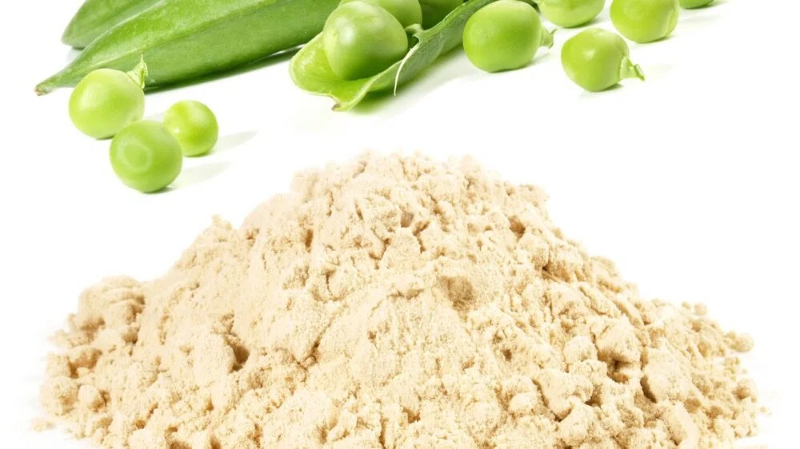
Several South Korean nutrition and food start‑ups use pea protein as a core ingredient for vegan and hybrid products targeted at younger, urban consumers. While not all of them produce raw pea protein themselves, they source from Pea Protein Manufacturers and Suppliers and develop finished formulations adapted to local flavor preferences.[5][1]
Fuel Weekly (Seoul)
- Fuel Weekly offers frozen smoothies and nutrition products where consumers can select "Vegan Pea Protein" as a protein option, appealing to those who want convenient, functional meals with plant‑based protein.[5]
- The brand relies on qualified Pea Protein Manufacturers and Suppliers to ensure neutral taste, good solubility, and consistent protein content for beverage systems that must remain stable in frozen and blended formats.[6][5]
Altist (alternative food products)
- Altist focuses on eco‑friendly alternative foods and baking ingredients aligned with sustainability and health trends that are reshaping the Korean food landscape.[5]
- The company typically cooperates with certified Pea Protein Manufacturers and Suppliers to secure clean‑label, allergen‑friendly ingredients that integrate easily into bakery mixes, snacks, and plant‑forward dishes.[1][5]
These brands illustrate how Pea Protein Manufacturers and Suppliers can capture value not only by selling bulk ingredients but also by co‑creating differentiated products with agile, consumer‑centric partners. For foreign buyers, they serve as case studies for how pea protein can be positioned in K‑lifestyle, convenience, and wellness narratives.[5][1]
Alongside domestic players, international producers supply pea protein isolates, concentrates, and textured pea protein into South Korea as part of global supply chains. These Pea Protein Manufacturers and Suppliers often work through local importers, traders, application labs, or direct contracts with Korean food and beverage brands.[7][8][1][3]
naVitalo (vegan protein specialist)
- naVitalo offers pea protein powder and other vegan proteins to food and life‑science industries worldwide, with distribution options that cover Asia‑Pacific including South Korea.[7]
- As a dedicated pea protein merchant and supplier, it provides technical support, samples, and advice to manufacturers that need to optimize taste, solubility, or nutritional profile in pea‑protein‑based recipes.[6][7]
Global multinationals (e.g., Ingredion, Roquette and others)
- International ingredient groups are identified among the major companies active in the South Korea pea protein space via supply of isolates, concentrates, and textured products used in meat analogues, beverages, and bakery.[1][3]
- They usually act as upstream Pea Protein Manufacturers and Suppliers, while Korean brands and regional partners focus on blending, flavoring, tableting, packaging, and finished‑product OEM/ODM that align with Korean and export market requirements.[3][1]
This mix of local and global Pea Protein Manufacturers and Suppliers supports robust competition, innovation, and security of supply, all of which are key to long‑term category growth. Buyers can choose from commodity‑style offerings or highly customized solutions depending on their brand strategy and target regions.[4][7][1]
For foreign manufacturers in food, beverage, and healthcare, South Korea is both a promising export market and a strategic sourcing hub for advanced formulations using pea protein. Pea Protein Manufacturers and Suppliers in and around South Korea can support everything from bulk ingredients to customized blends, tablets, and private‑label products for global distribution.[2][5][1]
Meat alternatives and ready meals
- Pea protein isolates and textured pea protein deliver bite, juiciness, and high protein in patties, nuggets, dumplings, and convenient ready‑meal components that echo popular Korean dishes.[1][3]
- Pea Protein Manufacturers and Suppliers work closely with Korean brands to fine‑tune texture, oil‑binding, and flavor masking for local taste profiles, including spicy, BBQ, and fermented notes inspired by K‑BBQ and kimchi‑based recipes.[3][1]
Dairy alternatives and beverages
- Pea protein is used in plant‑based milks, barista drinks, yogurt alternatives, smoothies, and high‑protein RTDs that are sold through cafés, convenience stores, online channels, and vending machines.[6][1]
- Solubility, low sedimentation, heat stability, and neutral flavor are critical selection criteria when comparing Pea Protein Manufacturers and Suppliers for beverage projects, especially those going through UHT or retort processes.[7][6]
Sports nutrition, meal replacements, and tablets
- Vegan pea protein powders, RTD shakes, chewable tablets, and capsules appeal to consumers seeking lactose‑free, allergen‑reduced, and environmentally conscious protein options.[5][1]
- OEM/ODM‑focused Pea Protein Manufacturers and Suppliers in the region increasingly offer services such as flavor development, mixed sweetener systems, tableting, encapsulation, and stick‑pack filling tailored to export markets and regulatory needs.
Bakery, snacks, and family nutrition
- Pea protein can be added to breads, cookies, extruded snacks, and children's products to increase protein content while keeping labels simple and plant‑based.[1][3]
- Many Pea Protein Manufacturers and Suppliers now provide application guidelines and ready‑to‑use blends that combine pea protein with fibers and starches to maintain texture and shelf life in baked goods.[7][1]
These diverse applications reduce dependence on a single category and help Pea Protein Manufacturers and Suppliers manage risk, while giving foreign brands many entry points into the Korean market. At the same time, consumers benefit from more choice in how, when, and where they consume plant‑based protein.[2][3][1]
Korean and Asia‑Pacific Pea Protein Manufacturers and Suppliers are deeply familiar with K‑food, functional beverages, and health supplements, which helps international brands localize flavors, textures, and formats quickly. Many suppliers can integrate pea protein with natural sweeteners, functional polyols, probiotics, and dietary fibers to create complete, market‑ready solutions for sugar reduction, weight management, and gut health.[3][1]
Collaboration often extends beyond simple raw‑material supply into joint R&D projects, co‑branded launches, and long‑term innovation roadmaps. This approach allows Pea Protein Manufacturers and Suppliers to move up the value chain while giving foreign partners faster access to trending concepts and technical know‑how.[5][1][3]
South Korea's ports, cold‑chain infrastructure, and trade links with China, Japan, the United States, and Southeast Asia support efficient distribution of pea‑protein‑based products. This infrastructure is particularly valuable for companies that want to centralize production of certain SKUs in Asia before shipping globally.[4][1]
Working with established Pea Protein Manufacturers and Suppliers in the region allows foreign brands to scale quickly, manage inventory more efficiently, and respond to Asian consumer trends such as K‑beauty‑inspired nutrition and K‑culture‑driven flavor innovation. Proximity to other major plant‑protein markets also makes it easier to diversify sourcing and mitigate risk from crop or logistics disruptions.[4][2][1]
Selecting the right Pea Protein Manufacturers and Suppliers is critical for product quality, regulatory compliance, and long‑term business success. The following criteria help foreign buyers evaluate Korean and international partners more systematically and reduce the risk of costly reformulations later.[7][1][3]
Protein specifications and functionality
- Confirm protein content (for example, around 80–90% for isolates and lower for concentrates), digestibility, PDCAAS or DIAAS data, emulsification properties, and dispersibility in your target matrix.[6][7]
- Request detailed technical data sheets, certificates of analysis, and multiple samples from several Pea Protein Manufacturers and Suppliers to benchmark solubility, viscosity, foaming, and sensory performance under real processing conditions.
Certifications and safety standards
- Look for FSSC 22000, ISO, HACCP, Kosher, Halal, non‑GMO, and organic certifications aligned with your target markets and brand promises.[7][1]
- Reputable Pea Protein Manufacturers and Suppliers operate under strict quality systems, provide full traceability back to raw materials, share allergen‑control procedures, and support third‑party or customer audits when needed.[1][3]
Consistency and supply security
- Evaluate suppliers' historical performance regarding batch‑to‑batch consistency and on‑time delivery, especially if your formulations are sensitive to small variations.[4][1]
- Many leading Pea Protein Manufacturers and Suppliers now use long‑term contracts, diversified pea sourcing regions, and safety‑stock strategies to provide greater supply security to key accounts.[2][1]
Use the table below as a checklist when shortlisting Pea Protein Manufacturers and Suppliers for South Korea‑focused projects or broader Asia‑Pacific expansion.
| Evaluation factor | Why it matters for pea protein | What to ask suppliers |
|---|---|---|
| Minimum order quantity (MOQ) | Impacts launch size, working capital needs, and the ability to test new SKUs flexibly. | Typical MOQ for isolates, concentrates, textured pea protein, and blends from Pea Protein Manufacturers and Suppliers. |
| Lead time and logistics | Affects responsiveness to seasonal peaks, promotions, and e‑commerce campaigns. | Standard lead times, Incoterms, available shipping routes, local warehousing, and emergency replenishment options. |
| OEM/ODM capability | Critical if you need finished tablets, blends, RTDs, or private‑label products rather than only raw materials. | Whether the Pea Protein Manufacturers and Suppliers offer formulation, flavor development, tableting, encapsulation, and packaging in‑house. |
| R&D and customization | Helps differentiate products in crowded markets and adapt to regulatory changes. | Ability to adjust particle size, sweetness system, color, fiber addition, and flavor masking to meet project‑specific goals. |
| Regulatory support | Ensures compliance with Korean rules and destination‑market requirements for exports. | Experience with export documentation, nutritional labelling, health‑claim evaluations, and ingredient registration. |
| Sustainability profile | Important for ESG‑driven retailers, investors, and end consumers. | Life‑cycle data, sourcing policies, carbon‑footprint information, and participation in sustainability certifications or initiatives. |
A structured evaluation approach makes it easier to compare Pea Protein Manufacturers and Suppliers objectively, especially when several candidates appear similar on paper. It also encourages suppliers to be transparent and proactive about sharing data and improvement plans.[7][3][1]
Beyond one‑off purchases, foreign brands can explore different collaboration models with Korean and international Pea Protein Manufacturers and Suppliers to strengthen competitiveness. These models help align incentives, share risks, and accelerate time to market.[5][1]
In a strategic partnership, a brand commits to multi‑year volume or joint innovation projects with selected Pea Protein Manufacturers and Suppliers. In return, suppliers may offer better pricing, priority allocation during tight supply periods, and access to new ingredient grades before they are widely commercialized.[4][3][1]
Such partnerships often include joint planning meetings, shared demand forecasts, and co‑investment in pilot lines or application labs. This high level of integration is particularly valuable for complex projects, such as high‑protein RTDs, nutraceutical tablets, or fortified products for specialized populations.[3][1]
Many Pea Protein Manufacturers and Suppliers now offer co‑development or white‑label programs where they create turnkey formulations and finished products that foreign brands can sell under their own labels. Examples include pea‑protein‑based shakes, bars, functional powders, and ready‑to‑drink beverages tailored to specific regulatory or cultural contexts.[5][1]
These programs reduce development time and upfront R&D investments, making it easier for brands to enter the plant‑protein segment or test new concepts with e‑commerce and direct‑to‑consumer channels. They also encourage deeper knowledge sharing between Pea Protein Manufacturers and Suppliers and brand owners, leading to more robust, scalable formulas.[2][1]
Despite strong growth, pea protein supply chains can face risks such as crop variability, logistics disruptions, and regulatory shifts in key markets. Working with multiple Pea Protein Manufacturers and Suppliers in different regions, or with suppliers that themselves diversify sourcing, can significantly reduce these risks.[4][1]
Contracts that include clear quality metrics, contingency plans, and communication protocols during disruptions further protect both parties. Foreign buyers should also maintain open dialogue with their Pea Protein Manufacturers and Suppliers about evolving requirements so that formulation or sourcing adjustments can be made proactively.[1][3]
Several trends will likely shape how Pea Protein Manufacturers and Suppliers operate in South Korea over the next decade.[2][1]
- Expansion into hybrid proteins that combine pea with other plant or fermentation‑based proteins to improve amino‑acid profiles and sensory attributes.[3][1]
- Greater focus on sustainability metrics, including water use, carbon footprint, and regenerative agriculture practices in pea cultivation.[4][1]
- Growing interest in personalized nutrition and life‑stage‑specific products, prompting Pea Protein Manufacturers and Suppliers to develop more targeted formulations for children, seniors, and active consumers.[2][1]
These developments create new opportunities for differentiation, but they also raise expectations regarding transparency and technical sophistication. Companies that choose forward‑looking Pea Protein Manufacturers and Suppliers will be better positioned to keep up with these shifts.[1][3]
South Korea has become an attractive and strategically important market for pea protein, with strong growth in plant‑based foods, beverages, and health supplements supported by both domestic and international Pea Protein Manufacturers and Suppliers. For foreign brands, collaborating with experienced partners that understand pea protein functionality, clean‑label expectations, regulatory requirements, and OEM/ODM needs can unlock high‑value opportunities across Asia while ensuring stable quality, sustainable sourcing, and robust innovation pipelines.[7][2][5][3][1]
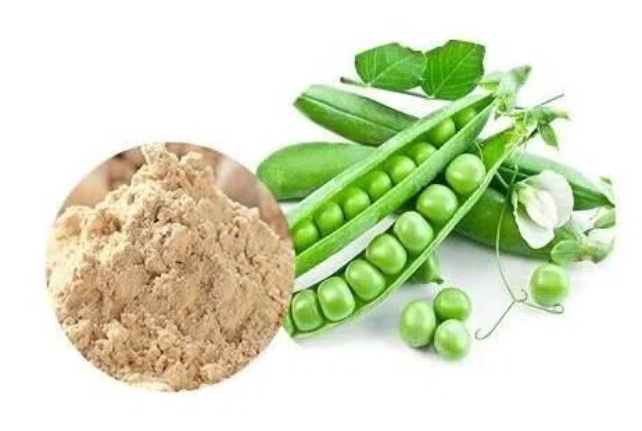
Rising health awareness, interest in plant‑based diets, and demand for allergen‑free, lactose‑free, and sustainable protein sources are the main growth drivers in South Korea's pea protein market. Pea Protein Manufacturers and Suppliers benefit as consumers shift from animal protein toward meat alternatives, dairy alternatives, and high‑protein functional foods that fit busy, urban lifestyles.[2][3][1]
The largest users of pea protein in South Korea are meat‑alternative brands, beverage and dairy‑alternative companies, sports nutrition producers, and dietary supplement manufacturers. Many Pea Protein Manufacturers and Suppliers also serve bakery, snack, and family‑nutrition producers that are looking to increase protein content while keeping ingredient lists simple and plant‑based.[3][1]
Foreign buyers should review technical specs, quality documentation, certifications, R&D capabilities, OEM/ODM services, and export experience when assessing Korean Pea Protein Manufacturers and Suppliers. Requesting pilot batches, conducting stability tests, and running sensory panels in target markets is recommended before signing long‑term contracts or launching large‑scale marketing campaigns.[7][1][3]
Yes, the South Korean market shows increasing demand for organic, non‑GMO, and clean‑label pea protein, and many Pea Protein Manufacturers and Suppliers now offer organic certified isolates and concentrates. These options are particularly attractive for premium beverages, dietary supplements, plant‑based baby and family products, and retailers with strict ingredient policies.[4][2][1]
Analysts expect the South Korea pea protein market to maintain strong growth, reaching several times its current size by 2030–2035 as plant‑based eating continues to mainstream and new applications emerge. As more brands launch plant‑based meats, functional drinks, and health‑focused snacks, Pea Protein Manufacturers and Suppliers with strong innovation pipelines, sustainability credentials, and OEM/ODM capabilities will be best positioned to capture this growth.[4][2][1][3]
[1](https://www.futuremarketinsights.com/reports/trends-growth-and-opportunity-analysis-of-pea-protein-in-south-korea)
[2](https://www.expertmarketresearch.com/reports/south-korea-pea-protein-market)
[3](https://www.credenceresearch.com/report/south-korea-pea-proteins-market)
[4](https://www.grandviewresearch.com/horizon/outlook/pea-protein-market/south-korea)
[5](https://ensun.io/search/protein-powder/south-korea)
[6](https://www.kws.com/corp/en/business-areas/solutions/food-ingredients/pea-protein.html)
[7](https://www.navitalo.com/products/vegan-proteins-tvp/pea-protein/)
[8](https://www.volza.com/p/organic-pea-protein/manufacturers/manufacturers-in-south-korea/)


