
Views: 222 Author: Sara Publish Time: 2025-11-16 Origin: Site


Content Menu
● Poland in the Monk Fruit Ecosystem
● Key Product Forms and Technical Attributes
● Formulation Guidance for Poland-based Partnerships
● Regulatory Landscape and Compliance in Europe
● Collaboration Models for Overseas Manufacturers
● Quality, Sustainability, and Risk Management
● Market Opportunities and Trends in Poland
● FAQ
>> 1. What is monk fruit extract and why is it used in Poland?
>> 2. How should I choose between pure monk fruit extract and blended sweeteners?
>> 3. What regulatory steps are required to import monk fruit ingredients into the EU?
>> 4. What testing is recommended during pilot trials?
>> 5. How can an overseas manufacturer initiate a collaboration with a Polish monk fruit supplier?
Monk fruit extract, derived from Luo Han Guo, is prized for its extremely high sweetness potency combined with zero caloric contribution. In recent years, European demand for clean-label sweeteners has accelerated, prompting more manufacturers to source monk fruit ingredients through Poland-based suppliers who offer compliant formulations, transparent supply chains, and scalable OEM/ODM services. As a China-based factory specializing in natural sweeteners, functional polyols, and dietary fibers, we equip foreign manufacturers with blended-sweetener development, tablet production, and comprehensive OEM/ODM capabilities. This article provides a comprehensive overview of Monk Fruit Extract Manufacturers and Suppliers in Poland, with practical guidance for sourcing, formulation considerations, regulatory alignment, and collaboration models that can help international brands achieve reliable supply and consistent product quality.

Poland has emerged as a strategic gateway to the European Union for monk fruit ingredients due to proximately located logistics, EU-compliant quality standards, and robust quality-assurance ecosystems. Polish suppliers often bridge Chinese cultivation and processing capabilities with European distribution networks, offering both standardized extracts and customized blends tailored for beverage, bakery, dairy, and nutraceutical applications. This positioning supports faster time-to-market for overseas brands seeking European market access.
- Mogroside-rich extract powders: High-purity, standardized mogroside content, available in various purity grades suitable for beverages and solid formulations.
- Liquid extracts and emulsions: Convenient for direct dosing in drinks or food fillings, with stable viscosity profiles.
- Blended sweeteners: Mixtures combining monk fruit with erythritol or other polyols to optimize sweetness intensity, mouthfeel, and aftertaste.
- Private-label and OEM-ready formats: Packaging sizes and certifications designed to facilitate rapid market entry for international brands.
- Sweetness calibration: Monk fruit delivers intense sweetness; blends with polyols help achieve sugar-like mouthfeel and reduce aftertaste intensity.
- Thermal stability: Monk fruit sweetness remains stable under standard beverage and bakery processing conditions, but formulation-specific testing is advised for high-heat or long-shelf-life products.
- Flavor compatibility: Monk fruit can interact with other flavor components; pilot tastings help optimize flavor release and overall sensory experience.
- Label claims and claims substantiation: Clean-label positioning is enhanced by clear origin statements (e.g., "natural monk fruit extract from Luo Han Guo") and adherence to local labeling regulations.
- Regulatory alignment: Ensure the product form and end-use category align with EU food ingredient approvals and labeling requirements; maintain documentation for traceability and audit readiness.
- EU approvals: Monk fruit ingredients enter the European market mainly through recognized safety assessments and compliant product dossiers. Manufacturers should maintain robust technical files, including substantiation of mogroside content, stability data, and purity profiles.
- Labeling and traceability: EU labeling standards require clear declaration of ingredients, possible allergen information, and accurate representation of product category (e.g., "natural sweetener" or "monk fruit extract").
- Quality certifications: GMP, HACCP, ISO certifications, and supplier attestations bolster confidence for importers and formulators in Poland and across the EU.
- Responsibility in sourcing: Ethical and sustainable sourcing practices are increasingly valued by European customers, making supplier transparency a competitive differentiator.
- Private-label manufacturing: Partner with Polish suppliers to launch private-label monk fruit-based blends or extracts, with customized mogroside content and packaging.
- OEM/ODM product development: Co-develop tailored sweetener solutions for beverages, baked goods, and functional foods, including scale-up support and process optimization.
- Co-optimization of supply chain: Leverage dual-sourcing, pilot-testing, and batch-traceable documentation to minimize risk and shorten lead times.
- Regulatory and technical support: Access to regulatory dossiers, allergen declarations, and lab testing results to streamline EU import processes.
- Quality control: Regular batch testing for mogroside content, impurities, and microbiological criteria; maintain certificates of analysis (COAs) for each lot.
- Supply security: Establish long-term supplier agreements, on-site audits, and alternate sourcing plans to mitigate harvest variability in harvest seasons.
- Sustainability: Emphasize responsible farming practices and transparent supply chains to satisfy European customers' sustainability expectations.
- Risk management: Proactively manage formulation risks by conducting hurdle testing, shelf-life studies, and compatibility assessments with end products.
- Growing demand for clean-label sweeteners in beverages and baked goods among European consumers.
- Increasing interest in blended sweeteners to mimic sucrose mouthfeel without added sugars.
- Strategic emphasis on regulatory compliance and safety documentation as a differentiator.
- Expansion of OEM/ODM collaborations that enable faster market entry for global brands seeking European footprints.
- Supplier evaluation checklist: Mogroside content ranges, impurity profile, packaging options, lead times, and MOQs.
- Documentation requirements: GMP/ISO certifications, COAs, regulatory dossiers, allergen declarations, and labeling templates.
- Pilot-scale testing: Execute small-batch trials to assess sweetness, texture, and stability in targeted formulations.
- Logistics considerations: Align with EU import requirements, warehousing, and distribution networks within Poland and neighboring regions.
- Beverage formulation: A European RTD brand integrates a monk fruit–based blend to achieve sugar reduction while preserving mouthfeel and flavor balance.
- Bakery sweetener: A plant-based bakery uses a mogroside-rich extract blended with erythritol to achieve desirable sweetness without crystallization issues.
- Nutraceutical application: A dietary supplement company incorporates monk fruit extract into chewable tablets with regulatory-ready documentation and stable sweetness.
Poland-based Monk Fruit Extract Manufacturers and Suppliers form a vital link in the European supply chain, enabling international brands to access EU-compliant, scalable, and customized sweetener solutions. Through careful supplier selection, rigorous technical evaluation, and collaborative product development, overseas manufacturers can achieve reliable supply, regulatory compliance, and successful market adoption of monk fruit-based products in beverages, foods, and health-related applications.
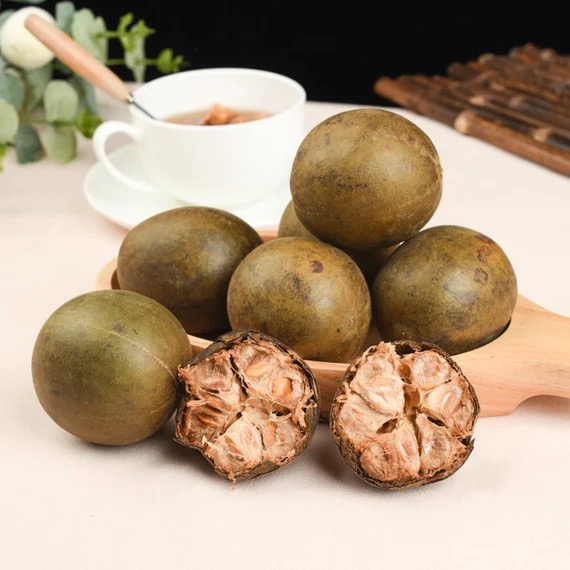
Monk fruit extract is a natural, zero-calorie sweetener derived from Luo Han Guo with exceptionally high sweetness potency; Poland-based suppliers provide EU-ready forms and regulatory documentation to support importers and formulators.
Pure mogroside-rich extract offers intense sweetness but may require formulation adjustments for mouthfeel; blended sweeteners combine monk fruit with polyols like erythritol to better mimic sugar's profile and reduce aftertaste.
Prepare technical dossiers, verify GMP certification, ensure accurate labeling, and provide allergen declarations; work with suppliers who furnish EU-compliant documentation and traceability.
Conduct sensory evaluation for sweetness and aftertaste, stability testing under intended processing conditions, and compatibility checks with the final product matrix.
Begin with a technical inquiry, request product specifications and certifications, discuss private-label or OEM/ODM options, and plan pilot-scale trials with clear milestones.
[1](https://layncorp.com/monk-fruit/)
[2](https://www.linkedin.com/pulse/in-depth-analysis-monk-fruit-extract-industry-chain-nutramax--igghc)
[3](https://www.mordorintelligence.com/industry-reports/monk-fruit-sweetener-market)
[4](https://www.futuremarketinsights.com/reports/monk-fruit-ingredient-market)
[5](https://pmc.ncbi.nlm.nih.gov/articles/PMC12386098/)
[6](https://www.grandviewresearch.com/industry-analysis/monk-fruit-sweetener-market-report)
[7](https://market.us/report/monk-fruit-sweetener-market/)
[8](https://www.marketresearch.com/APO-Research-Inc-v4273/Monk-Fruit-Powder-Research-42798808/)
[9](https://marketintelo.com/report/monk-fruit-extract-market)
[10](https://www.6wresearch.com/industry-report/poland-monk-fruit-sugar-market)


