
Views: 222 Author: Sara Publish Time: 2025-11-14 Origin: Site


Content Menu
● Europe and Italy: Market Context
● Key Players and Capabilities
● Formulations and Applications
● Sourcing Considerations for Foreign Manufacturers
● Your Factory's Value Proposition
● Blended-Sweetener Development and OEM/ODM Use Cases
● FAQ
>> 1. What is Monk Fruit Extract and what makes it different from sugar?
>> 2. What are common forms of Monk Fruit Extract used in industry?
>> 3. How do European regulations affect Monk Fruit ingredients?
>> 4. How can a blended-sweetener strategy benefit beverage applications?
>> 5. What should foreign manufacturers look for when selecting a Monk Fruit supplier?
Monk fruit (Luo Han Guo) has emerged as a leading natural sweetener in global markets, particularly among health-conscious manufacturers seeking zero- or low-calorie solutions. This article examines the landscape of Monk Fruit Extract Manufacturers and Suppliers with a focus on Italy and Europe, while also highlighting how a Chinese-based factory specializing in natural sweeteners, functional polyols, and dietary fibers can support overseas manufacturers through blended-sweetener development, tablet production, and OEM/ODM services. The discussion covers material science, application spaces, quality controls, regulatory considerations, and practical sourcing guidance for foreign brands seeking reliable Monk Fruit ingredients.
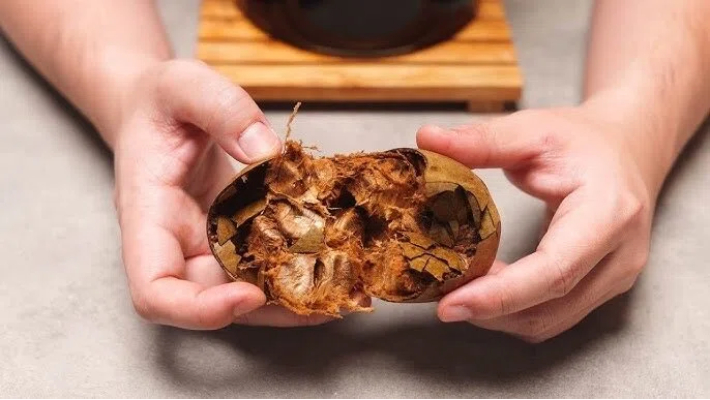
- Definition and composition: Monk fruit extract is derived from Siraitia grosvenorii and is rich in mogrosides, especially mogroside V, which give intense sweetness without significant calories.[2][4]
- Sweetness profile and usage: Mogrosides provide high-intensity sweetness with a clean mouthfeel, suitable for beverages, baked goods, dairy alternatives, snacks, and dietary supplements, often formulated as powders, liquids, or blends with other sweeteners.[4][2]
- Regulatory landscape: Global regulatory status varies; many jurisdictions recognize Monk Fruit extracts as food ingredients, with approvals often tied to mogroside content and purification steps. Documentation on safety assessments and permissible uses is increasingly accessible through EFSA and related bodies as research progresses.[1][8]
- Market drivers: Clean-label trends, demand for natural sweeteners, and dairy/plant-based product growth have increased interest in Monk Fruit extracts across Europe, including Italy.[11][4]
- Regulatory considerations: Regulatory acceptance differs by country; while some markets permit Monk Fruit ingredients with appropriate purity standards, others have more cautious stances, emphasizing standardized mogroside content and quality assurances.[8][9]
- Distribution channels: Italian and European distributors frequently offer Monk Fruit extracts in multiple forms (powder, liquid concentrates, blends) and provide technical support for formulation, labeling, and certification needs.[2][11]
- Global leaders and notable suppliers: Several manufacturers offer Mogroside-rich extracts, often with 25–50% mogroside V in standard grades, and higher-purity options up to 90% mogroside V for specialty applications.[7][2]
- Italy-focused or Europe-wide suppliers: The European market features distributors and manufacturers that supply to food, beverage, and nutraceutical producers, sometimes offering private-label and OEM/ODM services to abroad clients.[12][11]
Strengths to look for when choosing a supplier:
- Mogroside V purity and batch-to-batch consistency
- Product forms (powder, liquid, spray-dried granules) and suitability for target applications
- Certification portfolios (GMP, ISO, HACCP), and quality-management systems
- Transparent extraction methods and traceability from farm to bottle
- Availability of blends with other sweeteners to tailor flavor profiles
- Powdered extracts: Most common form for bakery, dairy, and ice cream applications; compatible with standard processing equipment and easy to weigh/place in blends.
- Liquid concentrates: Preferred for beverage formulations to maintain solubility and flavor clarity; useful in ready-to-drink products and flavor systems.
- Granulated and blend products: For tabletop sweeteners or easy-dosing applications; blends with sugar, stevia, or erythritol can balance sweetness and mouthfeel.
- API-grade vs. food-grade: Depending on use-case, suppliers offer different purity levels; higher mogroside content is often associated with cleaner sweetness and reduced off-notes.[3][2]
- Specialty suites: Some manufacturers offer formulated blends tailored for fat-reduced products, dairy alternatives, or fermentation-friendly matrices, enabling smoother integration into complex formulations.
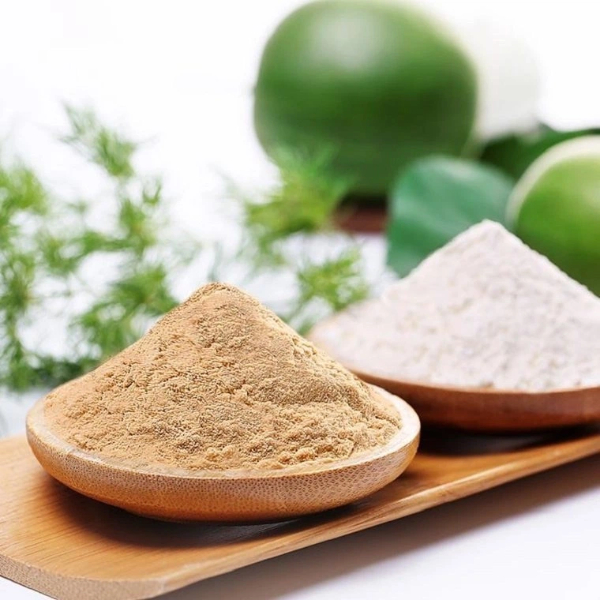
- Purity standards: Mogroside V concentration is a common quality indicator; standard extracts may range 25–50% mogroside V, with higher-purity options for specialized products.[2]
- Purification methods: Resin adsorption and other purification steps are employed to enrich mogroside content and remove unwanted sugars or impurities, enhancing stability and sweetness potency.[1]
- Certifications: GMP, ISO, HACCP, and potentially organic or Kosher/Halal certifications, depending on the supplier and target market; documentation supports regulatory compliance and consumer trust.
- QC practices: In-process aroma and taste checks, moisture analysis, microbial testing, and sensory panels are used to ensure consistency across batches.
- Private-label and OEM/ODM options: Many European suppliers support private-label programs and OEM/ODM arrangements, offering formulation assistance, packaging customization, and regulatory documentation.
- Blended-sweetener development: For customers seeking tailored taste profiles, blending Monk Fruit extract with polyols (e.g., erythritol, xylitol) or other natural sweeteners can optimize sweetness intensity, mouthfeel, and aftertaste.
- Supply-chain stability: Evaluate lead times, minimum order quantities, and regional logistics to ensure reliable production schedules and inventory management.
- Regulatory readiness: Confirm labeling requirements, allergen declarations, and any jurisdiction-specific approvals to avoid market-entry hurdles.
- Core strengths: As a China-based factory, you specialize in natural sweeteners, functional polyols, and dietary fiber, with capabilities in blended-sweetener development, tablet production, and OEM/ODM services for overseas manufacturers. This positions you well to support international clients seeking customized sweetener systems that combine Monk Fruit extract with complementary ingredients for tailored applications.
- Collaborative model: Offer end-to-end support from formulation and blending to manufacturing and packaging, including private-label branding options and scalable production capacity.
- Quality and traceability: Propose robust quality-control programs, supplier audits, and transparent material specifications to reassure European partners about consistency and safety.
- Beverage formulations: Create zero-calorie or low-calorie drinks with clean label appeal by blending Monk Fruit extract with erythritol or other polyols to balance sweetness and mouthfeel.
- Baked goods: Develop sugar-replacement systems that maintain texture and browning characteristics without compromising taste.
- Dairy alternatives: Design sweetness strategies for almond, oat, or dairy-based beverages and yogurts, ensuring flavor harmony and stability.
- Pharmaceuticals and dietary supplements: Produce tablet-ready blends where Monk Fruit extract contributes sweetness without adding sugar content, compatible with excipients and coatings.
- Private-label solutions: Deliver ready-to-market sweetener systems for overseas manufacturers seeking branding, regulatory compliance, and packaged formats aligned with local requirements.
Monk Fruit extract stands as a premier natural sweetener choice for health-focused products, with flexibility across powder, liquid, and blend formats suitable for diverse markets. Europe and Italy present compelling opportunities for suppliers and manufacturers seeking clean-label ingredients and reliable performance. For overseas producers, a Chinese-based partner with deep expertise in natural sweeteners, functional polyols, and dietary fibers—plus capabilities in blended-sweetener development, tablet production, and OEM/ODM—offers a robust pathway from formulation to final product. By prioritizing mogroside purity, rigorous quality assurance, and transparent regulatory documentation, the supply chain can deliver consistent sweetness without compromising taste or nutrition.
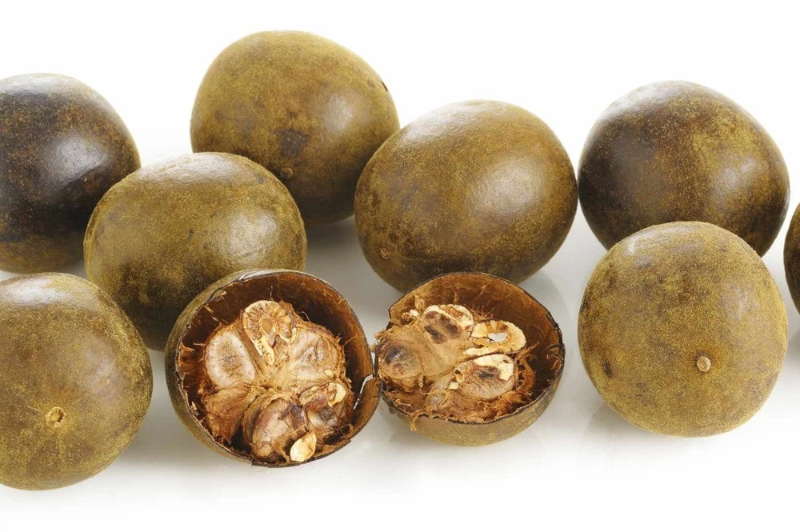
Monk Fruit Extract is derived from the monk fruit and is rich in mogrosides, especially mogroside V, delivering intense sweetness with minimal calories and little to no effect on blood glucose compared with sucrose. Its natural origin and low caloric contribution make it attractive for clean-label products.[8][2]
The most common forms are powder, liquid concentrates, and granulated blends. Powders are widely used in bakery and solid foods, while liquids suit beverages; blends with erythritol or other polyols are used to balance taste and texture. Purity levels vary, with mogroside content ranging from 25–90% depending on the product grade.[7][2]
Regulatory acceptance in Europe varies by country; some markets approve standardized mogroside-rich extracts, while others require detailed safety and labeling information. It is essential to verify local approvals, labeling rules, and certifications such as GMP and HACCP for market entry.[9][8]
Blending Monk Fruit extract with polyols like erythritol can improve mouthfeel, reduce aftertaste, and tailor sweetness to specific products, enabling lower overall sugar content and better labeling terms. Custom blends are a common approach in OEM/ODM setups.[7][2]
Key factors include mogroside V content and consistency, available product forms, certifications (GMP, ISO), traceability, support for OEM/ODM, and reliable supply-chain logistics. Transparent technical documentation and testing data help ensure regulatory compliance and product performance.[8][2][7]
[1](https://monkvee.com/blogs/monkvee-news/the-ultimate-guide-to-monk-fruit-processing)
[2](https://www.linkedin.com/pulse/in-depth-analysis-monk-fruit-extract-industry-chain-nutramax--igghc)
[3](https://monkfruitcorp.com/all-natural-process/)
[4](https://www.gulfoodmanufacturing.com/exhibitor-products/monk-fruit-extract-1)
[5](https://efsa.onlinelibrary.wiley.com/doi/10.2903/j.efsa.2019.5921)
[6](https://www.reddit.com/r/keto/comments/opk3lq/monkfruit_banned_in_europe_i_asked_the_eu_here_is/)
[7](https://kgfoodco.com/blogs/news/monk-fruit)
[8](https://pmc.ncbi.nlm.nih.gov/articles/PMC12386098/)
[9](https://www.tianjiachem.com/news/everything-you-need-to-know-about-monk-fruit-sweetener/)
[10](https://faisfor.com/monk-fruit-extract/)
[11](https://novasolingredients.com/supplier-of-monk-fruit/)
[12](https://it.steviadomain.com/italy/monk-fruit-luo-han-guo)


