
Views: 222 Author: Sara Publish Time: 2025-10-31 Origin: Site


Content Menu
● Market landscape and regulatory backbone
● Quality frameworks and certifications
● Overview of key players and positioning in France
>> - Cyranie and Sebacom (France/Europe)
>> - Shandong Bailong Chuangyuan (international reach)
>> - Cyranie and Sebacom ancillary roles
>> - Additional European players with relevance to the French market
● Blended sweeteners and OEM/ODM services
● Quality and regulatory landscape in France and the EU
● Logistics, supply chain, and scalability considerations
● Case study-inspired partner opportunities (illustrative)
● Profiles of capabilities and collaboration pathways
● Quality assurance practices and customer collaboration
● The strategic edge for overseas manufacturers
● A concise synthesis of advantages and what to assess when choosing a partner
● FAQ
>> 1. What is maltitol and why is it used in food and pharma products?
>> 2. What grades of maltitol are typically supplied by French manufacturers?
>> 3. How can overseas manufacturers engage with French maltitol suppliers for OEM/ODM?
>> 4. What factors influence lead times and packaging for maltitol orders?
>> 5. What quality assurances should overseas buyers seek when sourcing maltitol from France?
Maltitol stands as a premier sugar alcohol widely adopted in low-sugar and sugar-free foods, pharmaceutical formulations, and health-oriented products. In France and throughout Europe, leading maltitol manufacturers and distributors offer robust quality systems, regulatory compliance, and deep formulation expertise. For overseas manufacturers seeking reliable supply chains, blending capabilities, and OEM/ODM services, French and European maltitol players present a compelling combination of technical support, flexible packaging, and stable sourcing. This article surveys the foremost Maltitol Manufacturers and Suppliers in France, highlighting their strengths, typical applications, and collaboration options for international clients.
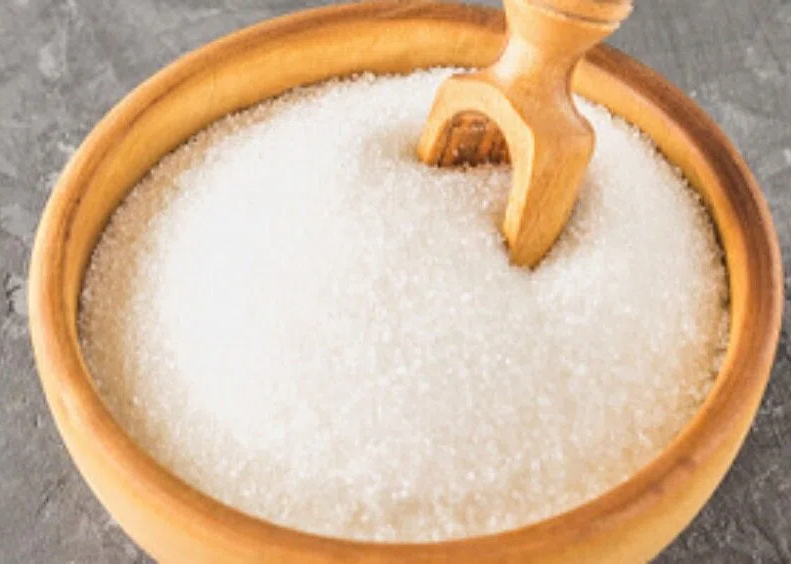
The European maltitol market features a diverse mix of producers and distributors offering maltitol in various grades—food-grade, pharmaceutical-grade, and industrial-grade—alongside related polyols used to create blended sweeteners. Demand is driven by confectionery, bakery, dairy, and beverage sectors, as well as pharmaceutical excipients and dental care products. European buyers place a premium on supply security, regulatory compliance, and technical collaboration to optimize formulations. France hosts several high-profile players known for integrated supply chains, R&D support, and robust quality assurance programs.
- Food-grade maltitol must meet stringent purity and safety standards suitable for foods and beverages, while pharmaceutical-grade maltitol demands tighter specification control and validation for excipient use.
- French and European suppliers typically align with GMP, ISO, and global pharmacopeia standards to support international customers.
- Documentation such as batch records, impurity profiles, and stability data are central to supplier qualification processes, especially for OEM/ODM collaborations requiring reproducible formulations across large production runs.
- Visual cues for this section include certificates, QA checklists, and compliance badges to illustrate commitment to quality and traceability.
Capabilities and specializations: Roquette is a leading producer of maltitol and related polyols with deep expertise in excipients, nutraceuticals, and specialty ingredients. Its maltitol solutions span pharmaceutical-grade excipients and maltitol liquids (LYCASIN®) designed for use as vehicles, humectants, and texturizers in syrups, suspensions, lozenges, and medicated confectionery.
Competitive strengths: Integrated supply chains, strong regulatory compliance, global service network, and R&D collaboration for nutraceuticals and pharmaceutical applications. Their capability to provide tailored blends and formulation support makes them a preferred partner for overseas manufacturers seeking reliable supply and technical guidance.
Collaboration opportunities: Custom formulation support, toll manufacturing options for blended sweeteners, and tablet-ready excipients.
Visual prompts for integration: A company capability snapshot showing excipient portfolio, a maltitol liquid product sample, and a short manufacturing-process video outline (embedded media cues in layout).
Capabilities and specializations: Cargill maintains a broad polyol portfolio including maltitol, with a focus on quality management, global logistics, and technical support for product development. While site-specific details vary, its European operations offer a robust channel for procurement, custom blends, and confidential formulation assistance for multinational teams.
Competitive strengths: Global footprint, extensive regulatory experience, and strong customer support systems that help overseas manufacturers navigate labeling, allergen controls, and compliance in different markets.
Collaboration opportunities: Customized polyol blends, formulation guidance, and supply chain solutions for large-scale manufacturing.
Visual prompts for integration: A regional distribution map and a product-range banner illustrating maltitol-containing excipients.
Capabilities and specializations: Cyranie and Sebacom operate within the European maltitol ecosystem, offering maltitol products and related sweeteners suitable for confectionery, bakery, and dental care formulations.
Competitive strengths: Flexible product lines, regional distribution, and collaboration potential with European suppliers to support blended-sweetener development for overseas manufacturers.
Collaboration opportunities: Product sampling, co-development of sweetener blends, and joint sourcing programs.
Visual prompts for integration: Packaging variety images and product photography showing packaging scales from smaller sachets to bulk containers.
Note: While headquartered in China, Shandong Bailong Chuangyuan contributes to the global maltitol supply network with production and distribution capacity that supports international customers. In the French and European context, such international suppliers provide competitive pricing and scalable supply, complementing European producers for global contract manufacturers.
Collaboration opportunities: Global logistics coordination, volume-based pricing for OEM/ODM projects, and diversified polyol portfolios to support blended-sweetener projects.
Both suppliers contribute to the European market by offering maltitol products in varied grades, catering to confectionery, bakery, and dental-care applications. Their presence broadens the selection pool for overseas manufacturers seeking regional sourcing flexibility.
In addition to the names above, several European-based or multinational suppliers operate in or through France, providing maltitol and related polyols used in a broad spectrum of applications. These players reinforce Europe's capacity to support blended-sweetener development and OEM/ODM activities for overseas customers.
Applications by sector and formulation opportunities
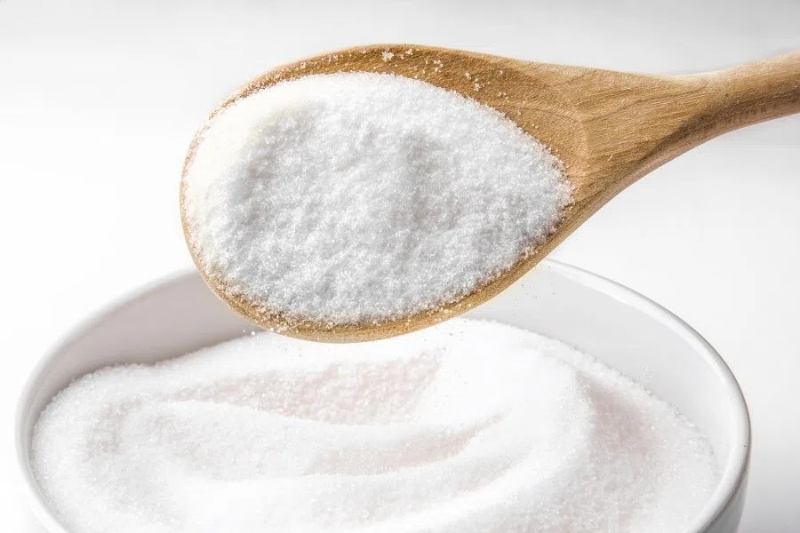
- Maltitol's sweetness profile and mouthfeel make it suitable for low-sugar pastries, chocolates, confectionery, baked goods, and dairy desserts. In sugar-free beverages and syrups, maltitol acts as a humectant and stabilizer that helps preserve texture and extend shelf life.
- Formulation strategies often involve blending maltitol with other polyols to balance sweetness, caloric impact, and crystallization behavior, enabling clean-label or reduced-calorie products.
- Visual cues for this section: confectionery product concepts; sugar-reduced bakery items; beverage syrup variants illustrating viscosity and stability.
Pharmaceuticals and healthcare
- In the pharmaceutical domain, maltitol serves as an excipient, humectant, or sweetener in syrups, lozenges, and tablets. Its compatibility with various active pharmaceutical ingredients (APIs) and its favorable binding and flow properties support stable tablet formation when combined with suitable binders and disintegrants.
- Roquette's pharmaceutical-grade maltitol liquids exemplify exipient and carrier roles, while other European suppliers provide solid maltitol grades designed for direct compression or wet granulation processes.
- Visual cues: syrup and lozenge imagery; tablet formulation schematics showing maltitol's role as a binder and pore-forming agent.
- Overseas manufacturers increasingly request blended-sweetener development to tailor sweetness profiles, bitterness masking, and aftertaste suppression for regional markets. French and European maltitol suppliers commonly offer formulation support, customization of polyol blends, and toll manufacturing options to deliver ready-to-use sweetener solutions.
- OEM/ODM pathways cover taste-mapping, texture optimization, and process adaptation for tablet production, gels, and beverages. The collaboration often starts with pilot-scale trials, followed by scale-up plans, with continuous quality assurance and regulatory alignment.
- Visual cues: flowcharts detailing blended-sweetener development steps; before/after taste testing graphs to illustrate formulation improvements.
- Food-grade maltitol must align with established food safety standards, labeling regulations, and allergen controls, while pharmaceutical-grade maltitol requires stricter validation, documentation, and stability data for excipients.
- Suppliers typically maintain GMP (Good Manufacturing Practice) and ISO certifications, with traceability systems to support regulatory audits and customer qualification programs.
- For OEM/ODM projects, documentation such as certificates of analysis (COA), material safety data sheets (MSDS), and batch records are essential for regulatory clearance across target markets.
- Collaboration opportunities: supplier audits, quarterly quality reviews, and joint development agreements to ensure compliance across multiple geographies.
- Lead times and minimum order quantities depend on grade, quantity, and the supplier's production schedule. Packaging commonly includes 25 kg bags, 500 kg totes, and bulk containers, with palletized shipments enabling efficient long-haul logistics.
- Regional distribution networks within France and Europe facilitate faster delivery for European clients, while global networks support overseas manufacturers seeking consistent supply for large-scale production runs.
- Risk management strategies include supplier diversification, routine quality audits, and proactive regulatory monitoring to adapt to changes in EU standards or foreign market requirements.
- Visual cues: supply-chain diagrams showing procurement-to-delivery flows; packaging options gallery illustrating packaging scales.
- Beverage formulation collaboration: An overseas beverage producer seeks a reduced-sugar syrup with stable viscosity and clean mouthfeel. A French maltitol supplier can contribute a tailored syrup base, blending maltitol with compatible polyols to achieve the desired sweetness curve, while ensuring regulatory compliance for target markets.
- Confectionery innovation: A sugar-free chocolate or chewing gum line benefits from maltitol's crystallization and texture properties when paired with cocoa butter analogs and supporting polyols. The supplier can provide prototype blends, QC guidance, and pilot-scale trials to optimize processing parameters.
- Tablet formulation optimization: A health supplement company requires a maltitol-based excipient system that supports compression and disintegration profiles. The collaboration can cover binder selection, lubricant compatibility, and stability testing to ensure robust tablet performance.
- Visual cues: process animation frames illustrating formulation steps; a schematic showing how maltitol blends influence texture and mouthfeel.
- Capability-driven engagement: Overseas manufacturers should evaluate suppliers based on product grades, regulatory certifications, technical support availability, and responsiveness to custom formulations.
- Customization and support: A preferred partner should offer targeted R&D assistance, pilot-scale testing, and scalable production plans aligned with regulatory demands in end markets.
- End-to-end solutions: From material sourcing to final product development and packaging, the right partner can provide a seamless chain with consistent quality, traceability, and on-time delivery.
- A mature maltitol supply ecosystem emphasizes transparent quality assurance practices, regular supplier qualification activities, and proactive communication during product development cycles.
- Documentation packages for OEM/ODM projects typically include COAs, MSDS, stability data, and batch traceability records, ensuring confidence for customers conducting regulatory submissions or audits.
- Continuous improvement initiatives may involve joint QA teams, shared testing methods, and agreed-upon corrective action plans to address any deviations promptly.
Sustainability and value-added considerations
- European maltitol suppliers increasingly emphasize sustainable sourcing, energy-efficient production processes, and reduced environmental footprints as part of broader corporate responsibility initiatives.
- Value-added services may include technical seminars, formulation workshops, and collaborative R&D programs aimed at creating healthier, more sustainable sweetener systems for global markets.
- Visual cues: sustainability badges, process-optimization charts, and demo footage of environmentally friendly production steps.
- Access to a diversified supply network within France and Europe enables stable sourcing, contingency planning, and flexibility in meeting fluctuating demand across regions.
- Local expertise in pharmaceutical-grade excipients and food-grade blends reduces time-to-market for complex formulations requiring regulatory alignment in multiple jurisdictions.
- The opportunity to leverage OEM/ODM partnerships accelerates product development cycles, enabling overseas manufacturers to bring innovative maltitol-based products to market faster.
Advantages:
- High-quality maltitol grades for both food and pharma applications
- Integrated supply chains, technical support, and formulation expertise
- Flexible packaging, scalable production, and global logistics
- Compliance with GMP, ISO, and pharmacopeia standards
- Strong OEM/ODM and blended-sweetener capabilities
What to assess in a partner:
- Regulatory certifications and traceability systems
- Grade availability (food-grade vs pharmaceutical-grade) and impurity controls
- Pilot-scale testing capabilities and willingness to co-develop blends
- Lead times, MOQs, and packaging options
- After-sales technical support and documentation readiness for audits
France hosts a robust ecosystem for Maltitol Manufacturers and Suppliers, spanning multinational leaders with pharma-grade capabilities to specialized European distributors offering blended-sweetener development and OEM/ODM services. For overseas manufacturers, partnering with French and European maltitol suppliers provides access to high-quality maltitol and polyol solutions, tailored formulation support, and scalable production options across food, beverage, and health-focused industries. By prioritizing supplier qualifications, regulatory alignment, and a collaborative development approach, overseas manufacturers can achieve reliable supply, optimized product performance, and accelerated time-to-market for maltitol-based formulations.
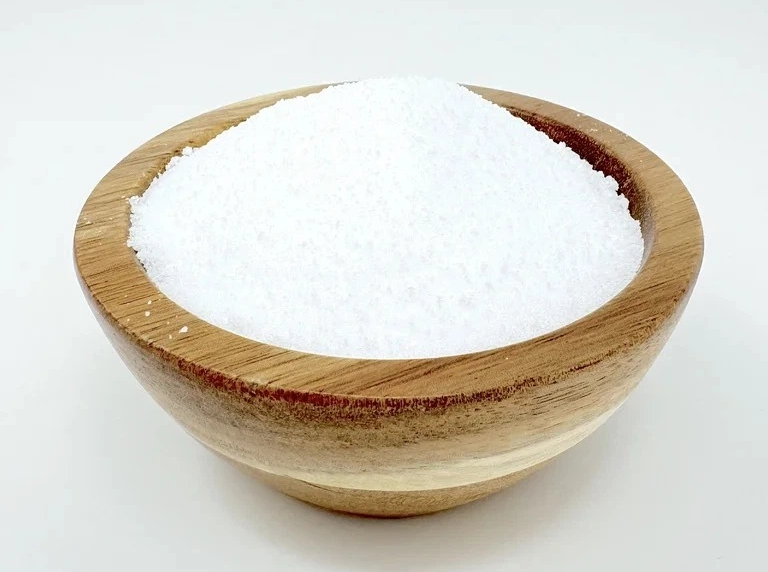
Maltitol is a sugar alcohol that is used in food and medicine as a low glycemic index sweetener and humectant, and it also has the functions of improving texture and extending shelf life.
French manufacturers usually supply maltitol in two specifications: food grade and pharmaceutical grade. The pharmaceutical grade must comply with the standards of the European Pharmacopoeia (EP).
Overseas manufacturers can directly contact French maltitol suppliers with ISO 22000 certification for OEM/ODM cooperation by providing clear technical specifications and expected production capacity.
The delivery time and packaging form of maltitol are mainly affected by the order size, seasonal demand and the packaging specifications customized by customers (such as 25kg bags or ton bags).
When overseas purchasers buy maltitol from France, they should focus on verifying the BRC/ISO 22000 certification of the supplier, the product specification sheet and the analysis report that complies with the EU food safety standards.
[1](https://market.us/report/maltitol-market/)
[2](https://www.futuremarketinsights.com/reports/maltitlol-market)
[3](https://www.linkedin.com/pulse/france-pharmaceutical-grade-maltitol-market-key-yfthc)
[4](https://www.linkedin.com/pulse/france-crystallize-maltitol-market-key-highlights-y6xrf)
[5](https://www.industryresearch.biz/market-reports/maltitol-market-110710)
[6](https://www.marketreportanalytics.com/reports/maltitol-liquid-257222)
[7](https://www.marketgrowthreports.com/market-reports/sugar-alcohol-market-115931)
[8](https://www.archivemarketresearch.com/reports/maltitol-syrup-172512)
[9](https://www.researchandmarkets.com/reports/5800834/crystalline-maltitol-market-report-industry)
[10](https://www.marketdataforecast.com/market-reports/maltitol-market)


