
Views: 222 Author: Sara Publish Time: 2025-10-27 Origin: Site


Content Menu
● Executive overview of the Thai isomaltulose landscape
● Market drivers and consumer trends in Southeast Asia
● Key players and profiles in Thailand
● Our value proposition for overseas manufacturers
● Applications and use cases across industries
● Production and quality considerations
● Case studies and application notes (hypothetical, representative)
● FAQ
>> 1. What are the main advantages of isomaltulose for diabetics and general health?
>> 2. How does a factory support overseas manufacturers with blended-sweetener development?
>> 3. What regulatory standards apply to isomaltulose products in Thailand and export markets?
>> 4. Can OEM/ODM services handle tabletization and isomaltulose blends?
>> 5. What packaging formats and lead times are typical for isomaltulose and blends?
Thailand has emerged as a strategic hub for the production and supply of isomaltulose and related health-focused sweeteners in Southeast Asia. As global demand shifts toward low-glycemic, tooth-friendly, and label-friendly ingredients, Thai manufacturers are increasingly integrating advanced processing technologies, regulatory compliance frameworks, and flexible contract-manufacturing capabilities to serve overseas brands. Our China-based factory specializes in natural sweeteners, functional polyols, and dietary fibers, and offers blended-sweetener development, tablet production, and comprehensive OEM/ODM services for international partners. This article examines Thailand's leading isomaltulose manufacturers and suppliers, and explains how our capabilities align with the needs of global formulators seeking reliable, high-quality sweetening solutions.
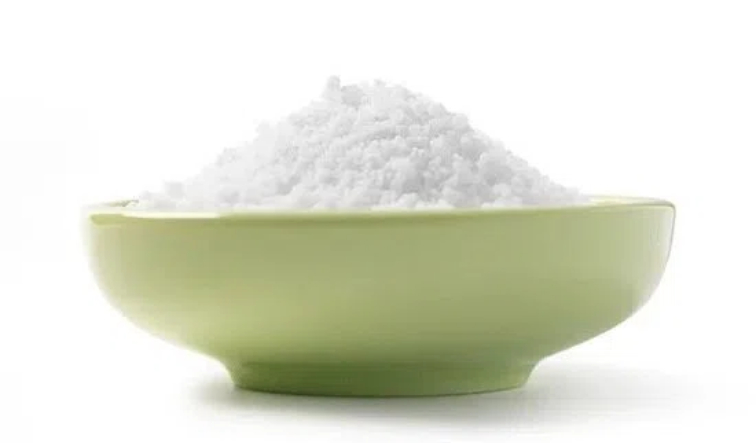
Thailand hosts a growing ecosystem that supports the end-to-end supply chain for isomaltulose—from raw sugar feedstocks and enzymatic conversion processes to finished powder blends and formulation-ready ingredients for beverage, confectionery, dairy, and nutrition applications. The market is underpinned by stringent quality management, traceability, and compliance with international food safety standards. Thai producers increasingly emphasize clean-label options, reduced caloric impact, and functional attributes such as improved mouthfeel and reduced crystallization in sugar systems. This environment creates opportunities for overseas manufacturers to source consistent supply, customize sweetness profiles, and leverage Thailand's logistics and manufacturing ecosystem to scale globally. Within this context, the core strengths of a health-focused Chinese contract manufacturer—natural sweeteners, functional polyols, dietary fibers, and OEM/ODM capabilities—offer a compelling value proposition for partnering with Thai supply chains to deliver comprehensive sweetening solutions.
- Growing demand for low-glycemic sweeteners in sports nutrition, functional beverages, and weight-management products drives adoption of isomaltulose and related blends. The market is increasingly converging with demand for clean-label formulations that minimize artificial additives while preserving taste and texture. This trend is evident across Thailand's beverage, bakery, and dairy segments, where formulators seek stable sweetness profiles with reduced aftertaste and improved shelf life.
- Health-conscious consumer behavior supports expanded use of isomaltulose in meal replacers, smoothies, and ready-to-drink products, where slower glucose release supports sustained energy without spikes. Southeastern markets are particularly responsive to formulations that balance taste, nutrition, and digestibility.
- Regulatory maturation reinforces confidence in Thai supply chains. Certification frameworks such as GMP, HACCP, and HALAL are emphasized, with increasing emphasis on supply-chain transparency and third-party auditing to meet export market requirements. This regulatory environment reduces risk for overseas brands seeking compliant ingredient partners.

- Thai Foods Product International Co., Ltd. (TFPI): A notable local supplier of isomaltulose powder and related formulations, TFPI emphasizes high product quality, batch traceability, and readiness for international distribution. Their portfolio typically targets food and beverage applications, with attention to consistency in sweetness profiles and particle size that facilitate downstream processing.
- Evonik and regional collaborations: Evonik has engaged in partnerships and production activity in Southeast Asia, including Thailand, highlighting isomaltulose-related solutions and related performance attributes such as moisture stability and shelf-life improvements in confectionery contexts. These collaborations illustrate how multinational chemistry players integrate into local supply chains to support global customers.
- Thai online and distributor networks: Several B2B platforms and distributors showcase mixed isomaltulose products and compounds suitable for bulk purchase, enabling international buyers to source varied blends and formats for different end-uses, from beverages to bakery products.
- End-to-end capability suite: A health-focused factory with core strengths in natural sweeteners, functional polyols, and dietary fibers, complemented by blended-sweetener development, tablet production, and robust OEM/ODM services. This combination enables rapid formulation iterations, pilot testing, and scalable manufacturing, aligning well with the needs of overseas brands seeking turnkey sweetness solutions.
- Custom formulation and scale-up support: The ability to design custom isomaltulose blends, integrate additional polyols or fibers for functional benefits (e.g., textural enhancement, glycemic control), and seamlessly scale pilot batches to commercial production, reducing development risk and time-to-market.
- Regulatory and quality assurance excellence: A commitment to GMP/HACCP-aligned processes, rigorous supplier qualification, and transparent documentation supports export compliance and product safety across markets. This reduces the complexity of international registrations and helps ensure consistent product performance in varying climates and formulations.
- OEM/ODM and tablet production capabilities: Flexible manufacturing options allow customers to select finished dosage forms and packaging configurations tailored to target markets, including tablet formats for nutraceuticals or nutritionally fortified products, and ready-to-use powder blends for beverages or bakery uses.
- Supply chain resilience and collaboration: Close coordination with Thai suppliers and logistic partners enables reliable lead times, accurate forecasting, and contingency planning, ensuring that overseas customers can maintain steady production lines and avoid stockouts.
- Beverages: Isomaltulose and blended sweeteners provide clean flavors with low aftertaste and stable sweetness curves, making them suitable for sports drinks, functional beverages, dairy-based drinks, and coffee/tea products. The slower glucose release supports sustained energy for athletes and active consumers.
- Confectionery and bakery: The reduced crystallization tendency and improved mouthfeel of isomaltulose blends enhance texture and consumer enjoyment in candies, hard sweets, and baked goods, while contributing to lower glycemic impact.
- Dairy and dairy-alternative products: Isomaltulose can replace straightforward sucrose in yogurt drinks and fortified dairy beverages, enabling sweeter products with better glycemic profiles and improved stability under processing conditions.
- Nutraceuticals and health-focused foods: In tablet-ready blends or powder formats, isomaltulose blends support controlled sweetness in nutrition powders, meal replacements, and weight-management products, aligning with clean-label expectations.
- Pediatric and elderly nutrition: Gentle sweetness profiles can improve acceptance of pediatric snacks and senior-focused nutrition products, where sugar control and energy release patterns are important for daily intake management.
- Process modalities: Isomaltulose is typically produced via enzymatic conversion of sucrose to isomaltulose (Palatinose) using specific enzymes. The choice of enzyme systems, substrate quality, and process parameters influence yield, purity, moisture content, and color of the final powder.
- Quality control and specifications: Critical attributes include particle size distribution, moisture, ash content, color, and carbohydrate composition. Consistent quality across batches is essential for predictable formulation behavior in beverages and solid foods.
- Packaging and logistics: Common formats include bulk bags and drums for industrial use, with options for premixed formulations or ready-to-use sachets for consumer-facing products. Packaging choices impact shelf life, ease of handling, and transport stability, particularly in tropical climates.
- Shelf life considerations: Proper storage, moisture control, and protective packaging mitigate caking and flavor degradation, ensuring product performance during shelf life under varied regional conditions.
- Case study A: A regional beverage brand reduces sugar content by 25% by replacing sucrose with a 60/40 blend of isomaltulose and a functional polyol, achieving stable sweetness, improved mouthfeel, and a 15% reduction in caloric contribution per serving while maintaining sensory acceptance in consumer tests.
- Case study B: A confectionery line switches to Palatinose-based formulations to minimize tooth-friendly sugar alternatives, delivering a smooth texture and prolonged shelf life without compromising sweetness intensity, supported by a packaging strategy that protects against humidity in tropical markets.
- Case study C: A dairy-based beverage company adopts a blended isomaltulose formulation to achieve a clean-label profile with reduced crystallization during storage, resulting in improved mouthfeel and reduced processing variability.
Thailand's isomaltulose landscape benefits from a mature regulatory environment, a growing base of specialized ingredient suppliers, and a logistics network that supports international distribution. For overseas manufacturers seeking reliable, high-quality isomaltulose and blended-sweetener solutions, collaboration with Thai suppliers—bolstered by a partner factory with strengths in natural sweeteners, functional polyols, dietary fibers, and comprehensive OEM/ODM and tablet production capabilities—offers a compelling path to market. Such partnerships enable the development of healthier, better-tasting products for global consumers, while ensuring compliance, scalability, and supply chain resilience across diverse markets.
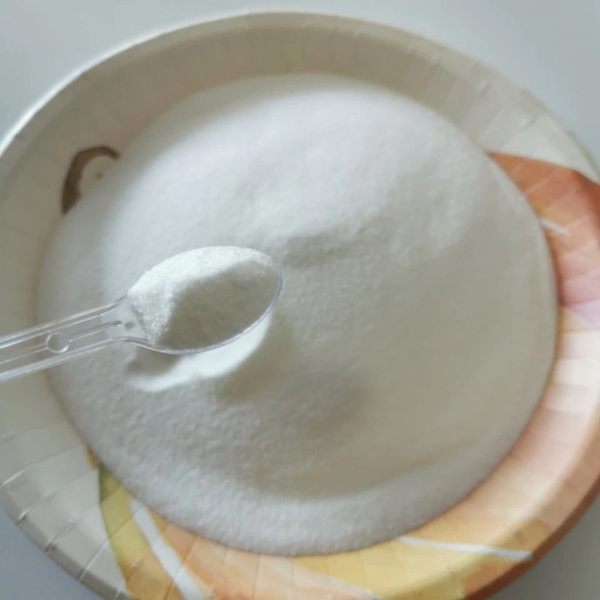
Isomaltulose provides a lower glycemic response and slower glucose release, supporting steadier energy levels and better dental health, making it suitable for diabetic-friendly formulations.
The facility offers formulation design, pilot testing, scale-up, quality control, and regulatory alignment to ensure successful commercialization across markets.
Key standards include GMP, HACCP, and HALAL certifications; additional market-specific certifications or documentation may be required depending on the destination country.
Yes; the services cover tablet production and customized blends for various dosage forms and nutritional claims.
Packaging options include bulk bags, drums, and ready-to-use sachets; lead times depend on order size, regulatory checks, and manufacturing schedules.
[1](https://www.wiseguyreports.com/reports/isomaltulose-market)
[2](https://www.databridgemarketresearch.com/reports/global-isomaltulose-market)
[3](https://www.linkedin.com/pulse/isomaltulose-market-applications-thailand-south-korea-ywk2f)
[4](https://www.credenceresearch.com/report/isomaltulose-market)
[5](https://markwideresearch.com/isomaltulose-market/)
[6](https://www.transparencymarketresearch.com/isomaltulose-market.html)
[7](https://mobilityforesights.com/product/thailand-rare-sugar-market)
[8](https://www.marketresearch.com/VPA-Research-v4245/Isomaltulose-Size-Share-Outlook-Grade-42399484/)
[9](https://www.marketresearchfuture.com/reports/isomaltulose-market-33017)
[10](https://www.databridgemarketresearch.com/reports/global-isomaltulose-palatinose-products-market)


