
Views: 222 Author: Sara Publish Time: 2026-01-04 Origin: Site


Content Menu
● History and Rise of Sucralose
● Metabolic Mechanisms: Sucralose in Action
● Taste and Sensory Experience
● Caloric Impact and Weight Control
● Blood Sugar Management and Diabetes
● Dental and Oral Health Advantages
● Safety Profile and Regulations
● Cooking, Baking, and Applications
● Economic and Environmental Edges
● Special Diets and Innovations
● FAQ
>> 1. Is sucralose safe for daily use?
>> 2. Does sucralose affect blood sugar?
>> 3. Can sucralose lead to weight gain?
>> 5. How much sucralose replaces sugar?
Sucralose stands out as a zero-calorie sweetener that's 600 times sweeter than sugar, making it a popular choice for reducing calorie intake without sacrificing taste. Many people wonder if sucralose truly outperforms sugar in health benefits, taste, everyday use, and long-term safety. This comprehensive article explores sucralose versus sugar in depth, highlighting why sucralose often emerges as the superior option for modern diets, especially in food, beverage, and healthcare applications.[1][2]
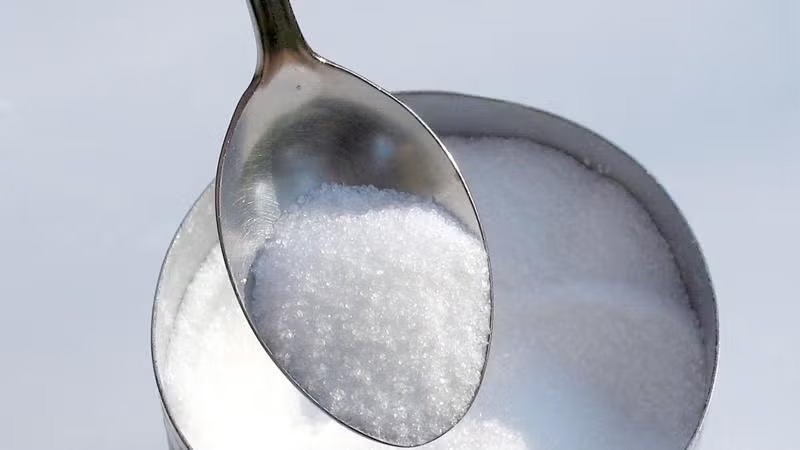
Sucralose is a non-nutritive sweetener derived from sucrose, or table sugar, through a precise chlorination process where three hydroxyl groups are replaced with chlorine atoms. This chemical modification renders sucralose calorie-free, intensely sweet, and highly stable, allowing it to be used in minuscule quantities to achieve the same sweetness level as sugar. Unlike regular sugar, which is fully metabolized and provides 4 calories per gram, sucralose passes through the digestive system largely unabsorbed, with approximately 85% excreted unchanged in the feces and the remainder eliminated via urine.[3]
The stability of sucralose under high heat, acidity, and prolonged storage distinguishes it from many other sweeteners, making it ideal for baking, cooking, and processed foods. Manufacturers worldwide incorporate sucralose into everything from soft drinks to pharmaceuticals because it retains its sweetness without breaking down or losing potency. Sucralose's unique structure ensures it delivers consistent performance, which is why factories specializing in natural sweeteners, functional polyols, and dietary fibers—like those providing OEM/ODM services—frequently blend sucralose for customized mixed sweetener solutions.
Health authorities, including the FDA, EFSA, and WHO, have thoroughly evaluated sucralose and established an acceptable daily intake (ADI) of 5 mg per kg of body weight, far exceeding typical consumption levels. Sucralose avoids the rapid blood sugar spikes linked to sugar, positioning it as a go-to for low-glycemic diets. Its approval spans over 100 countries, underscoring sucralose's global trust in health-conscious formulations.
Sucralose's journey began in 1976 when British chemists at Queen Elizabeth College accidentally discovered its intense sweetness while researching sugar substitutes. What started as a lab mishap— a researcher misread "test" as "taste" on a label—led to the development of sucralose, which was commercialized as Splenda in 1998 by Tate & Lyle and Johnson & Johnson. Since then, sucralose has revolutionized the sweetener industry, becoming a staple in over 5,000 consumer products globally.
The popularity of sucralose surged alongside rising concerns over obesity, type 2 diabetes, and metabolic syndrome, affecting billions worldwide. Consumers appreciate sucralose for its sugar-like taste profile, with minimal bitterness or aftertaste compared to alternatives like aspartame or saccharin. By 2025, the global sucralose market has expanded dramatically, driven by demand in low-calorie beverages, snacks, and healthcare products. Factories in China, experts in natural sweeteners and polyols, now lead in producing high-purity sucralose blends for export, offering tablet production and OEM services tailored to international manufacturers in food, beverage, and medical sectors.
Sucralose's clean label appeal and versatility have made it indispensable. From diet sodas to protein bars, sucralose enables indulgent flavors without the caloric penalty of sugar, supporting healthier lifestyles on a massive scale.
Unlike sugar, which is rapidly broken down into glucose and fructose in the small intestine, leading to insulin release and energy storage, sucralose bypasses these pathways entirely. Only 15-20% of ingested sucralose is absorbed into the bloodstream, and even then, it is not metabolized for energy; the liver conjugates it for swift urinary excretion. This zero-calorie profile prevents sucralose from contributing to the glycemic load or energy surplus associated with sugar consumption.[2][3]
Sugar's metabolism floods the body with glucose, promoting fat storage, inflammation, and oxidative stress over time. Sucralose, by contrast, maintains metabolic homeostasis, making it particularly beneficial for individuals managing insulin resistance or prediabetes. Long-term human studies confirm sucralose does not alter fasting glucose, insulin sensitivity, or HbA1c levels, even at doses well above average intake.
For those in functional food production, sucralose's inert nature pairs perfectly with dietary fibers and polyols, enhancing satiety without digestive upset. This synergy is key in developing mixed sweeteners for beverages and tablets that support sustained energy release.
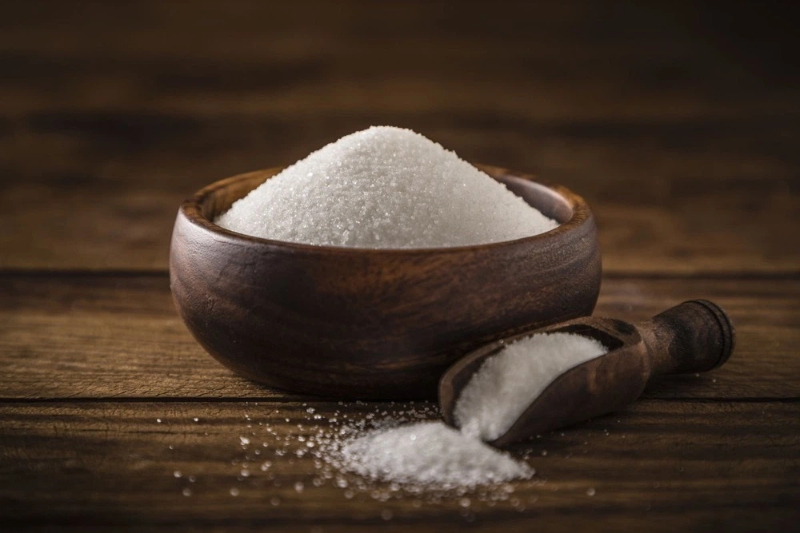
Sucralose excels in mimicking sugar's temporal profile: a rapid onset of sweetness, a full-bodied peak, and a clean linger without cloying aftertaste. At 600 times sugar's sweetness, just a fraction—often 1/600th the amount—delivers equivalent intensity, allowing precise flavor balancing in formulations. Sugar provides bulk and mouthfeel, but sucralose blends with bulking agents like maltodextrin or fibers replicate this seamlessly.
Blind taste panels consistently rate sucralose-sweetened products higher for overall preference in beverages and desserts, citing its lack of metallic notes. In baking, sucralose holds up to temperatures over 350°F, preventing the bitterness that plagues other sweeteners. For OEM manufacturers, this means sucralose enables premium, sugar-free replicas of traditional treats, from chocolates to gummies.
The taste synergy of sucralose with natural flavors amplifies fruit notes in juices and creams in yogurts, outperforming sugar's sometimes overpowering profile. Daily users report enhanced enjoyment without guilt, solidifying sucralose's edge.
Each gram of sugar delivers 4 calories, accumulating quickly in diets heavy on sweets—think 16 calories per teaspoon. Sucralose offers zero calories, enabling effortless reductions of 200-500 calories daily for many consumers by swapping in beverages and snacks alone. Clinical trials demonstrate that sucralose substitution leads to greater weight loss and fat reduction over 12-24 weeks compared to sugar, without increased hunger due to preserved sweetness.[1]
In obesity research, sucralose users maintain lower BMI and waist circumferences long-term. Sugar's empty calories fuel epidemics, while sucralose empowers calorie control. For healthcare OEM, sucralose-infused fibers promote fullness, aiding clinical nutrition products.
Sugar induces sharp glycemic excursions, straining pancreatic beta cells and accelerating diabetes progression. Sucralose elicits no such response; postprandial glucose remains stable, and it may even boost GLP-1 hormones for better insulin dynamics. Meta-analyses of over 20 studies affirm sucralose's safety for type 1 and type 2 diabetics, with no impact on complications.[2]
The American Diabetes Association endorses sucralose, noting its role in glycemic control. In practice, sucralose allows diabetics to enjoy sweets, improving adherence to diets. Blended with polyols, sucralose formulations from specialized factories optimize these benefits for medical tablets and supplements.
Sugar ferments in the mouth, producing acids that demineralize enamel and foster cavities. Sucralose is non-cariogenic, non-fermentable by oral bacteria, and may inhibit plaque formation. Longitudinal studies show sucralose gum users experience 40-60% fewer cavities than sugar counterparts.[3]
Dentists advocate sucralose for its protective effects, especially in children and the elderly. In polyol chewing gums, sucralose enhances freshness, making it a staple in oral care OEM.
Sugar disrupts gut microbiota, promoting dysbiosis and leaky gut via endotoxin production. Sucralose shows neutral or mildly positive effects, preserving diversity without fermentation byproducts. Recent trials indicate sucralose better maintains intestinal barrier integrity than sugar.[1]
For beverage producers, sucralose avoids bloating issues common with sugar alcohols alone, synergizing with fibers for optimal gut health.
Over 110 studies spanning decades confirm sucralose's safety, with no links to cancer, neurotoxicity, or fertility issues at human-relevant doses. Approved by JECFA with a generous ADI, sucralose's risk profile eclipses sugar's established harms like NAFLD and CVD.[3]
Regulatory bodies worldwide reaffirm sucralose annually, countering rare high-dose animal concerns irrelevant to humans.
Sucralose shines in high-heat applications, yielding moist cakes and crispy cookies without sugar's sogginess. In beverages, it carbonates perfectly; in pharma, it masks bitterness. Factories excel in sucralose OEM for global exports.
Sucralose's potency slashes usage volumes, cutting costs long-term despite higher unit price. Environmentally, its synthesis uses less land and water than sugar cane, reducing carbon footprints.
Keto, vegan, paleo—sucralose fits seamlessly. Future research blends sucralose with novel fibers for next-gen functionals.
Sucralose surpasses sugar across calories, glycemia, dental health, gut stability, and versatility, backed by rigorous science. While sugar holds nostalgic appeal, its metabolic toll demands moderation. Embrace sucralose for sustainable sweetness—partner with factories offering expert sucralose blends, polyols, fibers, and OEM/ODM for food, beverage, and healthcare excellence.
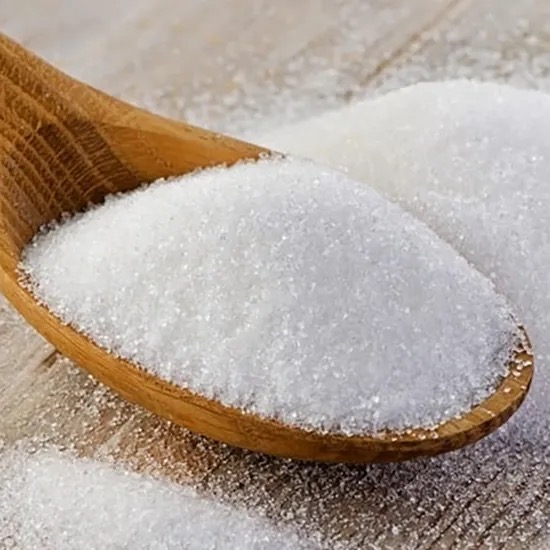
Yes, sucralose is safe for daily use within FDA-approved ADI limits, supported by over 100 studies showing no adverse effects, unlike sugar's documented risks.[3]
No, sucralose has no significant impact on blood glucose or insulin, ideal for diabetes management, while sugar causes spikes.[2]
Sucralose supports weight loss by eliminating calories without hunger, contrasting sugar's obesogenic effects.[1]
Sucralose derives from sugar but is modified, offering artificial-like purity with natural taste superiority.
1/600th teaspoon of sucralose equals one teaspoon of sugar, enabling precise, efficient sweetening.
[1](https://www.medicalnewstoday.com/articles/is-sucralose-healthiest-sugar-substitute-latest-research-gut-health)
[2](https://www.healthline.com/nutrition/sucralose-good-or-bad)
[3](https://pmc.ncbi.nlm.nih.gov/articles/PMC10971371/)


