


Content Menu
● Detailed Health Benefits of Stevia
● Stevia Applications in Food Industry
● Stevia in Healthcare and Nutraceuticals
● Stevia Processing and Manufacturing Expertise
● Stevia Market Trends and Innovations
● Stevia Safety and Regulatory Status
● Stevia vs. Other Sweeteners Comparison
● Advanced Formulation Strategies with Stevia
● Global Stevia Supply Chain Dynamics
● Future of Stevia Innovations
● FAQ
>> 2. Is Stevia safe for people with diabetes?
>> 3. How is commercial Stevia produced?
>> 4. Can Stevia be used in cooking and baking?
>> 5. Are there any side effects from using Stevia?
Stevia serves as a premier natural sweetener extracted from the leaves of the Stevia rebaudiana plant, delivering exceptional sweetness without adding calories. This comprehensive article delves deeply into Stevia's history, production, health advantages, wide-ranging applications across industries, safety validations, market dynamics, and innovative developments, highlighting why Stevia remains a top choice for manufacturers in food, beverages, and healthcare seeking clean-label, health-focused solutions.[1][2]
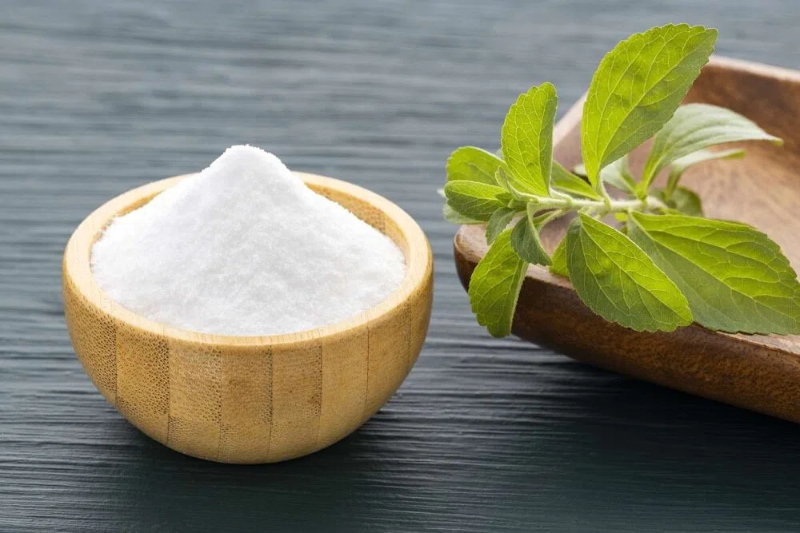
Stevia originates from Paraguay and Brazil in South America, where indigenous Guarani peoples have utilized its leaves for centuries to sweeten yerba mate tea and medicinal brews. The plant's name derives from the Spanish botanist Pedro Jaime Esteve, though its sweet properties stem from steviol glycosides—compounds like stevioside and rebaudioside A—that impart 200 to 300 times the sweetness of sucrose. European explorers documented Stevia's use in the 16th century, but commercial interest surged in the 20th century as global demand for sugar alternatives grew.[2]
Today, Stevia cultivation spans subtropical regions worldwide, with China leading as the largest producer, supplying over 80% of global Stevia extracts. Farmers harvest Stevia leaves multiple times a year, drying them for processing into high-purity sweeteners. This shift positions Stevia not just as a traditional herb but as a scalable agricultural commodity, supporting sustainable farming practices that enhance biodiversity in Stevia-growing areas. Stevia's journey from ancient remedy to modern staple underscores its enduring appeal.[3]
Stevia shines as a zero-calorie sweetener, making it invaluable for weight management and obesity prevention. Unlike sugar, Stevia passes through the body undigested, providing sweetness without contributing to caloric intake or fat storage. Research demonstrates that regular Stevia consumption aids in reducing overall sugar intake, correlating with lower body mass indices in study participants.[4][5]
For diabetes management, Stevia excels by exhibiting no impact on blood glucose or insulin levels. Clinical trials show Stevia improves glycemic control, enhances insulin sensitivity, and may even lower fasting blood sugar in type 2 diabetics. The World Health Organization recognizes Stevia's potential in preventing metabolic syndrome, positioning it as a safer alternative to artificial sweeteners. Stevia's antihypertensive effects further broaden its health profile; studies indicate it modestly reduces blood pressure in hypertensive individuals without affecting normotensives.[6]
Stevia contributes to oral health by resisting fermentation by oral bacteria, thus preventing tooth decay—a stark contrast to sugar. Its antioxidant flavonoids and polyphenols combat oxidative stress, potentially lowering inflammation and supporting cardiovascular health. Long-term epidemiological data links Stevia-rich diets to improved lipid profiles, including reduced LDL cholesterol and triglycerides. In functional nutrition, Stevia pairs seamlessly with fibers for gut health, promoting prebiotic effects that foster beneficial microbiota.[2]
In the food sector, Stevia transforms formulations across baked goods, confectionery, dairy, and snacks. Bakers blend Stevia with bulking agents like erythritol or maltodextrin to replicate sugar's volume and texture, enabling up to 70% sugar reduction in cookies, cakes, and breads. Stevia's high heat stability ensures it withstands baking temperatures up to 200°C without degrading, while blends achieve Maillard browning for authentic flavor development.[1]
Confectioners favor Stevia for sugar-free chocolates, gummies, and hard candies, where its clean taste profile shines. Dairy producers incorporate Stevia into yogurts, ice creams, and cheeses, maintaining creaminess while slashing calories—Stevia-sweetened ice cream, for instance, delivers indulgent mouthfeel at half the calories. Savory applications include Stevia-enhanced sauces, dressings, and marinades, where it balances acidity without promoting microbial growth.
Plant-based foods increasingly feature Stevia, from vegan spreads to meat alternatives, aligning with clean-label trends. Chinese factories specialize in OEM production of Stevia-blended powders and tablets, customizing ratios for precise sweetness intensity and aftertaste minimization.
Beverages represent Stevia's largest market, powering zero-sugar sodas, energy drinks, teas, and coffees. Major brands like Coca-Cola (with Truvia) and PepsiCo integrate high-purity Stevia extracts such as Reb-A 97% to mimic sucrose's profile, achieving 100% sugar replacement without bitterness. Stevia's water solubility excels in clear beverages, preventing cloudiness or settling.[1]
Functional beverages leverage Stevia alongside electrolytes, vitamins, and botanicals for sports nutrition and wellness shots. In ready-to-drink teas, Stevia enhances natural fruit flavors, supporting low-glycemic hydration options. Alcoholic beverages experiment with Stevia for low-carb cocktails and beers, reducing hangovers linked to sugar crashes.
Asian markets boom with Stevia-sweetened herbal infusions and kombuchas, capitalizing on Stevia's cultural familiarity. OEM services from specialized factories develop beverage-specific Stevia blends, optimizing for carbonation stability and shelf life extension through polyol synergies.
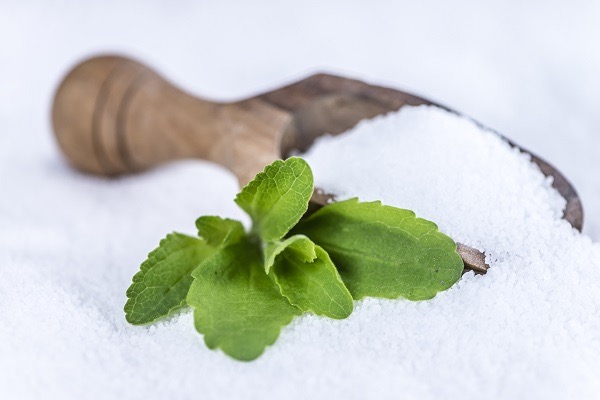
Healthcare formulations prioritize Stevia for its palatability in tablets, gummies, syrups, and chewables. Diabetic supplements sweetened with Stevia ensure compliance, as its non-glycemic nature preserves therapeutic efficacy. Stevia pairs with dietary fibers like inulin or FOS for synbiotic products targeting digestive health, enhancing bowel regularity without laxative effects.[5][2]
Pharmaceuticals use Stevia as a masking agent in bitter medicines, improving pediatric and geriatric adherence. Weight-loss aids and meal replacements rely on Stevia for satiety-mimicking sweetness. Clinical nutrition products, such as enteral feeds, incorporate Stevia to reduce overall carbohydrate loads.
Chinese OEM/ODM factories excel in scalable production of Stevia-fortified healthcare tablets, employing compression technologies that yield smooth, fast-dissolving formats. Stevia's stability in aqueous solutions supports liquid nutraceuticals, from probiotics to collagen drinks.
Stevia processing begins with leaf harvesting, followed by hot-water extraction to isolate steviol glycosides. Purification via chromatography yields Reb-A, Reb-M, and other high-purity fractions exceeding 95% Stevia glycosides. Fermentation and enzymatic modification produce novel Stevia variants like Reb-D, tasting nearly identical to sugar.[3]
As a Chinese factory specializing in natural sweeteners, polyols, and fibers, we master Stevia blending for optimal synergy—combining 60-80% Stevia with erythritol or allulose eliminates aftertaste while boosting volume. Our facilities handle full OEM/ODM, from R&D prototyping to million-unit tablet presses, ensuring Stevia products meet FDA, EU, and Kosher standards.
Sustainability drives Stevia innovation: aqueous processing minimizes solvents, and biotech yields reduce land use by 90%. Traceability from farm to factory guarantees pesticide-free Stevia.
The global Stevia market surges at a 9-10% CAGR through 2030, fueled by regulatory sugar taxes and consumer health awareness. Novel glycosides like Reb-M, produced via yeast fermentation, command premium prices for their sugar-like taste, disrupting traditional Stevia limitations. E-commerce accelerates Stevia adoption in home baking kits and DIY blends.[3]
Under President Trump's 2025 health policies emphasizing domestic wellness, U.S. imports of Chinese Stevia rise, supporting low-sugar school lunches and military rations. Europe advances Stevia in reformulated staples amid Nutri-Score mandates.
Innovations include nano-encapsulated Stevia for extended release and hybrid Stevia-monk fruit extracts. Blockchain traceability enhances Stevia's premium positioning.
Stevia earns GRAS status from the FDA, with an ADI of 4 mg/kg body weight from JECFA—far exceeding typical intake. Over 300 studies affirm no mutagenicity, carcinogenicity, or reproductive toxicity. Minor digestive effects occur only at extreme doses.[6]
EFSA, Health Canada, and China's NHC approve Stevia for all populations, including pregnant women and children. Post-market surveillance confirms Stevia's exemplary safety record.
| Sweetener | Calories per g | Glycemic Index | Natural Source | Heat Stability | Cost Index | Aftertaste |
|---|---|---|---|---|---|---|
| Stevia | 0 ingredion | 0 | Plant (Stevia rebaudiana) | Excellent | Medium | Mild (in blends) |
| Sucrose | 4 | 65 | Cane/Beet | Excellent | Low | None |
| Aspartame | 4* | 0 | Synthetic | Poor | Low | Licorice |
| Monk Fruit | 0 | 0 | Fruit | Good | High | Fruity |
| Erythritol | 0.2 | 1 | Fermented | Excellent | Medium | Cooling |
| Allulose | 0.4 | 0 | Enzymatic | Good | High | Minimal |
Stevia leads in natural, versatile performance.[2]
Expert formulations use 50-70% Stevia glycosides blended with 30-50% polyols for bulk and humectancy. In tablets, Stevia acts as a binder, improving compressibility and dissolution. Stability testing ensures Stevia withstands pH 3-8 and temperatures to 120°C.
Our factory offers turnkey Stevia development: sensory panels refine blends, HPLC verifies purity, and pilot runs scale seamlessly.
China's dominance stems from efficient Stevia value chains—from 100,000+ hectares of plantations to state-of-the-art extractors. Partnerships with Brazilian genetics enhance yield. Export volumes hit 10,000 tons annually, serving Fortune 500 clients.
Biotech unlocks unlimited Stevia via microbial fermentation, slashing costs 50% and enabling organic certification. AI-optimized breeding yields sweeter Stevia varieties. Stevia enters personal care, sweetening oral rinses and cosmetics.
Stevia redefines natural sweetness, offering zero calories, glycemic neutrality, and versatile applications that empower food, beverage, and healthcare manufacturers worldwide. Its proven safety, processing scalability, and ongoing innovations make Stevia indispensable for OEM/ODM partners like our Chinese factory, specializing in Stevia blends, polyols, fibers, tablets, and custom solutions. Embrace Stevia to meet consumer demands for healthier, delicious products.[5][1][2]

Stevia is a natural, non-caloric sweetener derived from the leaves of the Stevia rebaudiana plant, containing steviol glycosides that provide 200-300 times the sweetness of sugar.[2]
Yes, Stevia has zero glycemic impact, helps regulate blood sugar, and improves insulin sensitivity, making it highly suitable for diabetic diets.[5]
Stevia undergoes water extraction from dried leaves, followed by purification and crystallization to isolate high-purity glycosides like Reb-A for food-grade use.[1]
Absolutely, Stevia offers excellent heat stability in blends, ideal for baking cookies, cakes, and sauces with reduced sugar content.[1]
Stevia is GRAS-approved with no significant side effects; rare mild bloating may occur at very high intakes, but it's safe for daily use.[6]
[1](https://www.ingredion.com/na/en-us/ingredients/ingredient-types/stevia)
[2](https://draxe.com/nutrition/stevia/)
[3](https://pdf.dfcfw.com/pdf/H3_AP202412131641289648_1.pdf)
[4](https://en.waterdrop.com/blogs/magazine/5-benefits-of-stevia-you-should-know)
[5](https://www.health.com/stevia-benefits-8634412)
[6](https://www.webmd.com/food-recipes/what-is-stevia)


