


Content Menu
● Regulatory landscape and safety consensus
● Safety considerations and practical implications
● Stevia in product development and formulation strategy
● Stevia versus other natural sweeteners and polyols
● Consumer perception and public health context
● Case examples and industry perspectives (illustrative)
● Quality assurance and production considerations
● Is stevia safe for specific populations?
● The role of stevia within a blended-sweetener strategy
● Future directions and research considerations
● FAQ
>> 1. What forms of stevia are approved for use in foods?
>> 2. What is the recommended daily intake for steviol glycosides?
>> 3. Are there any safety concerns for pregnant women or people with diabetes?
>> 4. How does stevia interact in blended-sweetener systems?
>> 5. What should overseas manufacturers consider when sourcing stevia?
Stevia leaf extract has emerged as one of the most widely discussed natural sweeteners in global food and beverage applications. As a China-based factory specializing in health-ingredient solutions—natural sweeteners, functional polyols, and dietary fibers—and offering blended-sweetener development, tablet production, and OEM/ODM services to overseas manufacturers, the relevance of stevia to your product development arsenal is high. This article explores what stevia is, how it is processed, its regulatory status across major markets, safety considerations for various populations, practical implications for product developers and manufacturers, and how stevia can be integrated into blended-sweetener formulations alongside other natural ingredients you produce. Throughout, Stevia is highlighted as a leading natural sweetener with strong scientific and regulatory backing, while acknowledging ongoing research and diverse consumer perceptions. The goal is to provide clarity for decision-makers considering stevia-based solutions for international customers, while situating stevia within a broader portfolio that also includes polyols and dietary fibers.
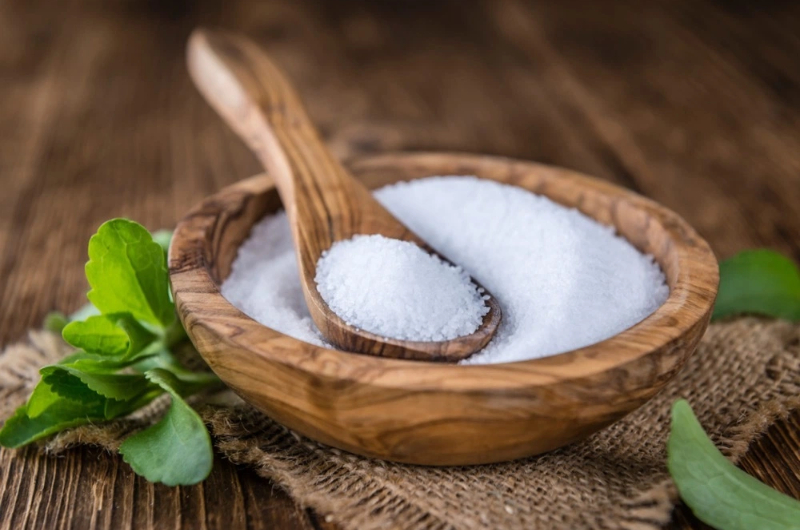
Stevia refers to the leaves of the plant Stevia rebaudiana, which contain steviol glycosides—the sweet compounds responsible for the plant's intense sweetness. In commercial applications, stevia leaf extract is typically highly purified to isolate specific steviol glycosides, such as Reb A (stevioside) and other closely related glycosides, achieving a zero- or near-zero-calorie sweetener suitable for foods and beverages. The purification process ensures that the final ingredient aligns with regulatory definitions of high-purity steviol glycosides, distinguishing it from crude or whole-leaf stevia products. For manufacturers, the distinction matters because regulatory approvals and labeling requirements often hinge on the level of purification and the exact chemical composition of the sweetener. Stevia's sweetness profile can be influenced by the specific blend of steviol glycosides, as well as processing methods used to remove impurities and bitter aftertastes.
Global regulatory bodies have conducted extensive evaluations of steviol glycosides and have generally concluded that highly purified stevia extracts are safe for use in foods and beverages when consumed within established daily intake limits. In many jurisdictions, steviol glycosides are approved as safe and permitted ingredients in a wide range of products, with labeling requirements that emphasize the purified nature of the sweetener. It is important to note that some regulatory agencies do not approve crude or whole-leaf stevia for use in foods, due to a lack of sufficient safety data for those forms. This nuance is critical for product developers and regulators in regions where product formulation or sourcing may inadvertently introduce crude stevia: ensuring that the supply chain delivers high-purity steviol glycosides is essential for compliant manufacturing. For overseas clients, aligning with local regulatory expectations means clearly communicating the form of stevia used (high-purity steviol glycosides versus crude leaf extract) and ensuring the supply chain maintains necessary quality standards.
Key regulatory takeaways by region:
- United States: Highly purified steviol glycosides (the refined extracts) are generally recognized as safe for use in foods and beverages under GRAS status when used within defined limits. Whole-leaf and crude stevia preparations are not approved for use in foods by many regulators. This distinction informs labeling, product development, and claims. The emphasis for manufacturers is on sourcing purified stevia derivatives that meet GRAS or equivalent regulatory standards and avoiding crude leaf materials in finished products intended for the U.S. market.
- European Union: The EFSA has evaluated steviol glycosides and established an acceptable daily intake (ADI). Products comprising purified steviol glycosides meeting EFSA specifications are permissible in foods and beverages in EU member states, subject to labeling and product-identity requirements. As with other regions, crude leaf materials are not approved for general food use in the EU.
- China and other markets: Many regulators have provisions for steviol glycosides similar to international standards, focusing on purity, safety data, and appropriate labeling. For manufacturers exporting to these markets, it is essential to verify local approvals and ensure that stevia ingredients conform to regional purity and labeling rules. Your role as a supplier of health-ingredient solutions places emphasis on offering high-purity steviol glycoside preparation across product lines to facilitate cross-border formulations.
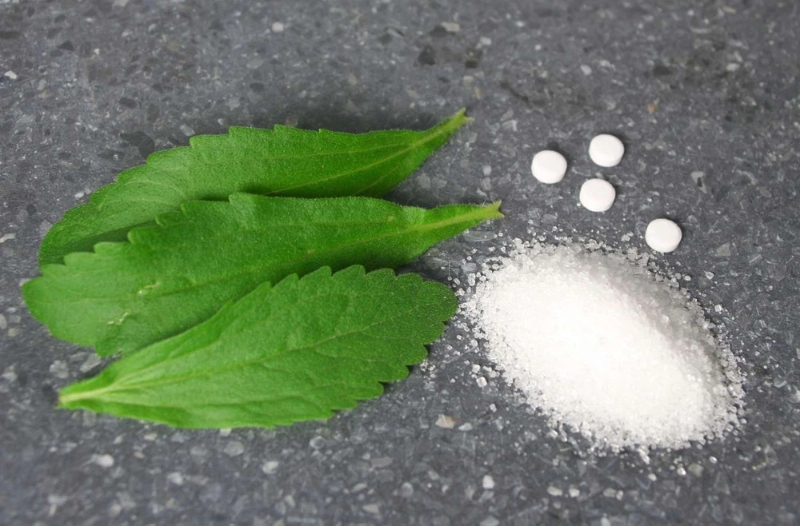
Stevita safety research is extensive, spanning decades and covering various populations and exposure scenarios. The consensus among leading scientific bodies is that high-purity steviol glycosides are safe for the general population when consumed within established ADIs. However, certain caveats deserve attention for both manufacturers and end users:
- Form and purity: The safety profile is strongly tied to purity. Highly purified steviol glycosides (with minimal impurities) are associated with a robust safety record. Crude or partially purified stevia extracts may contain additional constituents with unknown or less clearly characterized effects, which regulators are more cautious about. Your Sourcing and QA processes should emphasize consistent lot-to-lot purity, rigorous analytics, and third-party verification to reassure clients about safety and compliance.
- Allergic considerations: Rare allergic reactions to stevia preparations have been reported, with some evidence suggesting that crude extracts containing broader plant family components could pose allergenic risks in susceptible individuals. For manufacturers, this underscores the importance of clean ingredient streams and clear allergen declarations on finished products, especially for blends that target sensitive consumer groups.
- Reproductive and developmental concerns: Earlier animal studies suggested potential effects on fertility or development under certain exposure conditions with some crude extracts. Modern high-purity steviol glycoside evaluations in humans have not demonstrated similar risks at approved intake levels, but responsible formulation remains essential. When developing products for markets with strict safety requirements, rely on current regulatory assessments and avoid extrapolating from outdated or non-representative studies.
- Metabolic and physiological effects: Steviol glycosides do not contribute calories and have minimal impact on blood glucose and insulin in most individuals, making them attractive for calorie-reduction strategies in sugar-sweetened beverages and foods. Nonetheless, medical conditions, medications, or unusual metabolic contexts may warrant caution, and clinical guidance should be consulted for targeted populations.
- Sensory considerations: Some steviol glycoside blends can exhibit aftertastes or bitterness at certain concentrations. Formulators often employ blends with other natural sweeteners, polyols, or flavor masking approaches to achieve a consumer-acceptable sweetness profile. This is especially relevant for your business, where blended-sweetener development is a core capability.
In practice, stevia leaf extract serves as a cornerstone ingredient for sugar reduction strategies in foods and beverages. When integrated into blends—alongside polyols, fibers, and other natural sweeteners offered by your factory—it can enable targeted sweetness curves, lower caloric content, and improved functional profiles (texture, mouthfeel, and stability). Some strategic considerations for Overseas clients:
- Ingredient compatibility: Steviol glycosides interact with other formulation components, including acids, salts, and flavor systems. Conduct compatibility testing when developing blended formulations to maintain sweetness stability and overall sensory quality.
- Labeling and marketing communications: Clear labeling that communicates "steviol glycosides derived from Stevia rebaudiana" or "Stevia leaf extract" helps consumer transparency and regulatory compliance. Claims should reflect evidence-based nutrition and safety data, avoiding overstatements.
- Regulatory diligence: Maintain up-to-date regulatory dossiers for each target market, including ADI values, approved grades of steviol glycosides, and any region-specific labeling requirements. This is essential for a supplier serving overseas manufacturers.
- Supply-chain reliability: As a China-based producer, your ability to provide consistent, high-purity steviol glycoside preparations supports long-term partnerships with international brands. Emphasize traceability, quality control, and documentation that satisfies clients' QA and regulatory teams.
Stevia is one of several natural options used for sugar reduction. It is commonly paired with polyols in blended-sweetener formulations to balance sweetness profiles and physical properties. Polyols such as xylitol, sorbitol, and maltitol can deliver bulk and mouthfeel that complements steviol glycosides, while dietary fibers can provide textural benefits and health-promoting claims. For your factory, this positions Stevia as a strategic anchor ingredient around which you can design robust blended-sweetener solutions for overseas manufacturers. The synergy between Stevia and polyols aligns with the growing demand for clean-label products and reduced-calorie foods, while allowing for flexibility in formulation and branding across diverse markets.
Public understanding of stevia varies by region, with some consumer segments prioritizing natural ingredients and others seeking familiar taste profiles. Emphasizing stevia's natural origin, high-purity processing, and regulatory approvals can help position your offerings as credible and safety-forward. At the same time, transparent communication about the differences between crude leaf materials and purified steviol glycosides helps build trust with clients and end users. For healthcare-focused applications, stevia-based formulations can support calorie reduction strategies without compromising glycemic management, which is particularly relevant for populations managing weight or metabolic conditions.
- Beverage applications: Steviol glycoside blends are frequently used in colas, iced teas, sparkling waters, and sports drinks to replace sugar while maintaining flavor integrity. When partnered with polyols to adjust sweetness and mouthfeel, stevia-based beverages can achieve consumer-friendly taste without excessive calories.
- Bakery and confectionery: Reduced-sugar baked goods and confections often rely on stevia-based sweeteners combined with bulking agents to replicate sugar's bulk and texture. Your OEM/ODM capabilities can help manufacturers achieve consistent textures and sweetness levels across product lines.
- Dairy and dairy-analog products: Stevia's compatibility with dairy systems supports sugar reduction in yogurts, cultured dairy beverages, and flavored milks, especially when integrated with other natural ingredients from your portfolio to ensure stable sweetness and mouthfeel.
Your factory's expertise in natural sweeteners, functional polyols, and dietary fibers positions it well to deliver high-quality stevia sweeteners to overseas manufacturers. Key QA considerations include:
- Purity specification: Define target stevioside/rebaudioside mix and impurity profiles, aligning with client requirements and regulatory approvals.
- Analytical testing: Implement robust analytical methods to verify composition, purity, and absence of undesired contaminants.
- Traceability: Establish end-to-end traceability from raw leaf materials (where applicable) to final steviol glycoside products, including supplier audits and batch records.
- Documentation: Provide complete certificates of analysis, regulatory compliance statements, and safety data sheets to client teams.
Overall, high-purity steviol glycosides are considered safe for the general population, including pregnant individuals and people with diabetes, when used within established ADIs. However, some regulators differentiate between purified steviol glycosides and crude leaf extracts, with the latter generally not approved for foods in many markets. For manufacturers targeting pregnant audiences, diabetes management, or pediatrics, rely on regulatory guidance and current scientific consensus, and prefer purified steviol glycosides in formulations to minimize risk of adverse interpretations or compliance issues.
Stevia's happiness-to-harmony profile—strong sweetness with a clean aftertaste when properly formulated—makes it a natural anchor for blended-sweetener systems. By combining stevia with polyols, dietary fibers, and other natural sweeteners, your product development teams can engineer sugar-reducing solutions that maintain taste, texture, and consumer satisfaction. Your capability in OEM/ODM services supports end-to-end development: from pilot blends to scale-up, with regulatory documentation and quality assurance embedded in every step. This integrated approach aligns with the needs of overseas manufacturers seeking reliable, science-based, and scalable sweetener systems.
Ongoing research continues to refine understanding of stevia's sensory properties, long-term health effects, and interactions with various food matrices. While current evidence supports safety at approved intake levels, continued monitoring of literature and regulatory updates is prudent for your organization. Keeping abreast of advances in steviol glycoside blends, novel extraction technologies, and consumer sensory research will help maintain your competitive edge in the global market.
Stevia leaf extract, when sourced and processed as high-purity steviol glycosides, offers a powerful, natural, zero-calorie sweetness solution for a wide range of foods and beverages. For a China-based factory supplying health-ingredient solutions to overseas manufacturers, stevia represents a strategic core ingredient that complements your existing portfolio of natural sweeteners, functional polyols, and dietary fibers. By prioritizing purity, regulatory compliance, transparent communication, and robust quality assurance, stevia-based formulations can meet the needs of global clients seeking clean-label, lower-calorie products without compromising taste or texture. The evolving regulatory landscape, consumer expectations, and ongoing scientific research collectively reinforce stevia's role as a safe and versatile option in modern product development, especially when integrated into thoughtfully designed blended-sweetener systems.
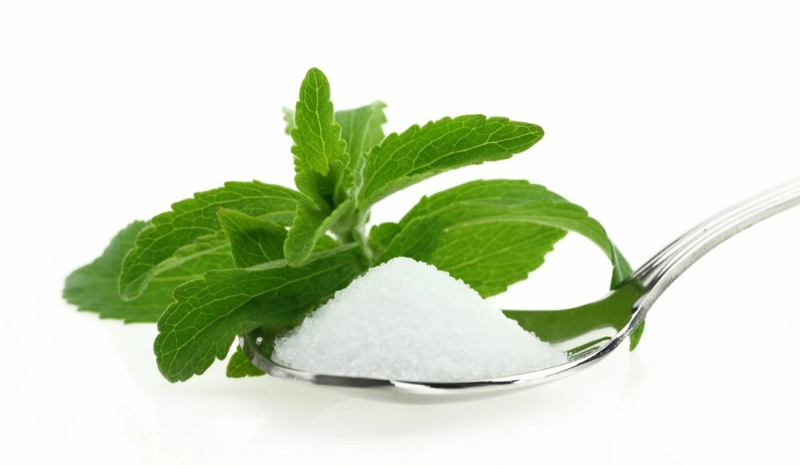
Answer: Highly purified steviol glycosides derived from Stevia rebaudiana are approved in many major markets; crude leaf or unprocessed stevia is generally not approved for standard foods in those regions. Regulatory status depends on purity and regional guidelines.
Answer: Regulatory bodies such as EFSA and FDA set an acceptable daily intake (ADI) for steviol glycosides, typically around 4 mg per kilogram of body weight, expressed as steviol equivalents. This ADI applies to purified glycosides and should guide usage in formulations.
Answer: For most consumers, high-purity steviol glycosides are considered safe, including many individuals with diabetes. Pregnant individuals should follow regulatory guidance and consult healthcare providers where appropriate. Whole-leaf extracts are not generally approved for foods, which reduces certain safety uncertainties.
Answer: Steviol glycosides can be combined with polyols and other natural sweeteners to balance sweetness, mouthfeel, and aftertaste. Formulators often test compatibility, stability, and sensory profiles to achieve consumer-acceptable sweetness in reduced-sugar products.
Answer: Prioritize high-purity steviol glycoside preparations, verify certifications and regulatory approvals for target markets, and ensure robust QA, traceability, and lab analyses for each batch. Clear supplier communication about the form and purity of stevia is essential.
[1](https://pmc.ncbi.nlm.nih.gov/articles/PMC8600158/)
[2](https://www.ingredion.com/na/en-us/company/expertise/the-stevia-institute/what-is-stevia)
[3](https://www.healthline.com/nutrition/is-stevia-safe)
[4](https://www.sciencedirect.com/science/article/pii/S0022316622163650)
[5](https://health.clevelandclinic.org/what-is-stevia)
[6](https://pmc.ncbi.nlm.nih.gov/articles/PMC7584803/)
[7](https://www.webmd.com/food-recipes/what-is-stevia)
[8](https://internationalsteviacouncil.org/science-of-stevia/safety/)
[9](https://www.cnn.com/2023/02/27/health/zero-calorie-sweetener-heart-attack-stroke-wellness)


