


Content Menu
● History of Stevia as a Sweetener
● How Stevia Works as a Sweetener
● Health Benefits of Stevia Sweetener
● Stevia in Food and Beverages
● Stevia in Healthcare Products
● Stevia Production and Manufacturing
● Regulatory Approval of Stevia
● Applications in OEM/ODM Services
● Challenges and Solutions with Stevia
● Future of Stevia as a Sweetener
● FAQ
>> 1. What Makes Stevia a Natural Sweetener?
>> 2. Is Stevia Safe for Daily Use?
>> 3. How Does Stevia Compare to Sugar?
>> 4. Can Stevia Be Used in Cooking?
>> 5. Where to Source Stevia for Manufacturing?
Stevia is indeed a powerful natural sweetener derived from the leaves of the Stevia rebaudiana plant. This zero-calorie option has gained immense popularity in the food, beverage, and healthcare industries for its ability to replicate sugar's sweetness without the calories or blood sugar spikes.
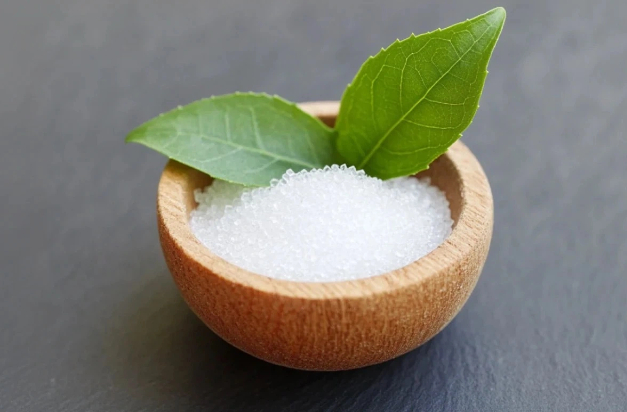
Stevia originates from South America, where indigenous people have used Stevia leaves for centuries to sweeten beverages and medicinal teas. The key sweet compounds in Stevia are steviol glycosides, primarily stevioside and rebaudioside A, which make Stevia 200-400 times sweeter than sugar. Modern Stevia extracts are purified to remove bitter notes, ensuring Stevia delivers clean sweetness ideal for global manufacturers.
Stevia's rise as a sweetener stems from its natural profile, appealing to clean-label demands in beverages and health products. Factories specializing in Stevia process raw leaves into high-purity Reb-A or total steviol glycosides, enabling OEM/ODM services for blended Stevia sweeteners. Stevia's botanical family, Asteraceae, includes familiar plants like sunflowers, underscoring its natural heritage as a sweetener. Consumers increasingly seek Stevia for its plant-derived purity, distinguishing it from synthetic alternatives in the sweetener market.
The Stevia plant thrives in subtropical climates, with leaves containing up to 15% steviol glycosides by dry weight. Harvesting young Stevia leaves maximizes sweetness potency, a practice refined over decades. As a sweetener, Stevia offers versatility across pH levels and temperatures, making it indispensable for product developers worldwide.
Stevia's journey as a sweetener began with Guarani tribes in Paraguay using Stevia for its sweet taste around 1,500 years ago. European explorers documented Stevia in the 16th century, but commercial interest exploded in the 1970s when Japanese researchers refined Stevia extracts for food use. By the 2000s, regulatory approvals from FDA, EFSA, and JECFA confirmed Stevia's safety as a sweetener, spurring global adoption.
Today, Stevia dominates natural sweetener markets, with Chinese factories leading production of Stevia glycosides for export. These facilities blend Stevia with polyols and fibers, offering turnkey solutions for tablet pressing and custom Stevia formulations. The 1980s saw Stevia banned in the U.S. due to safety concerns, but rigorous studies reversed this, cementing Stevia's status as a trusted sweetener. In Japan, Stevia captured 40% of the sweetener market by the 1990s, pioneering its global acceptance.
Stevia's historical use extends to traditional medicine, where tribes brewed Stevia teas for digestive aid, highlighting its dual role as sweetener and health promoter. Modern revival traces to Paraguay's export boom in the 1960s, fueling Stevia research worldwide.
Stevia sweetens without calories because steviol glycosides bind to sweet taste receptors on the tongue, mimicking sucrose but passing through the body undigested. This makes Stevia perfect for diabetic-friendly products, as it has a glycemic index of zero. In manufacturing, tiny amounts of Stevia—often just 0.1%—achieve full sweetness, reducing costs for beverage makers.
Blends combining Stevia with erythritol or inulin enhance mouthfeel, masking any aftertaste while amplifying Stevia's natural appeal. Chinese OEM experts excel here, developing Stevia-based syrups and powders for international clients. Steviol glycosides activate T1R2/T1R3 receptors selectively, delivering intense sweetness without fermentation in the gut. This non-nutritive property positions Stevia as a cornerstone sweetener for low-carb diets.
Stevia's stability in acidic environments suits soft drinks, while high-heat blends support baking applications. Sensory panels refine Stevia formulations to match sugar's temporal profile, ensuring seamless integration as a sweetener.
Stevia supports weight management as a zero-calorie sweetener, helping consumers cut sugar intake by up to 90% without sacrificing taste. Studies link Stevia to blood pressure reduction and improved glucose control, positioning Stevia as a healthcare staple. Unlike artificial options, Stevia's plant-based origin aligns with wellness trends.
For food and beverage factories, Stevia enables low-sugar formulations that meet FDA "no added sugar" claims. Functional Stevia blends with fibers boost gut health, ideal for medical nutrition OEM services. Antioxidant properties in Stevia leaves combat oxidative stress, adding value beyond sweetness. Clinical trials show Stevia lowers postprandial glucose in type 2 diabetics, reinforcing its therapeutic sweetener role.
Stevia may enhance oral health by inhibiting plaque bacteria, a bonus for gum and mint formulations. Its anti-inflammatory effects from stevioside further elevate Stevia in functional foods.
Stevia revolutionizes beverages, from diet sodas to functional drinks, where it replaces high-fructose corn syrup seamlessly. Brands use Stevia for its stability under heat and acid, perfect for juices and teas. In baking, Stevia sweeteners maintain volume in low-carb breads and desserts.
Chinese factories provide Stevia powder and liquids for OEM production, ensuring consistent sweetness profiles. Stevia's versatility extends to dairy yogurts and confections, where it pairs with fibers for texture. Energy drinks leverage Stevia for clean energy without crashes, while iced teas highlight Stevia's refreshing profile.
Stevia-fortified smoothies blend seamlessly with fruits, masking any linger while amplifying natural flavors. Cereal manufacturers incorporate Stevia for kid-friendly low-sugar options, expanding its beverage and food footprint.
In healthcare, Stevia serves as a sweetener for supplements, tablets, and syrups, aiding compliance for diabetic patients. Tablets compressed with Stevia and polyols offer clean taste without bulking agents. Medical beverage developers rely on Stevia for pediatric and geriatric formulas.
OEM/ODM providers customize Stevia potency, blending with monk fruit for synergistic sweetness. This positions Stevia as essential for global health solutions. Cough syrups benefit from Stevia's soothing sweetness, improving palatability in pharmaceuticals. Nutritional shakes for athletes use Stevia to keep macros clean.
Stevia in chewable vitamins ensures enjoyable dosing, particularly for children averse to bitter meds.
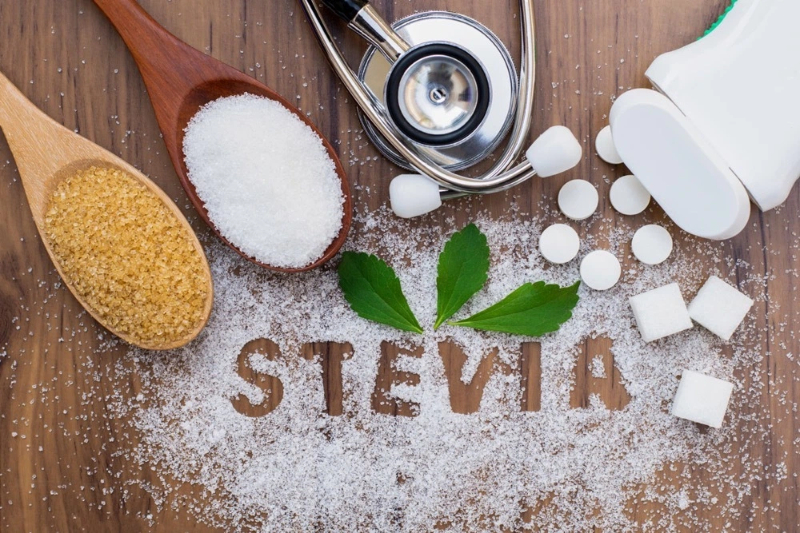
Stevia production starts with cultivating Stevia plants in optimal climates like China and South America, followed by water extraction of leaves. Purification yields 95%+ Reb-A Stevia, ready for blending. Factories employ GMP standards for Stevia sweetener output, supporting high-volume OEM runs.
As a Chinese factory expert, we handle Stevia mixing, granulation, and tableting, delivering finished Stevia products to overseas partners. Sustainability drives Stevia farming with low water use. Leaf drying preserves glycosides, followed by enzymatic conversion for novel Stevia variants.
Fermentation biotech now yields Reb-M Stevia glycosides, overcoming supply limits. Spray-drying creates instant Stevia powders for beverages.
Stevia earned GRAS status from the FDA in 2008 for high-purity steviol glycosides, affirming its role as a safe sweetener. Globally, over 150 countries approve Stevia, with JECFA setting ADI at 4 mg/kg body weight. EU and China regulations ensure Stevia purity above 95%.
This framework enables seamless export of Stevia ingredients for food and pharma applications. Ongoing reviews confirm Stevia's toxicology profile, including no genotoxicity or carcinogenicity.
| Sweetener | Sweetness Level | Calories | Natural Origin | Blood Sugar Impact |
|---|---|---|---|---|
| Stevia | 200-400x sugar | 0 | Yes (plant) | None |
| Sucrose | 1x sugar | 4/g | Yes (cane) | High |
| Aspartame | 200x sugar | Low | No | Minimal |
| Monk Fruit | 150-300x sugar | 0 | Yes (fruit) | None |
| Erythritol | 0.6x sugar | 0.2/g | Yes (fermented) | Low |
Stevia stands out for its natural status and zero impact, outperforming synthetics. Blends with Stevia enhance polyol products for superior taste.
Factories offer Stevia sweetener development, from R&D to scale-up. Custom Stevia tablets for lozenges and effervescents meet foreign specs. Blending Stevia with fibers creates functional gums and bars.
Our expertise ensures Stevia integration for beverages, reducing reformulation time. Pilot batches test Stevia stability in client recipes, scaling to millions of units. Stevia syrup lines fill bottles for export-ready products.
Stevia's occasional bitter aftertaste is mitigated by Reb-M variants and blends. Cost fluctuations from Stevia leaf supply are stabilized via long-term contracts. Advanced processing eliminates impurities, delivering premium Stevia.
Taste masking with natural flavors refines Stevia blends. Supply chain diversification secures Stevia glycosides year-round.
Fermentation tech produces next-gen Stevia glycosides, boosting supply. Demand surges for Stevia in plant-based milks and keto products. Partnerships with factories ensure Stevia innovation for global markets. Biosynthesis slashes costs, making Stevia ubiquitous. Stevia hybrids with agave promise broader applications.
Stevia unequivocally qualifies as a premier natural sweetener, offering unmatched benefits in taste, health, and versatility for food, beverage, and healthcare. Its zero-calorie profile, regulatory backing, and manufacturing scalability make Stevia indispensable. As experts in Stevia OEM/ODM, we empower manufacturers worldwide with blended Stevia solutions, polyols, and fibers.
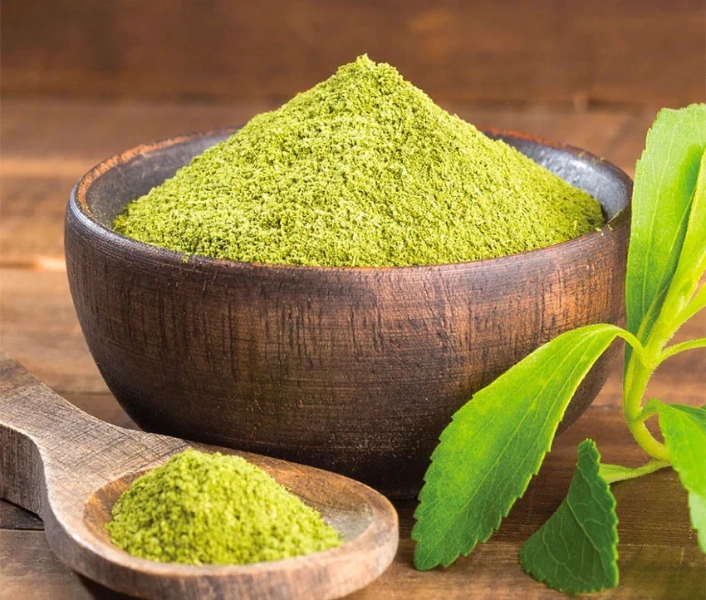
Stevia derives sweetness from steviol glycosides in its leaves, extracted without chemicals, classifying Stevia as fully natural.
Yes, Stevia is FDA-approved with no calories or side effects at recommended levels, ideal for long-term sweetener consumption.
Stevia provides 200-400 times the sweetness of sugar with zero calories, preventing spikes unlike sugar.
Stevia excels in cold applications and heat-stable recipes but may need blends for baking structure.
Chinese factories specialize in high-purity Stevia for OEM, offering custom blends and global shipping.


