
Views: 222 Author: Sara Publish Time: 2025-11-29 Origin: Site


Content Menu
● Understanding Splenda and Its Uses
● Potential Health Benefits of Splenda
● Emerging Health Concerns and Research Insights
>> Metabolic and Insulin Effects
● Potential Genotoxicity and Cancer Risk
● Bioaccumulation and Long-Term Effects
● Brain Aging and Cognitive Decline
● Hormonal and Developmental Impacts
● Exposure Considerations in Special Populations
● Safety Assessments and Regulatory Perspectives
● Recommendations for Consumers
● FAQ
>> 1. What is Splenda made of?
>> 2. Is Splenda safe for people with diabetes?
>> 3. Can Splenda affect gut health?
>> 4. Does Splenda cause weight gain?
>> 5. Should children and pregnant women avoid Splenda?
Artificial sweeteners like Splenda have become popular sugar substitutes for individuals aiming to reduce calorie intake or manage blood sugar. Splenda's primary ingredient is sucralose, a synthetic compound approximately 600 times sweeter than sugar, providing sweetness without calories. While it holds appeal for weight management and diabetes-friendly diets, recent research urges caution regarding potential health risks.

Splenda consists mainly of sucralose combined with fillers like dextrose or maltodextrin to add bulk. It is used widely in foods, beverages, and health products as a zero-calorie sweetener alternative to sugar. Its intense sweetness allows only small amounts to be used, appealing to those wanting sweetness without added calories. Millions rely on Splenda to reduce sugar but continue enjoying sweet flavors.
- Zero-calorie: Facilitates reduction in total calorie consumption, aiding potential weight management.
- Minimal immediate blood sugar impact: Sucralose does not cause sharp rises in blood glucose, suitable for some diabetics.
- Dental health: Unlike sugar, it does not contribute to tooth decay.
While regulatory authorities have approved Splenda as safe based on older studies, a growing body of recent research reveals potential adverse effects:
Several animal studies have demonstrated sucralose's ability to reduce beneficial gut bacteria significantly, impairing digestive function and immune regulation. It may worsen gut inflammation, particularly in susceptible individuals like those with inflammatory bowel disease.
Emerging human studies show sucralose consumption can disturb insulin sensitivity and glucose metabolism. For example, one study found that consuming sucralose-sweetened beverages along with carbohydrates over 10 days reduced insulin sensitivity in healthy adults, suggesting metabolic changes that could contribute to type 2 diabetes development. Sucralose may induce insulin secretion increases followed by resistance, raising the risk for metabolic dysfunction.
Contrary to marketing claims, some evidence links sucralose to weight gain and increased appetite. It may disrupt brain signaling related to satiety and hunger, causing increased food consumption and difficulty controlling weight. Sucralose's impact on brain regions such as the hypothalamus appears to heighten feelings of hunger, particularly in obese individuals.
Newer findings raise concerns about sucralose's genotoxic potential—meaning it could damage DNA and promote inflammation and oxidative stress that heighten cancer risk. Animal models indicate sucralose may promote leukemia and other illnesses through toxic metabolite formation.
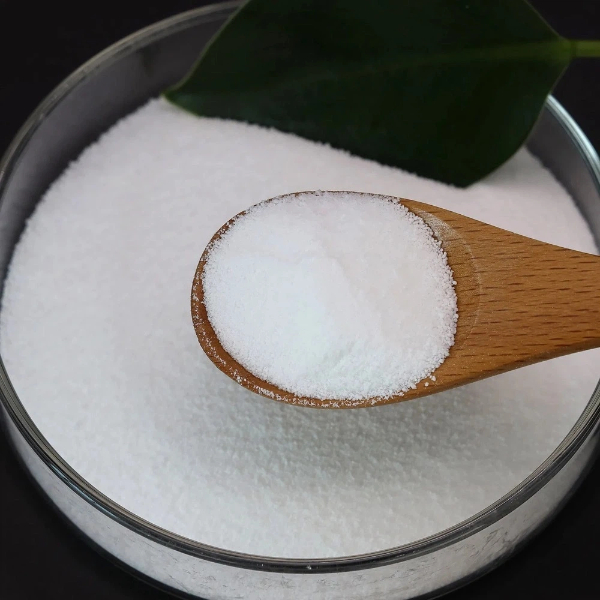
Sucralose can accumulate in fatty tissues, with slow clearance from the body after stopping consumption. The long-term systemic effects remain incompletely understood, raising caution over chronic use.
Recent research indicates that high consumption of low- or no-calorie sweeteners, including sucralose, may be associated with accelerated cognitive decline and brain aging. This may have implications for midlife dietary habits and long-term brain health.
Studies report an association between sucralose intake and higher risks of early puberty in children, particularly those with genetic predispositions. Sweeteners may interfere with hormones and gut bacteria linked to developmental timing.
Splenda passes through breast milk, potentially affecting infant gut health. Pregnant and breastfeeding women should exercise caution in sucralose consumption due to unknown risks to the developing baby.
The FDA and other agencies have deemed Splenda safe based on older toxicology data. However, new studies reveal significant limitations in those assessments, prompting calls for more up-to-date human research. The World Health Organization highlights potential links between artificial sweetener consumption and increased risks of obesity, type 2 diabetes, cardiovascular disease, and overall mortality.
Given emerging evidence, individuals, especially those with metabolic conditions or gut sensitivities, should carefully consider their use of Splenda and other artificial sweeteners. Moderation, informed decision-making, and possible preference for natural sweeteners or reduced overall sweetness intake may support better long-term health outcomes.
Splenda offers a calorie-free sweetening option and may benefit those reducing sugar intake or managing diabetes. However, increasing scientific evidence questions its long-term safety. Its impacts on gut microbiota, metabolism, potential genotoxic effects, weight regulation, cognitive function, and hormonal balance warrant careful consideration. Consumers should weigh benefits against risks, favor moderation, and stay informed on evolving research to make healthful choices.

Splenda mainly consists of sucralose, an artificial sweetener approximately 600 times sweeter than sugar, combined with bulking agents like dextrose or maltodextrin.
While Splenda does not raise blood sugar levels acutely, some studies indicate it may impair insulin sensitivity, which could negatively impact diabetes management. Diabetics should monitor their response carefully.
Yes, sucralose consumption has been shown to disrupt beneficial gut bacteria and potentially worsen gut inflammation, affecting digestive and immune health.
Although marketed as a weight management tool, some research suggests sucralose may increase appetite and lead to weight gain by disrupting brain hunger signals.
Due to potential effects on hormonal development and infant gut health through breast milk, caution is advised for children, pregnant, and breastfeeding women.
[1](https://usrtk.org/sweeteners/sucralose-emerging-science-reveals-health-risks/)
[2](https://www.powershealth.org/about-us/newsroom/health-library/2025/09/04/sugar-substitutes-could-be-bad-for-brain-aging-study-argues)
[3](https://www.dzd-ev.de/en/press/press-releases/press-releases-2025/artificial-sweeteners-stimulate-hunger-signals-in-the-bra)
[4](https://www.cnn.com/2025/09/03/health/artificial-sweetener-cognition-wellness)
[5](https://www.endocrine.org/news-and-advocacy/news-room/endo-annual-meeting/endo-2025-press-releases/chen-press-release)
[6](https://source.washu.edu/2025/11/alternative-sweetener-sorbitol-linked-to-liver-disease/)
[7](https://pubmed.ncbi.nlm.nih.gov/40140714/)
[8](https://keck.usc.edu/news/calorie-free-sweeteners-can-disrupt-the-brains-appetite-signals/)
[9](https://www.upmc.com/media/news/073125-artificial-sweetner)
[10](https://www.neurology.org/doi/10.1212/WNL.0000000000214023)
[11](https://www.center4research.org/risks-splenda-risky-use/)
[12](https://www.womenshealthnetwork.com/nutrition/the-dangers-of-splenda-and-other-artificial-sweeteners/)
[13](https://www.youtube.com/watch?v=VPsRyQl6eSs)
[14](https://www.medicalnewstoday.com/articles/262475)


